

Lower Back Pain From Running: 9 Causes & Effective Relief Tips
Running is one of the simplest ways to stay active, improve cardiovascular fitness, and support overall health. However, some runners experience discomfort in the lower back during a run, immediately afterward, or several hours later. While occasional soreness can happen after increasing activity, recurring or intense pain should not simply be ignored.
Lower Back Pain From Running can develop for several different reasons, including sudden increases in training, poor running mechanics, inadequate recovery, muscle weakness, limited mobility, or an underlying back problem. Research on runners suggests that factors such as restricted hip flexion, reduced hamstring or back flexibility, and certain training characteristics may be associated with low back pain, although running itself is not necessarily harmful to the lower back.
The good news is that many cases improve when runners identify the contributing factor and adjust their training appropriately. This guide explains nine common causes, practical relief strategies, prevention techniques, and situations when professional evaluation may be necessary.
What Causes Lower Back Pain While Running?

Running places repetitive demands on the muscles, joints, hips, pelvis, and spine. Your body normally distributes these forces efficiently. Problems may develop when one part of the movement system has to compensate for another.
Lower Back Pain From Running does not always mean that your spine has been damaged. In many cases, back pain is nonspecific, meaning a single structural cause cannot be identified. Too much physical strain, weak muscles, limited movement, and unusual or strenuous activity can all contribute to symptoms.
The following nine factors are among the most important possibilities to consider.
1. Increasing Your Running Distance Too Quickly

One of the most common problems for runners is doing too much too soon. If you suddenly increase your mileage, running speed, hill work, or number of weekly sessions, your muscles and connective tissues may not have enough time to adapt.
For example, someone who normally runs three miles may decide to run six or seven miles several days later. Although cardiovascular fitness may feel sufficient, the muscles supporting the pelvis and lower back may not yet be prepared for the additional workload.
This can produce muscle fatigue and soreness that becomes noticeable during or after a run.
A gradual training progression gives your body more time to adapt. If pain appears after a significant increase in training volume, temporarily reducing the intensity or distance may be more appropriate than stopping all physical activity.
2. Weak Core and Hip Muscles

Your abdominal, pelvic, hip, and back muscles work together to control movement while you run. When these muscles lack endurance or strength, other tissues may have to work harder to maintain stability.
This does not mean that every runner with back pain has a “weak core.” However, poor trunk control or reduced muscular endurance can contribute to inefficient movement in some individuals.
Strength training can therefore be a useful part of a runner’s overall program. Exercises that improve trunk control, hip strength, balance, and general muscular endurance may help support running mechanics.
Evidence on exercise therapy for low back pain generally supports staying active and using appropriate strengthening and movement-based exercise.
3. Limited Hip Mobility
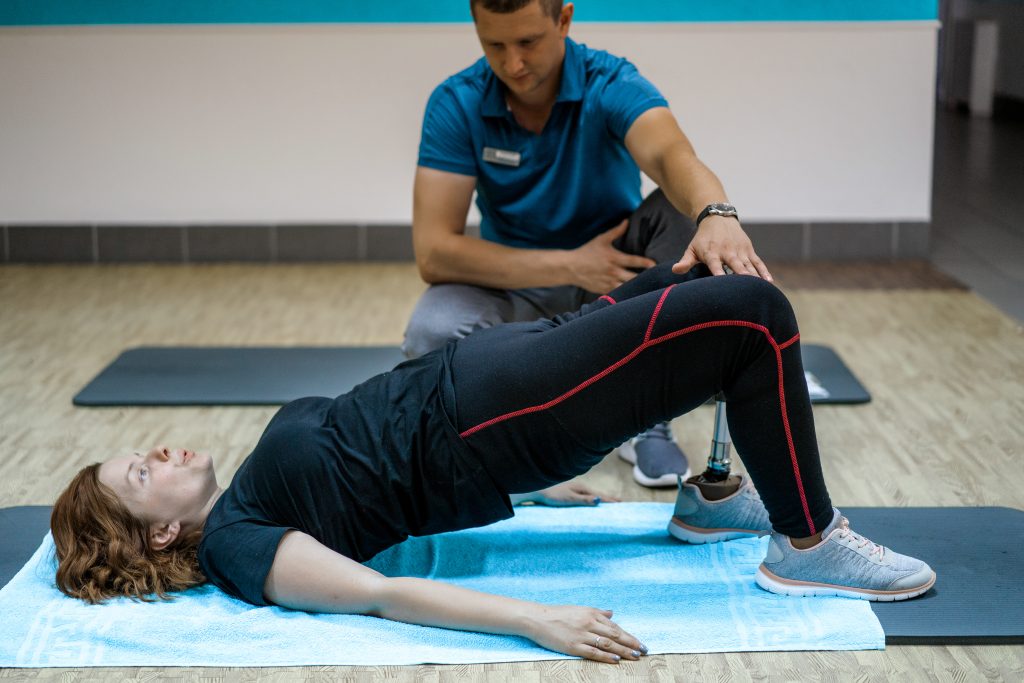
The hips play an important role in running. They need to move through an appropriate range while the pelvis and trunk remain controlled.
If hip movement is restricted, the body may compensate elsewhere. For some runners, this can increase movement demands around the lower back.
A systematic review of low-back-pain risk factors among runners reported restricted hip flexion among factors associated with low back pain. However, these findings do not prove that limited hip mobility directly causes symptoms in every runner.
If you repeatedly experience discomfort, a physiotherapist can assess hip mobility, pelvic control, strength, and running movement rather than assuming that one specific muscle is responsible Lower Back Pain From Running.
4. Poor Running Form
Running technique varies naturally between individuals. There is no single perfect running form that everyone must copy.
However, sudden changes in technique, excessive overstriding, poor trunk control, or an inefficient movement pattern may increase discomfort in some runners.
When fatigue develops, your posture and movement can also change. You may lean excessively, shorten or lengthen your stride, or lose control of your pelvis.
Instead of trying to force yourself into an artificial running position, focus on comfortable movement, gradual training progression, appropriate recovery, and overall strength.
If Lower Back Pain From Running repeatedly occurs at a particular speed, distance, or terrain, noting those patterns can help identify what is triggering your symptoms.
5. Inadequate Warm-Up

Starting an intense run immediately after sitting for a long time or without preparing your body can sometimes make movement feel uncomfortable.
A warm-up does not need to be complicated. Five to ten minutes of easy walking or gentle jogging can gradually increase body temperature and prepare you for more demanding activity.
Dynamic movements involving the hips and legs may also be useful before running. The goal is not to aggressively stretch cold muscles but to progressively prepare your body for the activity ahead.
NIAMS recommends warming up before exercise or other physical activity as part of healthy back habits.
6. Poor Recovery Between Runs

Training is only one part of running. Recovery is equally important.
If you run hard every day without enough recovery, accumulated fatigue may affect your movement and exercise tolerance. Sleep, nutrition, hydration, rest days, and appropriate training variation can all influence how your body responds to exercise.
Persistent soreness does not necessarily mean that you need complete bed rest. For ordinary low back pain, remaining reasonably active is generally encouraged, while activities that clearly increase pain should be reduced or modified.
If your back feels progressively worse from one run to the next, consider reducing training intensity and allowing adequate recovery before returning to harder sessions.
7. Running on Hills or Uneven Surfaces

Hills change the physical demands of running. Uphill and downhill running require different amounts of muscular effort and can alter stride and posture.
Trail running and uneven surfaces can also require greater control from the hips, legs, and trunk.
If you develop pain specifically after hill workouts or trail runs, consider reducing those sessions temporarily and returning to a flatter surface.
Once symptoms settle, hills can be reintroduced gradually rather than immediately returning to the previous workload.
8. Previous Injury or Existing Back Problem
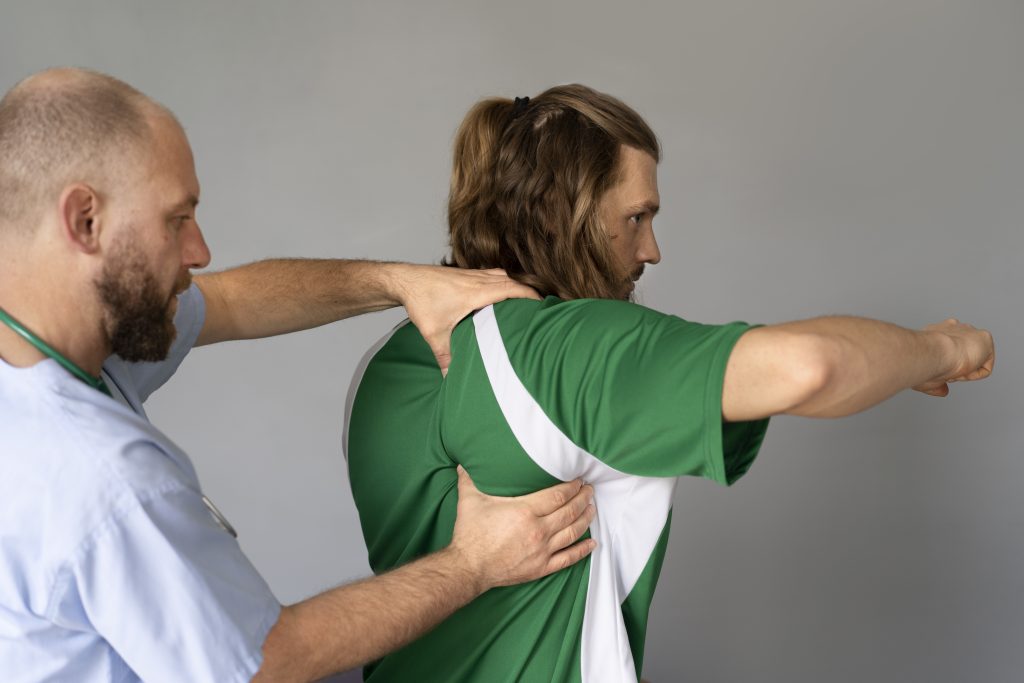
Sometimes running does not create the original problem but exposes symptoms from an existing condition.
A previous muscle strain, disc-related problem, joint irritation, or another musculoskeletal issue can become noticeable when the body is repeatedly loaded.
Back pain can have many possible causes, including muscle or ligament strain, disc problems, arthritis, and other conditions.
If your symptoms consistently return every time you run, especially if they are becoming more severe, an assessment by a qualified healthcare professional can help determine the likely cause.
9. Not Addressing Pain Early
Many runners try to “push through” discomfort because they do not want to miss training. Mild temporary soreness and significant pain are not the same thing.
If a particular movement repeatedly causes sharp, worsening, or persistent pain, continuing to increase training volume may make recovery more difficult.
Instead, pay attention to the pattern. Ask yourself whether the pain appears at the beginning of the run, after a certain distance, during hills, after speed work, or later that day.
Understanding the pattern can provide useful information for modifying your training.
How to Relieve Lower Back Pain After Running

If your symptoms are mild and there are no warning signs, the first step is usually to reduce the activities that aggravate the pain while maintaining comfortable movement.
Lower Back Pain From Running may improve when training is temporarily modified rather than completely abandoned.
Consider these practical approaches:
Reduce Running Intensity
If fast running increases your symptoms, temporarily switch to easy walking or gentle activity. Once your symptoms improve, gradually reintroduce running.
Avoid Sudden Mileage Increases
Return to your previous comfortable distance rather than immediately attempting your maximum mileage.
Use Gentle Movement
Long periods of complete inactivity are generally not recommended for ordinary low back pain. Gentle walking and comfortable daily movement can help maintain activity while symptoms settle.
Try Appropriate Strength Exercises
Strengthening the trunk, hips, and legs may help improve overall physical capacity. However, exercises should be selected according to your symptoms and abilities.
For people with persistent low back pain, exercise therapy has evidence supporting improvements in pain and function Lower Back Pain From Running.
Consider Heat or Cold
Some people find cold packs useful shortly after an irritating activity, while heat may feel more comfortable for muscle tightness. NIAMS notes that cold and heat can both be used for certain back-pain symptoms.
Do not apply ice directly to the skin, and stop if either treatment makes your symptoms worse.
Should You Stop Running Completely?
Not necessarily.
Lower Back Pain From Running does not automatically mean that you must permanently stop running. In many cases, the better approach is to identify what aggravates the symptoms and modify the workload.
For example, you may temporarily replace long runs with shorter easy runs, walking, cycling, or another comfortable activity. Once symptoms improve, running can be gradually reintroduced.
Current evidence generally supports remaining physically active for low back pain rather than relying on prolonged rest.
However, if running consistently produces increasing pain, weakness, numbness, or pain traveling down the leg, continuing to train without evaluation is not a good idea Lower Back Pain From Running.
Exercises That May Support Runners

There is no universal exercise routine for every runner with back pain. Your exercise selection should depend on your symptoms, strength, mobility, and training goals.
A balanced program may include:
Core stability exercises: These can improve the ability of the trunk muscles to control movement.
Glute strengthening: Strong hip muscles can support running-related movement and lower-body control.
Hip mobility exercises: Appropriate mobility work may help runners who have restricted movement.
Hamstring flexibility work: Gentle flexibility exercises may be useful when limited flexibility is identified.
Single-leg balance exercises: These can improve coordination and control needed for running.
Walking or low-impact aerobic activity: These can help maintain fitness while running is temporarily uncomfortable.
Research published in 2026 found that several exercise approaches can help reduce pain and improve function in people with low back pain, although the best approach can vary by individual.
Do not force an exercise through sharp or progressively worsening pain. A physiotherapist can help determine which movements are appropriate for your particular situation.
How to Prevent Back Pain When Running
Prevention starts with managing training load and building physical capacity.
Start each session with a gradual warm-up. Increase running distance and intensity progressively instead of making large jumps. Include strength training in your weekly routine, especially exercises that develop the trunk, hips, and legs.
Pay attention to recovery as well. Adequate sleep, nutrition, hydration, and rest can help you tolerate training more effectively Lower Back Pain From Running.
It is also useful to vary your workouts. Running every session at maximum intensity can place unnecessary stress on your body. Combining easy runs with appropriate strength training and recovery days can create a more sustainable routine.
Good running shoes may improve comfort, but replacing shoes alone will not necessarily solve a back problem. Your training habits, physical capacity, running environment, and individual movement pattern all matter.
When Should You See a Healthcare Professional?

Most uncomplicated low back pain improves with time and appropriate self-management. However, some symptoms require professional assessment.
Seek urgent medical attention if back pain is accompanied by new bowel or bladder problems, numbness around the genital area, significant leg weakness, or other severe neurological symptoms.
You should also seek medical advice if pain is severe, persistent, repeatedly worsening, follows a significant injury, or spreads down the leg with numbness, tingling, or weakness. Mayo Clinic recommends medical evaluation for back pain that persists for several weeks, becomes severe, or is associated with neurological symptoms.
A physiotherapist can assess your running mechanics, hip and spine mobility, muscular strength, movement control, and training habits. This can be more useful than simply guessing which muscle is responsible Lower Back Pain From Running.
Final Thoughts
Lower Back Pain From Running can be frustrating, particularly when running is an important part of your lifestyle. The condition does not automatically mean that running is damaging your spine or that you need to give up running permanently.
Training errors, sudden increases in mileage, muscular fatigue, limited mobility, poor recovery, hills, and existing musculoskeletal problems can all contribute to symptoms. The right response is to identify the pattern, modify aggravating activities, maintain comfortable movement, and gradually rebuild your running capacity.
Most importantly, do not ignore persistent or severe symptoms. If your pain keeps returning, affects your daily activities, or comes with numbness, weakness, or other warning signs, professional evaluation is appropriate.
With a sensible training plan, adequate recovery, appropriate strength work, and individualized guidance when necessary, many runners can return to comfortable and consistent activity.