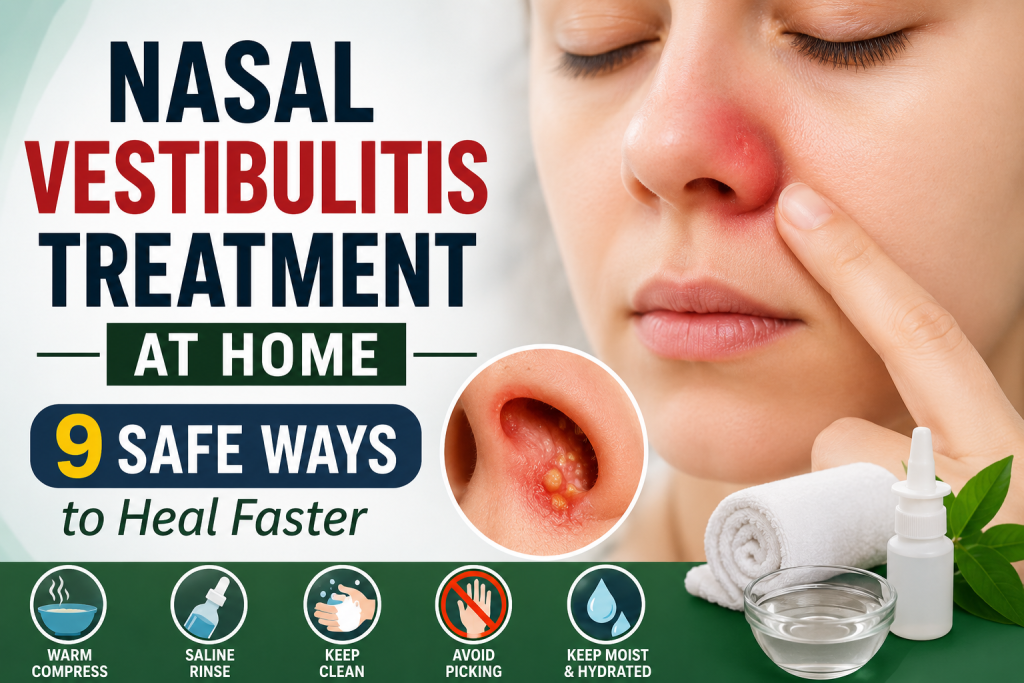
Nasal Vestibulitis Treatment at Home: 9 Safe Ways to Heal Faster
Nasal vestibulitis is an irritation or infection that affects the entrance of the nose, known as the nasal vestibule. It can cause soreness, redness, crusting, tenderness, small sores, or painful bumps around the nostrils. Although mild cases may improve with simple care, symptoms can sometimes become more uncomfortable or develop into a more serious infection.
Understanding Nasal Vestibulitis Treatment at Home can help you manage mild symptoms while supporting the natural healing process. However, home care should be gentle. Picking the nose, squeezing bumps, or using harsh substances inside the nostrils can make irritation worse.
This guide explains nine practical approaches that may help with mild nasal vestibulitis and also discusses when professional medical treatment is important.
What Is Nasal Vestibulitis?
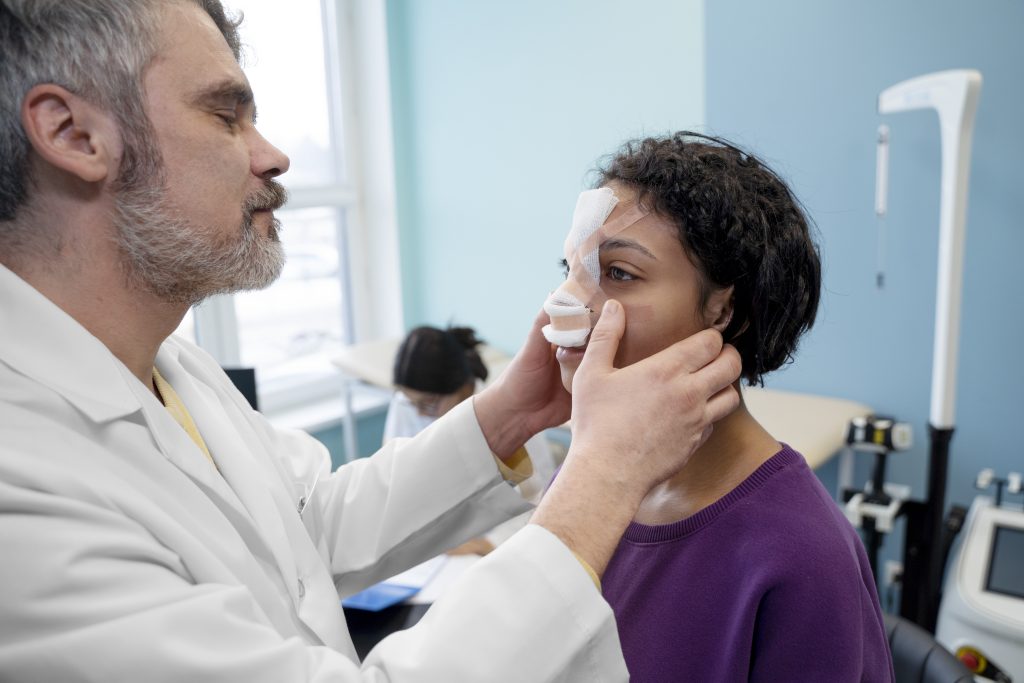
Nasal vestibulitis is inflammation or infection of the skin inside the front part of the nostril. The area contains tiny hairs and delicate skin that can become irritated through rubbing, frequent nose blowing, picking, or other forms of minor trauma.
Bacteria can enter irritated skin and contribute to infection. Staphylococcus bacteria are commonly associated with nasal vestibulitis, although other factors can also contribute.
Common symptoms include:
- Tenderness around the nostril
- Redness or irritation
- Small pimples or bumps
- Crusting around the nose
- Minor bleeding
- Burning or itching
- Pain when touching the nostril
- Swelling around the nasal opening
Because several other conditions can cause similar symptoms, persistent or severe symptoms should be evaluated by a healthcare professional.
What Causes Nasal Vestibulitis?
Several everyday habits can irritate the nasal vestibule. Frequent nose blowing during a cold or allergies may repeatedly rub the delicate skin. Nose picking can create tiny breaks in the skin, giving bacteria an opportunity to enter.
Other possible contributing factors include excessive dryness, repeated use of tissues, plucking or trimming nasal hairs, and irritation from certain products.
People who experience frequent nasal irritation may also notice symptoms after respiratory infections because congestion and repeated nose blowing can place additional stress on the skin.
The first step in Nasal Vestibulitis Treatment at Home is therefore to identify and reduce whatever may be irritating the affected area.
1. Keep the Area Clean

Gentle cleaning is one of the simplest measures for mild nasal irritation. Wash your hands before touching your nose and avoid placing dirty fingers inside the nostrils.
The outside of the nose can be cleaned gently with lukewarm water. Avoid aggressive rubbing because friction can increase inflammation.
If you need to blow your nose, do so gently rather than using excessive force. Soft tissues can reduce friction compared with rough paper products.
Good hygiene can help prevent additional bacteria from being introduced into irritated skin.
2. Use a Warm Compress
A warm compress may provide soothing relief when the affected area feels tender or uncomfortable. Warmth can help relax the surrounding tissues and may make crusting easier to manage.
To use a warm compress, soak a clean cloth in comfortably warm water and wring out the excess. Hold it gently against the outside of the affected nostril for several minutes.
The cloth should be warm rather than hot. Excessive heat can irritate or burn sensitive facial skin.
A warm compress can be part of Nasal Vestibulitis Treatment at Home, especially when soreness or localized tenderness is present.
Do not press firmly against a painful bump, and never attempt to drain or squeeze it yourself.
3. Avoid Picking or Scratching
Picking at the inside of the nose can create small injuries that allow bacteria to enter the skin. Scratching can also reopen areas that are beginning to heal.
If crusts develop, resist the temptation to pull them off. Removing them forcefully may cause bleeding and delay recovery.
Keeping fingernails short can also reduce accidental scratching.
One of the most important principles of Nasal Vestibulitis Treatment at Home is allowing irritated tissue to heal without repeated trauma.
4. Reduce Nose Irritation
Try to identify activities that make your symptoms worse. Frequent rubbing, vigorous nose blowing, and unnecessary touching can keep the area inflamed.
If allergies or a cold are causing frequent congestion, follow appropriate measures recommended by a healthcare professional to control those symptoms.
When you need to clean your nose, be gentle. Avoid inserting cotton swabs, tissues, or other objects deeply into the nostrils.
The nasal lining is delicate, and unnecessary friction can create more irritation.
5. Consider Saline for Nasal Dryness
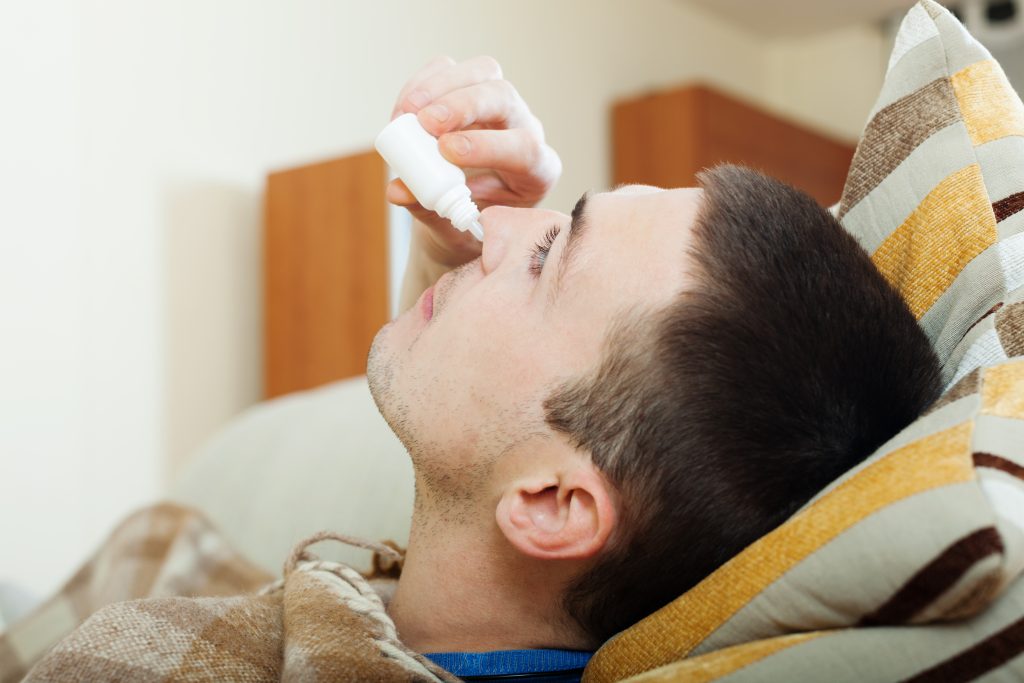
Saline nasal products can help moisturize dry nasal passages and may be useful when dryness contributes to irritation. A commercially prepared saline spray or rinse is generally preferable to homemade solutions that may not have the correct concentration or cleanliness.
If you use a nasal rinse, follow the product instructions carefully and use appropriately treated water as directed.
Saline should not be viewed as a replacement for medical treatment when a bacterial infection is suspected.
As part of Nasal Vestibulitis Treatment at Home, the goal is to reduce dryness and irritation without adding new chemicals or harsh ingredients.
6. Avoid Harsh Home Remedies
Many substances found around the home are promoted online as natural treatments for nasal infections. However, products such as undiluted essential oils, alcohol, hydrogen peroxide, strong antiseptics, or other irritating substances may damage sensitive nasal tissue.
Something that is safe on intact external skin is not necessarily safe inside the nose.
Avoid experimenting with substances that have not been recommended for nasal use by a qualified healthcare professional.
Safe home care should focus on gentle hygiene, reducing irritation, and supporting comfort rather than aggressively trying to kill bacteria.
This is an important part of responsible Nasal Vestibulitis Treatment at Home.
7. Do Not Squeeze Nasal Bumps
A painful bump near the nostril can look similar to a pimple, which may create an urge to squeeze it. However, squeezing an infected area can damage surrounding tissue and potentially spread infection.
The central area of the face contains blood vessels connected with deeper structures, so infections in this region should be treated carefully.
If a bump becomes increasingly painful, swollen, or filled with pus, seek medical advice rather than attempting to drain it yourself.
Gentle care is much safer than squeezing, puncturing, or cutting the area.
8. Keep Personal Items Clean
Towels, washcloths, pillowcases, and other items that frequently touch your face should be kept clean.
Avoid sharing towels or personal grooming items with other people when you have an active skin infection.
If you frequently touch your nose after handling dirty surfaces, wash your hands before touching your face.
These basic hygiene measures can complement Nasal Vestibulitis Treatment at Home and may reduce repeated irritation or exposure to bacteria.
Good habits are particularly important for people who experience recurring nasal irritation.
9. Give the Nose Time to Heal

Healing can take time, especially if the skin continues to experience friction or trauma.
Try to avoid unnecessary manipulation of the nostrils while symptoms are improving. If you have a cold, blow your nose gently. If the air around you is very dry, maintaining comfortable indoor humidity may help reduce nasal dryness.
Adequate rest, fluids, and general self-care can also support recovery when nasal irritation occurs alongside a respiratory illness.
The most effective Nasal Vestibulitis Treatment at Home is often a combination of gentle care and avoiding the habits that caused or worsened the irritation.
Can Nasal Vestibulitis Go Away on Its Own?
Mild irritation may improve when the underlying trigger is removed. For example, if symptoms developed after frequent nose blowing, reducing friction may allow the skin to recover.
However, nasal vestibulitis can involve bacterial infection, and some cases require prescription treatment. If symptoms continue, become more painful, or repeatedly return, home care alone may not be enough.
Do not assume that every painful bump inside the nose is simple vestibulitis. A healthcare professional can determine whether another condition may be responsible.
When Should You See a Doctor?
Medical evaluation is important if symptoms are severe, persistent, spreading, or worsening.
Contact a healthcare professional if you notice significant swelling, increasing redness, severe pain, pus, fever, or symptoms that extend beyond the nostril.
You should also seek medical advice if the infection keeps coming back or does not improve with gentle care.
People with conditions that affect immune function or wound healing should be particularly cautious about infections and should seek professional advice sooner.
A doctor may recommend a topical antibiotic or another treatment when bacterial infection is suspected. More extensive infections may require different treatment.
Home care should support recovery, not replace necessary medical treatment.
What Should You Avoid During Recovery?

Several habits can make nasal irritation worse.
Avoid picking your nose, squeezing bumps, scratching crusted areas, and aggressively blowing your nose. Avoid placing unapproved creams, oils, or antiseptics inside the nostrils.
You should also avoid sharing towels or personal grooming tools.
If a particular product appears to trigger burning or irritation, stop using it and discuss the reaction with a healthcare professional if symptoms continue.
Keeping the routine simple is usually better than trying numerous remedies at once.
How Long Does Nasal Vestibulitis Take to Improve?
The recovery time varies depending on the cause and severity. Mild irritation may settle after the source of friction is removed, while an established bacterial infection may require medical treatment.
If symptoms are not improving or are becoming worse, waiting longer is not always the best approach.
Pay attention to the overall trend. Less pain, reduced redness, and fewer crusts generally suggest improvement. Increasing pain, swelling, redness, drainage, or fever may indicate that the condition needs professional attention.
How Can You Prevent Nasal Vestibulitis?
Prevention mainly involves protecting the delicate skin around the nostrils.
Wash your hands regularly and avoid unnecessary nose picking. Blow your nose gently and use soft tissues when possible. Avoid repeatedly rubbing the nose.
If you remove nasal hair, avoid aggressive plucking because it can injure the skin around hair follicles. Keeping the nasal passages comfortably moisturized may also help when dryness is a recurring problem.
Managing allergies and respiratory symptoms can reduce the amount of repeated nose rubbing and blowing.
These preventive habits can make Nasal Vestibulitis Treatment at Home less necessary in the future by reducing common triggers.
Frequently Asked Questions
Can I use a warm compress for nasal vestibulitis?
A comfortably warm compress applied gently to the outside of the nose may help relieve tenderness. Avoid very hot water and avoid pressing on painful bumps.
Can I put antibiotic cream inside my nose?
Some prescription topical antibiotics may be specifically recommended for nasal use, but not every antibiotic cream is appropriate for the inside of the nose. Use medication only according to professional advice or the product’s approved instructions.
Is nasal vestibulitis contagious?
The condition itself is not necessarily contagious, but bacteria associated with skin infections can spread through contaminated hands or personal items. Good hand hygiene and avoiding shared towels can reduce this risk.
Can nasal vestibulitis cause bleeding?
Yes. Irritated or cracked skin around the nostril can bleed, particularly after picking, scratching, or forceful nose blowing.
Should I pop a bump inside my nose?
No. Popping or squeezing a painful nasal bump can worsen tissue injury and potentially spread infection. Allow it to heal or seek professional advice.
Is saline spray helpful?
Saline may help with dryness and irritation, but it does not replace appropriate medical treatment for a bacterial infection.
Final Thoughts
Mild nasal irritation can sometimes improve with careful hygiene, reduced friction, and gentle supportive care. Avoiding nose picking, harsh substances, excessive rubbing, and squeezing bumps can give the affected skin a better opportunity to recover.
Nasal Vestibulitis Treatment at Home should always be approached gently. Warm compresses, appropriate saline products, clean personal items, and protection from repeated irritation may help with comfort and recovery in mild cases.
However, persistent or worsening symptoms should not be ignored. Significant swelling, spreading redness, severe pain, pus, fever, or recurring infections warrant professional medical evaluation.
The safest approach is to support healing without damaging the delicate tissue inside the nose. When symptoms do not improve or appear more serious, a healthcare professional can identify the cause and recommend the appropriate treatment.