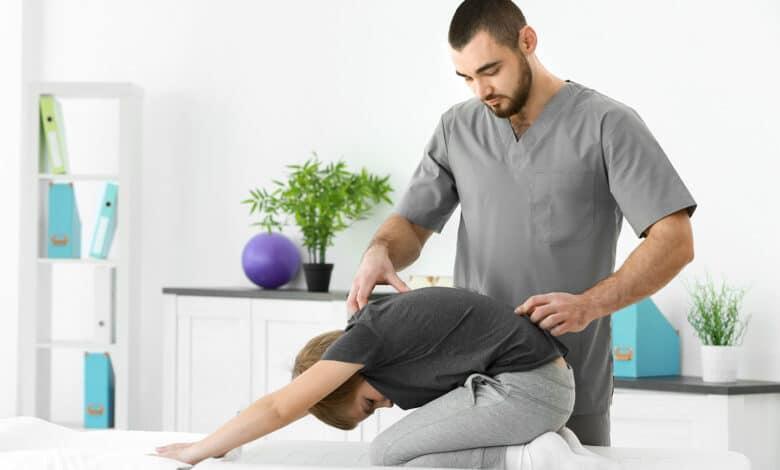
Neck Pain After Sleeping: 9 Causes & Powerful Relief Tips
Waking up with a stiff or painful neck can make the first part of your day frustrating. For many people, neck pain after sleeping is most noticeable during the first few minutes after getting out of bed. You may notice discomfort when turning your head, looking down, getting out of bed, or checking your phone. In many cases, the problem is related to sleeping position, muscle tension, pillow support, or staying in one position for too long. However, persistent or severe symptoms can sometimes point to an underlying condition that needs professional evaluation.
This guide explains common reasons for morning neck discomfort, practical ways to feel better, nine helpful relief strategies, and signs that should not be ignored. The goal is to help you understand what may be contributing to your symptoms and make sensible changes to your daily routine.
Why Does Neck Pain Happen After Sleep?

Understanding why neck pain after sleeping develops can help you choose the right changes instead of randomly changing your pillow or exercise routine.
During sleep, your neck stays in one position for several hours. If your head is tilted too far forward, backward, or to one side, muscles and joints may remain under stress for an extended period. This can leave you feeling stiff when you wake up.
Another common factor is the way your pillow supports your head. A pillow that is too high can push the neck upward, while one that is too low may allow the head to drop. Neither situation is ideal for everyone.
Your mattress can also influence your sleeping posture, although the pillow and sleep position often have a more direct effect on the neck. If you regularly wake up uncomfortable, pay attention to whether your symptoms improve after you get moving.
Common Causes of Morning Neck Discomfort
1. An Unsuitable Sleeping Position

Sleeping on your stomach often requires your head to remain turned to one side for a long time. This can place the neck in an awkward position. Side and back sleeping may be more comfortable for many people because they can make it easier to keep the head and neck aligned.
If you sleep on your side, your pillow should generally fill the space between your head and the mattress without forcing your neck upward. This simple adjustment may reduce neck pain after sleeping for some people.
If you sleep on your back, a pillow that provides comfortable support without pushing your head too far forward may be preferable.
2. Poor Pillow Support
A pillow is not simply about softness. Its height, shape, and firmness can influence how your neck sits during the night. A very thick pillow may leave your head tilted upward, while a pillow that collapses completely may provide little support.
There is no single pillow that works for everyone. Your body size, shoulder width, sleep position, and personal comfort all matter. Instead of choosing a pillow only because it is marketed for neck pain, focus on whether it helps you maintain a comfortable, neutral position.
3. Sleeping in One Position for Too Long

Even a good sleeping position can become uncomfortable if you remain almost completely still for hours. Muscles and joints may feel stiff after prolonged inactivity.
This is one reason some people experience symptoms that are strongest immediately after getting up but gradually improve after showering, walking, or doing gentle movements. That pattern is common in neck pain after sleeping linked to stiffness.
4. Muscle Tension During Sleep
Stress, fatigue, or daytime posture can contribute to muscle tension that carries into the night. Some people also clench their jaw while sleeping, which can increase tension around the jaw, temples, shoulders, and neck.
If your neck feels tight rather than sharply painful, gentle movement and relaxation may help. These steps are especially reasonable when neck pain after sleeping is mild and improves with movement.
5. Daytime Posture
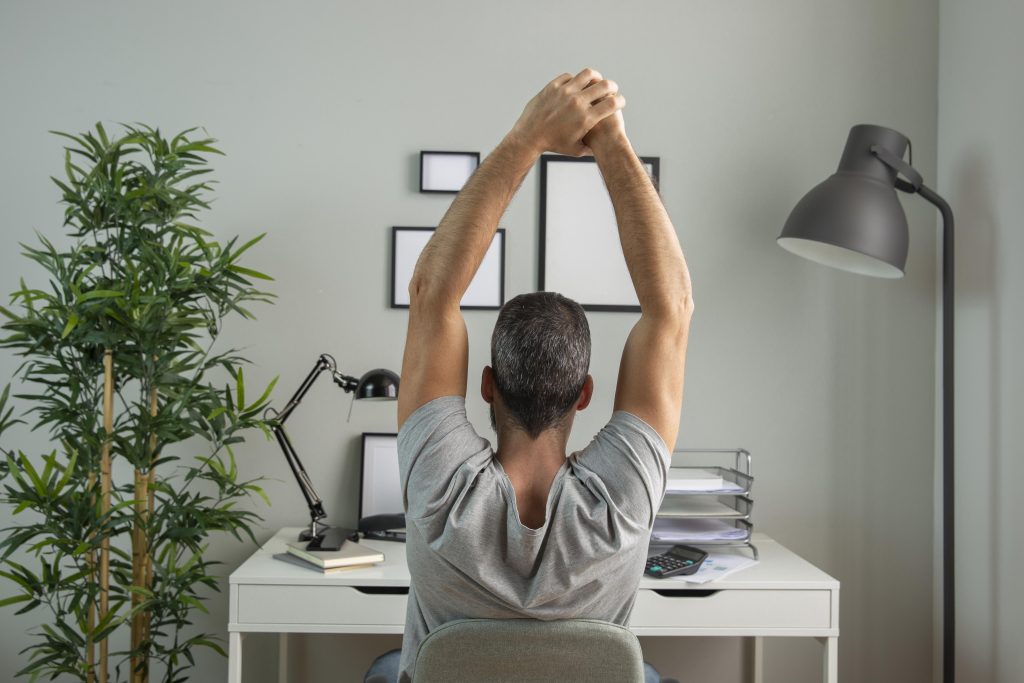
Your sleeping habits are not always the only reason you wake up uncomfortable. Spending many hours looking down at a phone, working at a poorly positioned computer, or sitting without changing position can leave the neck muscles tired before bedtime.
If the same routine continues every day, changing your pillow alone may not solve the problem. Consider your posture and movement habits throughout the entire day.
6. Previous Strain or Injury
A previous neck strain can sometimes make the area more sensitive. If you recently lifted something awkwardly, exercised differently, experienced a sudden movement, or had a minor injury, your symptoms may become more noticeable after several hours of rest.
A recent injury accompanied by severe pain, weakness, numbness, or other unusual symptoms should be assessed by a healthcare professional. Do not assume that neck pain after sleeping is simply a pillow problem when an injury is involved.
7. Degenerative Changes

As people get older, normal changes can occur in the joints and discs of the spine. Some people develop symptoms related to these changes, while others have changes without significant pain.
If your discomfort is persistent, repeatedly returns, or is accompanied by arm symptoms, a clinician can help determine whether further evaluation is appropriate.
8. Nerve Irritation
Pain from the neck can sometimes travel toward the shoulder, arm, or hand. Tingling, numbness, or weakness may also occur when a nerve is irritated or compressed.
These symptoms are different from ordinary morning stiffness. If you regularly wake with pain traveling into an arm or notice persistent numbness or weakness, arrange an evaluation rather than relying only on home remedies.
9. An Uncomfortable Sleep Environment

Your pillow is only one part of your sleep setup. The mattress, bed height, room temperature, and even how much space you have to change position can influence comfort.
A poor sleep environment may encourage awkward positions or make it difficult to relax. Look at your entire setup rather than assuming one item is always responsible.
9 Powerful Relief Tips
1. Try a More Comfortable Sleep Position
If you usually sleep on your stomach, experiment with side or back sleeping if those positions are comfortable for you. The aim is to avoid keeping your head rotated to one side for prolonged periods. This can be an important consideration when trying to reduce neck pain after sleeping.
When sleeping on your side, keep your head in line with your torso rather than allowing it to tilt toward the mattress or ceiling.
2. Reassess Your Pillow

Instead of buying the most expensive pillow available, test whether your current pillow keeps your neck comfortable. A better fit may make neck pain after sleeping less likely to recur.
People who sleep on their side may need more loft than people who sleep on their back, but individual anatomy makes the ideal choice different for each person.
3. Use Gentle Morning Movement
When you first wake up, avoid sudden, forceful neck movements. Gentle mobility is a better starting point when neck pain after sleeping leaves the area stiff.
Start with slow shoulder rolls and gentle head movements within a comfortable range.
You can turn your head slowly from one side toward the other without forcing the motion. The purpose is to restore comfortable movement, not to stretch as far as possible.
4. Apply Comfortable Heat
A warm shower or a comfortably warm compress may help some people relax tight muscles. Keep the temperature moderate and avoid falling asleep with a heating device against your skin.
Heat is mainly a comfort measure. If pain is severe or keeps returning, it should not replace professional assessment.
5. Take Breaks From Screens

Long periods of looking down at a phone or tablet can place extra demand on the neck. Reducing this strain may also help if neck pain after sleeping is part of a broader posture problem.
Bring screens closer to eye level when practical and take regular movement breaks.
During computer work, position the monitor so you do not need to constantly bend your head forward.
6. Strengthen the Upper Body Gradually
A balanced exercise program can support overall posture and movement. Gentle strengthening of the upper back, shoulders, and neck-supporting muscles may be useful for some people.
If exercise causes sharp pain, radiating symptoms, numbness, or weakness, stop and seek guidance from a qualified professional.
7. Manage Stress Before Bed

Stress can contribute to muscle tension and make it harder to relax. A calm bedtime routine may help you transition into sleep more comfortably.
Consider quiet breathing exercises, gentle stretching, reading, or reducing stimulating screen use before bed.
8. Avoid Sudden Neck Stretching
When the neck feels stiff, it can be tempting to pull or twist it aggressively to make it “crack.” Forceful movements can make symptoms worse.
Use slow, controlled movements instead. If you feel that you need to manipulate your neck repeatedly to obtain relief, discuss the recurring problem with a healthcare professional.
9. Track What Happens Overnight
Keep a simple record for several days. Tracking these details can help you discover patterns behind recurring neck pain after sleeping.
Note your sleep position, pillow, bedtime routine, morning symptoms, and what makes the discomfort better or worse.
Patterns can be surprisingly useful. For example, you may notice that symptoms are worse after stomach sleeping or after long evenings using a phone.
When Should You See a Doctor?
Most occasional stiffness is not an emergency, but certain symptoms deserve prompt medical attention.
Seek urgent care if neck pain occurs after a serious accident or injury, especially if you have severe pain or neurological symptoms. New or worsening weakness, significant numbness, difficulty walking, loss of coordination, or problems controlling bladder or bowel function require urgent evaluation.
You should also arrange medical assessment if symptoms persist, repeatedly interfere with sleep, become progressively worse, or are accompanied by fever, unexplained weight loss, or other concerning symptoms.
Pain that spreads into an arm, particularly when accompanied by numbness or weakness, may require a more detailed assessment.
How Long Does Morning Neck Stiffness Last?

The duration varies depending on the cause. Mild neck pain after sleeping may settle as you become active, while persistent symptoms deserve closer attention.
Avoid judging your recovery only by how you feel immediately after waking. Look at the overall pattern across several days or weeks.
If symptoms consistently improve after movement but return every morning, examine your sleeping position, pillow support, and daytime habits.
Can Exercise Help?
Gentle activity can be useful when it does not increase your symptoms. Walking, shoulder movements, posture exercises, and carefully selected strengthening exercises may support general mobility.
However, there is an important difference between normal exercise effort and pain that signals a problem. If an exercise repeatedly makes your symptoms worse, stop and consider getting individualized advice.
A physical therapist can assess movement, posture, strength, and flexibility and then develop a program based on your specific needs.
How to Prevent Future Morning Neck Pain
Prevention starts with identifying what repeatedly triggers your symptoms. If neck pain after sleeping keeps returning, look at your sleep position, pillow, daytime posture, and activity habits together.
If you notice that your neck feels worse after sleeping on your stomach, changing your sleep position may be worth trying. If the problem appears after long hours at a computer, improving your workstation and taking movement breaks may be more useful.
Keep your sleeping area comfortable and avoid making sudden changes that create new discomfort. Give your body time to adapt to a new pillow or sleep position.
It is also helpful to maintain general physical activity. Strong and mobile muscles can support better movement throughout the day, while regular breaks can reduce the effects of staying in one position for too long.
Final Thoughts
Waking up with neck discomfort can be annoying, but it is often possible to identify practical factors that contribute to it. Sleep position, pillow support, prolonged stillness, daytime posture, muscle tension, and previous strain can all play a role.
If your symptoms are mild, start with simple changes such as adjusting your sleep position, reassessing your pillow, using gentle morning movement, and taking regular screen breaks. Avoid aggressive stretching or forceful neck manipulation.
Most importantly, do not ignore symptoms that are severe, persistent, or associated with numbness, weakness, injury, fever, or pain spreading into the arm. A qualified healthcare professional can help determine the cause and recommend appropriate treatment.
Good sleep is about more than simply getting enough hours. Your position, support, daily habits, and overall movement all contribute to how your body feels when you wake up.