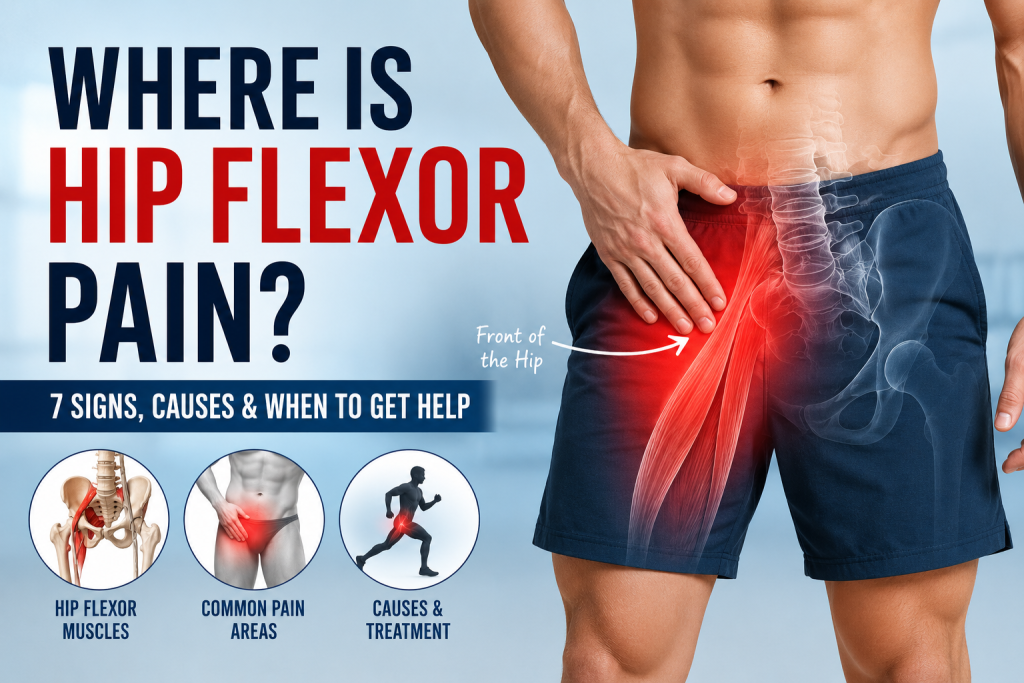
Where Is Hip Flexor Pain? 7 Signs, Causes & When to Get Help
If you have discomfort around the front of your hip, upper thigh, or groin, you may wonder where it is actually coming from. Hip flexor problems are common after running, kicking, sudden changes of direction, intense workouts, or repeated movements. However, pain in this region is not always caused by a hip flexor strain. Other muscles, joints, nerves, and abdominal or pelvic structures can create similar symptoms.
Where Is Hip Flexor Pain? In most cases, it is felt at the front of the hip where the upper thigh meets the pelvis. Some people notice the discomfort in the groin or upper thigh, while others feel tenderness when lifting the knee or taking a long stride. The exact location and pattern can provide clues, but only a qualified healthcare professional can determine the cause.
This guide explains the typical location of hip flexor pain, common symptoms, possible causes, how it is evaluated, practical recovery strategies, and when medical care is important.
Where Is Hip Flexor Pain Usually Felt?
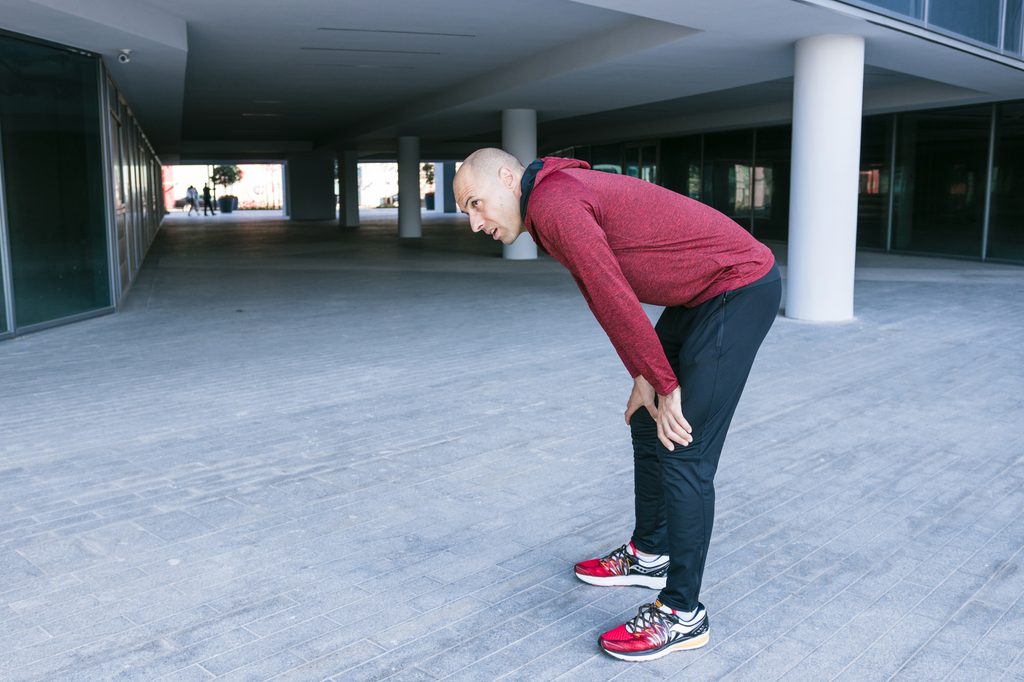
The hip flexors are a group of muscles located toward the front of the hip. They help bring the thigh toward the body and assist with movements such as walking, climbing stairs, running, and getting into or out of a chair.
Where Is Hip Flexor Pain usually felt? A typical hip flexor strain produces discomfort at the front of the hip, particularly around the crease where the thigh meets the pelvis. The pain may also extend into the upper front of the thigh or groin.
You may notice symptoms in one or more of these areas:
- Front of the hip
- Hip crease
- Groin region
- Upper front portion of the thigh
- Area near the lower abdomen and pelvis
The sensation can vary. It may feel like soreness, tightness, tenderness, pulling, or sharper pain during a particular movement. A sudden injury may cause pain immediately, while an overuse problem can develop gradually.
MedlinePlus describes the hip flexors as muscles toward the front of the hip and notes that a strain may be felt in the front area where the thigh meets the hip. Cleveland Clinic also identifies hip flexor strains as a common type of muscle strain.
What Does Hip Flexor Pain Feel Like?
Where Is Hip Flexor Pain easiest to recognize? Location alone is not enough. The way the pain behaves during movement can provide additional clues.
Common sensations include:
1. Pain When Lifting the Knee

You may feel discomfort when raising your knee toward your chest. This movement requires the hip flexors to contract.
2. Pain While Walking or Running
Longer strides, faster walking, sprinting, or uphill movement can increase symptoms because the hip has to move repeatedly.
3. Tenderness at the Front of the Hip

The area may feel sore when touched, particularly after a strain or overuse injury.
4. Tightness
Some people describe a pulling or tight sensation instead of sharp pain. This may be more noticeable after sitting for a long time or following exercise.
5. Reduced Movement
A painful hip can make it difficult to fully extend the leg backward or move through your normal range.
6. Weakness
A more significant strain can make the affected leg feel weaker, especially during activities that require strong hip flexion.
7. Pain After a Sudden Movement
A sudden sprint, kick, jump, change of direction, or awkward movement can cause an acute strain. More significant injuries may be accompanied by swelling, bruising, or difficulty moving the hip. Muscle strains can cause pain, weakness, swelling, bruising, and reduced movement depending on their severity.
What Causes Hip Flexor Pain?

Where Is Hip Flexor Pain likely to appear after an injury? It depends on which tissue is affected and how the injury occurred. A hip flexor strain happens when one or more muscles are overstretched or torn.
Common triggers include:
- Sprinting or running quickly
- Kicking
- Jumping
- Sudden changes of direction
- Repetitive exercise
- Increasing workout intensity too quickly
- Exercising without an appropriate warm-up
- Falls or direct trauma
- Muscle weakness or stiffness
Athletes involved in soccer, football, hockey, martial arts, and running may be exposed to repeated hip-flexor demands. However, you do not have to be an athlete to develop a strain. A sudden increase in physical activity can place more stress on muscles that are not prepared for it.
Muscle strains can also develop from overuse. Repeated loading without enough recovery may gradually irritate muscle tissue. Sudden movements such as sprinting, kicking, and changing direction are recognized triggers for hip flexor strains.
Hip Flexor Pain vs. Other Hip or Groin Pain
One of the most important things to understand is that pain at the front of the hip does not automatically mean a hip flexor injury.
Where Is Hip Flexor Pain compared with other common sources of discomfort? A hip flexor problem is often located toward the front of the hip or hip crease, but symptoms can overlap with other conditions.
Possible alternatives include:
Groin Muscle Strain
Adductor muscles are located on the inner thigh and can cause groin pain after sudden movements or sports. A groin strain may feel sharp, pulling, or tender.
Hip Joint Problems
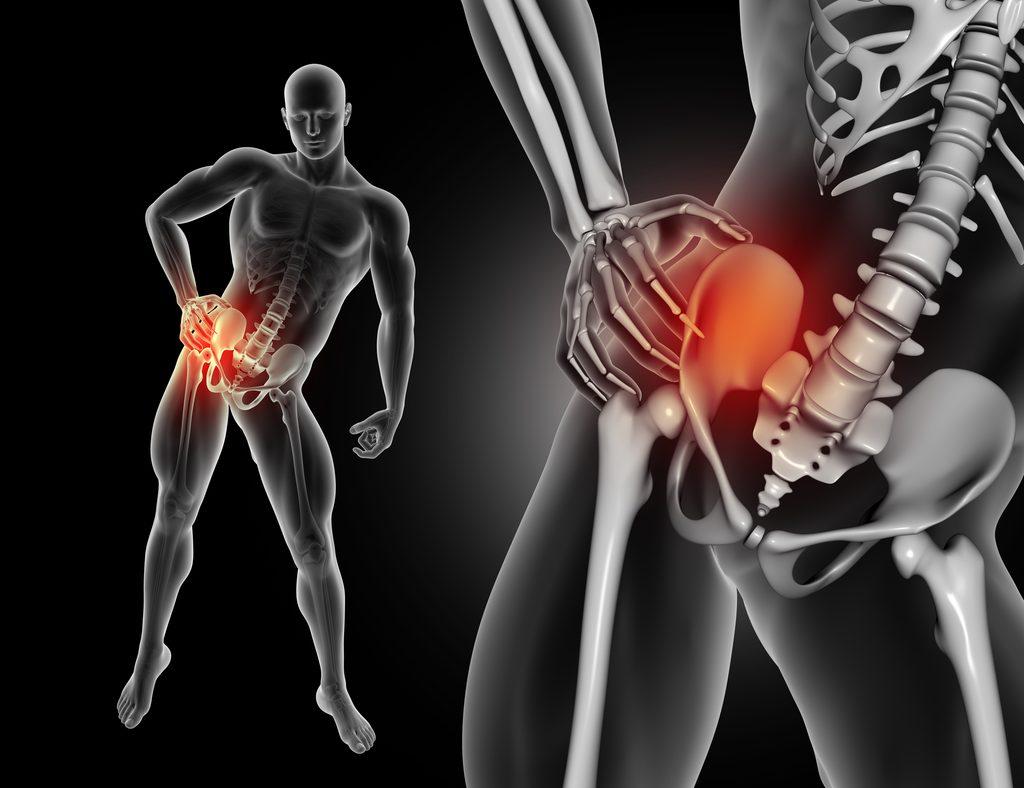
Conditions involving the hip joint may produce deep pain in the groin or hip. Some people may also notice stiffness, clicking, or reduced mobility.
Bursitis
Inflammation around the hip can cause pain that is more noticeable on the outer side of the hip rather than the front.
Nerve-Related Pain
Irritation of a nerve in the back or pelvis can sometimes cause pain that travels into the hip or leg. Numbness, tingling, burning, or weakness can be clues that the problem may involve nerves.
Hernia or Abdominal Causes
Groin discomfort can sometimes come from a hernia or another abdominal or pelvic condition. Pain that increases with coughing, straining, or certain abdominal movements should be evaluated rather than automatically labeled a muscle strain.
Because these conditions can overlap, persistent or severe symptoms deserve professional assessment. Groin pain has many possible causes, including muscle strains, hip conditions, hernias, and nerve-related problems.
How Is Hip Flexor Pain Diagnosed?
Where Is Hip Flexor Pain identified during an evaluation? A clinician usually considers more than the location of discomfort. They may ask when the pain started, what activity caused it, which movements make it worse, and whether symptoms spread elsewhere.
A physical examination may include checking:
- Hip range of motion
- Muscle strength
- Tenderness
- Walking pattern
- Pain during resisted movements
- The back, pelvis, hip, and surrounding muscles
If the injury is severe, the diagnosis is unclear, or another condition needs to be ruled out, imaging such as an X-ray, ultrasound, or MRI may sometimes be considered.
You should not rely on location alone to diagnose yourself. A healthcare professional can distinguish a muscle strain from other potential causes. Evaluation may involve a physical examination and, when appropriate, imaging to investigate muscle, tendon, bone, or joint problems.
How Can You Relieve Hip Flexor Pain?
Where Is Hip Flexor Pain managed most effectively? Treatment depends on the underlying cause and severity. For a mild muscle strain, reducing activities that aggravate symptoms can be an important first step.
1. Reduce Aggravating Activity
Temporarily stop or modify movements that clearly increase pain. This does not necessarily mean staying completely still. Gentle movement may be appropriate as symptoms settle.
2. Use Cold Therapy After an Acute Injury
A wrapped cold pack may help reduce discomfort during the early stage of an injury. Avoid placing ice directly against the skin.
3. Gradually Restore Movement
Once acute pain begins to settle, gentle mobility can help you return to normal movement. Avoid forcing a painful stretch.
4. Progress to Strengthening
A physical therapist can help develop a gradual strengthening program based on your symptoms, activity level, and recovery stage. Exercises may target the hip flexors, glutes, core, and other supporting muscles.
5. Return to Sport Gradually
Do not immediately return to sprinting, kicking, jumping, or intense training simply because the pain has improved. Strength and movement should be restored progressively.
Cleveland Clinic notes that most hip flexor strains can be managed conservatively, while severe strains may require additional medical treatment.
Exercises That May Help
Where Is Hip Flexor Pain affected by exercise? The right exercises can support recovery, but the best program depends on the cause and severity of the problem.
A healthcare professional may recommend gentle exercises such as:
- Comfortable hip range-of-motion movements
- Gentle hip-flexor stretching when appropriate
- Glute strengthening
- Core stability exercises
- Controlled leg raises during later rehabilitation
- Functional exercises that gradually resemble your normal activities
The goal is not to push through sharp pain. Rehabilitation should progress according to symptoms, strength, and movement quality.
If an exercise causes increasing pain during the activity or leaves you significantly worse afterward, stop and seek professional guidance. Physical therapy may be used during recovery to gradually restore movement and strength after a muscle strain.
When Should You See a Healthcare Professional?
Where Is Hip Flexor Pain a reason to seek care? The location itself is less important than the severity, duration, and associated symptoms.
Consider getting evaluated if:
- Pain is severe or sudden
- You heard or felt a pop during an injury
- You cannot move your hip normally
- You have significant swelling or bruising
- You cannot walk safely
- Symptoms are getting worse instead of better
- Pain continues despite reducing aggravating activity
- You develop numbness, tingling, or weakness
- The pain repeatedly returns when you resume exercise
Severe muscle injuries can require more detailed assessment. Cleveland Clinic advises medical evaluation when a strain appears severe, fails to improve, or produces new nerve-related symptoms.
Seek urgent medical attention for severe symptoms, inability to move the leg, major swelling, significant trauma, or concerning symptoms such as sudden weakness or numbness. Groin or hip pain can occasionally have causes that are unrelated to a simple muscle strain.
Can Hip Flexor Problems Be Prevented?
Where Is Hip Flexor Pain prevented most effectively? Prevention focuses on preparing the body for activity and increasing training demands gradually.
Helpful habits include warming up before intense exercise, improving overall strength, maintaining mobility, allowing adequate recovery, and avoiding sudden jumps in training volume or intensity.
For athletes, a structured strength and conditioning program can help prepare the muscles for sprinting, kicking, jumping, and rapid changes of direction.
It is also useful to pay attention to early symptoms. Mild tightness or soreness that repeatedly appears during training should not always be ignored. Adjusting activity early may reduce the chance of turning a manageable problem into a longer-lasting injury.
Frequently Asked Questions
Where Is Hip Flexor Pain usually located?
It is commonly felt at the front of the hip, especially around the hip crease where the upper thigh meets the pelvis. It can sometimes extend into the groin or upper front thigh.
Can Hip Flexor Pain Feel Like Groin Pain?
Yes. The hip flexor region is close to the groin, so symptoms can overlap. However, groin pain has many possible causes, including muscle strains and non-musculoskeletal conditions.
Can Walking Make Hip Flexor Pain Worse?
It can. Walking repeatedly moves the hip and may aggravate an irritated or strained muscle, particularly when taking longer or faster steps.
Is Stretching Enough to Fix a Hip Flexor Strain?
Not necessarily. Stretching may be appropriate during certain stages, but recovery can also involve activity modification, gradual strengthening, mobility work, and a controlled return to normal activity.
How Long Does a Hip Flexor Strain Take to Heal?
Recovery time varies according to the severity of the injury. Mild strains may improve relatively quickly, while more significant or repeated injuries can take longer. A healthcare professional can give you a more individualized estimate after an examination.
Should I Exercise With Hip Flexor Pain?
Avoid exercises that clearly worsen your symptoms. Gentle, pain-limited movement may be appropriate, but the correct level of activity depends on the cause and severity of the problem.
Final Thoughts
Where Is Hip Flexor Pain? Most commonly, discomfort from a hip flexor problem is located at the front of the hip or hip crease, where the upper thigh meets the pelvis. It may also be felt in the groin or upper thigh, particularly during movements that require the hip flexors to work.
Still, location alone cannot confirm a diagnosis. Hip, groin, nerve, abdominal, and other conditions can produce similar symptoms. If your pain is severe, persistent, worsening, or associated with weakness, numbness, major swelling, or difficulty walking, professional evaluation is important.
For a suspected mild strain, reducing aggravating activity and gradually returning to movement can support recovery. A physical therapist can also help identify contributing movement or strength issues and create a safe rehabilitation plan tailored to your needs.