VitalPhysioCare: 7 Powerful Physiotherapy & Health Benefits You Should Know
Good physical health is an important part of living an active, comfortable, and independent life. Whether you are dealing with back pain, neck stiffness, joint discomfort, muscle weakness, or recovering from an injury, physiotherapy can play an important role in improving movement and supporting recovery. VitalPhysioCare is focused on providing useful, easy-to-understand information about physiotherapy, exercise, pain management, mobility, and general wellness.
Physiotherapy is not only about treating an injury after it happens. It can also help people improve strength, flexibility, balance, posture, and movement patterns. A well-designed exercise and rehabilitation program may help people return to everyday activities and maintain better physical function.
In this guide, we will discuss 7 powerful physiotherapy and health benefits, explain how physiotherapy works, and explore simple ways to support your physical well-being.
What Is Physiotherapy?
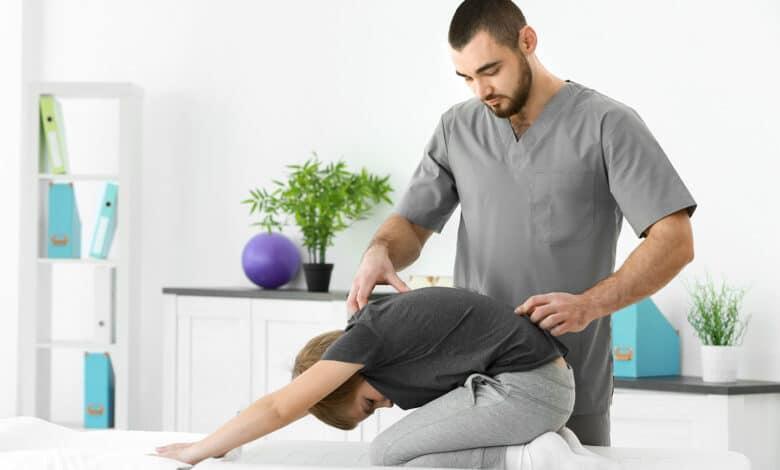
Physiotherapy is a healthcare approach that focuses on improving movement and physical function. Physiotherapists use different techniques depending on a person’s condition, symptoms, age, activity level, and goals.
Treatment may include therapeutic exercises, stretching, movement training, manual techniques, education, and advice about activity modification. The exact treatment plan varies from person to person.
At VitalPhysioCare, our goal is to make physiotherapy and health information easier to understand so readers can make informed decisions about their physical well-being.
Physiotherapy may be useful for people recovering from sports injuries, surgery, muscle strains, joint problems, or certain long-term conditions. It can also be helpful for people who simply want to improve mobility, strength, and physical function.
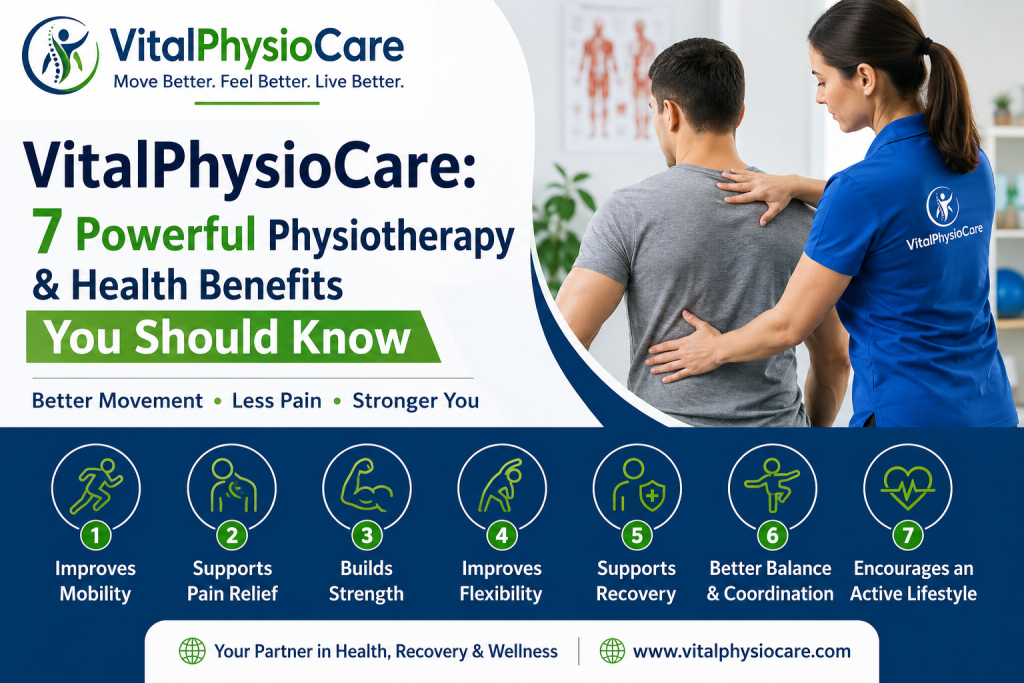
7 Powerful Physiotherapy & Health Benefits
1. Physiotherapy Can Help Improve Mobility
One of the major benefits of physiotherapy is supporting better movement. Pain, injury, prolonged inactivity, or stiffness can make ordinary activities difficult.
For example, someone with knee discomfort may find it difficult to walk upstairs, squat, or stand from a chair. Someone experiencing back stiffness may have difficulty bending, sitting, or getting out of bed.
A physiotherapy program may include controlled movements and exercises designed to improve flexibility, strength, coordination, and functional movement.
Improved mobility can make everyday activities more comfortable and may help people remain active.
However, exercises should be appropriate for the individual’s condition. Performing an exercise incorrectly or choosing an unsuitable exercise may make some symptoms worse.
2. Physiotherapy Can Support Pain Management
Pain is one of the most common reasons people seek physiotherapy.
Musculoskeletal pain can affect the back, neck, shoulders, hips, knees, ankles, wrists, and other parts of the body. Depending on the cause, physiotherapy may help by improving movement, strengthening muscles, addressing physical limitations, and teaching strategies for managing activities.
For example, people with certain types of back pain may benefit from strengthening exercises and education about gradually returning to normal activity.
Physiotherapy does not mean that every type of pain can be solved through exercise alone. Persistent, severe, or unexplained pain should be evaluated by an appropriate healthcare professional.
VitalPhysioCare encourages readers to understand the possible causes of pain rather than simply ignoring symptoms.
3. Physiotherapy Can Build Strength
Muscle weakness can develop after an injury, surgery, illness, prolonged inactivity, or periods of reduced movement.
Weak muscles may affect balance and make everyday tasks more challenging. A physiotherapist can assess movement and recommend suitable strengthening exercises.
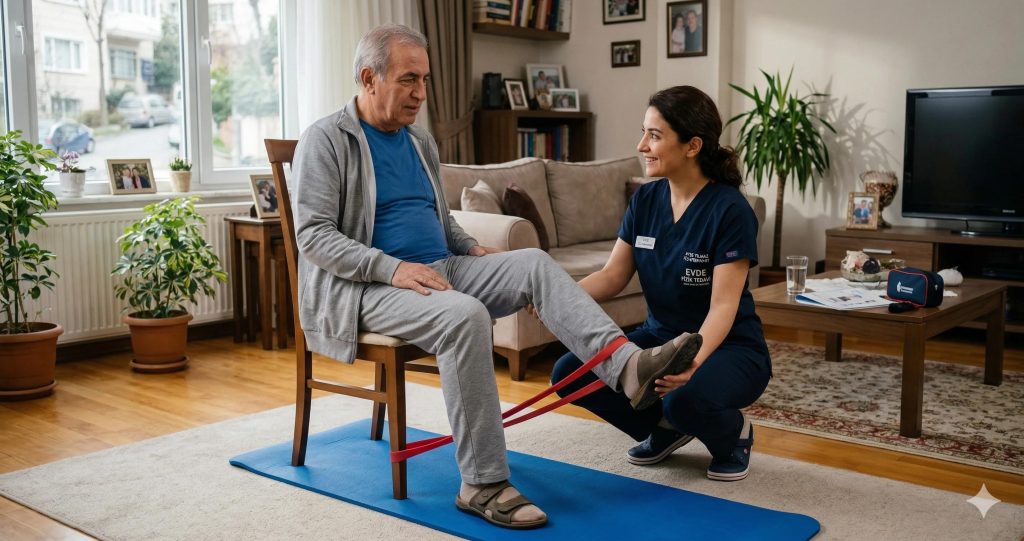
Strength training can involve bodyweight movements, resistance bands, weights, or other forms of resistance depending on a person’s needs and fitness level.
A gradual approach is generally important. Starting with exercises that are too difficult can lead to excessive soreness or aggravation of symptoms.
Examples of strengthening exercises may include:
- Squats or supported squats
- Bridges
- Calf raises
- Step-ups
- Resistance-band exercises
- Core strengthening exercises
- Shoulder strengthening movements
The correct exercise, number of repetitions, and resistance depend on the individual’s goals and physical condition.
4. Physiotherapy Can Improve Flexibility
Limited flexibility can affect movement and make certain activities uncomfortable.
Stretching and mobility exercises may help improve the range of motion of specific joints and muscles. A physiotherapy program may combine stretching with strengthening because flexibility and strength often work together to support effective movement.
For example, a person with tight muscles around the hips may have difficulty performing certain movements. Appropriate mobility exercises may help improve movement quality.
It is important not to force a stretch into sharp or severe pain. Gentle, controlled movement is usually more appropriate than aggressive stretching.
VitalPhysioCare provides educational information about exercises and mobility, but individual exercise programs should be adapted to personal needs.
5. Physiotherapy Can Support Recovery After Injury
Injuries can temporarily affect strength, movement, confidence, and daily activities.
Whether an injury occurs during exercise, sports, work, or normal daily activities, rehabilitation can be an important part of recovery.
Depending on the injury, rehabilitation may progress through several stages. Early treatment may focus on controlling symptoms and maintaining safe movement. Later stages may focus on restoring strength, flexibility, balance, coordination, and functional abilities.
For athletes, rehabilitation may eventually include sport-specific movements and gradual return-to-activity planning.
The recovery period varies considerably. A minor injury may improve relatively quickly, while more serious injuries can require longer rehabilitation.
Following a structured rehabilitation plan can help people return to activity in a controlled manner.
6. Physiotherapy Can Support Better Balance and Coordination
Balance becomes particularly important as people age, but balance and coordination are also relevant for athletes and people recovering from injuries.
Weakness, joint problems, reduced mobility, neurological conditions, or previous injuries can affect balance.
Physiotherapy may include balance exercises designed around the person’s abilities. These exercises can range from simple weight-shifting movements to more challenging activities.
Examples may include:
- Standing with support
- Heel-to-toe walking
- Controlled weight shifting
- Single-leg balance exercises
- Step exercises
- Functional movement training
Balance exercises should be performed safely, particularly when someone has a history of falls or significant balance problems.
If you are at risk of falling, avoid challenging balance exercises without appropriate supervision.
7. Physiotherapy Can Encourage a More Active Lifestyle
Regular physical activity is an important part of overall health. However, pain or movement limitations can make people less active.
Physiotherapy may help people understand how to move safely and gradually increase their activity.
Instead of suddenly starting intense exercise, people can often benefit from progressive activity. Walking, mobility exercises, strengthening, and other suitable activities can become part of a healthy routine.
The goal is not necessarily to perform intense workouts every day. Consistent movement that matches your ability and health status can be more sustainable.
Who Can Benefit From Physiotherapy?
Physiotherapy can be useful for many different people.
Some common groups include:
- People with back or neck pain
- Individuals recovering from injuries
- Athletes
- Older adults experiencing mobility limitations
- People recovering after certain surgeries
- Individuals with muscle weakness
- People with joint stiffness
- Workers experiencing work-related musculoskeletal problems
- People who want to improve physical function
The appropriate treatment depends on the person’s condition.
For some symptoms, physiotherapy may be appropriate. For others, medical evaluation may be necessary first.
Common Conditions Physiotherapy May Address
Physiotherapy is commonly associated with musculoskeletal problems involving muscles, joints, bones, and movement.
Examples include back pain, neck pain, shoulder discomfort, knee problems, ankle injuries, muscle strains, sports injuries, and mobility limitations.
Some physiotherapy professionals also work with neurological, respiratory, pediatric, or other specialized conditions.
Because physiotherapy covers a wide range of healthcare areas, treatment methods can vary considerably.
A professional assessment can help determine whether physiotherapy is suitable for a particular problem.
The Importance of Exercise in Physiotherapy
Exercise is often an important component of rehabilitation.
Therapeutic exercises are selected according to an individual’s symptoms, physical abilities, and goals. They may focus on strength, flexibility, endurance, balance, coordination, or functional movement.
An exercise program should generally progress gradually.
For example, someone recovering from an injury might initially perform simple movements. As strength and confidence improve, exercises can become more challenging.
Consistency is also important. Doing exercises occasionally may not provide the same benefits as following an appropriate program consistently.
However, more exercise is not always better. Recovery periods are also important, particularly after demanding physical activity.
How to Make Physiotherapy More Effective
There are several ways to support a successful rehabilitation program.
Follow Your Exercise Plan
If a healthcare professional provides specific exercises, follow the recommended frequency and technique.
Avoid adding significantly more repetitions or resistance without guidance if you are recovering from an injury.
Pay Attention to Your Symptoms
Some mild muscle fatigue can occur after exercise, but new or worsening symptoms should not automatically be ignored.
If an exercise consistently causes significant pain, discuss it with a qualified healthcare professional.
Stay Active Within Your Limits
Complete inactivity is not always necessary for recovery. Depending on the condition, maintaining safe movement may support physical function.
Your appropriate activity level depends on your individual circumstances.
Improve Your Daily Habits
Posture, sitting habits, sleep, lifting techniques, footwear, workstation setup, and general activity can influence how your body feels.
Small changes to daily habits may complement a rehabilitation program.
Be Patient With Recovery
Recovery does not always happen in a straight line.
Some days may feel better than others. Progress may involve small improvements in movement, strength, confidence, or tolerance for activity.
A gradual approach can be more sustainable than trying to recover too quickly.
Physiotherapy and Healthy Aging
Maintaining physical function becomes increasingly important with age.
Strength, balance, flexibility, and mobility can help older adults remain independent and participate in daily activities.
Regular physical activity can also support general health.
Physiotherapy may be useful when an older adult experiences movement limitations, balance concerns, or recovery needs after an injury or medical procedure.
Exercise programs for older adults should be adapted to individual abilities and safety requirements.
Physiotherapy for Desk Workers
Long periods of sitting can contribute to stiffness and discomfort, particularly when combined with limited physical activity.
Desk workers can benefit from regular movement breaks, appropriate workstation setup, and exercises that support strength and mobility.
Simple habits may include standing periodically, walking during breaks, changing positions, and performing comfortable mobility exercises.
If persistent neck, shoulder, or back pain develops, professional assessment may help identify contributing factors.
When Should You Seek Professional Help?
Not every ache requires professional treatment, but certain symptoms should not be ignored.
Consider seeking medical or physiotherapy advice when pain:
- Persists or repeatedly returns
- Interferes with sleep
- Limits normal daily activities
- Develops after an injury
- Is associated with significant weakness
- Makes walking or movement difficult
- Continues despite appropriate self-care
Urgent medical attention may be necessary for severe or sudden symptoms, major trauma, loss of bladder or bowel control, significant neurological symptoms, chest pain, severe breathing difficulty, or other emergency warning signs.
When in doubt, professional evaluation is safer than trying to diagnose a serious condition yourself.
Simple Habits for Better Physical Health
You do not need a complicated routine to support your physical health.
Some useful habits include staying physically active, maintaining adequate sleep, eating a balanced diet, drinking enough fluids, taking movement breaks during long periods of sitting, and gradually building strength.
Walking is a simple activity for many people, although the appropriate amount depends on individual health and physical ability.
Strength and mobility exercises can also be incorporated into a weekly routine.
The key is consistency.
Why Reliable Health Information Matters
The internet contains a huge amount of health information, but not everything online is accurate.
Health advice should come from reliable sources and should be appropriate for the individual’s circumstances.
VitalPhysioCare aims to provide educational content covering physiotherapy, exercises, pain, mobility, and wellness in a simple and understandable format.
Educational articles can help you understand health topics, but they should not replace an examination or diagnosis from a qualified healthcare professional.
Frequently Asked Questions
Is physiotherapy only for people with injuries?
No. Physiotherapy can be useful for injury rehabilitation, but it can also support mobility, strength, balance, physical function, and management of certain long-term conditions.
How long does physiotherapy take to work?
There is no single timeline. Recovery depends on the condition, severity, general health, activity level, and consistency with the recommended program.
Can physiotherapy help with back pain?
Physiotherapy can be helpful for many types of back pain, particularly when treatment includes appropriate movement, exercise, education, and gradual return to activity. However, the cause of back pain should be considered.
Can I do physiotherapy exercises at home?
Some exercises can be performed at home, but the appropriate exercises depend on your condition. If you have significant pain or an injury, professional guidance can help ensure exercises are suitable and performed correctly.
Is stretching enough to improve physical health?
Stretching can support flexibility, but overall physical health usually involves multiple components, including strength, aerobic activity, mobility, balance, sleep, and nutrition.
Final Thoughts
Physiotherapy can be a valuable part of maintaining movement, managing certain musculoskeletal problems, recovering from injuries, and improving physical function. Its benefits can extend beyond pain relief to include strength, mobility, flexibility, balance, coordination, and confidence in movement.
The 7 powerful benefits of physiotherapy discussed in this article show why an individualized approach can be useful for people with different physical needs.
Whether you are recovering from an injury, dealing with stiffness, experiencing movement limitations, or simply trying to become more active, understanding your body and adopting healthy movement habits can make a meaningful difference.
VitalPhysioCare is committed to sharing practical and educational information about physiotherapy, health, exercise, and wellness. Always consider your individual health needs, and consult a qualified healthcare professional when symptoms are persistent, severe, or concerning.