Forward Head Posture Exercises: 9 Effective Ways to Improve Neck Alignment
Forward head posture is a common postural pattern in which the head sits farther forward than it should in relation to the shoulders and upper body. It can develop gradually from spending long periods using computers, smartphones, tablets, or other devices.
Although forward head posture may not cause symptoms in everyone, some people experience neck stiffness, upper-back discomfort, headaches, shoulder tension, or fatigue after maintaining the position for extended periods.
The good news is that forward head posture exercises can help improve muscular strength, flexibility, and awareness when performed consistently and correctly. Exercises alone may not completely change posture, however. Daily habits, workstation setup, movement breaks, and professional assessment can also play an important role.
This guide explains nine practical exercises that may help support better neck and upper-body alignment.
What Is Forward Head Posture?
Forward head posture occurs when the head is positioned in front of the body’s usual vertical alignment. Instead of the ears being relatively aligned over the shoulders, the head moves forward.
This position can place additional demand on the muscles and joints around the neck and upper back. The longer someone remains in the position, the more noticeable muscle fatigue or discomfort may become.
Common factors associated with forward head posture include:
- Long periods of computer use
- Frequent smartphone use
- Poor sitting habits
- Limited upper-back mobility
- Weakness of certain neck and upper-back muscles
- Repetitive activities that encourage prolonged forward positioning
Posture is not simply about holding yourself perfectly straight all day. The body naturally moves through different positions. The goal is to develop comfortable movement, adequate strength, and the ability to change positions regularly.
Can Exercises Help Forward Head Posture?
Yes, targeted exercises may help improve the strength, flexibility, and control needed for more comfortable neck and upper-body positioning.
A useful exercise program often combines:
- Deep neck muscle strengthening
- Upper-back strengthening
- Chest stretching
- Thoracic mobility
- Postural awareness
The exercises below are general examples. If you have significant neck pain, numbness, weakness, dizziness, an injury, or symptoms that are getting worse, consult a qualified healthcare professional before beginning an exercise program.
9 Forward Head Posture Exercises
1. Chin Tucks
Chin tucks are one of the most commonly used exercises for improving awareness and control of head and neck positioning.
How to perform it
Sit or stand comfortably with your shoulders relaxed.
Slowly draw your chin backward, as though you are trying to create a small double chin. Do not look downward.
Hold the position for about 3–5 seconds, then relax.
Start with 8–10 repetitions and gradually increase according to your comfort.
Why it may help
Chin tucks can encourage activation of the deep muscles that help stabilize the cervical spine while reducing excessive forward positioning.
The movement should be gentle. Avoid forcefully pushing your head backward.
2. Wall Angels
Wall angels combine shoulder movement with upper-back and postural control.
How to perform it
Stand with your back against a wall.
Keep your head and upper back comfortably supported without forcing them into the wall.
Place your arms against the wall in a goalpost position if comfortable.
Slowly move your arms upward and downward while maintaining controlled movement.
Perform 8–12 repetitions.
Why it may help
Wall angels can encourage better coordination between the shoulders, upper back, and neck.
If your shoulders cannot comfortably reach the wall, do not force the movement.
3. Doorway Chest Stretch
Tight chest muscles can contribute to a rounded shoulder position, which may influence overall upper-body posture.
How to perform it
Stand in a doorway and place your forearms against the door frame.
Step forward gently until you feel a mild stretch across your chest.
Keep your breathing relaxed.
Hold for approximately 20–30 seconds and repeat 2–3 times.
Important tip
A stretch should feel comfortable and controlled. Avoid bouncing or pushing into sharp pain.
4. Thoracic Extension
Limited movement in the upper back can make it more difficult to maintain comfortable neck and shoulder positioning.
How to perform it
Sit on a firm chair with your feet supported.
Place your hands behind your head or across your chest.
Gently extend your upper back over the back of the chair while keeping the movement controlled.
Return to the starting position.
Perform 8–10 repetitions.
Why it may help
Improving thoracic mobility can provide the upper body with more movement options and may reduce the need to compensate through the neck.
5. Scapular Retraction
Scapular retraction exercises focus on the muscles around the shoulder blades.
How to perform it
Sit or stand with your arms relaxed.
Gently draw your shoulder blades backward and slightly downward.
Avoid shrugging your shoulders.
Hold for approximately 3–5 seconds before relaxing.
Repeat 10–15 times.
Why it may help
Stronger and better-coordinated upper-back muscles can support more comfortable shoulder and upper-body positioning.
6. Deep Neck Flexor Exercise
The deep neck flexors help provide stability around the cervical spine.
How to perform it
Lie on your back with your knees bent.
Keep your head relaxed.
Very gently nod your head as though saying “yes,” without lifting your head from the surface.
Hold the gentle contraction for a few seconds.
Relax and repeat 8–10 times.
The movement should be small. Avoid pressing your head aggressively into the floor.
7. Upper Trapezius Stretch
Neck and shoulder muscles can become tense after prolonged computer or phone use.
How to perform it
Sit upright with your shoulders relaxed.
Gently tilt your head toward one shoulder.
You may use your hand to provide very light assistance if comfortable.
Hold for 20–30 seconds.
Repeat on the opposite side.
Safety tip
Do not pull aggressively on your head. Stop if you experience sharp pain, tingling, dizziness, or other unusual symptoms.
8. Resistance Band Row
Resistance band rows can strengthen muscles that support the upper back and shoulder blades.
How to perform it
Secure a resistance band appropriately.
Hold the handles or ends with both hands.
Pull the band toward your body while gently bringing your shoulder blades together.
Keep your shoulders away from your ears.
Slowly return to the starting position.
Perform 8–12 controlled repetitions.
Why it may help
Strengthening the upper back can complement neck-focused exercises by improving overall upper-body muscular control.
9. Posture Reset Exercise
Sometimes the simplest exercise is practicing a comfortable neutral position.
How to perform it
Sit or stand comfortably.
Relax your shoulders.
Keep your chin gently drawn backward rather than pointing your chin upward.
Allow your upper back to remain naturally positioned.
Take several slow breaths while maintaining the comfortable position.
Practice for 20–30 seconds, several times throughout the day.
Why it matters
Posture is also a habit. Regularly practicing comfortable alignment can help you become more aware of how you position your head, neck, and shoulders.
How Often Should You Do Forward Head Posture Exercises?
Consistency is generally more useful than doing a large number of exercises occasionally.
For many people, a short routine performed several times per week may be easier to maintain than a long session once every few weeks.
A simple starting routine could include:
- Chin tucks
- Wall angels
- Doorway chest stretch
- Scapular retractions
- Thoracic extensions
Perform the movements slowly and focus on quality rather than simply completing a high number of repetitions.
If an exercise causes increasing pain or other concerning symptoms, stop and seek professional advice.
Forward Head Posture and Smartphone Use
Smartphones can encourage prolonged periods of looking downward. However, the problem is usually not one specific posture but spending too much time in one position without moving.
Try holding your phone closer to eye level when practical.
You can also:
- Change positions regularly
- Take short movement breaks
- Avoid prolonged static sitting
- Support your arms when using a device
- Alternate between sitting and standing when possible
Small changes repeated throughout the day can be easier to maintain than trying to hold a “perfect” posture continuously.
How to Improve Your Desk Setup
Your workstation can influence how often your head and shoulders move into uncomfortable positions.
Consider placing your monitor so you can view it without repeatedly bending your neck downward.
Your keyboard and mouse should be positioned so your shoulders can remain relaxed.
If you work for long periods at a desk, consider taking brief movement breaks rather than staying completely still for hours.
The goal is not to create a rigid posture. Instead, create a workspace that allows comfortable movement and regular position changes.
When Should You See a Physiotherapist?
Exercises may be appropriate for many people with mild posture-related discomfort, but persistent symptoms deserve professional assessment.
Consider speaking with a physiotherapist or another qualified healthcare professional if you experience:
- Persistent or worsening neck pain
- Significant headaches associated with neck symptoms
- Numbness or tingling in the arms or hands
- Weakness
- Loss of coordination
- Pain following an accident or injury
- Dizziness associated with neck movement
- Symptoms that interfere with normal daily activities
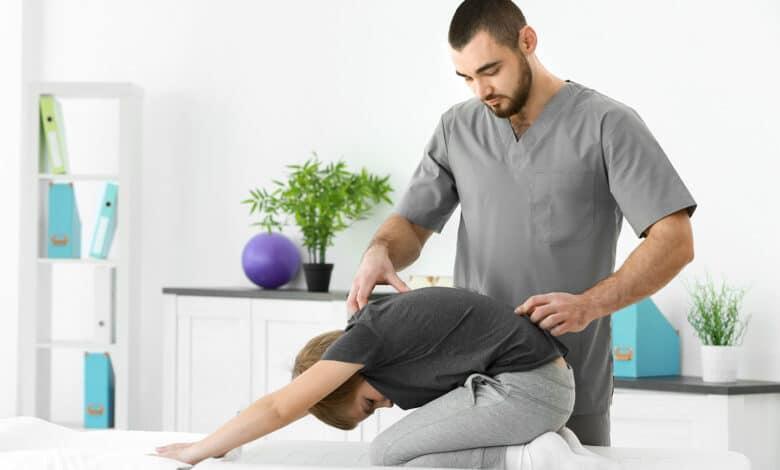
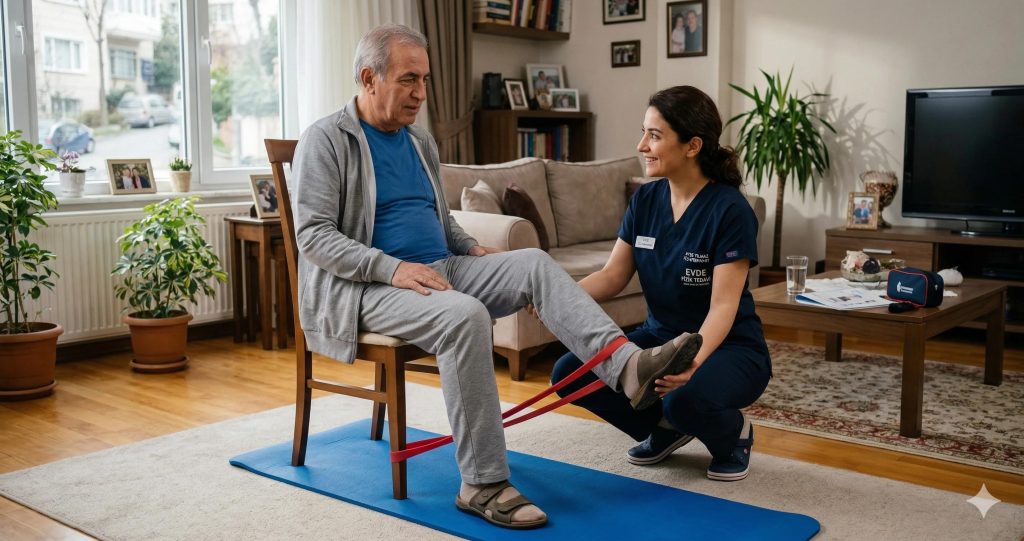
A physiotherapist can assess your neck, upper back, shoulders, movement patterns, strength, and flexibility and develop an individualized exercise program.
Final Thoughts
Forward head posture can develop gradually through everyday habits, particularly when someone spends long periods sitting or using digital devices. Fortunately, improving posture does not necessarily require complicated equipment or intense workouts.
Exercises such as chin tucks, wall angels, thoracic extensions, chest stretches, scapular retractions, and resistance-band rows can help develop the strength, mobility, and awareness needed for better neck and upper-body control.
The most important part is consistency. Combine forward head posture exercises with regular movement breaks, a comfortable workstation, and good awareness of your daily habits.
If you have persistent pain, neurological symptoms, or a history of injury, professional assessment is more appropriate than relying solely on general exercises.