Paleo Diet: The Ultimate Guide to Benefits, Foods & Risks
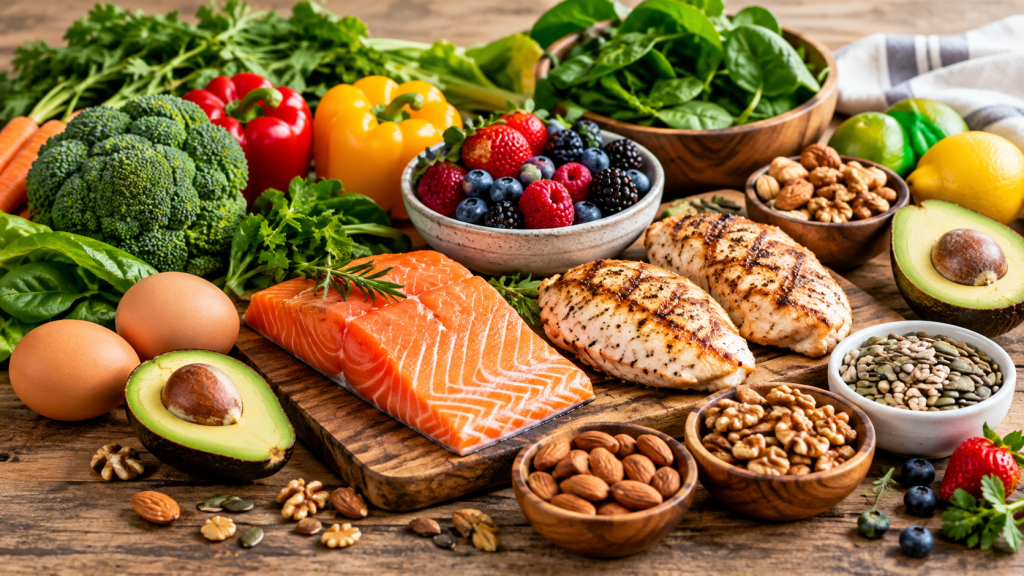
The paleo diet has remained popular because it takes a simple approach to eating: focus on minimally processed foods and reduce foods that became common with modern agriculture and food manufacturing. The diet typically emphasizes vegetables, fruits, nuts, seeds, eggs, fish and meat while limiting grains, legumes, dairy products and highly processed foods.
But is eating like our ancestors necessarily healthier? Not quite that simple.
Some research suggests that a paleo-style eating pattern may improve certain short-term measures such as body weight, blood pressure, cholesterol and triglycerides. However, researchers still need more large, long-term studies to determine the overall health effects and potential risks of following the diet for years.
This guide explains what the paleo diet is, what you can eat, possible benefits and disadvantages, and how to approach it sensibly.
What Is the Paleo Diet?
The paleo diet, short for Paleolithic diet, is based on the idea of eating foods that resemble those available to humans before widespread agriculture.
The Paleolithic period occurred thousands of years before modern farming. Modern versions of the diet attempt to emphasize foods that could theoretically have been obtained through hunting, fishing and gathering.
A typical paleo eating pattern focuses on:
- Vegetables
- Fruits
- Nuts and seeds
- Fish and seafood
- Eggs
- Lean and minimally processed meats
- Certain natural oils
At the same time, strict versions generally exclude grains, legumes, dairy products, refined sugars and many highly processed foods. However, there is no single universally accepted paleo diet. Different versions can have different rules about foods such as potatoes, salt, oils and other ingredients.
Why Has the Paleo Diet Become So Popular?
One reason for the popularity of the paleo diet is its focus on food quality.
Instead of counting every calorie, many versions encourage people to build meals around vegetables, fruit, nuts, seeds, fish, eggs and less-processed protein sources. It also discourages many packaged foods containing large amounts of added sugar and refined ingredients.
That approach can make the diet appealing to people who want a straightforward way to improve their eating habits.
Another attraction is the diet’s connection with the idea of returning to simpler foods. However, the assumption that prehistoric humans followed one standardized diet is too simplistic. Human diets varied considerably depending on geography, climate, available plants and animals, and cultural practices.
Therefore, the modern paleo diet should be viewed as a contemporary dietary pattern inspired by the Paleolithic era, rather than an exact reconstruction of what ancient humans ate.
What Foods Can You Eat on a Paleo Diet?
The foods included can vary between different paleo plans, but many versions emphasize whole or minimally processed foods.
1. Vegetables
Vegetables form an important part of many paleo meals. Leafy greens, broccoli, cauliflower, carrots, peppers, cucumbers, tomatoes and other vegetables can provide fiber, vitamins, minerals and other plant compounds.
Using a variety of vegetables also helps prevent meals from becoming repetitive.
2. Fruits
Most paleo approaches include fruit. Apples, berries, oranges, melons, bananas and other fruits can provide carbohydrates, fiber and micronutrients.
Because fruit contains naturally occurring sugar, people following a paleo plan should still consider overall portions and dietary balance rather than assuming that unlimited amounts are automatically beneficial.
3. Fish and Seafood
Fish can be an important protein source. Fatty fish such as salmon, sardines and mackerel also provide omega-3 fatty acids.
Including different seafood options can make a paleo-style diet more varied and may provide nutrients that are difficult to obtain from a limited selection of foods.
4. Eggs
Eggs are commonly included because they provide protein and several important nutrients. They can be prepared in many ways and combined with vegetables for a simple breakfast or meal.
5. Nuts and Seeds
Almonds, walnuts, chia seeds, flaxseeds and other nuts and seeds are commonly used in paleo-style eating.
They can provide healthy fats, protein, fiber and minerals. However, they are energy-dense, so portion sizes can still matter when weight management is a goal.
6. Minimally Processed Meat
Many paleo plans include poultry and meat. Choosing leaner cuts and varying protein sources can help create a more balanced diet.
The emphasis should ideally be on overall dietary quality rather than assuming that simply eating more meat makes a diet healthier.
What Foods Are Usually Avoided?
A strict paleo diet commonly eliminates or significantly limits several major food groups.
Grains
Wheat, oats, barley, rice and other grains are generally excluded from strict versions of the paleo diet.
This is one of the diet’s biggest differences from many mainstream healthy eating recommendations. Whole grains can provide fiber, vitamins and minerals and are included in many evidence-based healthy dietary patterns.
Legumes
Beans, lentils, chickpeas and peanuts are generally restricted.
This can be challenging because legumes are affordable sources of protein, fiber and other nutrients.
Dairy Products
Milk, cheese, yogurt and other dairy foods are commonly excluded from strict paleo plans.
Removing dairy means people need to pay attention to alternative sources of calcium, vitamin D and protein.
Added Sugars and Highly Processed Foods
Candy, sugary drinks, many packaged snacks, pastries and other highly processed foods are generally discouraged.
This is one of the more reasonable aspects of the paleo approach because reducing heavily processed foods can improve overall dietary quality.
Some Processed Oils and Ingredients
Depending on the version, certain refined oils and heavily processed ingredients may also be limited.
Because definitions vary, it is important to understand the specific version of the diet being followed rather than assuming every paleo plan has identical rules.
Potential Benefits of the Paleo Diet
The possible benefits of a paleo diet are one reason it continues to attract attention.
It Can Encourage More Whole Foods
A major advantage is that the diet encourages fruits, vegetables, nuts, seeds, fish and other minimally processed foods.
This can naturally reduce a person’s intake of foods high in added sugar and refined carbohydrates.
It May Support Weight Management
Some clinical studies have reported reductions in body weight, body mass index or waist measurements among people following paleo-style diets. However, research varies in quality, duration and dietary definitions.
Weight changes may also result from eating fewer highly processed foods, consuming more filling foods or simply reducing total energy intake.
It May Improve Some Cardiometabolic Measures
Research has reported potential improvements in markers such as triglycerides, cholesterol, blood pressure and insulin-related measures in some studies.
A recent systematic review and meta-analysis published in 2026 combined randomized trials and observational studies and reported improvements in several cardiometabolic markers, but this does not mean that paleo has been proven to prevent chronic disease for everyone.
It Can Reduce Highly Processed Food Intake
Perhaps the most practical benefit is behavioral. Someone who previously ate a large amount of packaged snacks, sugary beverages and highly processed meals may improve their overall diet by replacing those foods with vegetables, fruit, fish, eggs, nuts and other minimally processed options.
Potential Disadvantages and Nutritional Concerns
The paleo diet isn’t automatically healthy simply because it emphasizes natural foods.
Missing Important Food Groups
Strict paleo plans eliminate several foods that can be nutritious, including whole grains, legumes and dairy.
Whole grains, for example, provide fiber and nutrients and are associated with several health benefits.
Removing these foods without replacing their nutrients can make a diet less balanced.
Calcium and Vitamin D Can Be a Concern
People who eliminate dairy need to obtain calcium and vitamin D from other foods or, when appropriate, supplements.
Harvard’s Nutrition Source notes that restrictive paleo patterns may make it harder to obtain adequate amounts of nutrients such as calcium, vitamin D, B vitamins and fiber.
It Can Be Expensive
A diet centered heavily on fresh fish, meat, nuts and specialty products can become expensive.
Fortunately, following a whole-food approach doesn’t require expensive products. Seasonal vegetables, frozen produce, eggs and reasonably priced protein sources can make healthy eating more affordable.
It May Be Difficult to Maintain
Strict restrictions can make social meals, restaurants and family dinners more complicated.
A diet that is extremely difficult to maintain may not be as useful in the long term as a flexible eating pattern that a person can realistically follow.
Is the Paleo Diet Good for Everyone?
No single diet is ideal for every person.
Someone with a medical condition, food allergy, nutritional deficiency, pregnancy-related dietary needs or a history of disordered eating should discuss major dietary changes with a qualified healthcare professional.
People who eliminate multiple food groups should also make sure they are replacing the nutrients those foods normally provide.
For many people, the healthier lesson from the paleo diet may be to eat more minimally processed foods rather than to eliminate every food associated with modern agriculture.
Paleo Diet vs. a Balanced Healthy Diet
The paleo diet and other healthy dietary patterns have some important similarities.
Both can emphasize vegetables, fruits, fish, nuts and minimally processed foods.
The major difference is that balanced dietary approaches can include nutritious whole grains, legumes and low-fat dairy products, while strict paleo plans generally exclude them.
Current nutrition guidance continues to recognize whole grains as valuable sources of fiber and nutrients.
This is why you shouldn’t assume that a food is unhealthy simply because it isn’t considered “Paleo.”
How to Follow a Paleo-Style Diet More Sensibly
If you want to experiment with a paleo-style eating pattern, focus on overall nutritional quality.
Build meals around vegetables and fruit, include a variety of protein sources, choose healthy fats, and minimize highly processed foods.
Don’t rely exclusively on meat. Include plenty of plant foods and pay attention to fiber and micronutrient intake.
If you remove dairy, grains or legumes for an extended period, consider how you’ll replace the nutrients they normally provide.
Most importantly, avoid treating the paleo diet as a cure for a disease. It is a dietary pattern, not a medical treatment.
Frequently Asked Questions
Can you lose weight on the paleo diet?
You may lose weight while following a paleo diet, particularly if the diet reduces highly processed foods and overall calorie intake. Research has reported short-term improvements in body weight and other measures, but individual results vary.
Is rice allowed on a paleo diet?
Traditional strict paleo plans generally exclude rice because it is a grain. However, different modern versions of paleo may have different rules.
Are potatoes paleo?
There is disagreement between different paleo approaches about potatoes and other starchy vegetables. Always check the specific version of the diet you are following.
Is the paleo diet healthy?
It can encourage nutritious foods such as vegetables, fruits, fish, nuts and seeds, but strict versions can also exclude nutritious food groups. The overall nutritional balance of the diet matters more than the label.
Is paleo better than a Mediterranean diet?
There isn’t enough evidence to say that paleo is universally better. The Mediterranean diet includes a broader range of foods, including whole grains, legumes and low-fat dairy, and has substantial evidence supporting its health benefits.
The Bottom Line
The paleo diet offers a simple philosophy: prioritize minimally processed foods and reduce highly processed products. Its emphasis on vegetables, fruits, nuts, seeds, fish and other whole foods can be useful for people trying to improve their eating habits.
However, completely eliminating grains, legumes and dairy can make it harder to obtain certain nutrients. Research suggests possible short-term improvements in weight and some cardiometabolic markers, but long-term evidence is still developing.
Rather than following dietary rules blindly, focus on food quality, variety and nutritional adequacy. For people with specific health conditions or nutritional concerns, professional guidance can help determine whether a paleo-style approach is appropriate.