
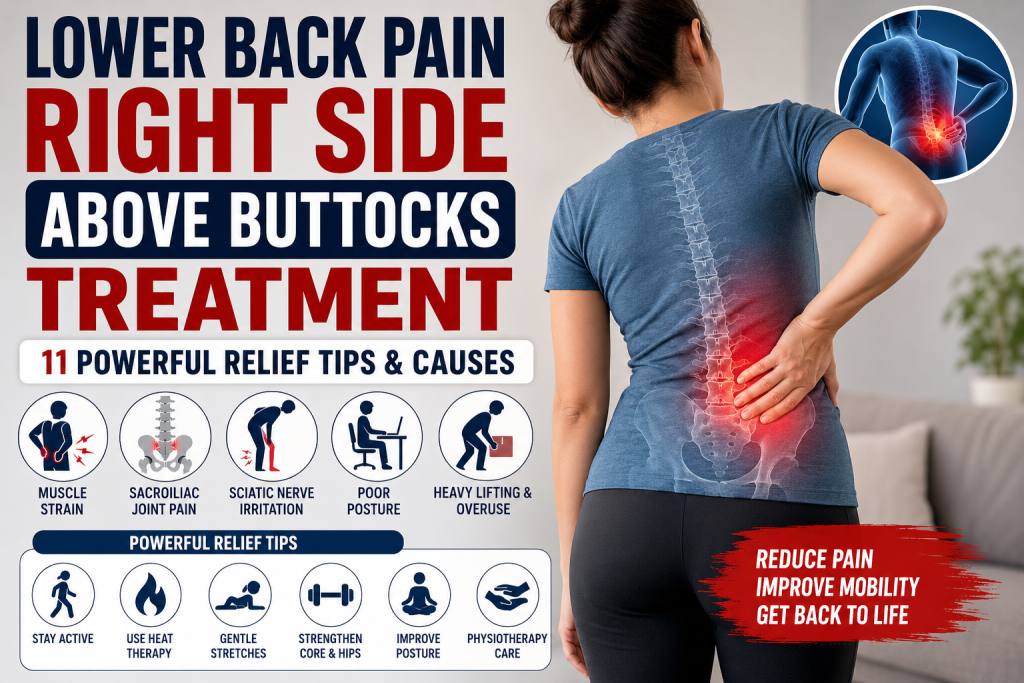
Lower Back Pain Right Side Above Buttocks Treatment: 11 Powerful Relief Tips & Causes
Pain in the lower back just above the right buttock can make walking, sitting, bending, sleeping, and everyday activities uncomfortable. Sometimes the discomfort comes from an irritated muscle or joint, while in other cases it may involve the sacroiliac joint, nerves, hip structures, or another underlying condition. Understanding the possible cause is important before choosing a treatment approach.
This guide explains Lower Back Pain Right Side Above Buttocks Treatment options, common causes, symptoms, helpful exercises, and warning signs that may require medical attention. The information is educational and should not replace an examination by a qualified healthcare professional.
What Does Pain Above the Right Buttock Mean?
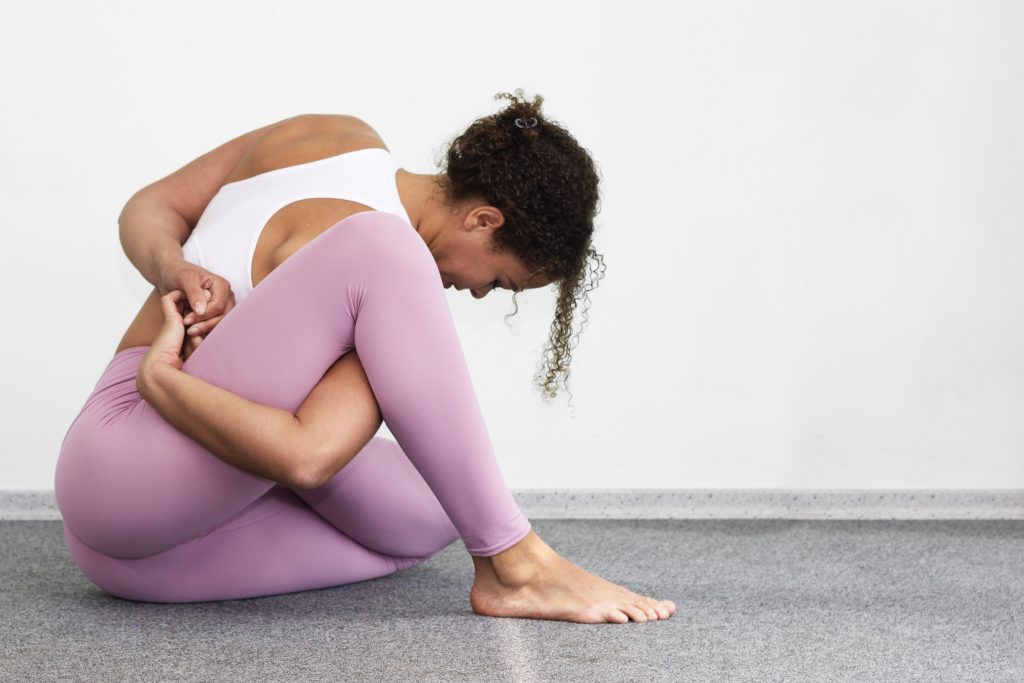
The area above the right buttock contains several structures, including lower-back muscles, the sacroiliac joint, spinal joints, nerves, and tissues surrounding the pelvis. Because several structures are located close together, pain in this region does not always have one obvious cause.
For some people, the pain begins after lifting, twisting, exercising, or sitting for a long time. Others develop symptoms gradually without a clear injury.
The most appropriate Lower Back Pain Right Side Above Buttocks Treatment depends on what is causing the pain, how severe it is, how long it has lasted, and whether other symptoms are present.
11 Common Causes of Right-Sided Lower Back Pain Above the Buttocks
1. Muscle Strain
A strained lower-back muscle is one of the common reasons for localized pain. It can occur after lifting something heavy, making a sudden movement, exercising, or repeatedly bending.
Muscle-related pain may feel sore, tight, or tender. It often becomes more noticeable when using the affected muscles.
For a mild strain, appropriate activity modification, gentle movement, and gradual rehabilitation may be part of Lower Back Pain Right Side Above Buttocks Treatment.
2. Sacroiliac Joint Irritation
The sacroiliac, or SI, joint connects the pelvis with the lower spine. Irritation in this area may cause pain on one side, often around the lower back, upper buttock, or pelvic region.
Some people notice discomfort when climbing stairs, standing from a chair, turning in bed, or standing for extended periods.
Because SI joint symptoms can resemble other types of back pain, a professional assessment can help determine whether the joint is contributing to the problem.
3. Sciatic Nerve Irritation
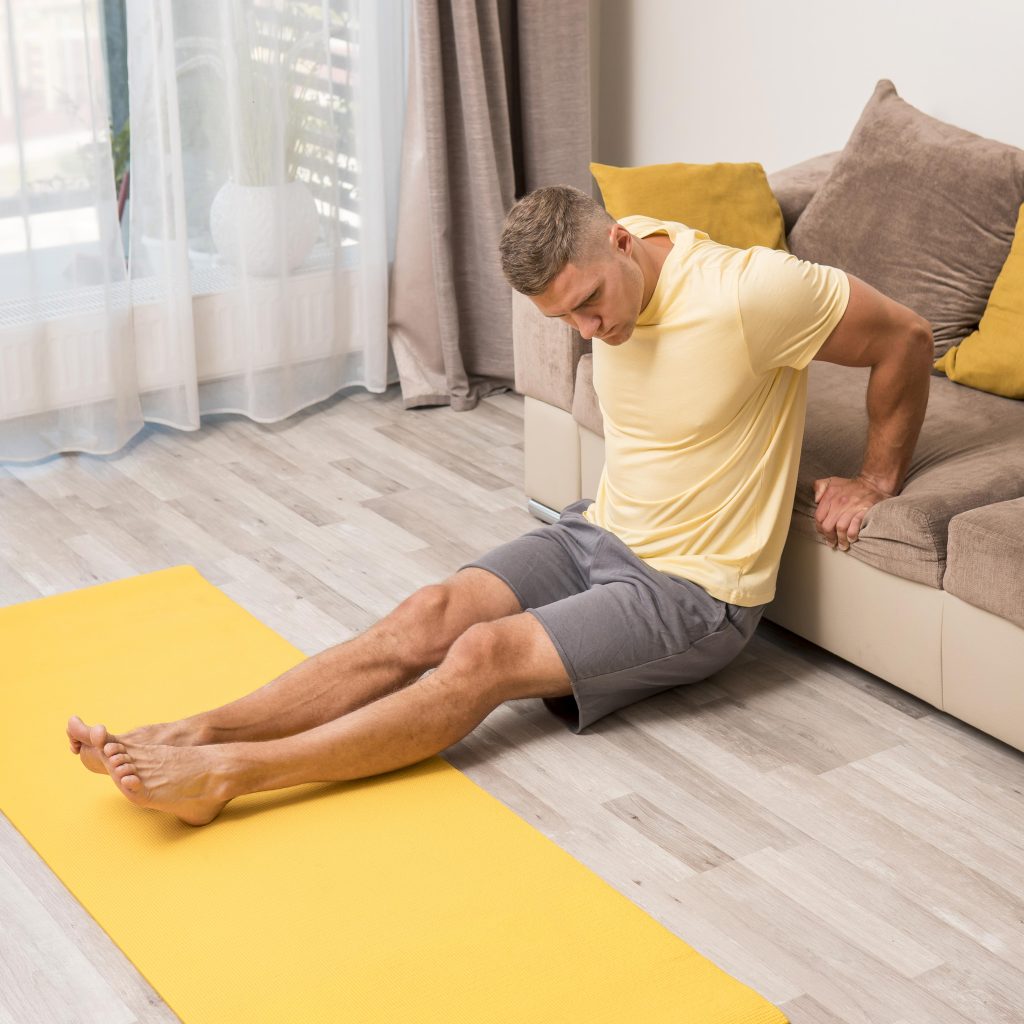
Sciatica refers to symptoms associated with irritation or compression of the sciatic nerve. Pain may begin in the lower back or buttock and travel down the back of the leg.
Nerve-related symptoms can include burning pain, tingling, numbness, or weakness. If these symptoms occur, simply treating the area as a muscle strain may not address the underlying problem.
A healthcare professional can determine whether nerve irritation is present and recommend appropriate Lower Back Pain Right Side Above Buttocks Treatment.
4. Poor Sitting Posture
Spending many hours sitting, especially in a poorly supported position, can contribute to lower-back discomfort.
Slouching or remaining in one position for too long may increase muscular fatigue and stiffness. Working at a computer, driving, or using a phone for prolonged periods can make this problem more noticeable.
Regular movement breaks and a comfortable workstation may help reduce repeated stress on the lower back.
5. Repetitive Lifting or Bending
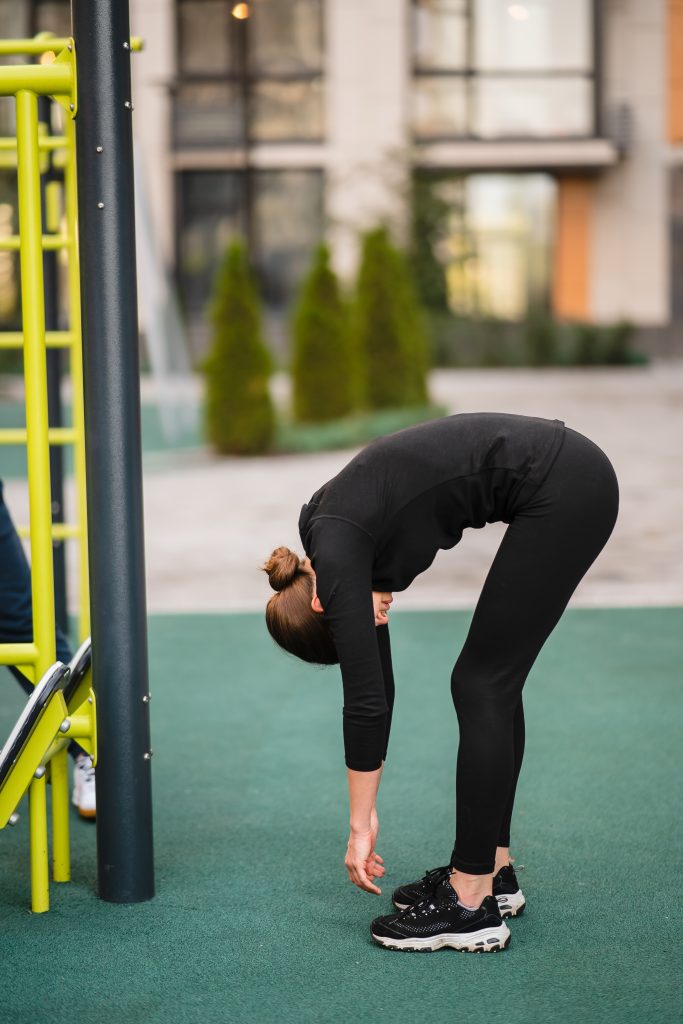
Jobs and activities involving repeated lifting, bending, pushing, or pulling can place considerable stress on the lower back.
The problem may not result from one major injury. Instead, repeated physical demand can gradually cause muscular fatigue and irritation.
Learning safer lifting techniques and increasing strength gradually can help reduce the risk of recurring symptoms.
6. Hip or Pelvic Problems
Pain around the lower back and buttock can sometimes originate from the hip or surrounding pelvic structures.
Limited hip mobility or weakness around the hips may affect movement patterns and increase demand on the lower back. This is why an assessment should consider the hips and pelvis rather than focusing exclusively on the spine.
7. Spinal Joint Irritation
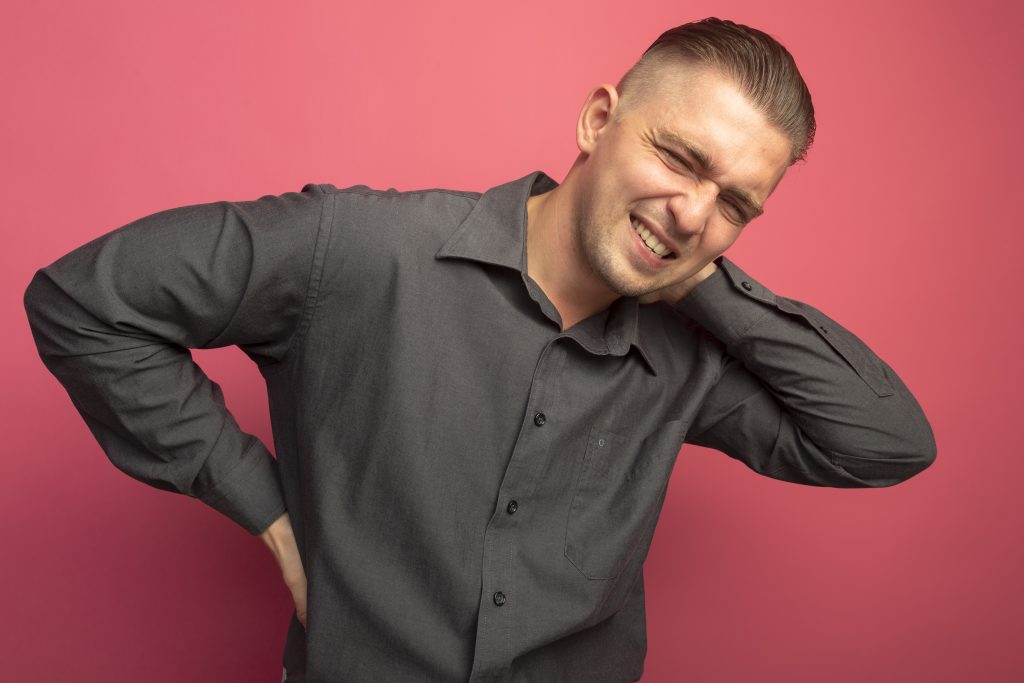
The small joints connecting the vertebrae can become irritated and may produce localized lower-back pain.
Symptoms can sometimes become more noticeable during extension, rotation, prolonged standing, or particular movements.
Treatment depends on the individual’s symptoms and examination findings. Gentle movement, exercise, and physiotherapy may be recommended when appropriate.
8. Disc-Related Problems
The discs between the spinal bones help absorb forces and allow movement. A disc can become irritated or herniated and, in some cases, affect nearby nerves.
Disc-related pain may remain in the back or buttock, but nerve involvement can cause symptoms extending into the leg.
Persistent pain, numbness, tingling, or weakness deserves professional assessment rather than relying solely on home remedies.
9. Muscle Imbalance and Weakness
Weakness in the abdominal, hip, or back muscles can affect how the body handles everyday movements.
This does not mean that every case of back pain is caused by a “weak core.” However, reduced physical capacity can make certain activities more demanding.
Progressive strengthening can be an important part of long-term Lower Back Pain Right Side Above Buttocks Treatment when weakness or reduced conditioning contributes to symptoms.
10. Pregnancy-Related Changes
Pregnancy can change posture, weight distribution, movement patterns, and the way the pelvis and lower back handle physical demands.
These changes may contribute to lower-back or pelvic discomfort, including pain around the buttock region.
Pregnant individuals should discuss persistent or severe pain with their healthcare provider before starting a new exercise or treatment program.
11. Kidney or Other Medical Conditions
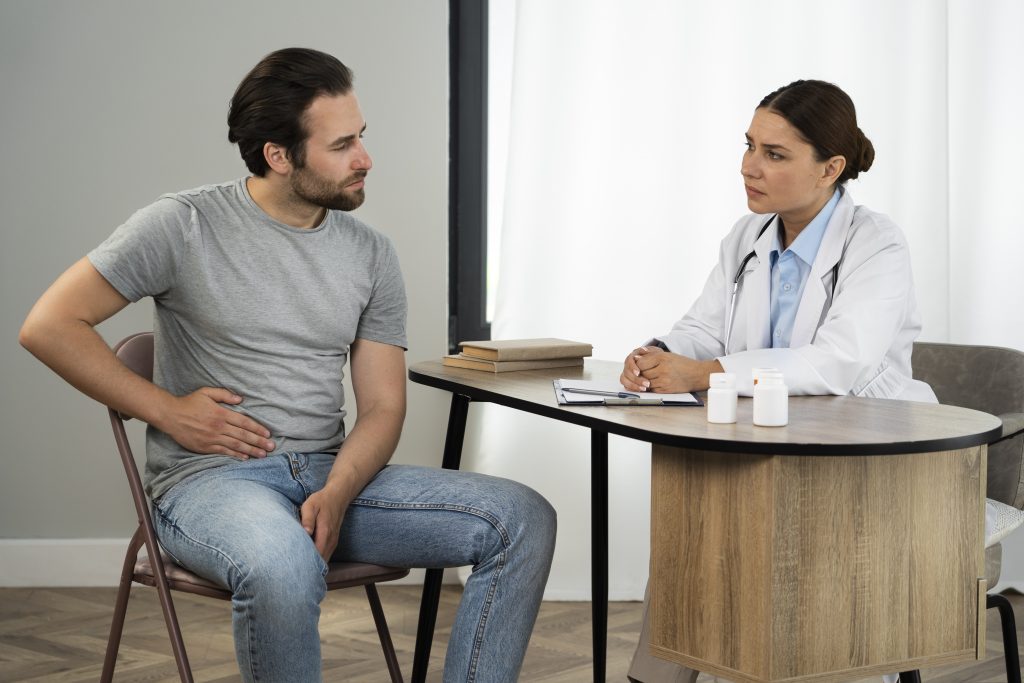
Not every pain felt on the right side of the lower back is caused by the spine or muscles. Certain kidney conditions and other medical problems can cause pain in the flank or back area.
Kidney-related symptoms may be accompanied by fever, urinary changes, nausea, vomiting, or pain that feels different from typical movement-related back pain.
When symptoms suggest a non-musculoskeletal cause, medical evaluation is important.
Symptoms That Can Accompany the Pain
The exact symptoms can vary depending on the underlying cause.
You may experience:
- Localized aching
- Sharp pain during movement
- Muscle tightness
- Buttock discomfort
- Stiffness after sitting
- Pain when bending
- Pain when standing
- Difficulty changing positions
- Tingling or numbness
- Pain extending into the leg
- Reduced mobility
The combination of symptoms is often more useful than one symptom alone when determining an appropriate Lower Back Pain Right Side Above Buttocks Treatment approach.
11 Powerful Relief Tips
1. Keep Moving Gently
For uncomplicated lower-back pain, prolonged bed rest is generally not a good long-term strategy. Gentle movement can help prevent excessive stiffness.
Short walks and comfortable daily activities may be appropriate as long as they do not significantly worsen symptoms.
2. Avoid Activities That Clearly Increase Pain
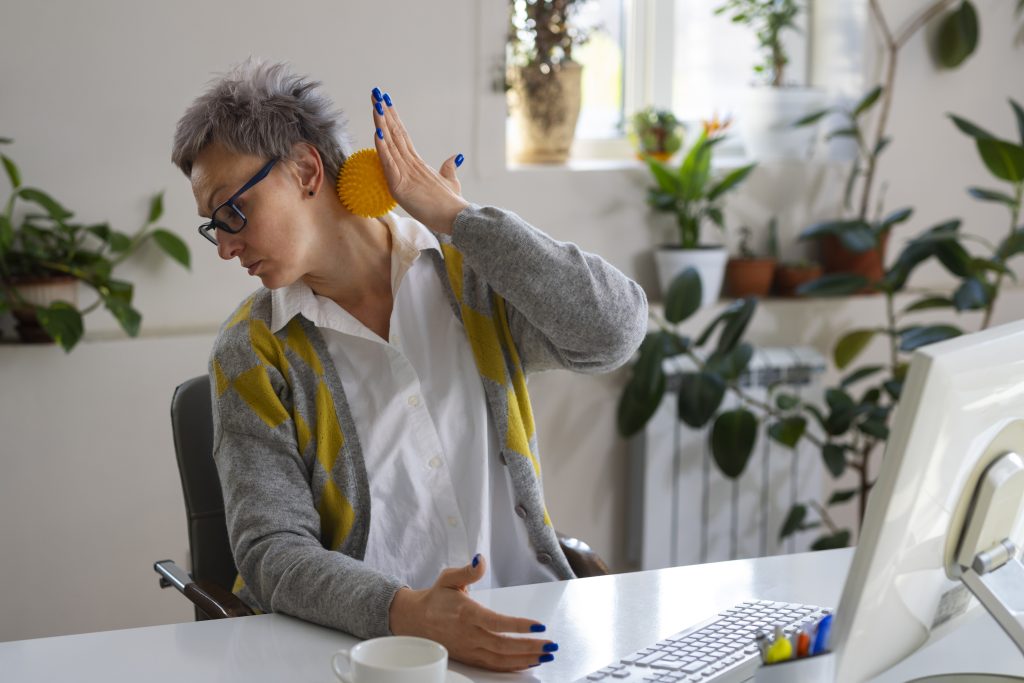
You do not necessarily need to stop all activity. Instead, temporarily reduce movements that consistently aggravate the pain.
For example, if heavy lifting makes symptoms worse, reduce the load while continuing comfortable daily movement.
3. Try Heat for Muscle Stiffness
Some people find warmth helpful when the muscles around the lower back feel tight.
A warm shower or heating pad used safely may provide temporary relief. Avoid excessive heat or direct contact that could irritate the skin.
4. Consider Cold After a Recent Injury
Cold therapy may provide short-term comfort after some acute injuries. Use a protective cloth between the cold source and your skin.
Cold or heat is mainly a comfort strategy; it does not necessarily correct the underlying cause.
5. Improve Your Sitting Habits
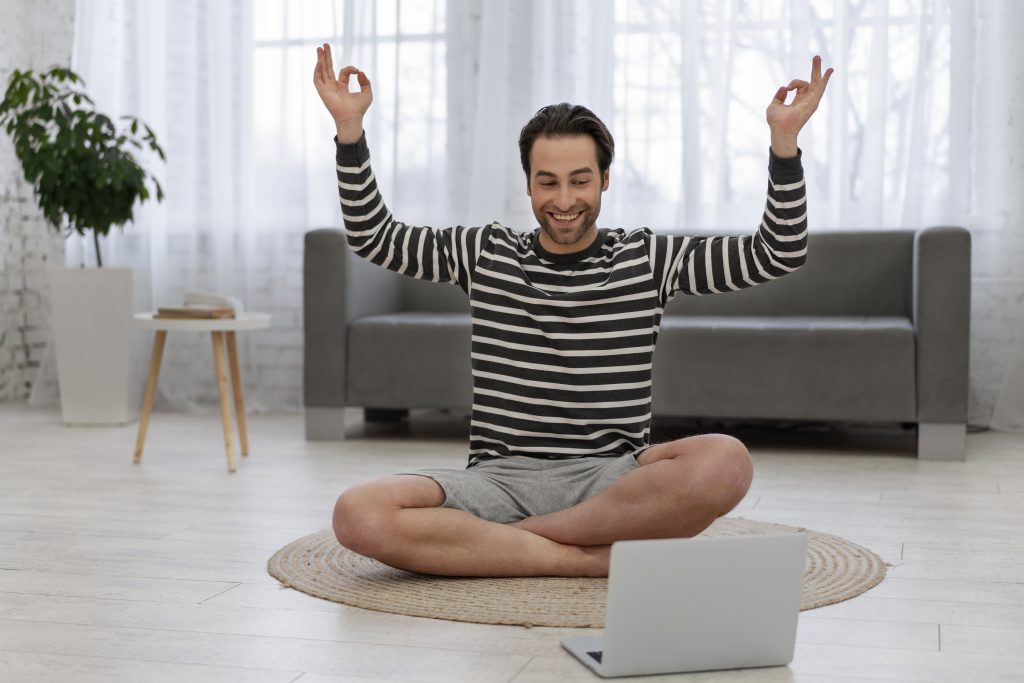
If sitting increases your symptoms, change position regularly. Keep your feet supported and avoid spending hours without movement.
A comfortable chair and appropriate desk setup can reduce unnecessary strain.
6. Gradually Strengthen the Core
Once acute symptoms settle, strengthening the abdominal, hip, and back muscles may help improve physical capacity.
Exercises should be introduced gradually. Starting with demanding exercises while experiencing significant pain may make symptoms worse.
7. Strengthen the Hips
The gluteal and hip muscles contribute to movement and pelvic stability. Progressive strengthening can be useful for some people with recurring lower-back discomfort.
Exercises such as bridges, controlled sit-to-stands, and other appropriate strengthening movements may be included in a personalized program.
8. Improve Hip and Lower-Back Mobility
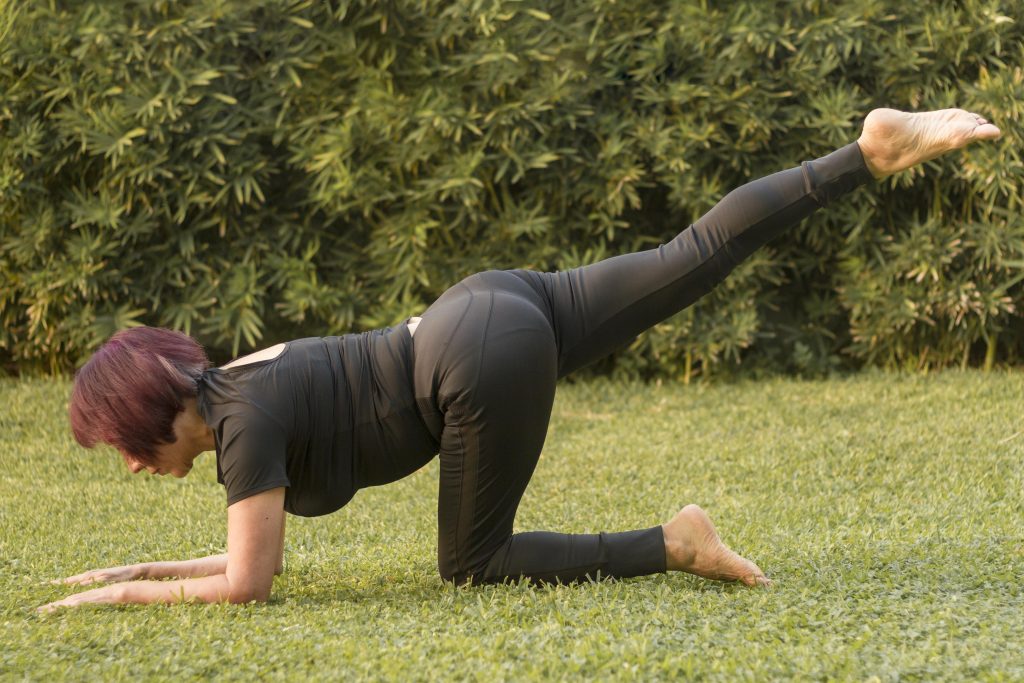
Gentle mobility exercises may help people who experience stiffness. The goal is controlled, comfortable movement rather than aggressive stretching.
A physiotherapist can identify which movements are appropriate based on your symptoms.
9. Maintain Healthy Activity Levels
Regular walking and suitable exercise can support general musculoskeletal health. Sudden increases in exercise intensity, however, can contribute to injury.
Increase your activity gradually and allow adequate recovery between demanding sessions.
10. Pay Attention to Lifting Technique
When lifting, keep the object close to your body and avoid sudden twisting. Use controlled movements and ask for assistance with very heavy or awkward loads.
Good technique is only one part of injury prevention, but it can reduce unnecessary stress during demanding tasks.
11. Consider Physiotherapy
If pain continues, keeps returning, or interferes with normal activities, physiotherapy may be beneficial.
A physiotherapist can assess your movement, strength, mobility, posture, and functional limitations. Your treatment plan may include education, therapeutic exercises, mobility work, progressive strengthening, and strategies for returning to normal activities.
Exercises That May Help
Exercise selection should depend on the cause and severity of your symptoms. For uncomplicated mechanical back pain, gentle exercises may include pelvic tilts, comfortable walking, bridges, controlled trunk movements, and hip-strengthening exercises.
However, an exercise that helps one person may aggravate another. Stop an exercise if it produces severe pain, new numbness, increasing weakness, or symptoms that progressively travel down the leg.
A personalized exercise program is particularly valuable when pain has continued for several weeks or repeatedly returns.
When Should You See a Doctor?
Most uncomplicated lower-back pain is not caused by a dangerous condition, but certain symptoms require prompt medical attention.
Seek urgent medical care if back pain occurs with new loss of bladder or bowel control, numbness around the groin or inner thighs, significant or progressive weakness in the legs, or severe neurological symptoms.
You should also seek medical evaluation after a major accident or injury, particularly if you cannot move normally.
Other concerning symptoms include fever, unexplained weight loss, severe unexplained pain, or pain that continues to worsen despite appropriate self-care.
If right-sided back pain occurs with urinary symptoms, fever, vomiting, or significant abdominal or flank pain, a medical evaluation is also important.
How Long Does Right-Sided Lower Back Pain Take to Improve?
Recovery time depends on the cause. Mild muscular discomfort may improve within days or a few weeks, while nerve-related problems, joint irritation, or other conditions can take longer.
A gradual improvement in pain and movement is generally encouraging. If symptoms remain unchanged, repeatedly return, or interfere significantly with work and daily activities, professional assessment can help identify the next step.
Avoid repeatedly restarting the same treatment without determining why the pain continues.
How to Prevent Future Pain
Prevention focuses on improving your body’s ability to handle everyday demands rather than avoiding all movement.
Regular physical activity, progressive strength training, appropriate lifting techniques, healthy movement habits, and regular breaks from prolonged sitting can all support back health.
If your pain has happened several times, consider working with a physiotherapist to identify contributing factors. A personalized plan may address mobility, strength, work habits, exercise technique, and gradual activity progression.
Frequently Asked Questions
What causes pain in the lower back on the right side above the buttocks?
Common possibilities include muscle strain, SI joint irritation, prolonged sitting, repetitive lifting, spinal problems, hip-related issues, and nerve irritation. Less commonly, pain may come from conditions outside the musculoskeletal system.
Is pain above the right buttock usually serious?
Not necessarily. Many cases are related to muscles, joints, or everyday movement. However, severe, persistent, unexplained, or rapidly worsening symptoms should be professionally evaluated.
Can walking help right-sided lower-back pain?
Gentle walking can be helpful for many people with uncomplicated back pain because it maintains movement without placing the same demands on the back as heavy lifting. Reduce or stop activity if symptoms significantly worsen.
Should I stretch when my lower back hurts?
Gentle mobility may be helpful, but aggressive stretching is not appropriate for everyone. If stretching increases pain or causes symptoms to travel down the leg, stop and seek professional guidance.
Can a weak core cause pain above the buttock?
Reduced strength can contribute to difficulty handling physical demands, but back pain rarely has one simple cause. A complete assessment is more useful than assuming that core weakness is the sole problem.
Final Thoughts
Lower Back Pain Right Side Above Buttocks Treatment depends on the underlying cause. Muscle strain, SI joint irritation, prolonged sitting, repetitive activity, spinal problems, hip issues, and nerve irritation are among the possible explanations.
For mild mechanical pain, staying gently active, modifying aggravating activities, improving sitting habits, and gradually restoring strength may support recovery. Physiotherapy can be particularly useful when symptoms persist or repeatedly return.
Most importantly, do not ignore warning signs. New bladder or bowel problems, groin numbness, significant weakness, serious trauma, fever, or severe unexplained pain require appropriate medical evaluation.
The goal of effective Lower Back Pain Right Side Above Buttocks Treatment is not simply to mask pain. It is to understand the likely cause, restore comfortable movement, gradually rebuild strength, and help you return safely to your normal activities.