Middle Back Pain Causes Female: 11 Common Causes, Symptoms & Powerful Relief Tips
Middle back pain can affect women at different stages of life and may develop from everyday activities, posture, muscle tension, spinal problems, or conditions affecting structures around the chest and abdomen. Because the middle back connects the upper and lower parts of the body, discomfort in this region can sometimes interfere with sitting, sleeping, working, exercising, and household activities.
Understanding Middle Back Pain Causes Female can help you recognize possible triggers and identify when professional assessment may be appropriate. The middle back, also called the thoracic spine, contains the vertebrae, muscles, joints, nerves, ribs, and connective tissues. Problems affecting any of these structures can contribute to discomfort.
This guide explains 11 common Middle Back Pain Causes Female, the symptoms that may occur with them, practical relief approaches, and warning signs that should not be ignored.
What Is Middle Back Pain?

The middle back is the area between the base of the neck and the bottom of the rib cage. Pain in this region may feel like aching, tightness, burning, pressure, stiffness, or a sharp sensation.
Some women experience pain in one specific location, while others notice discomfort spreading across the back or around the ribs. The symptoms can be temporary or persistent depending on the underlying cause.
When discussing Middle Back Pain Causes Female, it is important to remember that the same symptom can have different explanations. A strained muscle and a problem involving the spine, for example, may both produce discomfort but require different approaches.
11 Common Middle Back Pain Causes in Females
1. Poor Posture

Poor posture is one of the common Middle Back Pain Causes Female, particularly for women who spend many hours sitting at a desk, working on a laptop, studying, or using a phone.
Sitting with the shoulders rounded forward can place additional stress on the muscles and joints of the thoracic spine. Over time, these tissues may become fatigued and uncomfortable.
Improving posture does not mean keeping the body rigid all day. Instead, aim to change positions regularly, keep frequently used items within comfortable reach, and avoid spending prolonged periods in one position.
2. Muscle Strain
Muscle strain is another frequent explanation for Middle Back Pain Causes Female. It can happen after lifting, carrying, exercising, cleaning, gardening, or making a sudden twisting movement.
A strained muscle may cause localized soreness, tightness, tenderness, or pain that becomes more noticeable with certain movements.
Women who suddenly increase their workout intensity may also experience muscle soreness or strain. Gradually increasing exercise volume can reduce unnecessary stress on the body.
3. Prolonged Sitting

Long periods of sitting can contribute to stiffness and discomfort in the middle back. This is especially relevant for people who work from home, drive frequently, or spend much of the day at a computer.
When the body remains in one position for too long, certain muscles may become fatigued while others remain relatively inactive. This can contribute to discomfort.
A simple strategy is to stand, walk briefly, or change position regularly rather than waiting until the back becomes painful.
4. Stress and Muscle Tension
Stress can affect the way the body holds tension. Some people unconsciously tighten their shoulders and back muscles during stressful periods.
This may contribute to aching, stiffness, or a feeling of pressure around the upper and middle back.
Stress management alone may not resolve every case of back pain, but relaxation techniques, adequate sleep, physical activity, and appropriate breathing exercises may help reduce unnecessary muscular tension.
5. Heavy Lifting or Repetitive Activities

Repeated lifting, pushing, pulling, or bending can place considerable demand on the thoracic muscles.
Household responsibilities, childcare, occupational tasks, and exercise may all involve repetitive movements. If the body is not accustomed to the workload, the muscles can become fatigued.
Using controlled lifting techniques and gradually building strength may help reduce the risk of activity-related discomfort.
6. Rib or Thoracic Joint Irritation
The thoracic spine connects with the ribs through joints that help support movement during breathing and upper-body activity. Irritation in these structures can sometimes cause pain around the middle back or rib area.
The discomfort may become noticeable with twisting, reaching, deep breathing, or certain upper-body movements.
Because pain around the ribs and chest can have multiple causes, persistent or unexplained symptoms should be evaluated rather than automatically assumed to be muscular.
7. Spinal Disc Problems

Although disc problems are often discussed in relation to the lower back, discs in the thoracic spine can also become irritated or damaged.
Thoracic disc problems are less common than lumbar disc problems, but they may produce localized back pain or symptoms that extend around the chest or abdomen.
If back pain is accompanied by numbness, weakness, balance problems, or other neurological symptoms, professional assessment is important.
8. Osteoarthritis and Degenerative Changes
Age-related changes in the spine can contribute to stiffness and discomfort. Osteoarthritis may affect the joints between vertebrae and can become more noticeable with certain movements.
Degenerative changes do not always cause symptoms, so imaging findings alone do not necessarily explain a person’s pain.
A healthcare professional can consider the complete picture, including symptoms, physical examination findings, activity levels, and medical history.
9. Osteoporosis and Vertebral Compression Fractures

Bone health is an important consideration when discussing Middle Back Pain Causes Female, especially in women who have increased risk of reduced bone density.
Osteoporosis can weaken bones and increase the risk of fractures. A vertebral compression fracture may cause sudden or persistent middle back pain and may occur after relatively minor stress in someone with fragile bones.
Women with known osteoporosis, a history of fractures, or sudden severe back pain should discuss their symptoms with a healthcare professional.
10. Pregnancy-Related Changes
Pregnancy can change posture, body mechanics, weight distribution, and the way the abdominal and back muscles work.
As pregnancy progresses, the growing abdomen may shift the body’s center of gravity. Hormonal and physical changes can also influence how joints and muscles handle everyday activities.
These changes can contribute to middle or upper back discomfort. Gentle movement, appropriate strengthening, comfortable positioning, and guidance from a qualified healthcare professional can be helpful during pregnancy.
11. Breast Size and Musculoskeletal Strain

Breast size can affect posture and may contribute to discomfort in some women, particularly when combined with prolonged sitting, inadequate support, or reduced upper-body strength.
Large or heavy breasts may encourage forward shoulder positioning in some individuals, potentially increasing strain on the upper and middle back.
However, breast size should not automatically be considered the cause of back pain. A proper assessment can help determine whether posture, muscle capacity, spinal problems, or another factor is contributing.
Symptoms That May Occur With Middle Back Pain

The symptoms associated with Middle Back Pain Causes Female can vary considerably.
Common symptoms may include:
- Aching or soreness between the shoulder blades
- Thoracic stiffness
- Pain after prolonged sitting
- Muscle tightness
- Pain during twisting or reaching
- Tenderness around the spine
- Discomfort when maintaining one position
- Pain that increases after physical activity
- Reduced upper-body mobility
- Pain that extends toward the ribs
The presence of additional symptoms can provide important clues about the possible cause.
For example, localized pain that changes with movement may be more consistent with a musculoskeletal problem, while unexplained systemic symptoms may require a broader medical evaluation.
How to Find the Cause of Middle Back Pain
Determining the exact cause may require a healthcare assessment. A clinician may ask when the pain started, what activities make it better or worse, whether there was an injury, and whether other symptoms are present.
A physical examination may evaluate spinal movement, muscle tenderness, strength, sensation, posture, and other relevant factors.
Imaging is not always necessary for uncomplicated back pain. Depending on the symptoms and examination, a healthcare professional may decide whether additional tests are appropriate.
Avoid trying to diagnose yourself based on one symptom or an online description.
Powerful Relief Tips for Middle Back Pain

Improve Your Daily Posture
Instead of forcing yourself into a perfectly upright position, focus on comfortable alignment and regular movement. Keep your screen at an appropriate height, support your arms when possible, and avoid prolonged slouching.
Keep Moving
Gentle activity can help prevent stiffness. Short walks and comfortable mobility exercises may be useful for many people with uncomplicated back discomfort.
Complete rest for extended periods can sometimes make stiffness worse. Your activity level should be adjusted according to your symptoms.
Use Heat for Muscle Stiffness
Some people find warmth helpful when muscles feel tight or stiff. A warm shower or appropriately used heating pad may provide temporary comfort.
Avoid placing very hot sources directly against the skin or falling asleep while using a heating device.
Strengthen the Back and Core

Progressive strengthening can improve the body’s ability to tolerate everyday physical demands.
Exercises may focus on the upper back, trunk, shoulders, hips, and other muscles that contribute to posture and movement. The appropriate exercises depend on your condition and fitness level.
Take Breaks From Sitting
If your work requires prolonged sitting, use regular movement breaks. Stand up, walk around, change your sitting position, or perform gentle mobility movements.
Small changes throughout the day may be easier to maintain than relying on one long exercise session.
Manage Stress
Relaxation practices such as slow breathing, walking, stretching, adequate sleep, and enjoyable physical activity may help reduce muscle tension associated with stress.
Stress management should complement—not replace—appropriate medical evaluation when symptoms are concerning or persistent.
Exercises That May Help
Exercise selection should depend on the reason for the pain. For uncomplicated muscular stiffness, gentle thoracic mobility may be useful.
Examples can include controlled shoulder blade movements, gentle thoracic extension, comfortable trunk rotation, and progressive upper-back strengthening.
The exercises should not produce severe or worsening pain. If a movement consistently increases symptoms, stop and seek professional guidance.
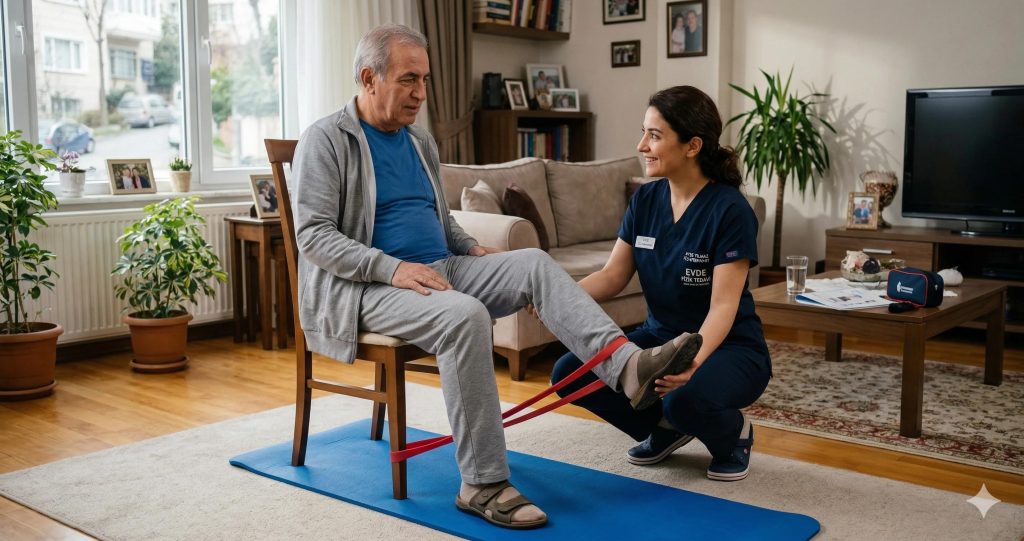
A physiotherapist can create a personalized exercise program based on your mobility, strength, symptoms, and daily activities.
When Middle Back Pain May Need Medical Attention
Although many cases are related to muscles, joints, posture, or activity, some symptoms require prompt assessment.
Seek urgent medical attention if back pain occurs with significant chest pressure, severe difficulty breathing, fainting, sudden neurological changes, or other serious symptoms.
You should also seek medical advice for severe pain after a significant accident, sudden unexplained pain, progressive weakness or numbness, fever, unexplained weight loss, or pain that continues to worsen.
Women with known osteoporosis who develop sudden severe middle back pain should also seek medical evaluation because vertebral fractures can occur without major trauma.
These warning signs are important when considering Middle Back Pain Causes Female because not every case is caused by posture or muscle tension.
Middle Back Pain and Chest Discomfort
Middle back pain can sometimes occur alongside chest or rib discomfort. Musculoskeletal problems can produce pain around the chest wall, particularly when movement, pressure, or breathing affects the symptoms.
However, chest pain should never automatically be assumed to be caused by the back. New, severe, unexplained, or concerning chest symptoms require appropriate medical evaluation.
If you are unsure whether symptoms are coming from your back, ribs, lungs, heart, or another structure, professional assessment is the safest approach.
How Physiotherapy Can Help
Physiotherapy may be helpful when middle back pain affects daily activities, work, exercise, or sleep.
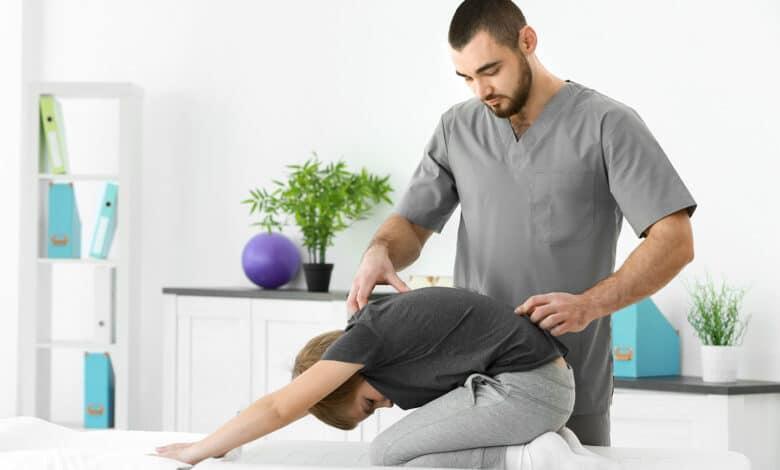
A physiotherapist can assess posture, thoracic mobility, muscle strength, movement patterns, and functional limitations. Treatment may include education, mobility exercises, strengthening, manual techniques when appropriate, and a gradual return to normal activity.
For recurring pain, physiotherapy can also help identify movement or strength limitations that may be contributing to repeated symptoms.
Frequently Asked Questions
What is the most common cause of middle back pain in females?
There is no single cause for every woman. Muscle strain, prolonged sitting, posture-related stress, repetitive activities, and muscle tension are common possibilities. Other conditions can also cause middle back pain.
Can hormones cause middle back pain?
Hormonal changes may influence joints, muscles, body weight distribution, and pain sensitivity during certain stages of life. However, persistent pain should not automatically be attributed to hormones without considering other potential causes.
Can breast size cause middle back pain?
Breast size may contribute to musculoskeletal discomfort in some women, especially when combined with posture or muscle-related factors. It is not necessarily the sole cause of pain.
Is middle back pain serious?
Most middle back pain is not caused by a serious condition, but the severity and associated symptoms matter. Persistent, severe, unexplained, or rapidly worsening pain should be assessed by a healthcare professional.
Can exercise make middle back pain worse?
Yes, particularly if exercise is too intense, technique is poor, or the body is not prepared for the workload. Exercise should be progressed gradually and modified if symptoms worsen.
Final Thoughts
Understanding Middle Back Pain Causes Female can make it easier to recognize potential triggers and take appropriate steps toward recovery. Common contributors include poor posture, muscle strain, prolonged sitting, stress-related tension, repetitive activities, spinal changes, pregnancy-related changes, and reduced bone density.
The right solution depends on the underlying cause. Simple muscular discomfort may improve with activity modification, gentle movement, improved ergonomics, and progressive strengthening. Persistent or unusual symptoms require a more careful assessment.
Most importantly, do not ignore warning signs. Severe pain, neurological changes, significant trauma, chest symptoms, fever, unexplained weight loss, or sudden pain in someone at risk for osteoporosis should be evaluated by an appropriate healthcare professional.
With the right approach, many women can improve mobility, reduce discomfort, and return to their normal activities while developing habits that support long-term back health.