Back Pain
Physical Therapy for Upper Back Pain: 11 Powerful Treatments for Lasting Relief
Upper back pain can affect the area between the neck and lower back and may make everyday activities such as sitting, working, lifting, driving, or sleeping uncomfortable. Physical Therapy for Upper Back Pain can provide a structured approach to improving movement, strength, flexibility, posture, and daily function.
Upper back discomfort may develop after prolonged computer use, repetitive movements, poor posture, muscle strain, sports activities, or an awkward sleeping position. In some cases, the symptoms can persist because the muscles and joints are not moving normally. Physical Therapy for Upper Back Pain focuses on identifying movement problems and developing an appropriate plan to address them.
The exact treatment depends on the cause, severity, duration, and individual symptoms. A qualified physical therapist can assess your posture, spinal movement, muscle strength, flexibility, and functional limitations before recommending specific exercises. This personalized approach makes Physical Therapy for Upper Back Pain different from simply performing random exercises found online.
What Is Physical Therapy for Upper Back Pain?

Physical Therapy for Upper Back Pain is a conservative treatment approach that uses assessment, therapeutic exercise, mobility techniques, education, and activity modification to help people improve upper-back function.
The upper back, also called the thoracic spine, includes the twelve vertebrae between the neck and lower back. This region works closely with the ribs, shoulders, neck, and shoulder blades. Because these areas are connected, problems with one region can sometimes influence movement in another.
A physical therapist may evaluate how your thoracic spine moves, how your shoulder blades function, and how your neck and shoulders contribute to your symptoms. Based on the findings, Physical Therapy for Upper Back Pain may include mobility exercises, strengthening exercises, stretching, manual techniques, and advice about daily activities.
Common Causes of Upper Back Pain

Upper back pain can have many possible causes. Muscle strain is one common reason, particularly after lifting, repetitive activity, exercise, or an unfamiliar movement.
Long periods of sitting can also contribute to discomfort. When someone spends hours looking at a computer screen or phone, the neck and upper back may remain in the same position for extended periods.
Poor workstation setup may increase physical stress on the upper body. A screen positioned too low, an unsupported chair, or prolonged static posture can contribute to stiffness and muscular fatigue.
Sports and recreational activities may also place stress on the upper back. Repeated throwing, swimming, rowing, cycling, or weight training can challenge the muscles around the shoulders and thoracic spine.
In some situations, upper back pain may be related to joint irritation, nerve involvement, injury, or another medical condition. Persistent or unexplained pain should therefore be evaluated rather than automatically treated as a simple muscle problem.
11 Powerful Treatments Used in Physical Therapy
1. Thoracic Mobility Exercises
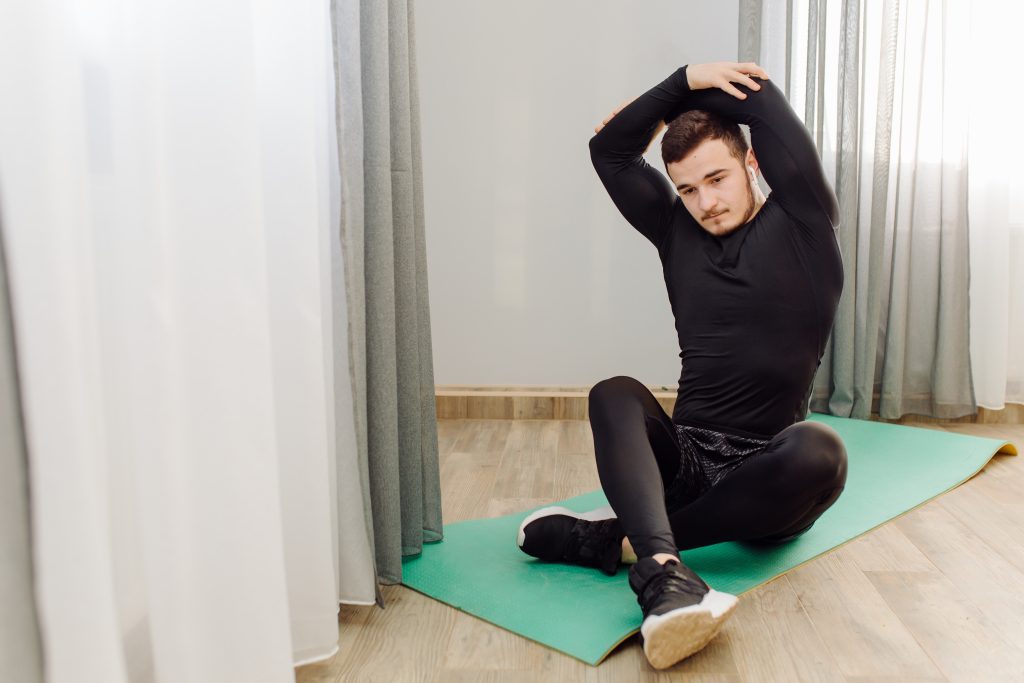
Thoracic mobility exercises are commonly used to improve movement through the upper and middle portion of the spine. A therapist may select movements based on which directions feel restricted.
Gentle rotation and extension exercises can help a person practice moving the thoracic spine through a comfortable range. These movements may be especially useful for people who spend much of the day sitting.
Improving mobility does not mean forcing the spine into extreme positions. Controlled movement within a comfortable range is generally more appropriate. This is one reason Physical Therapy for Upper Back Pain should be individualized rather than based on a one-size-fits-all routine.
2. Shoulder Blade Strengthening
The muscles surrounding the shoulder blades play an important role in upper-body movement and posture. Weakness or poor coordination in these muscles can affect how the shoulders and upper back move.
Exercises such as controlled rows, scapular retraction, and other shoulder-blade movements may be included in a rehabilitation program.
A physical therapist can determine which muscles need strengthening and how much resistance is appropriate. Gradual strengthening is an important part of Physical Therapy for Upper Back Pain for many people.
3. Posture Education

Posture education can help people understand how their daily positions may influence symptoms. However, there is not necessarily one perfect posture that everyone must maintain all day.
Instead, therapists often encourage regular movement and position changes. Sitting in the same position for several hours can be more problematic than simply having a particular posture.
During treatment, patients may learn how to adjust their desk, chair, monitor, keyboard, and other equipment. These practical changes can complement Physical Therapy for Upper Back Pain by reducing prolonged strain during daily activities.
4. Stretching Exercises
Tight muscles around the chest, shoulders, neck, and upper back may contribute to restricted movement. Depending on the assessment, a therapist may recommend gentle stretching exercises.
Chest stretches can sometimes be useful for people who spend long periods with their arms positioned in front of them. Upper-back and shoulder stretches may also be included when appropriate.
Stretching should feel controlled and comfortable rather than painful. A therapist can determine which stretches are appropriate and how long they should be held.
5. Core Strengthening

The muscles of the abdomen, pelvis, and back contribute to trunk stability. A stronger and better-coordinated core can help support efficient movement during everyday activities.
Core exercises may include controlled abdominal bracing, dead-bug variations, bridges, or other movements selected according to individual ability.
The goal is not necessarily to build large muscles. Instead, Physical Therapy for Upper Back Pain may use core exercises to improve control and endurance during functional activities.
6. Manual Therapy
Some physical therapists use hands-on techniques as part of treatment. Depending on the patient’s condition, these may include soft-tissue techniques or joint mobilization.
Manual therapy may temporarily reduce stiffness or discomfort for some individuals. It is generally most useful when combined with active rehabilitation rather than used as the only treatment.
The exact technique should be selected by a qualified professional after an appropriate assessment. Treatment should always be adjusted according to the individual’s response.
7. Breathing Exercises

The upper back and rib cage are closely connected with breathing mechanics. Some people with stiffness or discomfort may benefit from exercises that encourage controlled breathing and rib movement.
Diaphragmatic breathing can help people practice slower, more relaxed breathing while reducing unnecessary tension in the neck and shoulders.
Breathing exercises may therefore be incorporated into Physical Therapy for Upper Back Pain when they are relevant to the patient’s movement pattern and symptoms.
8. Neck and Shoulder Exercises
Upper-back symptoms can sometimes occur alongside neck or shoulder discomfort. Because these regions work together, treatment may include exercises for the surrounding areas.
Gentle neck mobility, shoulder movements, and strengthening exercises may help improve coordination between the neck, shoulder blades, and thoracic spine.
A therapist should determine whether these exercises are appropriate because symptoms that appear to come from the upper back can occasionally originate from another area.
9. Functional Movement Training
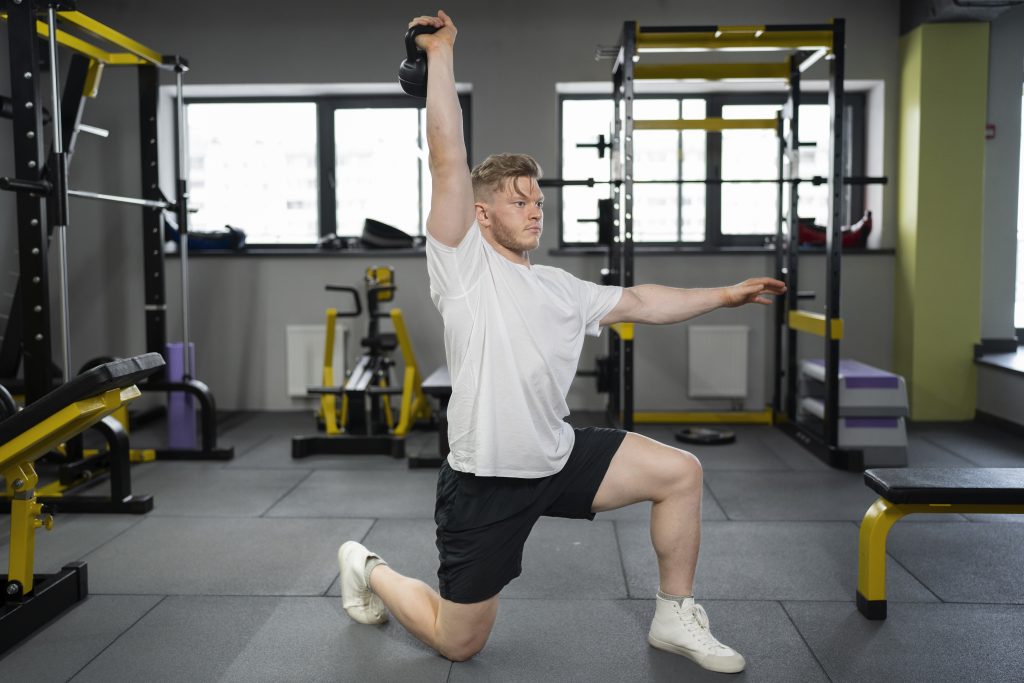
Physical therapy is not only about exercises performed on a treatment table. Functional movement training can teach people how to perform everyday activities more efficiently.
For example, a therapist may assess how someone lifts an object, reaches overhead, works at a desk, or performs repetitive tasks.
Learning better movement strategies can help people return to their normal activities with greater confidence. This practical focus is an important component of Physical Therapy for Upper Back Pain.
10. Activity Modification
Complete rest is not always the best approach for uncomplicated musculoskeletal pain. In many cases, staying reasonably active while modifying aggravating activities can be more useful.
A physical therapist may recommend temporarily reducing certain movements, changing exercise intensity, taking regular movement breaks, or modifying work activities.
The goal is to keep the body moving while avoiding unnecessary aggravation. Activity modification can work alongside exercise and other treatment methods.
11. Home Exercise Program

A home exercise program helps continue rehabilitation between appointments. The exercises should be selected according to the patient’s specific needs rather than copied from a generic routine.
A therapist may provide a small number of exercises and gradually change them as strength and mobility improve.
Consistency is often more important than performing a very long workout. A manageable home program can make Physical Therapy for Upper Back Pain easier to incorporate into everyday life.
What Happens During a Physical Therapy Assessment?

The first appointment may begin with questions about when the pain started, what makes it worse, what makes it better, and how it affects daily activities.
The therapist may then examine spinal movement, posture, muscle strength, flexibility, shoulder movement, and other relevant areas.
Depending on the findings, the therapist can develop an individualized treatment plan. The plan may change over time as symptoms improve or new movement goals become appropriate.
This assessment is important because upper back pain does not have one universal cause or treatment.
How Long Does Physical Therapy Take to Work?

The time required to improve upper back pain varies considerably. Some people may notice changes relatively quickly, while others require several weeks of consistent rehabilitation.
Factors such as the cause of pain, symptom duration, physical activity level, sleep, stress, general fitness, and adherence to the recommended program can influence progress.
A person should not become discouraged if improvement is gradual. Rehabilitation often involves small improvements in movement, strength, confidence, and daily function rather than an immediate change.
Tips for Getting Better Results
Follow the exercise instructions provided by your therapist and avoid increasing resistance or repetitions too quickly.
Take regular movement breaks if your work requires prolonged sitting. Even brief periods of standing, walking, or changing position can help break up long periods of inactivity.
Maintain a comfortable sleep position and make sure your pillow and sleeping arrangement provide adequate support for your individual needs.
Stay physically active within your tolerance. Walking and other appropriate activities can help maintain general fitness while you recover.
Most importantly, communicate with your therapist. If a particular exercise increases your symptoms significantly, tell them so the program can be modified.
When Should You Seek Medical Attention?
Upper back pain is often related to muscles, joints, posture, or movement, but not every case is mechanical.
Seek medical evaluation for severe or unexplained pain, particularly when it follows a significant injury or is accompanied by other concerning symptoms.
Chest pain, difficulty breathing, fainting, unexplained sweating, severe weakness, or other sudden symptoms should not be assumed to be a simple back problem.
Persistent pain that does not improve, pain that repeatedly wakes you from sleep, unexplained weight loss, fever, or significant neurological symptoms also warrant appropriate medical assessment.
A physical therapist can help with many musculoskeletal conditions, but some symptoms require evaluation by a physician or another healthcare professional.
Can Physical Therapy Prevent Upper Back Pain?
Regular movement and strengthening can help support physical function and may reduce the risk of problems associated with inactivity and poor conditioning.
Building strength in the upper back, shoulders, and core can improve physical capacity for everyday activities. Improving mobility can also help people move more comfortably.
Good workstation habits, regular activity breaks, appropriate exercise, and gradual progression during sports can all contribute to healthier movement patterns.
Prevention is not about maintaining a rigid posture all day. It is about developing strength, mobility, endurance, and the ability to change positions comfortably.
Final Thoughts
Physical Therapy for Upper Back Pain can provide a structured and individualized approach to improving mobility, strength, posture, and daily function. Treatment may include therapeutic exercises, stretching, strengthening, manual techniques, activity modification, breathing exercises, and education.
The most appropriate program depends on the cause and characteristics of your symptoms. A qualified physical therapist can assess your movement and create a plan that matches your needs and abilities.
If upper back pain is persistent, severe, or accompanied by concerning symptoms, professional medical assessment is important. With the right evaluation and a gradual rehabilitation program, many people can improve their movement and return to the activities they enjoy.
Physical Therapy for Upper Back Pain works best as part of a consistent, individualized approach rather than a quick-fix treatment. Focus on gradual progress, good technique, regular movement, and communication with your healthcare professional throughout the recovery process.