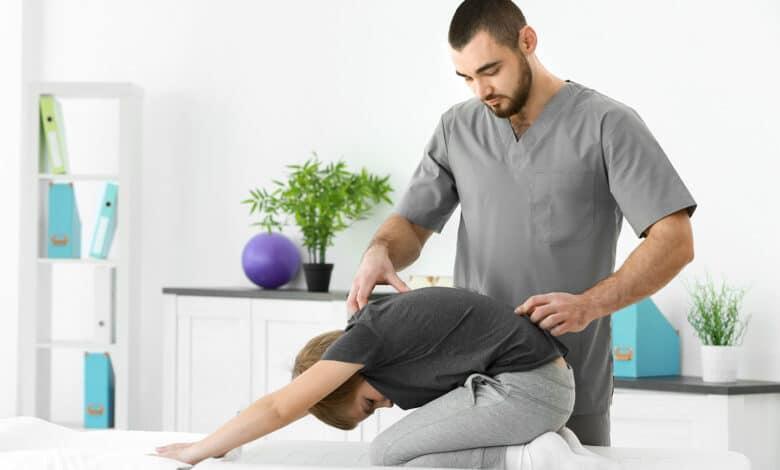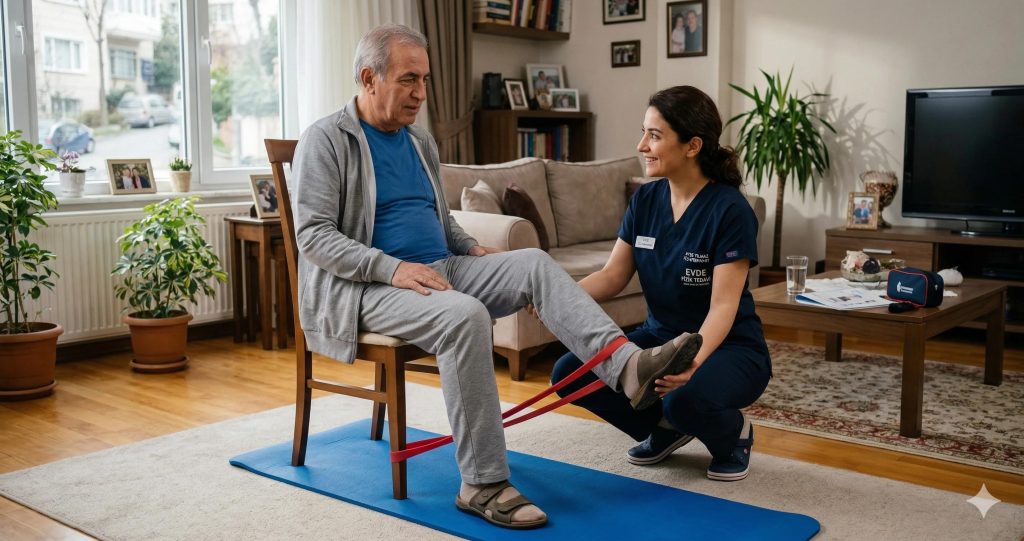
Home Remedies for Back Spasm: 11 Powerful Ways to Get Fast Relief
Back spasms can happen suddenly and may make simple movements such as standing, walking, bending, or changing positions extremely uncomfortable. A back spasm occurs when a muscle in the back tightens involuntarily and remains tense for a period of time. The discomfort can range from a mild pulling sensation to intense cramping that temporarily limits movement.
Home Remedies for Back Spasm can sometimes help reduce discomfort and make movement easier when the problem is related to a minor muscle strain or temporary muscle irritation. Simple measures such as heat, gentle movement, rest from aggravating activities, hydration, and careful stretching may provide support during recovery.
It is important to understand that back spasms can have different causes. A muscle spasm may follow exercise, lifting, repetitive activity, poor movement mechanics, prolonged sitting, or an awkward position. In other situations, severe or recurring spasms may be linked with an underlying spinal or medical problem that requires professional evaluation.
What Is a Back Spasm?

A back spasm is an involuntary tightening of one or more muscles. The affected muscle may feel hard, knotted, tight, or painful. Some people describe the sensation as a sudden cramp or locking feeling.
A spasm can occur after lifting something heavy, twisting quickly, exercising beyond your usual ability, or spending too much time in one position. It can also develop without a clearly identifiable trigger.
For mild muscle-related discomfort, Home Remedies for Back Spasm may help you manage symptoms while your body recovers. The goal is to calm irritation, maintain comfortable movement, and gradually return to normal activity.
Common Causes of Back Spasms

Muscle overuse is one common cause of back spasms. Repeated lifting, bending, pulling, or sports activity can fatigue the muscles and make them more likely to tighten.
Sudden movements can also trigger a spasm. Turning quickly while lifting, reaching awkwardly, or changing direction unexpectedly may place extra demand on the back muscles.
Long periods of inactivity can contribute as well. When muscles are not regularly conditioned, a sudden increase in physical activity may place more stress on the lower back Home Remedies for Back Spasm.
Poor sleep positioning, prolonged sitting, inadequate warm-up before exercise, and returning to intense activity too quickly may also contribute to muscle discomfort.
11 Powerful Ways to Manage Back Spasms at Home
1. Apply Heat

Heat is one of the simplest approaches for a tight, uncomfortable muscle. A warm heating pad, hot-water bottle, or warm shower may help the muscles feel more relaxed.
Use comfortable warmth rather than extreme heat. Protect your skin and avoid falling asleep with a heating device turned on.
For some people, gentle heat before movement can make the back feel less stiff. It may be especially useful when the main sensation is tightness rather than swelling from a recent injury.
2. Keep Moving Gently
Complete bed rest may make stiffness worse for some people. Instead, try to maintain gentle movement within a comfortable range.
Short walks around the house can help prevent the body from becoming increasingly stiff. Change positions regularly instead of remaining seated or lying down for long periods Home Remedies for Back Spasm.
The key is to avoid movements that clearly increase your symptoms while maintaining light activity that feels manageable.
3. Try Gentle Stretching
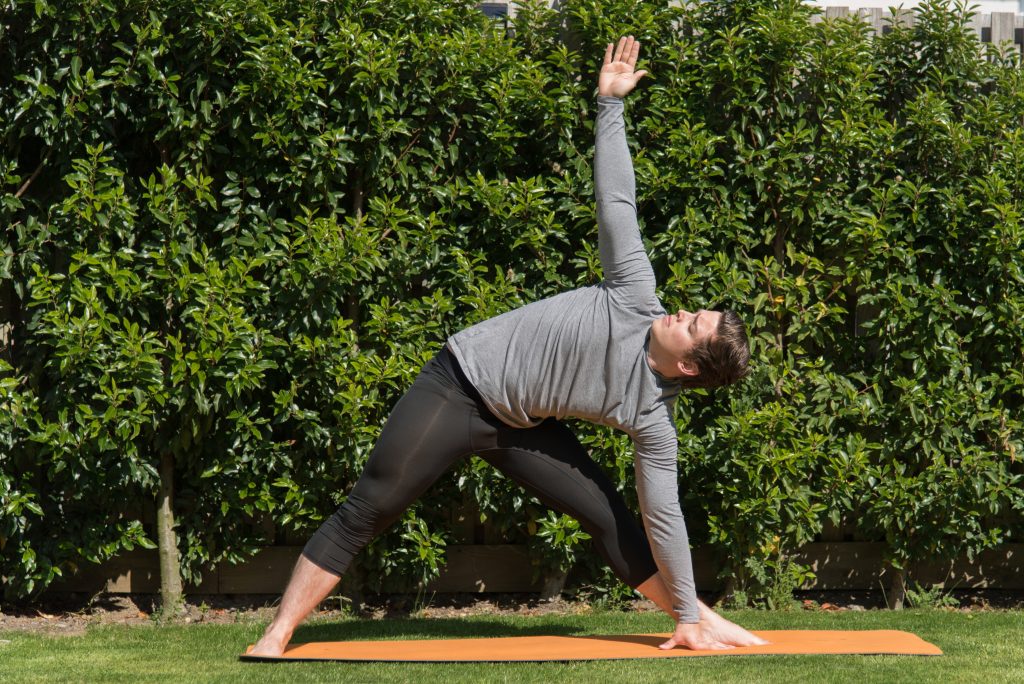
Very gentle stretching may help a tight muscle return toward a more comfortable length. Do not force the stretch or bounce repeatedly.
One option is to lie comfortably on your back and gently bring one knee toward your chest, stopping before the movement becomes painful. You can then return the leg to its starting position and repeat on the other side.
Stretching should produce mild tension rather than sharp pain. If stretching makes the spasm noticeably worse, stop and allow the area to settle.
4. Change Positions Frequently
Remaining in one position for too long can increase stiffness and discomfort.Home Remedies for Back Spasm This is particularly relevant for people who work at a desk or spend many hours driving.
Try standing up, walking briefly, or changing your seated position at regular intervals. Small movement breaks can be easier to tolerate than a long exercise session when the back is irritated.
A comfortable posture does not need to be perfectly rigid. The goal is to avoid prolonged, stressful positions and give the muscles opportunities to relax.
5. Use Cold When It Feels More Appropriate

Some people prefer cold during the early period after a sudden strain, particularly when the area feels irritated. A cold pack wrapped in a cloth can be applied for a short period.
Avoid placing ice directly against the skin. Stop if the skin becomes excessively numb or painful.
Heat and cold affect people differently, so the most comfortable option may depend on the situation and your personal response.
6. Stay Hydrated
Adequate fluid intake supports normal body function and is an important part of general health. If you have been sweating heavily during exercise or working in hot conditions, replacing lost fluids may be especially relevant Home Remedies for Back Spasm.
However, not every back spasm is caused by dehydration. Drinking water should be viewed as a supportive habit rather than a guaranteed treatment.
A balanced diet and adequate fluid intake can complement other recovery strategies when muscle discomfort develops.
7. Practice Slow Breathing
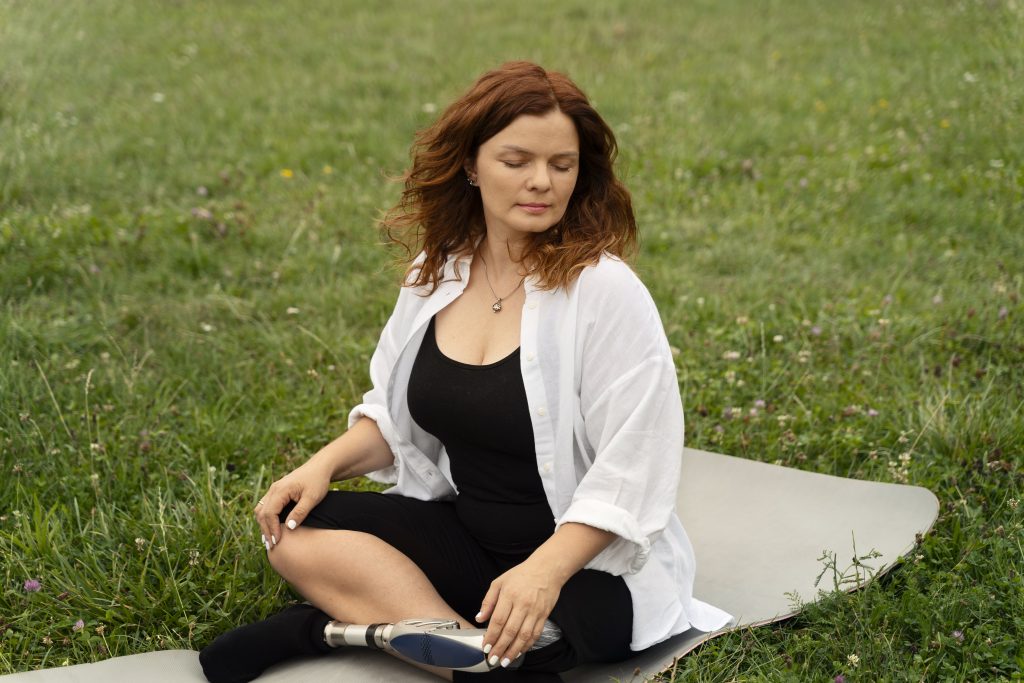
Pain and sudden muscle tightening can make people hold their breath or tense other muscles. Slow, relaxed breathing may help reduce unnecessary tension.
Try inhaling gently through your nose and exhaling slowly while allowing your shoulders and abdomen to relax.
Breathing exercises will not directly correct every cause of back spasms, but they can help you remain calmer and avoid excessive muscular tension during uncomfortable movements.
8. Avoid Heavy Lifting Temporarily
When a back spasm starts after lifting, it is sensible to reduce activities that place a high load on the affected area until movement becomes more comfortable.
Avoid repeatedly bending, twisting, or carrying heavy objects while the muscles are highly irritated Home Remedies for Back Spasm.
As symptoms improve, return to normal activities gradually. Going from complete rest directly to intense lifting can cause another flare-up.
9. Improve Your Sleeping Position

Sleep can be difficult when the back is spasming. A comfortable sleeping position may reduce unnecessary strain.
Some people prefer lying on their side with a pillow between the knees. Others may feel more comfortable on their back with a pillow under the knees.
There is no single sleeping position that works for everyone. Choose the position that allows you to relax without creating additional pain.
10. Use Gentle Self-Massage
Light massage may help some people feel less tense. You can use your hands or a soft massage tool around the surrounding muscles without pressing aggressively on a painful area.
Avoid deep pressure if the muscle is acutely irritated or if massage makes symptoms worse Home Remedies for Back Spasm.
The purpose is comfort and relaxation rather than trying to force a muscle to release. Persistent or severe pain should be assessed rather than repeatedly treated with self-massage.
11. Gradually Return to Exercise

Once the strongest symptoms begin to settle, gradually return to normal physical activity. Walking, gentle mobility exercises, and basic strengthening can help rebuild confidence and physical capacity.
Avoid trying to compensate for lost activity by performing a very intense workout immediately after the spasm improves.
A gradual return can reduce the chance of irritating the area again and can help restore normal movement patterns.
Can Home Remedies for Back Spasm Work Quickly?
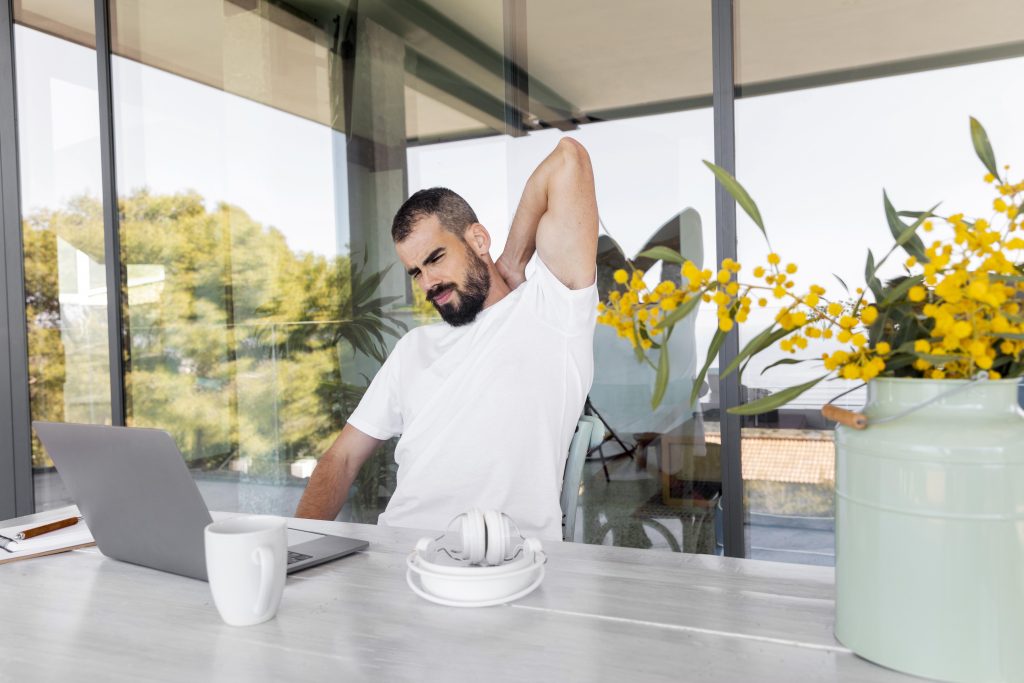
The speed of improvement varies from person to person. A mild muscle spasm may settle relatively quickly, while a more significant strain can take longer.
The most useful approach is often a combination of comfortable movement, temporary activity modification, adequate rest, and gradual return to normal activity.
If your symptoms are steadily improving, continue progressing carefully. If the pain remains severe, repeatedly returns, or interferes significantly with normal activities, professional assessment may be appropriate.
Exercises to Avoid During a Severe Spasm
When a muscle is acutely irritated, aggressive exercises may increase discomfort. Avoid deep twisting, heavy lifting, forceful stretching, and sudden movements until you can move comfortably.
High-impact activities such as jumping or intense running may also be inappropriate during a severe episode Home Remedies for Back Spasm
Instead, focus on gentle movement and allow symptoms to guide your progression. Once the acute discomfort improves, strengthening and flexibility exercises can be introduced gradually.
When Should You See a Doctor?
Not every back spasm is simply a minor muscle problem. Medical evaluation is important when pain is severe, persistent, unexplained, or repeatedly occurring.
You should seek prompt medical attention if back pain occurs with significant weakness, loss of bladder or bowel control, numbness around the groin or saddle region, or other serious neurological symptoms.
Pain after a major accident or significant fall also deserves evaluation. Fever, unexplained weight loss, or severe pain that is not behaving like an ordinary muscle strain should not be ignored.
If you are uncertain about the cause of your symptoms, a healthcare professional can help determine whether Home Remedies for Back Spasm are appropriate or whether additional assessment is needed.
How to Prevent Future Back Spasms
Prevention starts with building strength and maintaining regular movement. Gradual strengthening of the core, hips, and back muscles can improve physical capacity for everyday tasks.
Warm up before strenuous exercise and increase training intensity gradually. Avoid suddenly doubling your workload after a long period of inactivity.
Use good lifting mechanics by keeping the load close to your body and avoiding unnecessary twisting while carrying heavy objects.
Maintaining a healthy level of physical activity, taking movement breaks during long periods of sitting, and paying attention to recovery can also help reduce repeated irritation.
Frequently Asked Questions
How long does a back spasm usually last?
The duration can vary depending on the cause and severity. Mild spasms may settle relatively quickly, while more significant muscle injuries can require a longer recovery period.
Should I rest in bed during a back spasm?
Extended bed rest is generally not ideal for uncomplicated back pain. Gentle movement that does not significantly worsen symptoms is often preferable to staying completely inactive.
Is heat or ice better?
Both may provide comfort, but people respond differently. Heat can feel soothing for muscle tightness, while cold may feel more comfortable after a recent strain. Use whichever is better tolerated and protect your skin.
Can stretching make a spasm worse?
Yes. Aggressive or painful stretching may increase irritation. Stretch gently and stop if the movement causes sharp or worsening pain.
When can I return to exercise?
Return when your movement is becoming more comfortable and you can perform basic activities without significant symptom aggravation. Increase activity gradually rather than returning immediately to your previous intensity.
Final Thoughts
Home Remedies for Back Spasm can be helpful for managing mild, uncomplicated muscle-related discomfort. Gentle movement, comfortable heat or cold, light stretching, regular position changes, hydration, sleep adjustments, and gradual activity can all support recovery.
The most important part of recovery is avoiding the temptation to push through severe pain. Give your body time to settle while maintaining comfortable movement whenever possible.
If your symptoms are persistent, severe, recurrent, or accompanied by warning signs, do not rely only on Home Remedies for Back Spasm. A healthcare professional can evaluate the cause and recommend a suitable treatment plan.
With patience, gradual activity, and appropriate care, many people can return to their normal routine after a temporary back spasm.