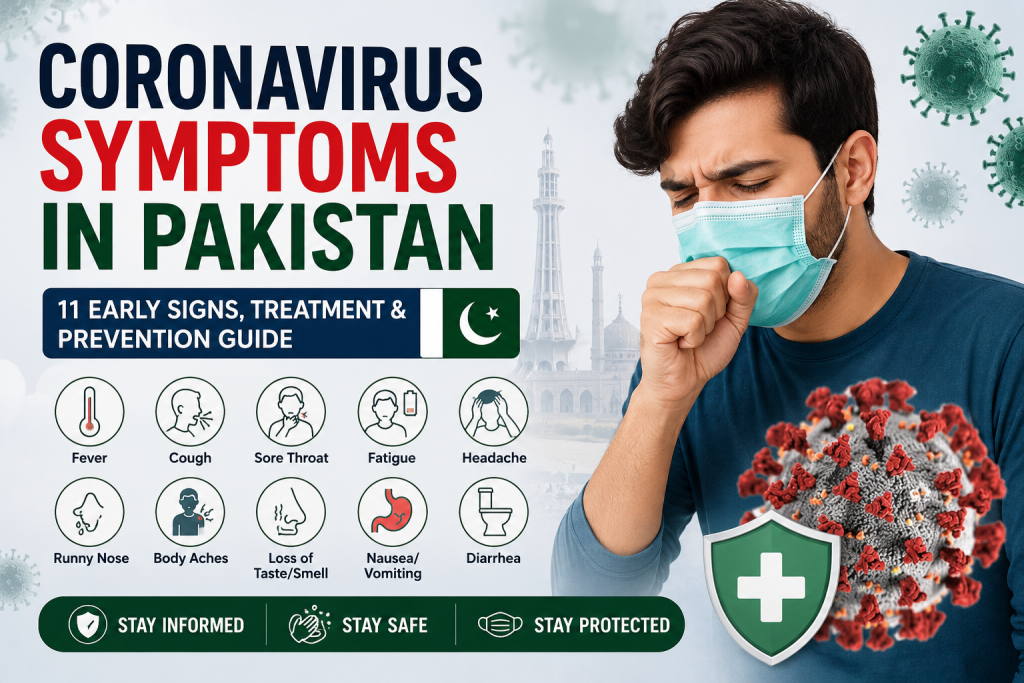
Coronavirus Symptoms in Pakistan: 11 Early Signs, Treatment & Prevention Guide
Coronavirus infections can cause a wide range of symptoms, from mild respiratory problems to more serious illness. In Pakistan, people may search for Coronavirus Symptoms in Pakistan when they develop a fever, cough, sore throat, tiredness, or other signs of a respiratory infection.
COVID-19 is caused by the SARS-CoV-2 virus. Its symptoms can overlap with influenza, common colds, allergies, and other respiratory infections, so symptoms alone cannot always confirm that someone has COVID-19. Testing and professional medical advice may be needed when the diagnosis is important.
This guide explains the most common symptoms, early warning signs, possible complications, treatment approaches, prevention strategies, and situations when medical care should be sought.
What Are Coronavirus Symptoms?

The term Coronavirus Symptoms in Pakistan generally refers to the signs that may develop after infection with SARS-CoV-2. Symptoms can be different from one person to another. Some people may have only mild symptoms, while others may experience more significant respiratory illness.
According to the World Health Organization, COVID-19 can cause symptoms such as fever, chills, sore throat, cough, fatigue, headache, muscle aches, nausea, vomiting, diarrhea, and changes in taste or smell. More serious symptoms can include difficulty breathing and chest pain or pressure.
Not everyone with COVID-19 experiences the same combination of symptoms. Some infected people may have no noticeable symptoms at all.
11 Common Coronavirus Symptoms in Pakistan
Understanding possible symptoms can help you decide whether to monitor your condition, consider testing, or contact a healthcare professional.
1. Fever

Fever is a common sign of many infections, including COVID-19. You may feel unusually warm, sweaty, or chilled, and your body temperature may rise above your normal level.
However, COVID-19 does not always cause fever. Therefore, having no fever does not necessarily rule out an infection.
If fever is accompanied by cough, sore throat, fatigue, or congestion, consider whether you may have a respiratory infection and follow appropriate testing and medical guidance.
2. Sore Throat
A sore throat may be one of the first symptoms noticed by some people. It can feel scratchy, dry, irritated, or painful when swallowing.
Because sore throat is also common with colds, influenza, allergies, and other infections, it cannot confirm COVID-19 by itself.
If a sore throat develops along with several other symptoms, monitoring your condition and considering testing may be appropriate.
3. Cough
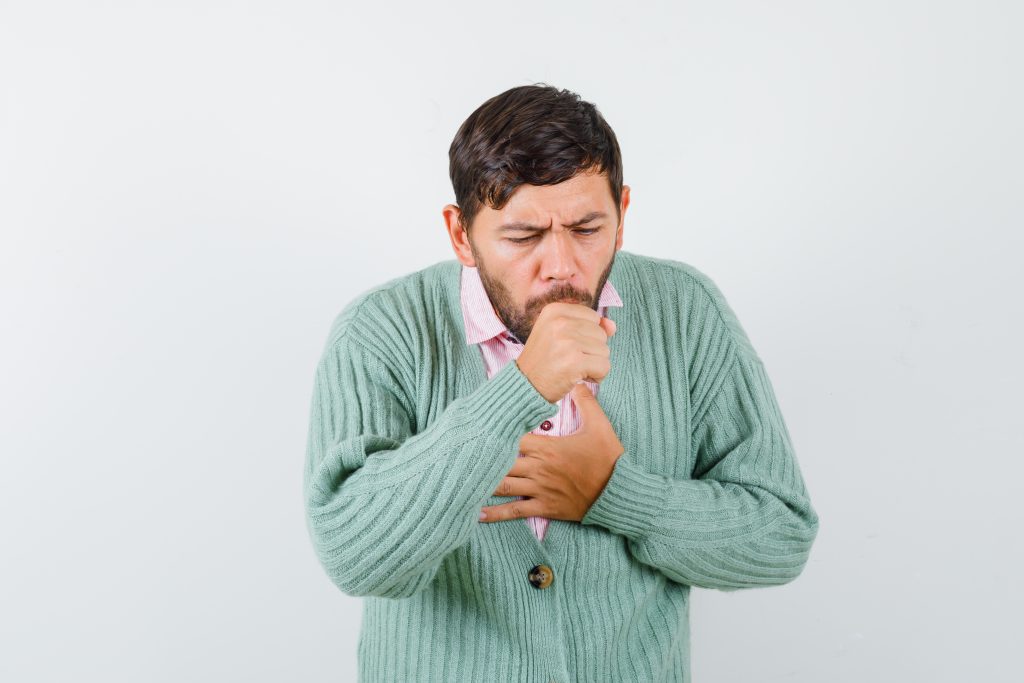
A new cough is another possible sign of COVID-19. It may be dry or associated with throat irritation and congestion.
Coughing can have many causes, including seasonal respiratory infections, allergies, asthma, bronchitis, and other conditions.
A persistent or worsening cough deserves attention, especially if it is accompanied by shortness of breath, chest discomfort, or significant weakness.
4. Fatigue
Unusual tiredness can occur during COVID-19. Some people may feel exhausted even after sleeping or performing only simple activities.
Fatigue can also result from many other causes, including poor sleep, stress, dehydration, anemia, and other illnesses.
When fatigue occurs suddenly together with fever, sore throat, cough, headache, or body aches, an infection may be one possible explanation.
5. Headache

Headaches can occur during coronavirus infections. The discomfort may appear together with fever, fatigue, congestion, or muscle aches.
However, headache is extremely common and does not specifically indicate COVID-19.
If you experience a severe, unusual, or rapidly worsening headache, particularly with neurological symptoms, seek medical advice rather than assuming it is caused by a respiratory infection.
6. Muscle and Body Aches
Some people experience muscle aches, joint discomfort, or generalized body pain while fighting an infection.
These symptoms can resemble influenza, which is why it may be difficult to distinguish between COVID-19 and flu based solely on symptoms.
Rest, adequate hydration, and appropriate medical guidance can help you manage discomfort while your body recovers.
7. Runny or Blocked Nose
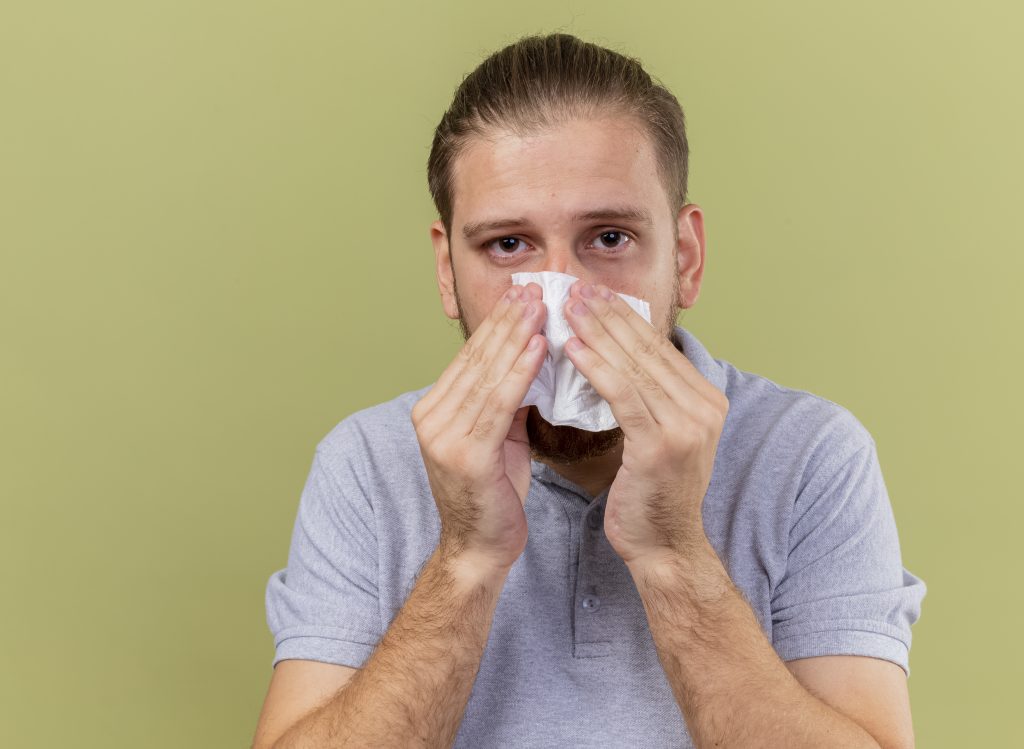
Nasal congestion and a runny nose may occur with COVID-19. These symptoms are also very common with colds and allergies.
You may notice a blocked nose, increased nasal discharge, sneezing, or difficulty breathing through your nose.
If nasal symptoms occur with fever, sore throat, cough, fatigue, or body aches, COVID-19 is one possibility among several.
8. Changes in Taste or Smell
Changes in taste or smell have been associated with COVID-19. Some people may notice that foods taste different or that familiar smells are difficult to detect.
This symptom is not present in every infection, but it remains a recognized possible sign.
If you experience an unexplained change in taste or smell alongside respiratory symptoms, consider discussing testing options with a healthcare professional.
9. Nausea or Vomiting

COVID-19 can sometimes affect the digestive system. Some people may experience nausea, vomiting, abdominal discomfort, or reduced appetite.
Digestive symptoms can also occur because of food poisoning, stomach viruses, medication side effects, or other conditions.
If vomiting is persistent, it can lead to dehydration. Seek medical advice if you cannot keep fluids down or develop signs of significant dehydration.
10. Diarrhea
Diarrhea can occur in some people with COVID-19. It may appear alone or together with respiratory symptoms.
Frequent diarrhea can cause loss of fluids and electrolytes. Drinking appropriate fluids is important, but people with severe diarrhea, significant weakness, dizziness, or dehydration should seek medical care.
11. Shortness of Breath

Shortness of breath is one of the symptoms that deserves particular attention.
Mild breathing discomfort can occur during respiratory illnesses, but significant or worsening difficulty breathing can indicate a more serious problem.
If you struggle to breathe while resting, cannot speak comfortably because of breathlessness, or experience rapidly worsening respiratory symptoms, seek urgent medical evaluation.
How Do Coronavirus Symptoms Usually Begin?
There is no single pattern for how COVID-19 begins. One person might first notice a sore throat, while another may develop fatigue, headache, congestion, fever, or coughing.
Symptoms may develop gradually or appear around the same period. Some people may experience very mild illness, while others can become seriously unwell.
This variation makes it difficult to identify COVID-19 based only on symptoms.
If you have had a known exposure or develop several compatible symptoms, consider following current testing recommendations and limiting close contact with vulnerable people while you determine what is happening.
Coronavirus Symptoms vs. Flu and Common Cold

One reason Coronavirus Symptoms in Pakistan can be difficult to identify is that COVID-19 shares many symptoms with influenza and the common cold.
COVID-19, flu, and colds may all cause:
- Cough
- Sore throat
- Fatigue
- Headache
- Congestion
- Fever
- Body aches
The presence or absence of one particular symptom is usually not enough to identify the infection.
Testing can provide more useful information when knowing the cause affects treatment decisions, work or school attendance, or precautions around family members.
When Should You Consider Testing?

Consider testing when you develop symptoms consistent with COVID-19, especially if you have recently been exposed to someone who tested positive or have been around people with respiratory illness.
Testing can be particularly important for people who are at increased risk of severe disease because some COVID-19 treatments work best when started early.
Testing options and availability can vary in Pakistan. Follow the instructions for the specific test you use and consult a healthcare professional when you need help interpreting the result.
A negative result does not always explain every symptom. If symptoms continue or worsen, medical evaluation may still be necessary.
What Should You Do If You Have Coronavirus Symptoms?
If you develop Coronavirus Symptoms in Pakistan, the appropriate response depends on how severe your illness is and whether you have risk factors for complications.
For mild symptoms, practical measures may include getting adequate rest, maintaining fluid intake, and monitoring your symptoms.
It is also sensible to reduce close contact with others while you are unwell, particularly people who may be more vulnerable to severe respiratory infections.
Contact a healthcare professional if you have significant medical conditions, are at increased risk of severe illness, or notice that your symptoms are getting worse.
Do not take antibiotics simply because you suspect COVID-19. Antibiotics treat certain bacterial infections and do not directly treat viral infections such as COVID-19.
Treatment for Coronavirus Infection
Treatment depends on the severity of the illness and the person’s individual risk factors.
For mild illness, healthcare professionals may recommend supportive care focused on rest, fluids, and managing uncomfortable symptoms.
Some people at higher risk of severe COVID-19 may be eligible for antiviral treatment. These medications need to be prescribed and are generally most useful when started early.
Do not start prescription medicines without speaking with a qualified healthcare professional.
People with severe illness may require hospital-based treatment, oxygen support, or other medical interventions.
Because treatment recommendations can change as evidence and local guidance develop, it is best to obtain current advice from a healthcare professional rather than relying on an old treatment list found online.
Who Is at Higher Risk of Severe COVID-19?
Although COVID-19 can affect anyone, certain people have a higher risk of severe disease.
Risk can be higher among older adults and people with certain underlying medical conditions. WHO identifies conditions such as cardiovascular disease, diabetes, chronic respiratory disease, and cancer among factors associated with increased risk.
People with weakened immune systems may also require additional precautions Coronavirus Symptoms in Pakistan.
If you are in a higher-risk group and develop symptoms, contacting a healthcare professional early can be particularly important.
Emergency Warning Signs
Most respiratory infections do not require emergency care, but some symptoms should never be ignored.
Seek urgent medical attention if you experience:
- Significant difficulty breathing
- Severe or worsening shortness of breath
- Persistent chest pain or pressure
- New confusion
- Difficulty waking or staying awake
- Loss of consciousness
- Severe weakness or rapidly worsening symptoms
- Other symptoms that feel life-threatening
These signs can indicate serious illness and require prompt medical evaluation.
Do not wait for an online article to determine whether an emergency symptom is serious. If you believe you are experiencing a medical emergency, seek immediate professional help Coronavirus Symptoms in Pakistan.
Coronavirus Symptoms in Children
Children can develop COVID-19, although symptoms and severity can vary considerably.
Possible symptoms include fever, cough, sore throat, tiredness, headache, congestion, muscle aches, nausea, vomiting, or diarrhea.
Parents and caregivers should monitor children carefully when they are sick. Difficulty breathing, unusual sleepiness, dehydration, confusion, or rapidly worsening illness requires medical attention.
Children with existing medical conditions may need individualized advice from their healthcare provider.
Coronavirus Symptoms During Pregnancy
Pregnancy can change the way healthcare professionals assess respiratory infections because pregnancy affects the body’s immune and cardiovascular systems.
A pregnant person with possible COVID-19 should follow medical advice and contact their healthcare provider when symptoms develop, especially if fever, breathing difficulty, dehydration, or other concerning signs occur.
Pregnant individuals should not begin prescription medication without professional guidance.
Can Symptoms Continue After COVID-19?
Most people recover from COVID-19, but some individuals experience symptoms that continue after the initial infection.
Long COVID, also called post-COVID-19 condition, can involve symptoms such as fatigue, shortness of breath, headaches, sleep difficulties, muscle or joint pain, and problems with concentration.
Persistent symptoms can have multiple possible causes. If symptoms continue for weeks or interfere with everyday activities, discuss them with a healthcare professional.
You should not assume that every ongoing health problem is caused by a previous coronavirus infection.
How to Prevent Coronavirus Infection
Understanding Coronavirus Symptoms in Pakistan is useful, but prevention is also important.
Several practical measures can reduce exposure to respiratory viruses.
Improve Indoor Airflow
Good ventilation can help reduce the concentration of respiratory particles in indoor environments. Opening windows or improving airflow where appropriate may be useful.
Avoid Close Contact When Sick
If you are experiencing respiratory symptoms, reducing close contact with others can help limit transmission Coronavirus Symptoms in Pakistan .
This is particularly important around older adults and people with health conditions that increase their risk of severe illness.
Practice Good Hand Hygiene
Wash your hands regularly with soap and water, particularly after coughing, sneezing, using public facilities, or before eating.
When soap and water are unavailable, an appropriate alcohol-based hand sanitizer can be useful.
Follow Vaccination Recommendations
Vaccination remains an important tool for reducing the risk of severe COVID-19. Recommendations can change according to age, risk level, and current public-health guidance Coronavirus Symptoms in Pakistan .
People should follow the recommendations provided by qualified healthcare professionals and relevant health authorities in Pakistan.
Wear a Mask When Appropriate
Masks may be useful in certain crowded or poorly ventilated settings, particularly when respiratory viruses are circulating or when protecting vulnerable individuals.
The usefulness of masking depends on the situation, fit, type of mask, and local recommendations Coronavirus Symptoms in Pakistan.
Coronavirus Symptoms in Pakistan: When to Contact a Doctor
Contact a healthcare professional if your symptoms are persistent, worsening, or difficult to manage at home.
You should also seek medical advice sooner if you are at increased risk of severe illness Coronavirus Symptoms in Pakistan .
A doctor can consider your symptoms, medical history, exposure history, test results, and other possible diagnoses.
Do not delay medical care because you are uncertain whether your symptoms are caused by COVID-19. Many respiratory and non-respiratory conditions can produce similar symptoms.
Frequently Asked Questions
What are the most common coronavirus symptoms?
Common symptoms may include fever, sore throat, cough, fatigue, headache, body aches, congestion, and digestive symptoms. The exact combination varies from person to person.
Can you have COVID-19 without a fever?
Yes. Some infected people do not develop fever. The absence of fever does not rule out COVID-19.
Can COVID-19 cause stomach problems?
Yes. Some people may develop nausea, vomiting, abdominal discomfort, or diarrhea Coronavirus Symptoms in Pakistan.
Is loss of taste or smell still possible?
Yes. Changes in taste or smell can occur, although they are not present in every infection.
How can I tell COVID-19 from a cold?
It is often difficult to distinguish them from symptoms alone because both can cause cough, sore throat, congestion, headache, and fatigue. Testing can provide more useful information when a diagnosis matters Coronavirus Symptoms in Pakistan.
When is COVID-19 an emergency?
Severe breathing difficulty, persistent chest pain or pressure, new confusion, difficulty staying awake, or rapidly worsening symptoms require urgent medical evaluation.
Final Takeaway
Knowing Coronavirus Symptoms in Pakistan can help you recognize possible COVID-19 and decide when additional care may be needed. Symptoms can range from mild sore throat, cough, congestion, fatigue, and headache to more serious breathing problems.
However, COVID-19 is not the only illness that causes these symptoms. Flu, common colds, allergies, and other infections can look similar. For that reason, symptoms alone should not be treated as a definite diagnosis.
If your symptoms are mild, monitor your condition, rest, maintain appropriate fluid intake, and follow current health guidance. If you are at increased risk of severe disease, contact a healthcare professional early.
Most importantly, seek urgent medical attention for significant difficulty breathing, persistent chest pain or pressure, new confusion, difficulty staying awake, or other severe symptoms.
Reliable information and timely medical advice are more useful than trying to diagnose yourself from a single symptom. As COVID-19 guidance and circulating variants can change, check current recommendations from trusted health authorities and qualified healthcare professionals when making decisions about testing, treatment, prevention, and vaccination.