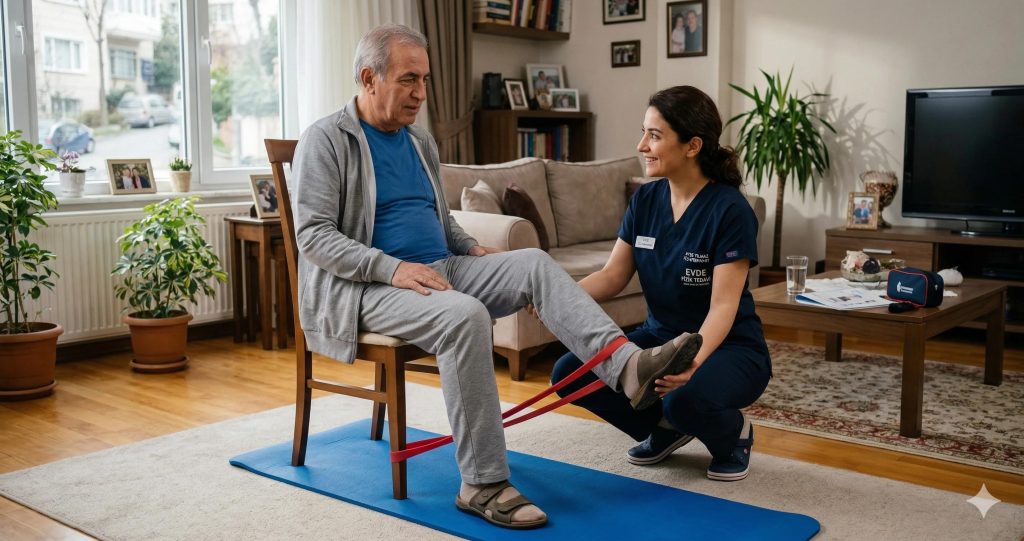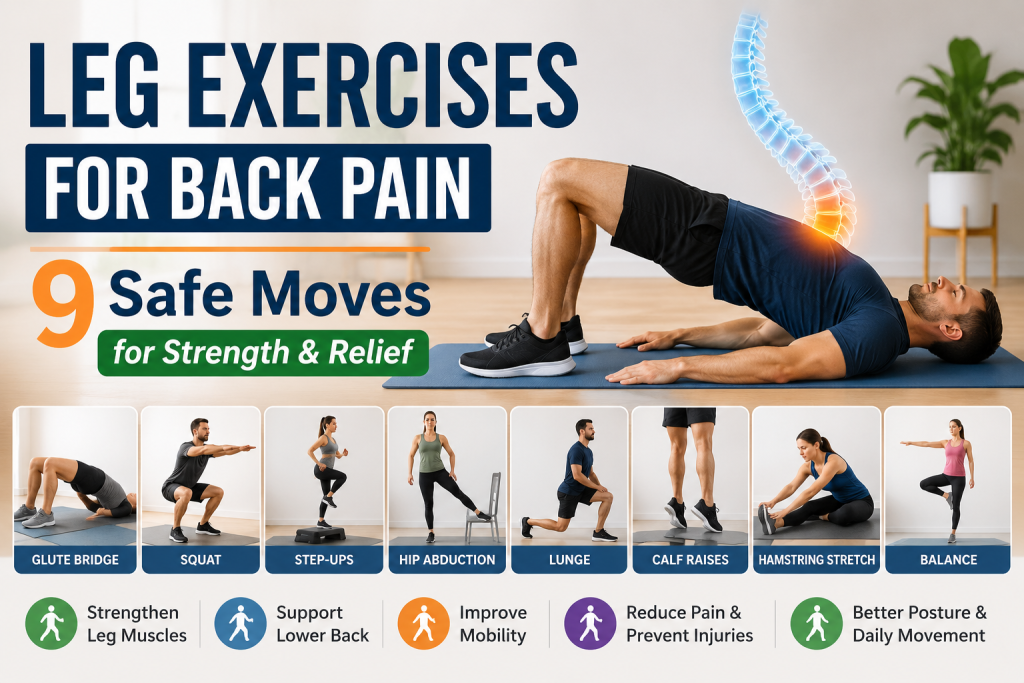
Leg Exercises for Back Pain: 9 Safe Moves for Strength & Relief
Back pain can make everyday activities such as walking, sitting, bending, and climbing stairs uncomfortable. When the muscles around your hips, legs, and core are weak or tight, your lower back may have to handle more of the work during movement. That is one reason a well-planned exercise routine can be useful for some people with back pain.
If you are searching for leg exercises for back pain, it is important to understand that there is no single exercise routine that works for everyone. The right movements depend on the cause of your pain, your mobility, your strength, and whether you have symptoms such as pain traveling into the leg. Health professionals generally recommend staying active when possible while avoiding activities that clearly worsen symptoms. (NIAMS)
This guide covers nine gentle-to-moderate exercises that can help improve leg strength, hip mobility, stability, and overall movement. They should be performed comfortably and progressed gradually.
Why Leg Strength Matters for Back Pain
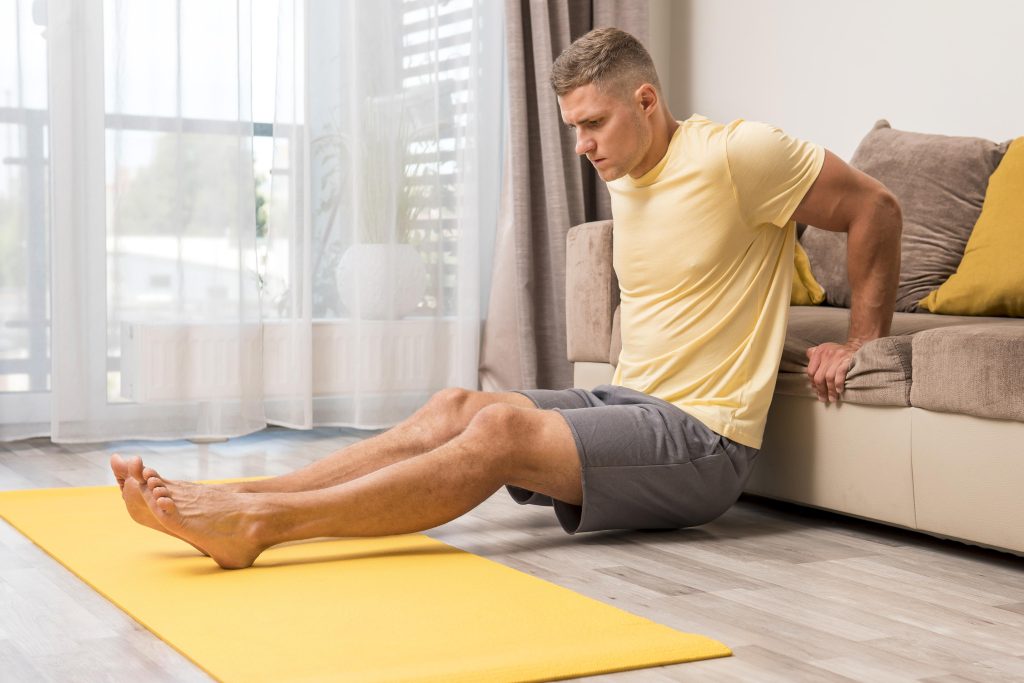
When you think about back pain, you may naturally focus on the spine itself. However, your lower back works together with your hips, pelvis, abdominal muscles, and legs whenever you stand, walk, lift, or change position.
Weakness or poor control in the lower body can make everyday movements more demanding. Improving strength in the legs and hips may help you move more efficiently and reduce unnecessary stress during certain activities.
For people with uncomplicated back pain, physical activity and strengthening exercises can be part of a broader management plan. The National Institute of Arthritis and Musculoskeletal and Skin Diseases recommends gradually increasing physical activity as tolerated and notes that physical therapy may help strengthen muscles supporting the back and improve mobility. (NIAMS)
However, exercise is not appropriate in exactly the same way for every back condition. If you have significant pain, recent trauma, numbness, weakness, or other unusual symptoms, professional assessment is important before starting a new routine.
9 Leg Exercises for Back Pain
1. Glute Bridges

Glute bridges are a simple exercise for strengthening the buttocks and improving control around the hips and pelvis.
To perform the exercise, lie on your back with your knees bent and your feet resting comfortably on the floor. Keep your arms beside your body. Gently tighten your abdominal muscles and squeeze your buttocks as you lift your hips.
Raise your hips only as high as feels comfortable. Pause briefly, then lower yourself slowly.
Start with about 8 to 10 repetitions. If that feels easy and comfortable, you can gradually increase the number.
Glute bridges are often included in leg exercises for back pain because they train the hip muscles without requiring heavy equipment.
If bridging increases your back pain rather than producing a manageable muscle effort, stop and discuss the exercise with a physical therapist.
2. Bodyweight Squats
Squats train several large muscle groups, including the thighs and buttocks. They also imitate an everyday movement because you use a similar pattern when sitting down or standing from a chair.
Stand with your feet around hip-width apart. Keep your chest comfortable and slowly bend your knees and hips as though you are going to sit in a chair.
Lower only as far as you can maintain good control. Then push through your feet and return to standing.
If a normal squat feels difficult, use a chair behind you for support. You can lightly touch the chair before standing again.
The goal is controlled movement rather than performing as many repetitions as possible.
3. Sit-to-Stand

The sit-to-stand exercise is especially useful for people who find squatting difficult.
Start by sitting on a sturdy chair. Place your feet firmly on the floor and lean your upper body slightly forward. Push through your feet and stand up without using your hands if you can do so safely.
Pause while standing, then slowly lower yourself back into the chair.
This movement strengthens the thighs and hips while practicing an important daily activity.
For people looking for leg exercises for back pain, sit-to-stand can be a practical choice because it connects exercise with normal functional movement.
Start with 6 to 10 repetitions and increase gradually according to your ability.
4. Step-Ups

Step-ups can strengthen the thighs, hips, and buttocks while also challenging balance.
Use a low, stable step. Place one foot on the step and slowly bring the other foot up. Step back down under control.
Hold onto a railing or another stable support if your balance is uncertain.
Begin with a low step rather than trying to make the exercise difficult immediately. As your strength and confidence improve, you can gradually increase the challenge.
If stepping causes sharp back pain or significant leg symptoms, stop the exercise.
5. Standing Hip Abduction
Strong hip muscles help control the pelvis during standing and walking.
For standing hip abduction, stand beside a sturdy chair or countertop and hold it for balance. Keep your body upright while slowly moving one leg out to the side.
Do not lean your torso in the opposite direction. Move the leg only as far as you can while maintaining control.
Return the leg slowly and repeat on the other side.
This is one of the easier leg exercises for back pain because it can be performed while holding onto support.
Start with 8 to 12 repetitions per side.
6. Hamstring Stretch
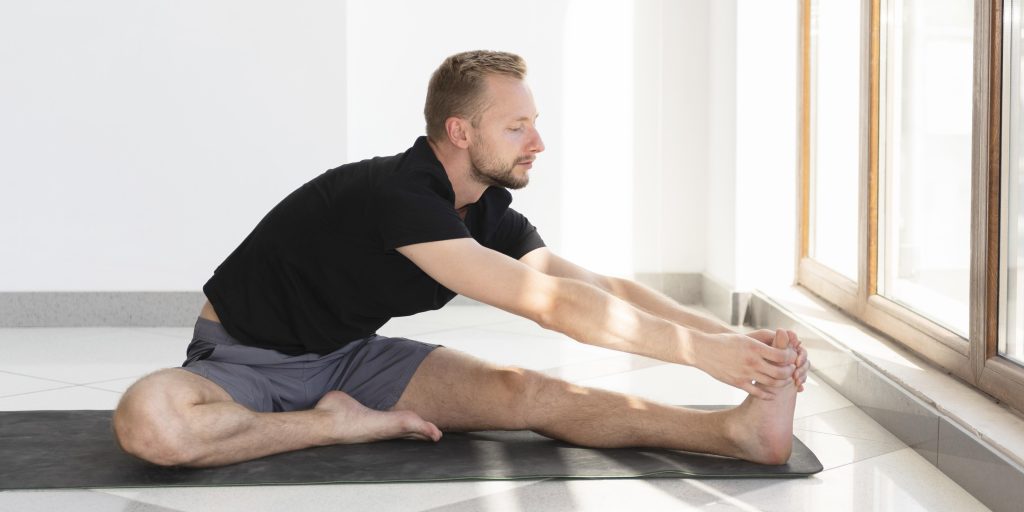
Tight muscles around the back of the thigh may make certain movements feel restricted. A gentle hamstring stretch can help maintain flexibility.
Sit near the edge of a sturdy chair. Extend one leg forward while keeping the other foot on the floor. Keep your back in a comfortable position and gently lean forward from your hips.
You should feel a mild stretch behind the thigh, not sharp pain.
Hold the position for around 15 to 30 seconds, then relax.
Do not bounce while stretching. If the stretch produces pain that travels down your leg, stop and seek professional advice.
7. Calf Raises
Calf raises are simple but useful for strengthening the lower legs and improving control during standing and walking.
Stand behind a sturdy chair or near a countertop. Hold the support lightly and slowly raise your heels so you are standing on your toes.
Pause for a moment, then lower your heels with control.
Start with 10 repetitions and gradually build up as tolerated.
Although calf raises do not directly strengthen the lower back, they contribute to overall lower-limb strength and can complement a broader movement program.
8. Reverse Lunges
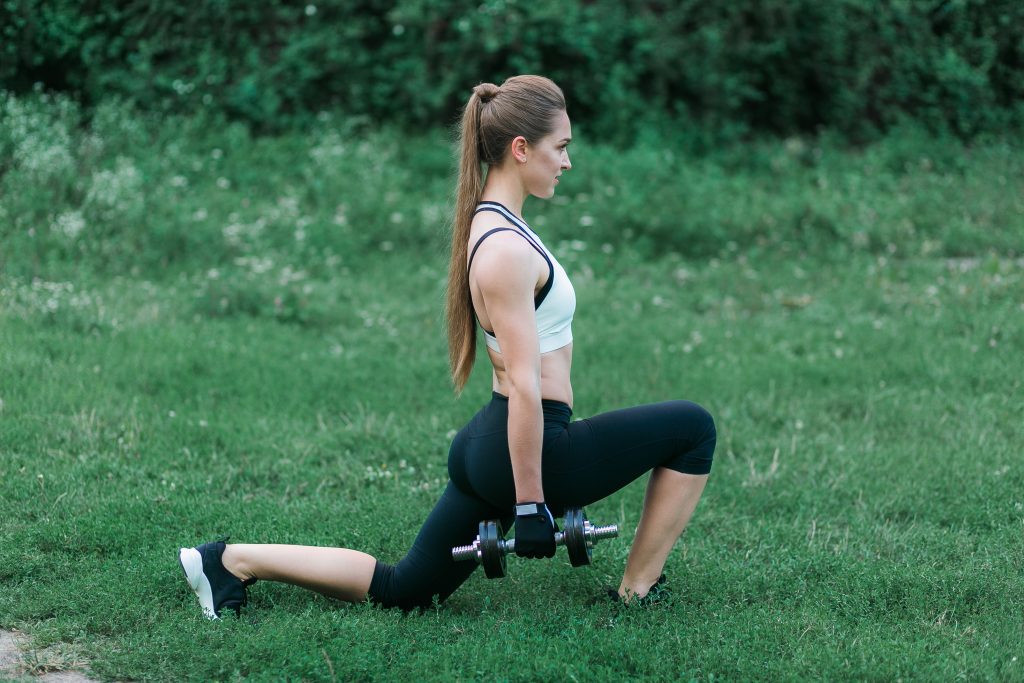
Reverse lunges are a more challenging movement and should be introduced only when basic exercises are comfortable.
Stand upright with your feet comfortably apart. Step one foot backward and gently lower your body by bending both knees.
Keep the movement controlled and avoid dropping quickly. Push through the front foot to return to the starting position.
Use a wall, railing, or sturdy support if needed.
If traditional lunges are too difficult, reduce the movement or practice supported split squats instead.
When selecting leg exercises for back pain, the exercise should match your current ability. A difficult exercise is not automatically a better exercise.
9. Supported Single-Leg Balance
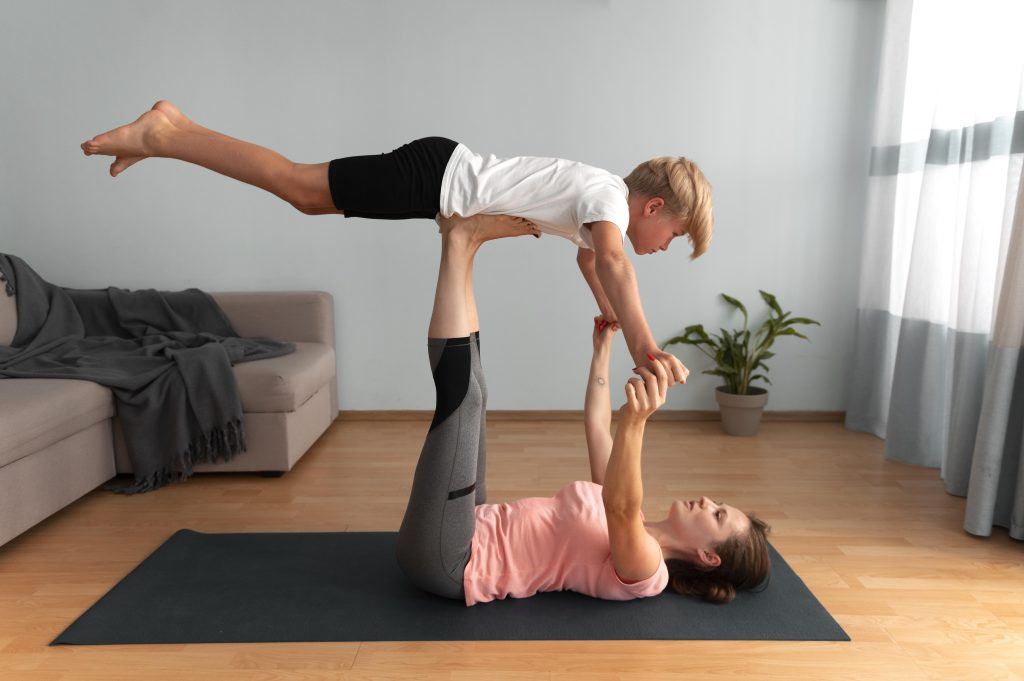
Balance training can help improve control through the hips, legs, and feet.
Stand beside a sturdy support. Shift your weight onto one foot and gently lift the other foot from the floor.
Hold the position for several seconds, then return the foot to the ground. Repeat on the opposite side.
Keep your fingertips near the support so you can steady yourself if necessary.
Do not perform this exercise in an area where a fall could cause injury.
As your balance improves, you may gradually increase the duration.
How Often Should You Do These Exercises?

There is no universal number of exercise sessions that is perfect for everyone.
If you are new to exercise, start with a small amount and focus on consistency. Performing a few exercises with good control is generally more useful than completing a large number of repetitions with poor technique leg exercises for back pain.
A simple routine might include two or three strengthening exercises followed by gentle mobility work. You can gradually add exercises as your body becomes accustomed to the activity.
The National Institute of Arthritis and Musculoskeletal and Skin Diseases advises people with back pain to avoid prolonged bed rest and gradually increase activity as tolerated. (NIAMS)
If you are recovering from an injury or have a diagnosed spinal condition, ask a qualified healthcare professional how frequently you should exercise.
How to Perform These Exercises Safely
Safety is more important than the number of repetitions.
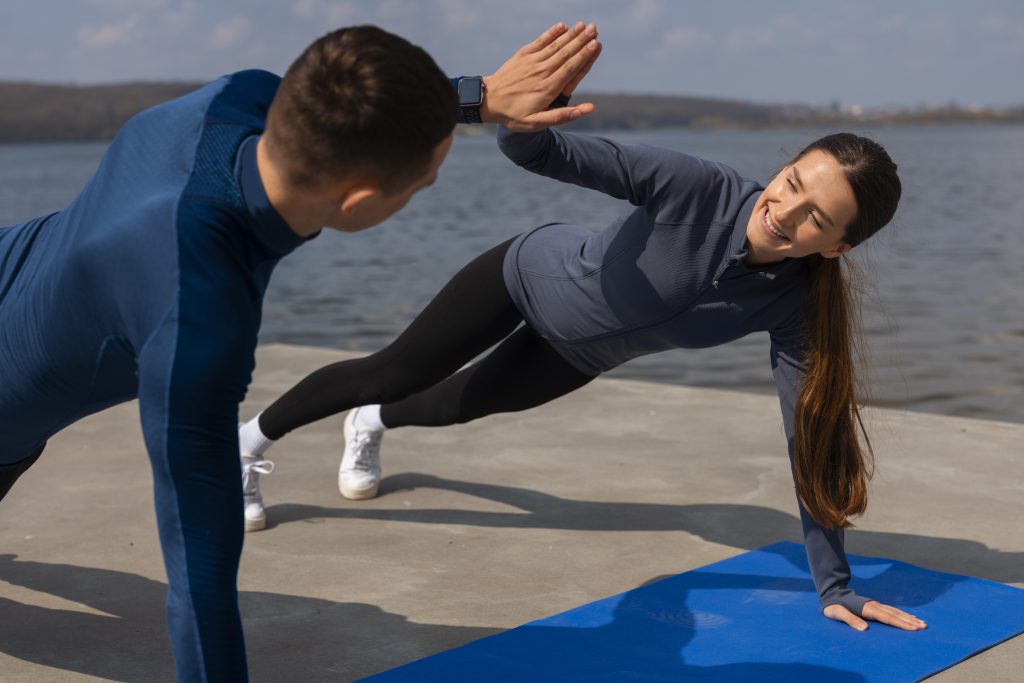
When performing leg exercises for back pain, use slow and controlled movements. Avoid trying to force your body into a position simply because an exercise looks easy in a video.
Pay attention to the difference between normal muscle effort and concerning pain. A mild feeling of muscle fatigue may be expected, but sharp, severe, or rapidly increasing pain is a reason to stop leg exercises for back pain.
You should also avoid suddenly increasing your exercise volume. If you have been inactive for a long time, beginning with a very demanding workout can aggravate symptoms.
Warm up with several minutes of comfortable walking or gentle movement before strengthening exercises.
What If Exercise Makes Your Back Hurt More?

Some people experience temporary discomfort when they begin a new exercise routine. That does not mean every type of pain should be ignored.
If an exercise consistently makes your symptoms worse, stop that particular movement and consider discussing it with a physical therapist.
The American Physical Therapy Association’s clinical guidance emphasizes individualized management of low back pain, including consideration of the person’s symptoms and functional limitations. (APTA)
You may need a different exercise, a smaller range of motion, fewer repetitions, or a different progression.
Remember that the goal is to improve your ability to move, not to prove how much discomfort you can tolerate.
Can Walking Help Back Pain?
Walking is one of the simplest ways to remain active.
If you can walk comfortably, short walks throughout the day may be a useful addition to strengthening exercises. You can begin with a few minutes and gradually increase the duration leg exercises for back pain.
Walking also allows you to break up long periods of sitting. This can be particularly helpful if your daily routine involves working at a desk.
Some people may prefer walking on flat surfaces at first. If hills or uneven ground increase symptoms, choose an easier route until your tolerance improves.
Regular movement is generally preferred over spending long periods in bed for common back pain. (NIAMS)
Exercises to Be Careful With
Not every popular exercise is appropriate when you have back pain.
High-impact jumping, heavy lifting, deep loaded squats, aggressive twisting, or advanced exercises may be unsuitable during a painful episode.
That does not mean these movements are permanently forbidden. Your ability to perform them depends on your condition, training level, symptoms, and technique leg exercises for back pain.
A physical therapist can help determine which movements are appropriate and how to progress them.
This is particularly important if your pain travels into the buttock or leg, because some types of back pain involve nerve irritation. NIAMS notes that back pain can sometimes radiate into the buttocks or legs and may occur with numbness or weakness. (NIAMS)
When Should You Avoid Home Exercise?
You should not simply exercise through serious warning signs.
Seek medical evaluation if your back pain is severe, follows a significant fall or injury, or does not improve over time. You should also seek medical attention if you develop leg weakness, significant numbness or tingling, fever, unexplained weight loss, or problems controlling urination. (NIAMS)
These symptoms do not necessarily mean that you have a serious condition, but they deserve appropriate evaluation leg exercises for back pain.
If you already have a diagnosed spinal condition, recent surgery, osteoporosis, or another medical problem that affects exercise, get individualized advice before starting a new routine.
How Leg Exercises Can Fit Into a Complete Back-Pain Plan
Exercise is only one part of managing back pain.
Your overall routine may also include good sleep, regular movement, appropriate work habits, healthy body weight, and learning safer ways to lift or carry objects.
For example, if you sit for many hours, performing exercises once a day may not completely solve the problem if you remain seated for the rest of the day. Try standing up, walking around, and changing positions regularly leg exercises for back pain.
Likewise, if your pain started after lifting a heavy object, simply stretching may not address the movement pattern that caused the problem.
A physical therapist can assess your movement and develop an individualized exercise program. NIAMS notes that physical therapy can help strengthen muscles supporting the back and improve mobility, posture, and positioning. (NIAMS)
A Simple Beginner Routine
If your symptoms are mild and you have no warning signs, you could start with a simple routine such as:
- Glute bridges: 8–10 repetitions
- Sit-to-stand: 6–10 repetitions
- Standing hip abduction: 8–10 repetitions per side
- Calf raises: 10 repetitions
- Gentle hamstring stretch: 15–30 seconds per side
- Comfortable walking: several minutes
You do not have to perform every exercise in one session.
Start slowly and monitor how your body responds during the exercise and afterward. If symptoms repeatedly worsen, stop and seek professional guidance.
The best leg exercises for back pain are not necessarily the hardest ones. They are the exercises that match your current condition and help you progress safely.
Final Thoughts
The legs, hips, pelvis, and lower back work together during many everyday movements. Improving strength and mobility in the lower body may therefore be a useful part of a broader approach to managing certain types of back pain.
The nine movements discussed here include bridges, squats, sit-to-stands, step-ups, hip abductions, hamstring stretches, calf raises, reverse lunges, and supported balance work. You do not need to perform all of them immediately. Start with exercises that feel manageable and progress gradually.
When choosing leg exercises for back pain, remember that individual symptoms matter. An exercise that feels comfortable for one person may aggravate another person’s symptoms.
Regular activity is generally encouraged for common back pain, while prolonged bed rest is discouraged. However, exercises should be modified or stopped if they clearly increase your symptoms. (NIAMS)
If your pain is persistent, severe, spreading into the leg, or associated with numbness or weakness, speak with a healthcare professional or physical therapist before continuing a home program.
With the right approach, gradual strengthening and regular movement can become useful tools for improving physical function and making everyday activities more comfortable.