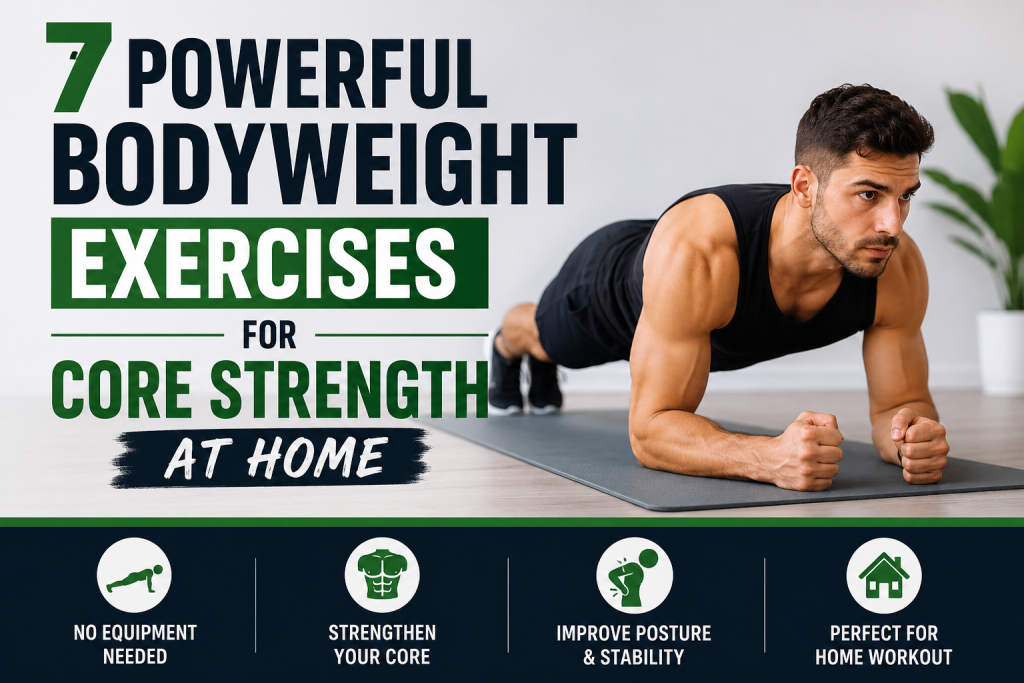
7 Powerful Bodyweight Exercises for Core Strength at Home
A strong core plays an important role in everyday movement, exercise, balance, and body control. Your core is more than just your abdominal muscles. It includes muscles around your abdomen, pelvis, lower back, and trunk that work together to stabilize your body.
The good news is that you do not always need weights or expensive gym equipment to train these muscles. Bodyweight Exercises for Core Strength can provide a convenient way to challenge your trunk using only your own body weight.
Whether you are exercising at home, traveling, or simply prefer equipment-free workouts, bodyweight training can be adapted to different fitness levels. The key is to focus on controlled movement and proper technique rather than trying to complete as many repetitions as possible.
This guide covers seven effective exercises, how to perform them, common mistakes, beginner modifications, and practical tips for building a stronger core.
What Is Core Strength?

Core strength refers to your ability to control and stabilize the muscles surrounding your trunk and pelvis. These muscles help transfer force between your upper and lower body and contribute to efficient movement.
Your core is involved when you walk, bend, reach, lift, rotate, climb stairs, or maintain balance. A well-trained core does not simply mean having visible abdominal muscles. Strength, endurance, coordination, and control are all important.
A good core routine should therefore include exercises that challenge your body in different ways. Some movements train the front of the trunk, while others emphasize stability and resistance to unwanted movement.
Why Choose Bodyweight Exercises?
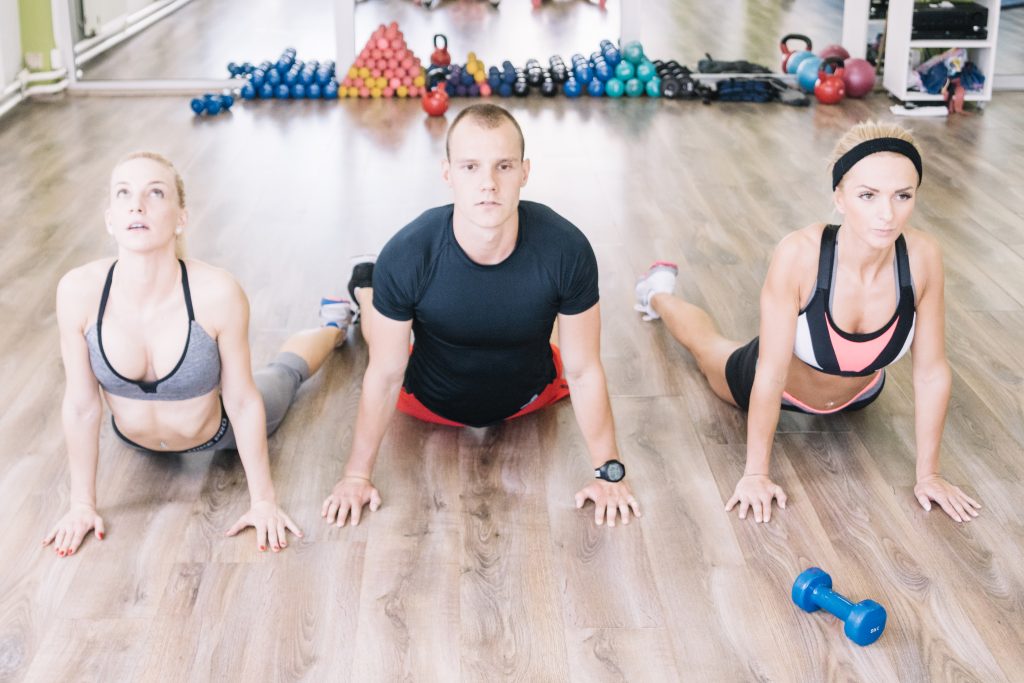
Bodyweight Exercises for Core Strength are accessible because they require little or no equipment. You can perform many of them on a small area of floor at home.
Another advantage is that exercises can usually be modified. Beginners can reduce the range of motion or perform an easier variation, while more experienced exercisers can increase difficulty by slowing the movement, adding pauses, or using more challenging positions.
Bodyweight training can also make it easier to concentrate on movement quality. Instead of worrying about how much weight you are lifting, you can focus on breathing, alignment, and control.
1. Forearm Plank
The forearm plank is a classic core stability exercise. It challenges the muscles around your abdomen and trunk while requiring you to maintain a stable body position.
How to Perform It

Start on your forearms and knees. Place your elbows underneath or slightly in front of your shoulders. Step one foot back at a time until your body forms a relatively straight line from your shoulders toward your heels.
Keep your abdominal muscles gently engaged and avoid allowing your hips to drop toward the floor. At the same time, do not lift your hips excessively.
Begin with a short hold of around 15–30 seconds. Rest and repeat for several sets according to your fitness level.
Common Mistakes
Avoid holding your breath, shrugging your shoulders, or allowing your lower back to sag. A shorter plank performed with good control is more useful than a long hold with poor alignment.
2. Dead Bug
The dead bug is an excellent choice for learning how to control your trunk while moving your arms and legs.
How to Perform It
Lie on your back with your knees bent and lifted so that your hips and knees are roughly at right angles. Raise your arms toward the ceiling.
Slowly lower one arm and the opposite leg toward the floor. Keep your trunk controlled and return to the starting position. Repeat on the other side.
Move slowly rather than trying to complete the repetitions quickly.
Beginner Modification

If extending both limbs is difficult, move only one arm or one leg at a time. As your control improves, gradually increase the range of motion.
This is one of the most useful Bodyweight Exercises for Core Strength because it teaches the body to resist excessive movement while the limbs are moving.
3. Bird Dog
The bird dog combines balance, trunk stability, and controlled movement. It is performed from a hands-and-knees position.
How to Perform It
Start with your hands underneath your shoulders and knees underneath your hips. Keep your spine in a comfortable neutral position.
Slowly extend one arm forward while extending the opposite leg backward. Pause briefly, then return both limbs to the starting position.
Repeat on the opposite side.
Technique Tips
Try not to rotate your hips as you extend your leg. Imagine balancing a small object on your lower back and keeping it stable throughout the movement.
If the full movement is challenging, begin by lifting only one arm or one leg.
4. Glute Bridge
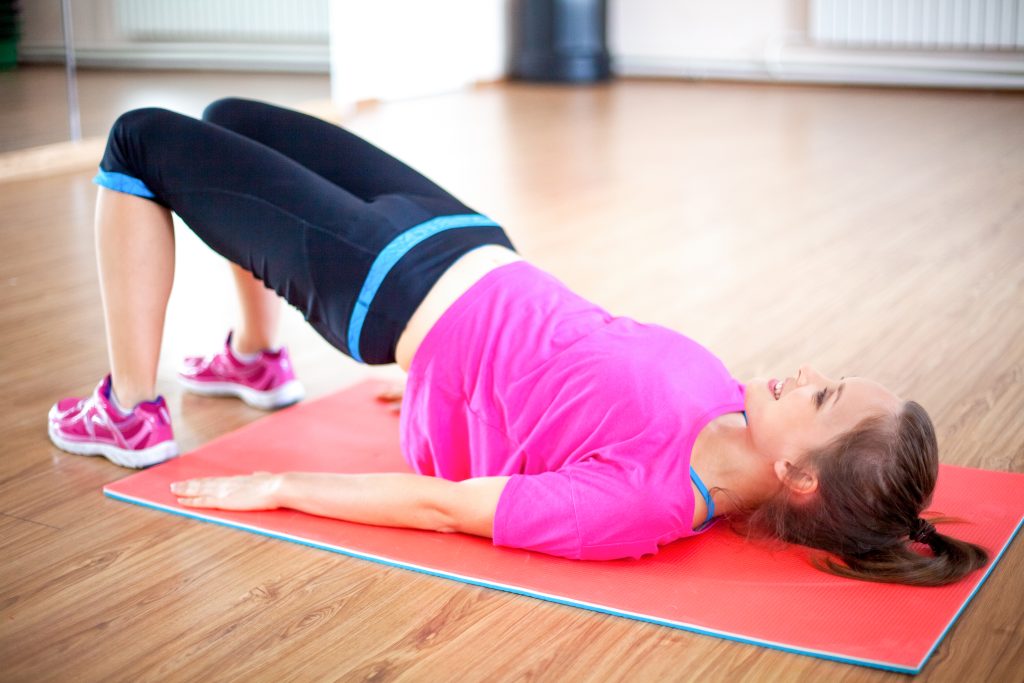
Although the glute bridge is often considered a hip exercise, it also requires trunk control. It can be a useful addition to a balanced core routine.
How to Perform It
Lie on your back with your knees bent and feet flat on the floor. Keep your feet approximately hip-width apart.
Gently brace your abdomen and press through your feet to lift your hips. Continue until your hips are aligned comfortably with your shoulders and knees.
Pause briefly at the top, then lower your hips slowly.
Common Mistakes
Avoid pushing your hips excessively high or arching your lower back. The movement should be controlled and comfortable.
You can make the exercise more challenging by slowing the lowering phase or progressing to a single-leg variation when you have developed sufficient control.
5. Side Plank
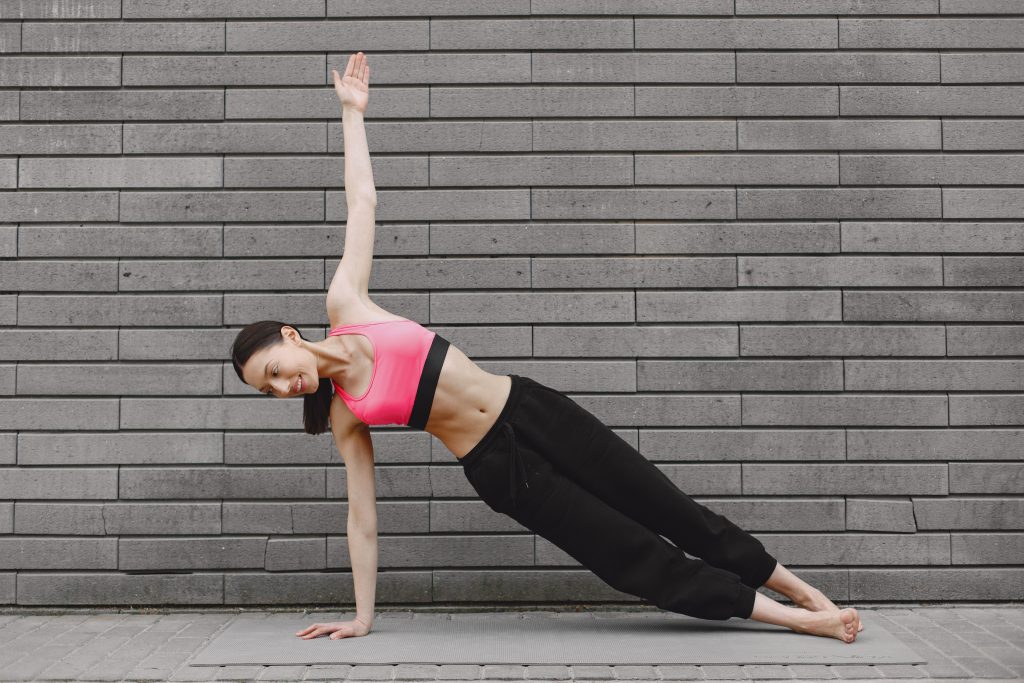
The side plank emphasizes the muscles responsible for lateral trunk stability. It can also challenge the shoulders and hips.
How to Perform It
Lie on your side with your elbow underneath your shoulder. Bend your knees for an easier version or straighten your legs for a more challenging variation.
Lift your hips from the floor while keeping your body aligned. Hold the position while breathing normally.
Start with a short hold and gradually increase the duration as your strength improves.
Beginner Version
Keep your knees bent and maintain your lower legs on the floor. This reduces the amount of body weight you need to support.
Side plank variations are valuable Bodyweight Exercises for Core Strength because they train your trunk to resist sideways movement.
6. Mountain Climber

Mountain climbers introduce movement while requiring you to maintain a stable trunk position. They can also increase your heart rate when performed at a faster pace.
How to Perform It
Start in a high plank position with your hands beneath your shoulders. Keep your body relatively straight.
Bring one knee toward your chest without allowing your hips to rise dramatically. Return the leg and repeat on the opposite side.
Beginners should perform the movement slowly. Once good control is established, the pace can be increased.
Technique Tips
Do not sacrifice form for speed. Keep your shoulders stable and avoid excessive bouncing through the hips.
If the full exercise is difficult, place your hands on a stable elevated surface to reduce the challenge.
7. Reverse Crunch
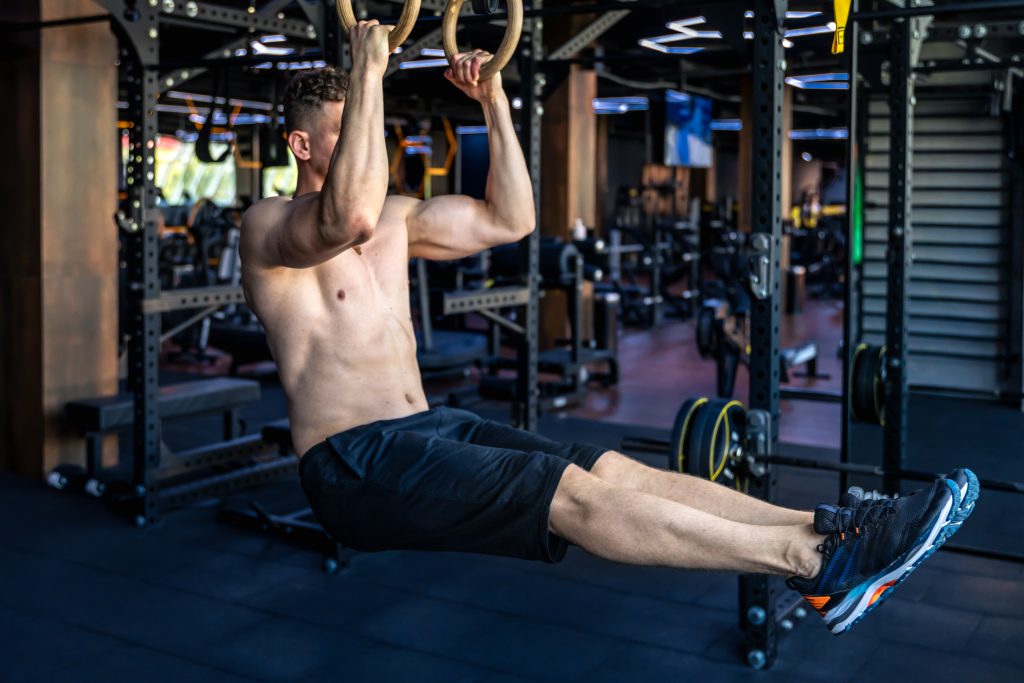
The reverse crunch focuses on controlled movement of the pelvis and trunk.
How to Perform It
Lie on your back with your knees bent and feet lifted from the floor. Place your arms beside you for support.
Gently draw your knees toward your chest and curl your pelvis slightly upward. The movement should be small and controlled.
Slowly return to the starting position without swinging your legs.
Common Mistakes
Avoid using momentum. The goal is controlled movement rather than throwing the legs upward.
If you feel discomfort in your lower back, reduce the range or choose a different exercise that you can perform comfortably.
How to Build a Core Workout
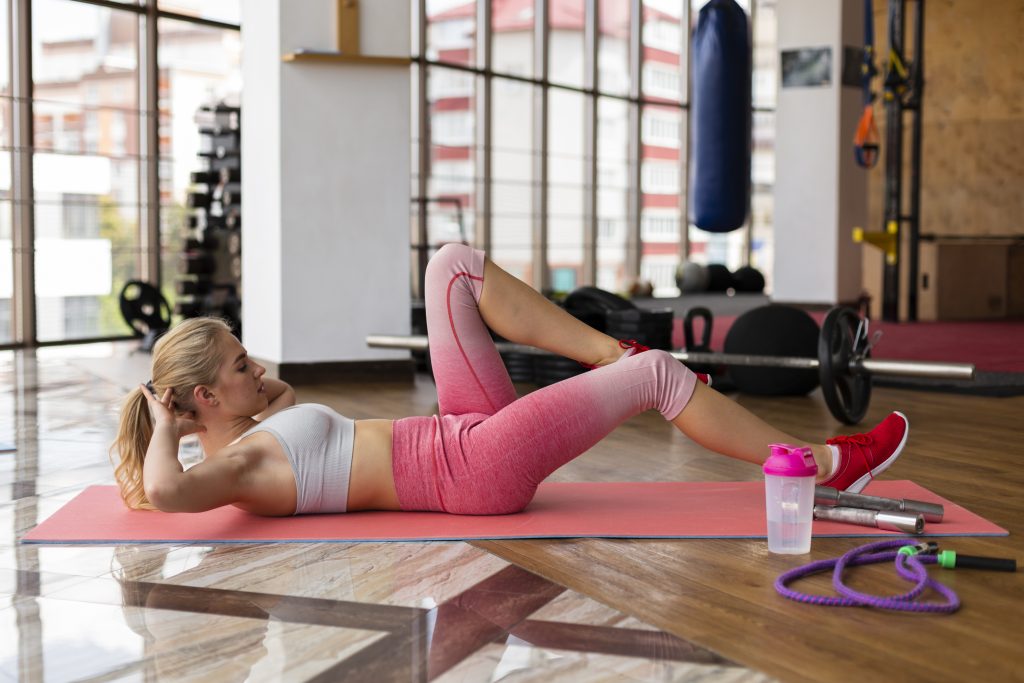
A simple home routine does not need to contain every exercise. You can choose three or four movements and perform them with good technique.
For example:
- Forearm plank: 20–30 seconds
- Dead bug: 8–10 repetitions per side
- Bird dog: 8–10 repetitions per side
- Side plank: 15–25 seconds per side
Rest between exercises as needed. Beginners can start with one or two rounds, while more experienced exercisers may gradually increase the number of rounds.
The goal is progressive improvement rather than exhausting yourself during every workout.
How Often Should You Train Your Core?
Training frequency depends on your overall exercise program, fitness level, and recovery. Many people can include core exercises several times per week as part of a balanced routine.
However, more training is not automatically better. Your muscles need time to recover, particularly if you are performing challenging variations.
Instead of focusing only on frequency, pay attention to movement quality and gradual progression.
Tips for Better Results
When performing Bodyweight Exercises for Core Strength, technique should come before speed or repetition count.
Focus on Breathing
Do not hold your breath unnecessarily. Breathe steadily and use controlled exhalation during difficult portions of a movement.
Keep Movements Controlled
Slow repetitions can make an exercise more challenging without adding equipment. Avoid rushing through movements.
Progress Gradually
Once an exercise becomes easy, increase the difficulty slightly. You might add a few seconds to a plank, increase repetitions, or move to a more advanced variation.
Train the Whole Body
Core training works best as part of a broader exercise program. Include lower-body, upper-body, cardiovascular, mobility, and balance exercises according to your goals.
Benefits of Bodyweight Core Training
One reason people choose Bodyweight Exercises for Core Strength is convenience. You can perform many movements at home without buying weights or machines.
Regular strength training can help develop muscular strength and endurance when exercises are performed progressively and consistently. The American College of Sports Medicine recommends resistance exercise as an important component of physical activity and provides guidance for adapting resistance training to different individuals. (acsm.org)
Core exercises may also help you become more aware of how you control your trunk during movement. However, no single exercise guarantees prevention or treatment of back pain.
If you currently have persistent pain, an injury, numbness, weakness, or other concerning symptoms, seek advice from an appropriately qualified healthcare professional.
Beginner-Friendly Progression
If you are new to exercise, start with easier versions. You do not need to perform advanced exercises immediately.
For example, begin with a plank from the knees instead of the toes. Perform bird dog by lifting one limb at a time. For side planks, keep the knees bent.
After several sessions, assess whether the movement feels easier and more controlled. You can then progress gradually.
This approach makes Bodyweight Exercises for Core Strength suitable for a wide range of general fitness levels, provided the exercises are appropriately modified.
Safety Tips
Good form is important, but safety also depends on choosing exercises that match your current ability.
Stop an exercise if you experience sharp pain, unusual weakness, numbness, dizziness, or symptoms that concern you.
People recovering from surgery or injury should follow guidance from their healthcare professional before starting a new exercise routine.
Do not compare your ability with someone else’s. Your starting point, mobility, strength, and training history are different.
Frequently Asked Questions
Can I Build Core Strength Without Equipment?
Yes. Many effective core exercises use body weight alone. Planks, dead bugs, bird dogs, bridges, and side planks can all be performed without gym equipment.
Are Bodyweight Exercises Suitable for Beginners?
They can be. The important factor is choosing an appropriate variation. Beginners should start with easier positions and gradually progress as their control improves.
How Long Should a Plank Be Held?
There is no universal time that everyone needs to reach. Start with a duration that allows you to maintain good form. Gradually increase the time as the exercise becomes easier.
Can Core Exercises Give Me Visible Abs?
Core exercises can strengthen abdominal muscles, but visible abdominal definition also depends on factors such as overall body composition, genetics, nutrition, and activity levels. Performing more abdominal exercises alone does not guarantee visible abs.
Can Core Exercises Help Back Pain?
Core strengthening may be included in some rehabilitation programs, but the best exercise depends on the individual’s symptoms and underlying condition. If you have ongoing back pain, personalized assessment is preferable to following a generic routine.
Final Thoughts
A strong core is built through consistent training, appropriate progression, and good movement control. You do not need a gym full of equipment to get started.
The seven exercises in this guide provide different ways to challenge trunk stability, coordination, and muscular endurance. Start with manageable variations and focus on performing each repetition with control.
Bodyweight Exercises for Core Strength can be especially convenient for people who want a simple home routine. As your fitness improves, gradually increase the challenge rather than trying to progress too quickly.
Remember that core training is only one part of overall fitness. Combine it with regular physical activity, strength training for the rest of your body, mobility work, and adequate recovery for a more balanced approach to exercise.
If you experience persistent pain or have a known medical condition, speak with a qualified healthcare professional before beginning a new exercise program.