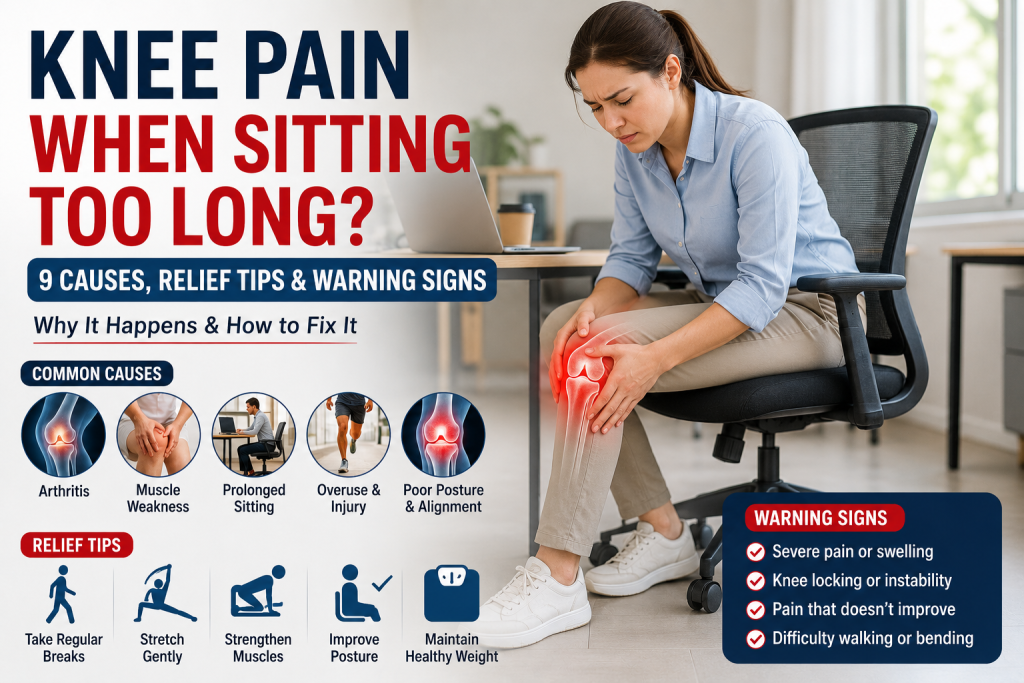
Knee Pain When Sitting Too Long: 9 Causes, Relief Tips & Warning Signs
Sitting for a long time may seem harmless, but many people notice stiffness, aching, pressure, or discomfort in their knees after working at a desk, driving, studying, traveling, or relaxing on the couch. In some cases, the pain improves after standing up and moving around. In others, it may continue during walking, climbing stairs, squatting, or other daily activities.
Knee Pain When Sitting Too Long can happen for several reasons. Staying in one position for an extended period may leave the knee stiff, while certain knee conditions can become more noticeable when the joint remains bent for a long time. Weakness, previous injuries, repetitive stress, and changes inside the knee joint may also contribute.
This guide explains common causes, symptoms, relief strategies, prevention tips, and warning signs that may mean you should seek medical advice.
Important: Knee pain can have different causes, and this article provides general educational information. It cannot replace a diagnosis from a qualified healthcare professional.
Why Does Sitting Too Long Cause Knee Pain?
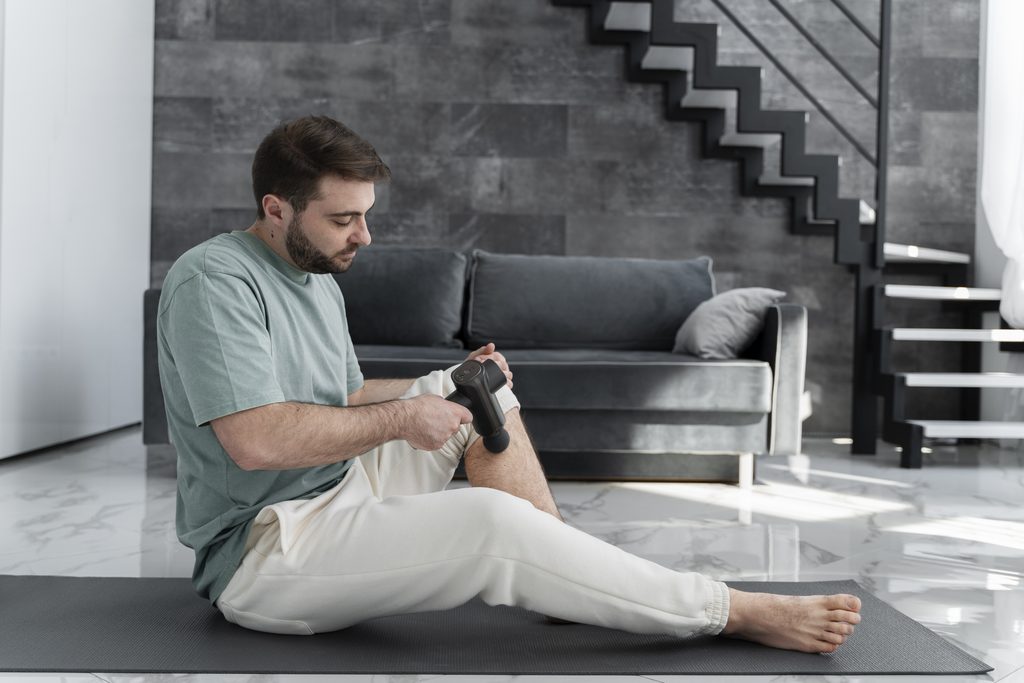
Knee Pain When Sitting Too Long is often related to keeping the knee in a bent position without changing posture for an extended period. When you finally stand up, the joint and surrounding muscles may feel stiff or uncomfortable.
Several factors may contribute:
- The knee remains bent for a prolonged period.
- Muscles around the hip and thigh may become stiff.
- Reduced movement can make an existing knee problem more noticeable.
- Pressure around the kneecap may increase in some positions.
- Poor sitting posture may change how the hips, legs, and knees are positioned.
- Previous injuries or underlying joint conditions may become more symptomatic.
The location of the pain can provide useful clues. Pain around or behind the kneecap may have different causes from pain on the inner knee, outer knee, or back of the knee.
1. Patellofemoral Pain
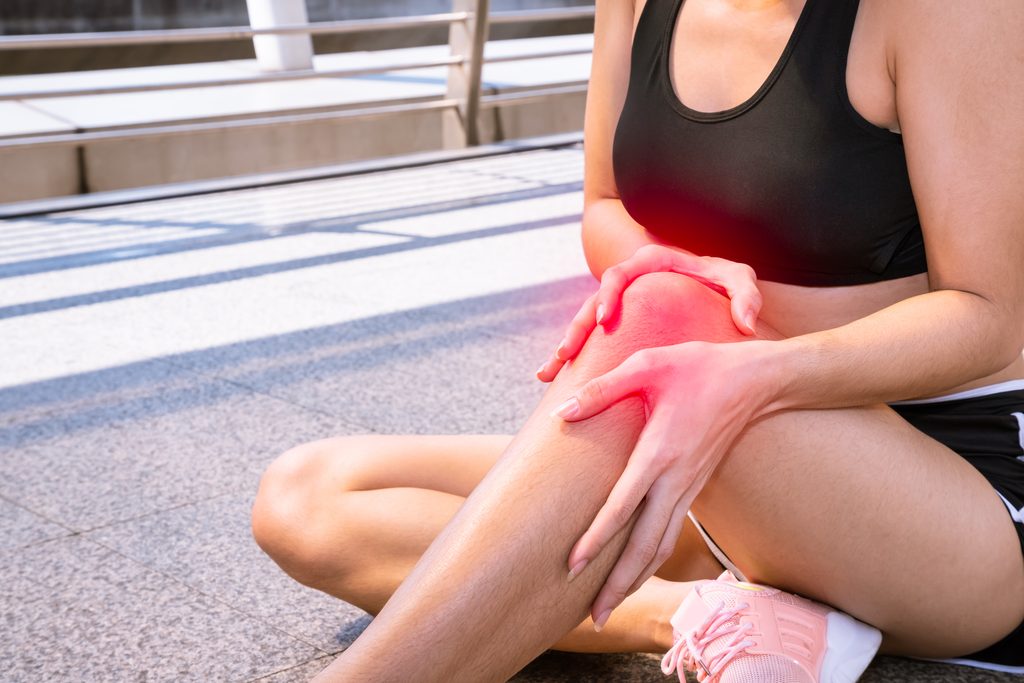
One common reason for Knee Pain When Sitting Too Long is patellofemoral pain, sometimes called anterior knee pain. This condition often causes discomfort around or behind the kneecap.
Symptoms may become noticeable when:
- Sitting with bent knees for a long time
- Climbing or descending stairs
- Squatting
- Running
- Kneeling
- Standing after prolonged sitting
Some people experience a dull ache rather than severe pain. Others may feel pressure around the kneecap or discomfort when first standing up.
Patellofemoral pain can have multiple contributing factors, including activity level, muscle strength, movement patterns, and the way the knee is loaded during activity.
2. Knee Stiffness From Inactivity
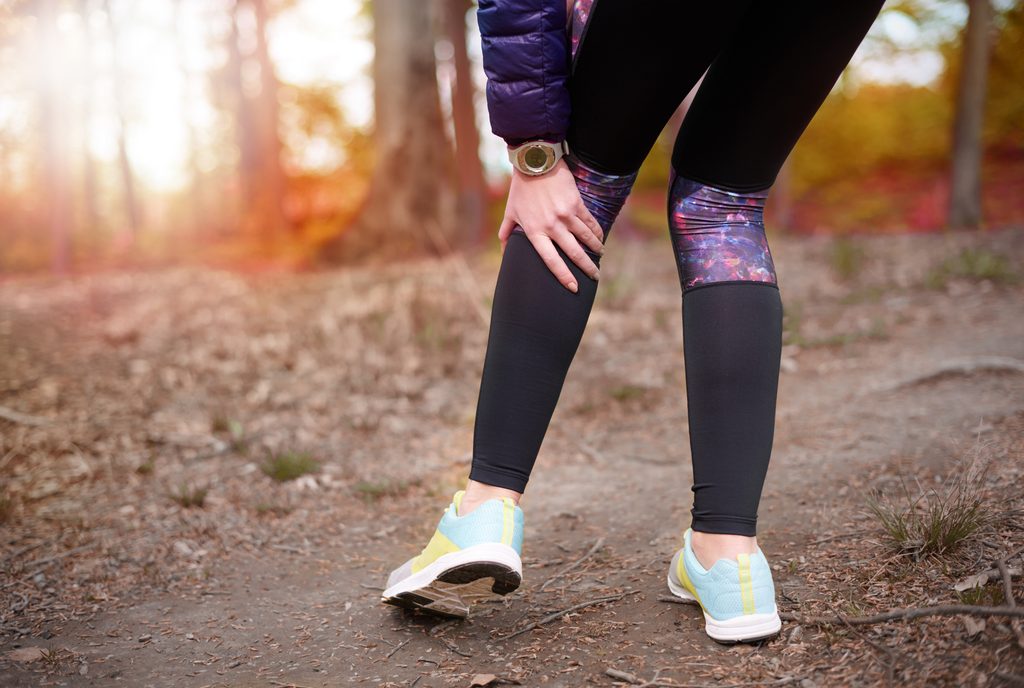
Sometimes the problem is not a serious injury but temporary stiffness. Remaining still for hours can leave muscles and joints feeling less mobile.
Knee Pain When Sitting Too Long may therefore feel worse immediately after standing. A few gentle movements may reduce the stiffness.
However, repeated stiffness should not always be ignored, especially if it is becoming more frequent or is associated with swelling, weakness, or reduced movement.
Regular movement breaks can help prevent your knees from remaining in one position for too long.
3. Osteoarthritis
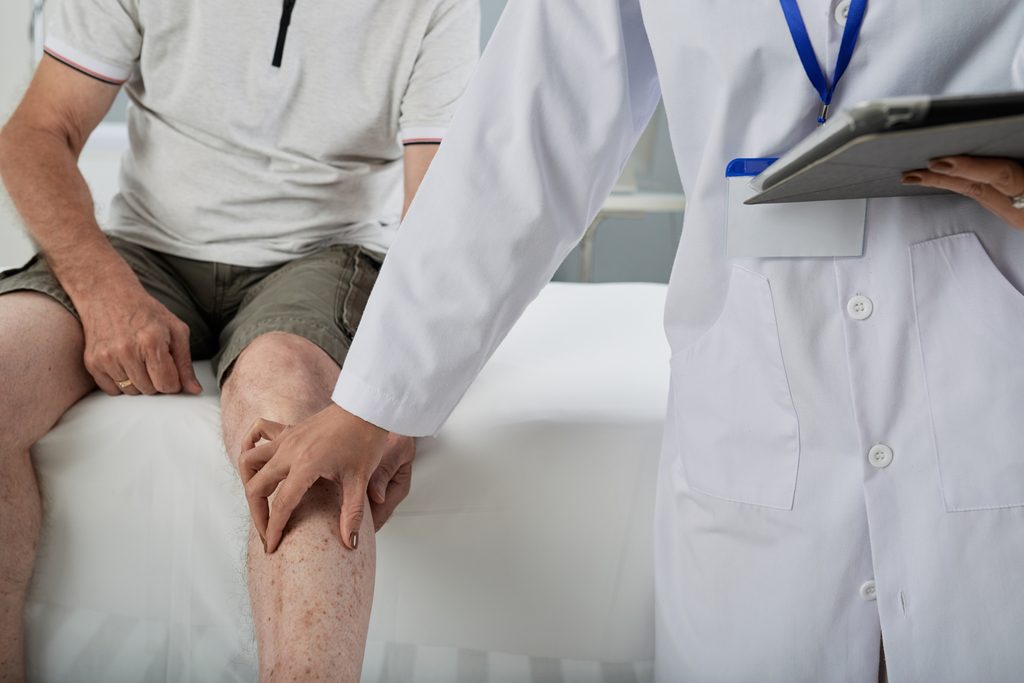
Osteoarthritis is another possible cause of knee discomfort, particularly in adults with joint changes associated with age, previous injury, body weight, or long-term joint stress.
Symptoms may include:
- Aching
- Stiffness
- Swelling
- Reduced range of motion
- Pain during activity
- Discomfort after remaining in one position
People with osteoarthritis may notice stiffness after periods of inactivity, including prolonged sitting.
If knee symptoms are persistent or gradually worsening, a healthcare professional can help determine whether arthritis or another condition may be involved.
4. Muscle Weakness or Imbalance
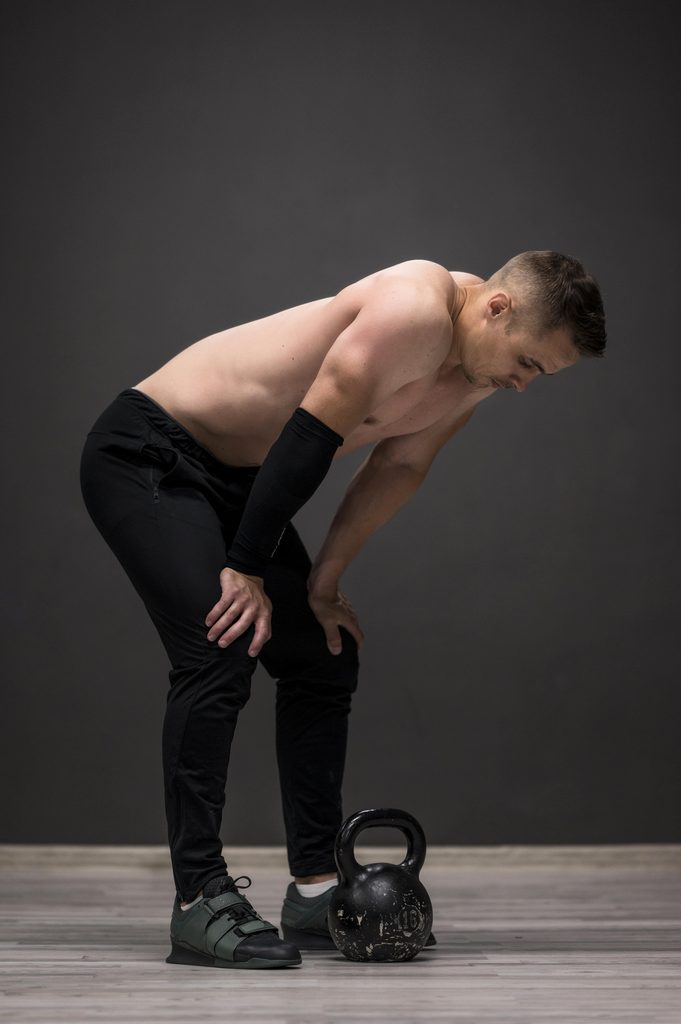
The muscles around the knee, hips, and core all help control lower-body movement. If certain muscles are weak or not functioning effectively, the knee may experience increased stress during everyday activities.
Weakness in the quadriceps, gluteal muscles, or other supporting muscles may contribute to poor movement control.
Knee Pain When Sitting Too Long may not be caused only by sitting itself. Sitting can sometimes make an underlying weakness or movement problem more noticeable when you stand and begin walking.
A physiotherapist can assess strength, movement patterns, and flexibility to create an individualized exercise program.
5. Tight Muscles Around the Hip and Thigh
Long periods of sitting may contribute to a feeling of tightness around the hips and thighs. Tight or stiff muscles may affect how comfortably you move when standing.
Areas that may contribute include:
- Hip flexors
- Quadriceps
- Hamstrings
- Calf muscles
Not everyone with tight muscles will develop knee pain, but reduced mobility can be one factor worth considering.
Gentle movement and appropriate stretching may help some people, although aggressive stretching should be avoided if it increases pain.
6. Previous Knee Injuries
A previous ligament, cartilage, tendon, or other knee injury may leave the joint more sensitive to certain positions or activities.
Knee Pain When Sitting Too Long can sometimes occur when an old injury has not fully regained strength or mobility.
If your pain started after a fall, sports injury, twisting movement, or accident, it is important to consider whether the original injury needs further evaluation.
A popping sensation, significant swelling, instability, or inability to bear weight should not be treated as simple sitting-related stiffness.
7. Meniscus Problems
The meniscus is cartilage that helps cushion and stabilize the knee. A meniscus injury may cause pain, swelling, catching, clicking, or difficulty moving the knee normally.
Pain can occur in different areas depending on the part of the knee involved.
Some people with meniscus problems experience discomfort after sitting, particularly when they first begin moving again.
If your knee repeatedly locks, catches, gives way, or becomes significantly swollen, seek professional evaluation.
8. Poor Sitting Position
Your chair, desk setup, and leg position can influence how comfortable your knees feel.
Examples include:
- Sitting with knees bent sharply for long periods
- Crossing your legs for an extended time
- Sitting on a chair that is too low or too high
- Keeping your feet unsupported
- Remaining in the same position for several hours
Changing position occasionally may help reduce prolonged stress on one area.
Try to keep your feet comfortably supported and avoid forcing the knees into an uncomfortable position.
9. Overuse From Daily Activities or Exercise
Your knee pain may be related to activities outside of sitting. Running, cycling, squatting, climbing stairs, heavy physical work, or a sudden increase in exercise can irritate structures around the knee.
Knee Pain When Sitting Too Long may simply be the time when you notice symptoms from earlier activity.
For example, if your knee is irritated after a workout, sitting with it bent may make the discomfort more noticeable.
Consider whether your training volume, exercise intensity, footwear, or activity level changed shortly before your symptoms started.
What Does Knee Pain From Prolonged Sitting Feel Like?
The symptoms can vary depending on the underlying cause.
You may experience:
- A dull ache
- Sharp pain when standing
- Pressure behind the kneecap
- Stiffness
- Clicking or popping
- Temporary difficulty straightening the knee
- Pain when climbing stairs
- Discomfort during squatting
- A feeling that the knee needs to “loosen up”
Knee Pain When Sitting Too Long may improve after gentle movement, but persistent or worsening symptoms deserve attention.
The exact location is also important. Pain at the front of the knee may have different causes from pain on the sides or back of the joint.
How to Get Relief
The best treatment depends on the cause, but several general strategies may help mild discomfort.
1. Take Regular Movement Breaks
Avoid remaining in exactly the same position for several hours.
Stand up periodically, walk for a short distance, or gently move your legs. Even brief movement breaks can help reduce stiffness.
2. Adjust Your Sitting Position
Try to sit with your feet supported and your knees in a comfortable position.
Avoid sitting with extreme knee bending if that position consistently triggers pain.
If your chair height is uncomfortable, consider adjusting it so your hips and knees can remain in a relaxed position.
3. Perform Gentle Knee Movements
Slowly bending and straightening the knee may help maintain comfortable movement.
Do not force the knee through severe pain or attempt aggressive exercises immediately after an injury.
4. Strengthen Supporting Muscles
A rehabilitation program may include exercises for:
- Quadriceps
- Glutes
- Hamstrings
- Calves
- Core muscles
Strengthening should be progressed gradually. The right exercise for one knee problem may not be suitable for another.
5. Modify Aggravating Activities
If running, squatting, stairs, or another activity clearly worsens symptoms, temporarily reducing or modifying that activity may help.
Complete rest is not always necessary, but continuing to push through increasing pain may delay recovery.
6. Use Cold or Heat Carefully
Some people find a wrapped cold pack helpful after activity-related irritation, while others prefer gentle heat for stiffness.
The best choice can depend on the situation. Avoid applying extreme temperatures directly to the skin.
7. Consider Professional Assessment
If symptoms continue, a doctor or physiotherapist can assess your knee and recommend treatment based on the likely cause.
Simple Exercises That May Help
For mild stiffness, gentle exercises may support mobility and strength.
Possible examples include:
Knee Extensions
While sitting comfortably, slowly straighten one knee and then lower it with control.
Gentle Heel Slides
While lying down, slowly slide your heel toward your body and then return to a comfortable starting position.
Quadriceps Contractions
With your leg supported, gently tighten the muscles at the front of your thigh and relax.
Glute Bridges
If comfortable and appropriate for your condition, glute bridges may help strengthen muscles around the hips.
Stop any exercise that causes sharp pain, significant swelling, or worsening symptoms. If you have a known injury or chronic knee condition, seek individualized guidance before starting a new exercise program.
How to Prevent Knee Pain While Sitting
Knee Pain When Sitting Too Long may sometimes be reduced through simple daily habits.
Try the following:
Change Positions Regularly
Do not remain frozen in one posture for the entire day. Small position changes can help.
Get Up and Walk
Short walks throughout the day can reduce prolonged inactivity.
Improve Your Workspace
Adjust your chair and desk so you can sit comfortably without placing unnecessary strain on your legs.
Stay Physically Active
Regular exercise can support overall strength, mobility, and joint health.
Increase Exercise Gradually
Avoid suddenly doubling your running distance, workout intensity, or training frequency.
Maintain Healthy Movement Habits
Warm up before intense exercise and allow enough recovery between demanding workouts.
When Should You See a Doctor?
Not all knee pain requires urgent medical care, but some symptoms should be checked.
Consider scheduling an appointment if:
- Pain lasts for several weeks
- Symptoms are becoming worse
- The knee repeatedly swells
- Your movement is becoming limited
- The knee feels unstable or gives way
- You experience repeated locking or catching
- Pain interferes with normal daily activities
Seek prompt medical attention after a major injury, especially if you cannot bear weight, the knee looks deformed, or swelling develops rapidly.
You should also seek medical advice if knee pain is associated with unexplained fever, significant redness, or warmth around the joint.
Frequently Asked Questions
Why does my knee hurt after sitting for hours?
Knee Pain When Sitting Too Long may result from stiffness, prolonged knee bending, patellofemoral pain, arthritis, muscle weakness, or another underlying condition. The exact cause depends on your symptoms and medical history.
Is knee pain after sitting a sign of arthritis?
It can be associated with arthritis, but it does not automatically mean you have arthritis. Other conditions can also cause stiffness and pain after inactivity.
Why does my knee hurt when I stand up after sitting?
Standing requires the knee to begin moving and bearing weight again. If the joint or surrounding muscles are stiff or irritated, pain may become noticeable during those first movements.
Can sitting with bent knees cause pain?
For some people, yes. Remaining in a deeply bent position for a long time may aggravate pain around the kneecap or an existing knee problem.
Should I stretch my knee if it hurts after sitting?
Gentle movement may be helpful, but avoid forcing painful stretches. If the pain is severe, persistent, or related to an injury, seek professional guidance.
How often should I take movement breaks?
The ideal schedule varies depending on your work and health needs, but regularly changing position and avoiding very long uninterrupted periods of sitting can be helpful.
Final Thoughts
Knee Pain When Sitting Too Long can be frustrating, especially when it affects work, driving, travel, or everyday activities. In many cases, stiffness, prolonged knee bending, muscle weakness, overuse, or patellofemoral pain may contribute.
Simple changes such as taking regular movement breaks, adjusting your sitting position, gradually strengthening supporting muscles, and managing activity levels may help mild symptoms.
However, Knee Pain When Sitting Too Long should not automatically be dismissed if it keeps returning. Persistent pain, swelling, instability, locking, significant weakness, or difficulty walking may indicate a problem that needs professional evaluation.
Understanding when the pain occurs, where it is located, and what movements make it better or worse can provide useful information for a doctor or physiotherapist. With an accurate assessment and an appropriate treatment plan, many knee problems can be managed effectively.