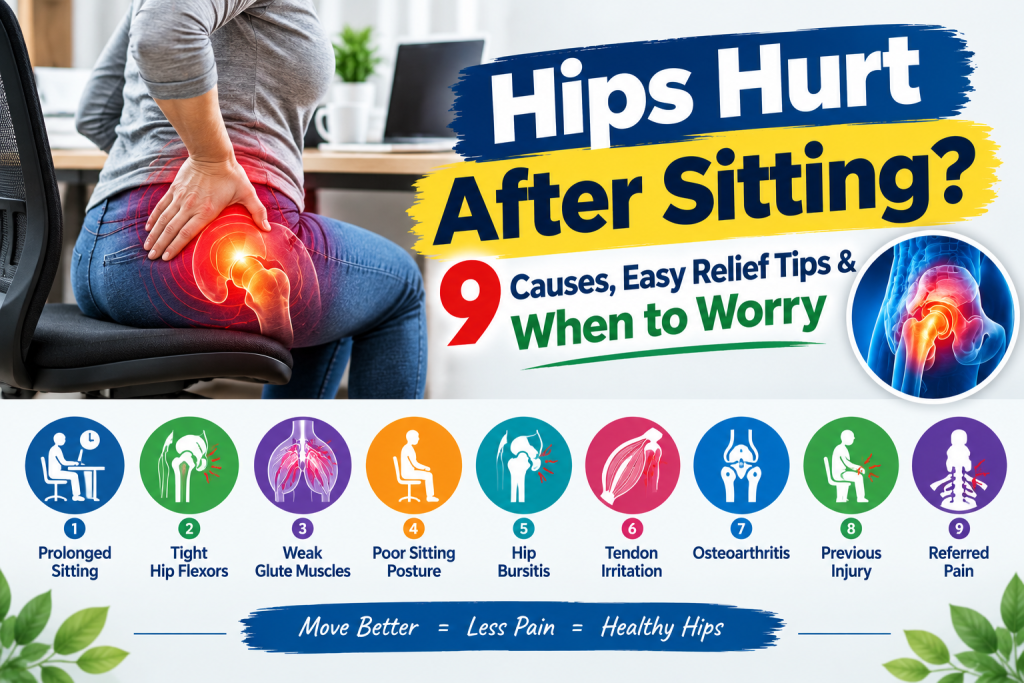
Hips Hurt After Sitting? 9 Causes, Easy Relief Tips & When to Worry
If your hips hurt after sitting, you are not alone. Hip discomfort after spending a long time at a desk, driving, watching TV, or sitting on the couch is a common complaint. Sometimes the discomfort comes from staying in one position for too long, while in other cases it may be related to muscles, tendons, joints, posture, or an underlying condition.
The good news is that many causes of hip discomfort can improve with simple changes such as regular movement, gentle stretching, better sitting posture, and strengthening exercises. However, persistent or severe pain should not be ignored, especially when it affects walking or daily activities.
In this guide, we will discuss the common reasons your hips hurt after sitting, what you can do at home, which exercises may help, and when it is important to seek professional medical advice.
Why Do My Hips Hurt After Sitting?
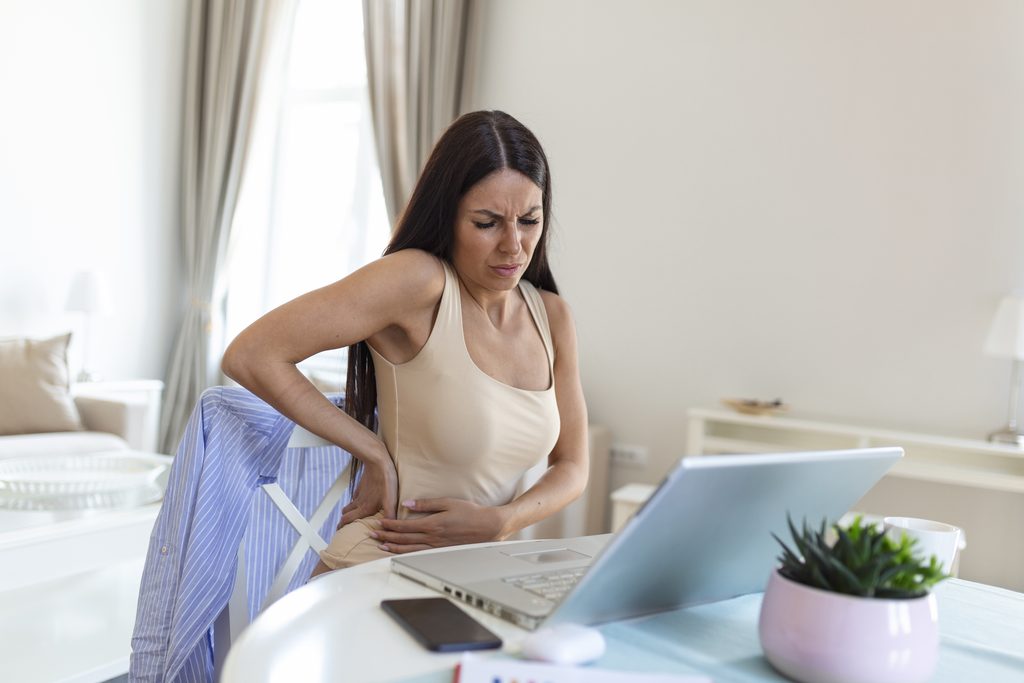
When you sit for a long period, your hip joints remain in a flexed position. The muscles around your hips may become stiff, while some tissues can experience increased pressure. If your sitting position is poor or you rarely change positions, this may contribute to discomfort.
For some people, the problem is simply temporary stiffness. For others, recurring symptoms may indicate muscle weakness, tendon irritation, arthritis, bursitis, or another musculoskeletal issue.
Understanding the possible cause can help you choose the right approach.
9 Common Reasons Your Hips Hurt After Sitting
1. Prolonged Sitting
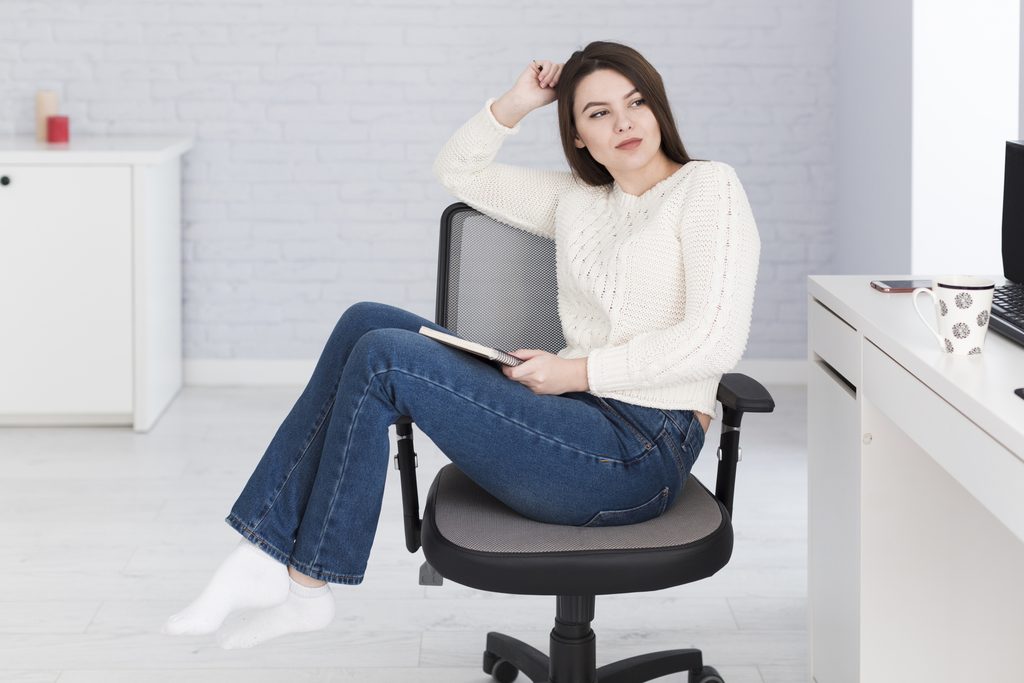
One of the simplest explanations for why your hips hurt after sitting is spending too much time in one position.
Long periods of sitting can reduce movement around the hip joint and cause surrounding muscles to feel tight. This is especially common among people who work at a desk or spend several hours driving.
You may notice stiffness when standing up after sitting. The discomfort may improve after walking around for a few minutes.
Try standing up every 30 to 60 minutes and taking a short walk. Even brief movement breaks can help reduce stiffness.
2. Tight Hip Flexors
Your hip flexors are a group of muscles located toward the front of your hips. They help lift your thigh and are active when you walk, climb stairs, and sit.
During sitting, these muscles remain in a shortened position. If you sit for many hours every day, they may become tight or uncomfortable.
Tight hip flexors can sometimes contribute to discomfort around the front of the hip or groin. Gentle stretching and regular movement may help.
3. Weak Glute Muscles
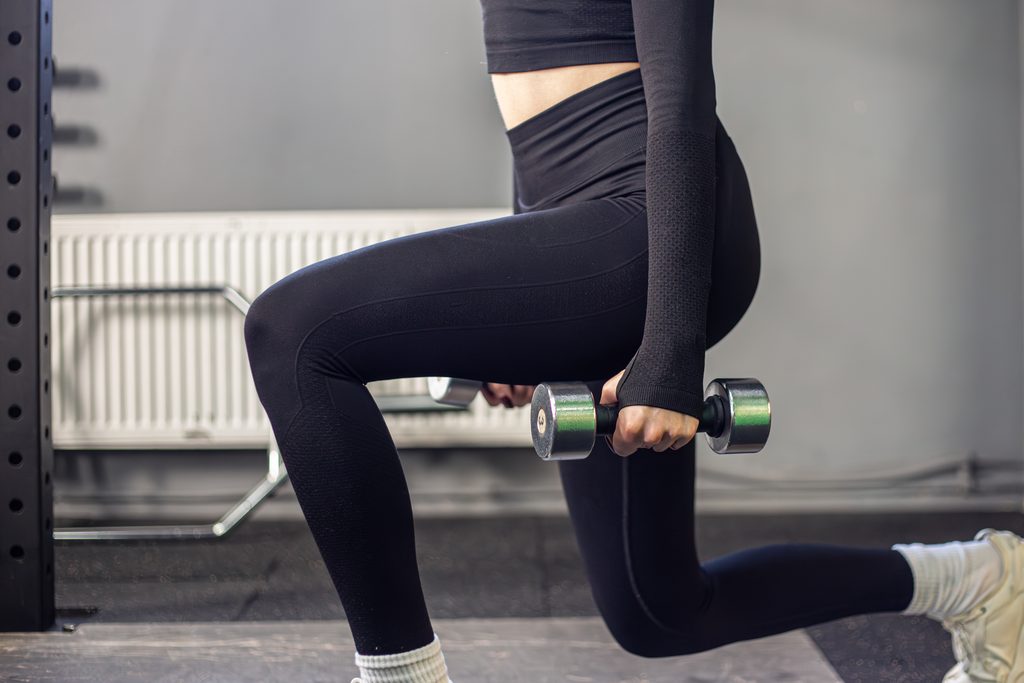
Your gluteal muscles play an important role in stabilizing your hips and pelvis.
If these muscles are weak, other muscles may have to work harder during walking, standing, or exercising. Over time, this may contribute to hip discomfort.
Weak glutes are particularly common among people who spend much of their day sitting.
Exercises such as bridges, side-lying leg raises, and controlled squats can help strengthen the muscles around your hips when performed correctly.
4. Poor Sitting Posture
Posture can influence how pressure is distributed through your hips, pelvis, and lower back.
Sitting with your pelvis slumped backward, leaning to one side, crossing your legs for long periods, or using a chair that does not provide adequate support may contribute to discomfort.
A better sitting position generally involves:
- Keeping both feet supported
- Keeping your hips and knees comfortably positioned
- Avoiding prolonged leaning to one side
- Keeping your back reasonably supported
- Changing position regularly
There is no single perfect sitting posture that works for everyone. The most important thing is to avoid remaining in one position for too long.
5. Hip Bursitis
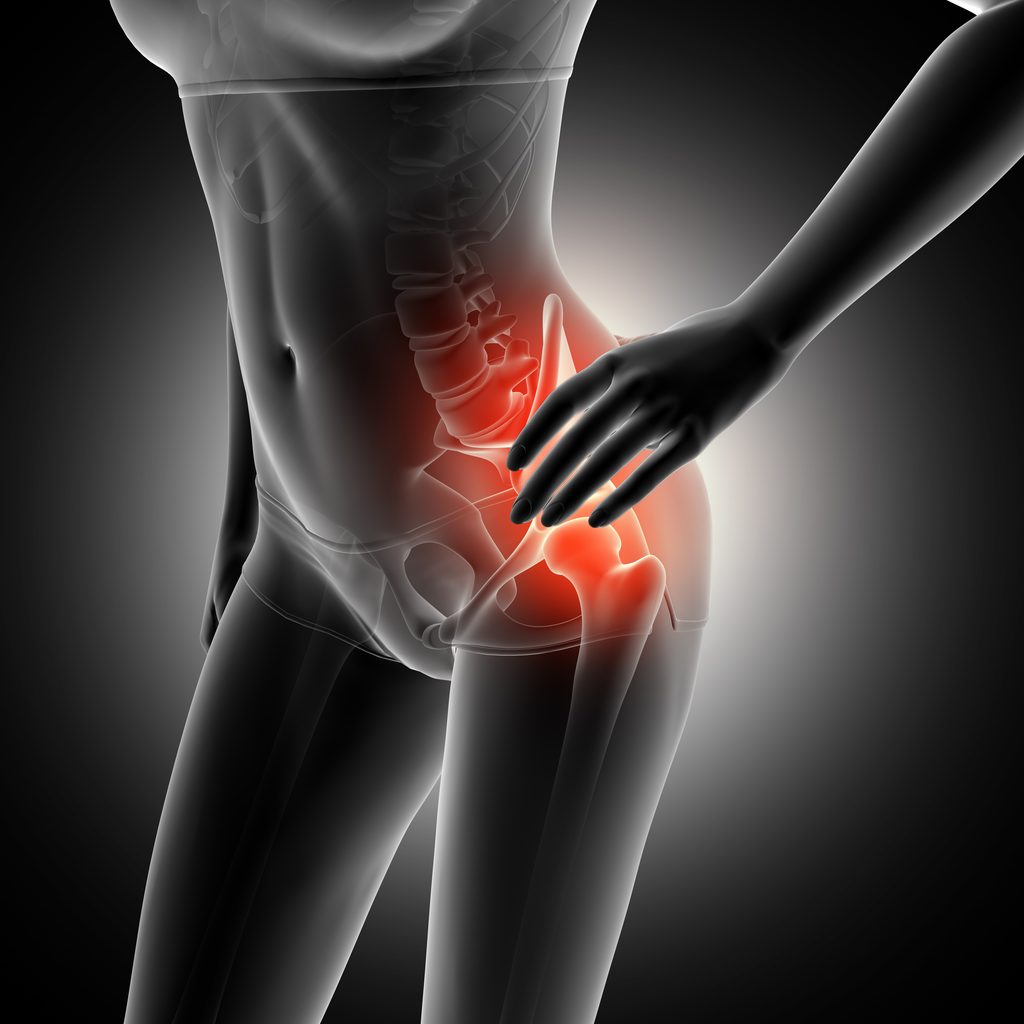
Bursae are small fluid-filled sacs that help reduce friction between tissues. When one becomes irritated, it can cause pain around the outside of the hip.
People with hip bursitis may experience tenderness over the outer hip. Symptoms can sometimes become worse after prolonged sitting, climbing stairs, or lying on the affected side.
If you have persistent pain around the outside of your hip, a healthcare professional can help determine whether bursitis or another condition is responsible.
6. Tendon Irritation
Tendons connect muscles to bones. Repetitive activity, sudden increases in exercise, or poor movement patterns can sometimes irritate the tendons around the hip.
Hip tendon problems may cause localized pain that becomes noticeable during activities such as walking, running, climbing stairs, or getting up from a chair.
Rest from aggravating activities, gradual strengthening, and appropriate rehabilitation may help depending on the cause.
7. Osteoarthritis
Osteoarthritis occurs when the tissues within a joint undergo degenerative changes over time. Hip osteoarthritis can cause pain, stiffness, and reduced mobility.
People with hip arthritis may notice symptoms after sitting for a while and then standing up. Walking may initially feel uncomfortable, and stiffness can sometimes occur after periods of inactivity.
Other symptoms may include reduced hip movement, groin discomfort, or pain that becomes worse with certain activities.
If you regularly experience hip pain and stiffness, particularly if it is affecting your mobility, consider discussing your symptoms with a healthcare professional.
8. Previous Injury
An old hip, pelvic, back, or leg injury can sometimes contribute to recurring discomfort.
Even after an injury has healed, changes in strength, flexibility, movement patterns, or activity levels may remain. These changes can place additional stress on surrounding tissues.
If your hips hurt after sitting and you have a history of an injury or surgery, a physiotherapist can assess your movement and develop an appropriate rehabilitation plan.
9. Pain Referred From the Lower Back
Not every sensation felt around the hip actually originates from the hip joint.
Problems involving the lower back can sometimes produce pain that travels into the buttocks, hip, or leg. Nerve irritation can also cause symptoms such as tingling, numbness, burning, or weakness.
This is one reason why identifying the exact source of pain is important rather than assuming every hip symptom is caused by the hip joint itself.
What Can You Do When Your Hips Hurt After Sitting?
If your discomfort is mild and does not appear to be related to a serious injury, several simple strategies may help.
Take Frequent Movement Breaks
Avoid sitting continuously for several hours.
Try standing, walking around your room, or performing a few gentle movements throughout the day. If you work at a desk, consider setting a reminder to change positions regularly.
Improve Your Chair Setup
Your chair should allow you to sit comfortably without constantly leaning to one side.
Keep your feet supported and avoid sitting on extremely soft surfaces for extended periods if they make your symptoms worse.
Try Gentle Hip Stretches
Gentle stretching may help reduce stiffness.
A simple hip flexor stretch can be performed by placing one foot forward and gently moving the hips forward while keeping your torso upright. Do not force the movement or stretch into sharp pain.
Other gentle stretches may target the glutes, hamstrings, and surrounding hip muscles.
Strengthen the Muscles Around Your Hips
Stretching alone may not be enough if muscle weakness contributes to your symptoms.
Exercises such as glute bridges, controlled sit-to-stands, and side leg raises can help improve hip strength.
Start with a comfortable number of repetitions and increase gradually. If an exercise causes significant pain, stop and seek professional guidance.
Avoid Sudden Increases in Activity
If you have recently started running, hiking, gym workouts, or another activity, suddenly doing too much can overload the tissues around your hips.
Increase exercise gradually and give your body adequate recovery time.
Simple Exercises That May Help
When hips hurt after sitting, gentle strengthening and mobility exercises may be useful for some people.
Glute Bridge
Lie on your back with your knees bent and feet flat on the floor. Tighten your abdominal and glute muscles and gently lift your hips. Pause briefly before lowering back down.
Keep the movement controlled rather than pushing your hips as high as possible.
Sit-to-Stand
Sit on a stable chair with your feet positioned comfortably underneath you. Stand up slowly and then sit back down with control.
This exercise works the muscles involved in everyday movements and can be useful for building functional strength.
Side-Lying Leg Raise
Lie comfortably on one side with your legs extended. Slowly raise the upper leg without rotating your pelvis, then lower it with control.
This targets muscles that help stabilize the hip.
Gentle Hip Flexor Stretch
Use a supported standing or half-kneeling position and gently move your hips forward until you feel a mild stretch at the front of the hip.
Avoid bouncing and never force the stretch.
If you have an injury, severe pain, recent surgery, or significant mobility limitations, ask a healthcare professional which exercises are appropriate before beginning a new routine.
How to Prevent Hip Pain From Sitting
Prevention often starts with changing your daily habits.
If you sit for work, try alternating between sitting and standing. Take short walking breaks and avoid staying in the same position for prolonged periods.
Regular physical activity can also help maintain hip mobility and strength.
A balanced routine may include walking, resistance exercises, mobility work, and activities that you enjoy and can perform consistently.
Pay attention to how your body responds. If discomfort repeatedly appears after a particular activity, reduce the intensity temporarily and consider getting professional advice.
When Should You See a Doctor or Physiotherapist?
Occasional mild stiffness after sitting is often not an emergency. However, you should consider professional evaluation if your symptoms are persistent, recurring, worsening, or interfering with normal activities.
Seek medical attention promptly if hip pain follows a significant fall or injury, especially if you cannot put weight on the leg.
You should also seek urgent medical care if hip pain occurs with serious symptoms such as severe swelling, significant weakness, loss of sensation, fever, or other concerning changes.
A physiotherapist can assess your posture, mobility, muscle strength, walking pattern, and movement mechanics. Depending on the findings, they may recommend exercises, activity modifications, manual techniques, or other rehabilitation strategies.
Can Sleeping Position Affect Hip Pain?
Your sleeping position may influence symptoms, particularly if you already have irritation around the outside of the hip.
Some people find that sleeping on the painful side increases discomfort. Others may feel better sleeping on their back or on the opposite side with appropriate support between the knees.
There is no universally perfect sleeping position. Choose a position that keeps you comfortable and does not increase your symptoms.
How Long Does Hip Pain After Sitting Last?
The duration depends on the underlying cause.
Temporary stiffness from prolonged sitting may improve after movement. However, pain related to an injury, arthritis, tendon irritation, or another condition may last longer.
If symptoms continue for several weeks, repeatedly return, or gradually become worse, it is worth getting an assessment rather than repeatedly treating the symptoms at home.
Final Thoughts
If your hips hurt after sitting, prolonged inactivity, tight muscles, weakness, posture, joint problems, tendon irritation, previous injuries, or referred pain from the back could be contributing factors.
Simple changes such as taking regular movement breaks, improving your sitting setup, maintaining hip mobility, and gradually strengthening your muscles may help many people manage mild symptoms.
However, persistent or severe pain should not be ignored. Getting the correct diagnosis is important because the best treatment depends on the underlying cause.
If your hip discomfort keeps returning or begins interfering with walking, exercise, sleep, or everyday activities, speak with a qualified healthcare professional or physiotherapist for personalized advice.