CenterWell Home Health: 9 Essential Things to Know Before Choosing Care
When an older adult is recovering from surgery, illness, injury, or hospitalization, getting professional care at home can make the recovery process easier to manage. CenterWell Home Health is a U.S. home healthcare provider that offers skilled clinical services to eligible patients in their homes.
Home health care is different from ordinary personal assistance. It can involve nurses, physical therapists, occupational therapists, speech therapists, social workers, and other healthcare professionals who work according to an individualized care plan.
CenterWell Home Health currently describes services including skilled nursing, physical therapy, occupational therapy, neurological care, balance and mobility support, heart care, and diabetes care.
This guide explains what CenterWell Home Health does, what services may be available, how eligibility generally works, how physical therapy can fit into home healthcare, and what families should consider before starting care.
What Is CenterWell Home Health?
CenterWell Home Health provides skilled healthcare services to eligible patients in their homes. The company says its clinicians work with patients and their healthcare providers to create care plans based on individual needs.
Home health may be appropriate for someone recovering from a hospital stay, surgery, injury, or illness, as well as for some people managing chronic health conditions.
Instead of requiring every patient to travel to a healthcare facility, home health professionals can provide certain services in the patient’s home.
The exact services available can vary according to the patient’s needs, healthcare provider’s orders, insurance coverage, and local availability.
CenterWell says its home health services are available across numerous U.S. states and locations. Its current online care-finder lists home health availability in 37 states.
1. Skilled Nursing Care at Home
One of the major components of home healthcare is skilled nursing.
A home health nurse may help patients manage medical conditions, understand their care plans, monitor certain health concerns, and communicate important changes to the healthcare team.

For someone returning home after hospitalization, professional nursing support can be particularly useful when there are ongoing healthcare needs that require skilled attention.
CenterWell describes skilled nursing as part of its home health services for people recovering from injury or surgery or managing chronic conditions.
However, home health nursing is not the same as having a full-time caregiver in the home. Skilled home healthcare is generally based on medically necessary services ordered as part of an appropriate care plan.
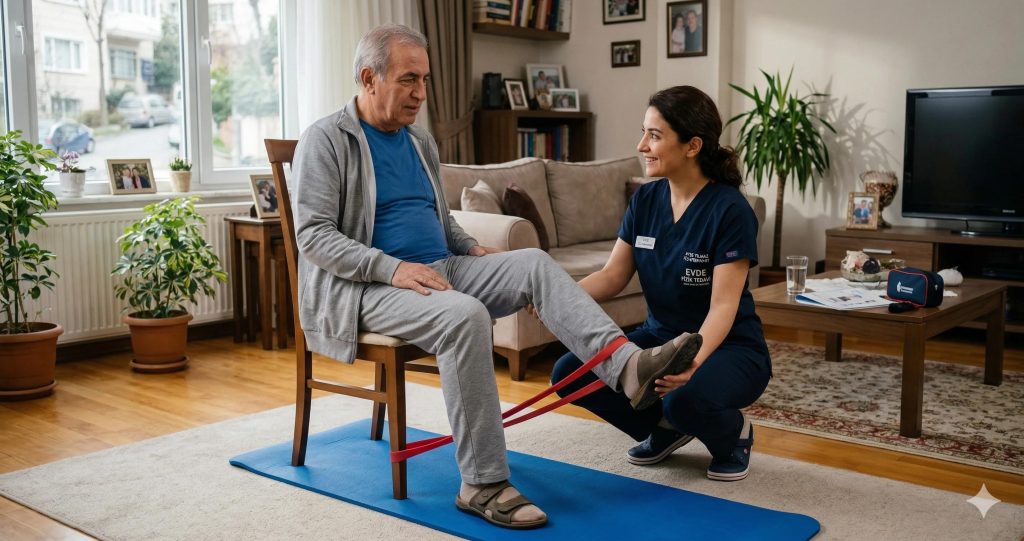
2. Physical Therapy Through Home Health
Physical therapy can be an important part of recovery at home.
A person may need physical therapy after joint surgery, an injury, hospitalization, neurological problems, or a period of reduced mobility.
Home-based physical therapy may focus on goals such as:
- Improving strength
- Restoring mobility
- Improving balance
- Increasing confidence with movement
- Improving safe walking
- Supporting recovery after surgery
- Helping patients perform everyday activities more safely
CenterWell lists physical therapy among its home health services and also highlights balance and mobility care.
The therapist’s specific treatment plan depends on the patient’s condition and professional assessment.
For example, someone recovering after a joint replacement may require a different rehabilitation program from someone experiencing balance difficulties related to a neurological condition.
3. Occupational Therapy at Home
Occupational therapy is another service that may be provided through home healthcare.
While physical therapy often focuses heavily on movement, strength, balance, and mobility, occupational therapy can help people perform everyday activities more safely and independently.
These activities may include:
- Getting dressed
- Preparing meals
- Personal hygiene
- Moving around the home
- Using adaptive techniques
- Completing household activities
CenterWell explains that its occupational therapists can work with patients on techniques and exercises related to daily activities and independence.
The home environment itself can also provide useful information for the therapist because potential safety challenges may be easier to identify where the patient actually lives.
4. Speech Therapy and Other Services

Some patients need rehabilitation beyond nursing and physical therapy.
CenterWell’s published home-health information also identifies speech therapy, social work, and home health aide services among services that may be available depending on location and circumstances.
Speech-language therapy can be relevant for people experiencing certain communication, swallowing, or neurological problems.
Social workers can provide additional support related to healthcare planning and patient resources.
The availability of individual services should always be confirmed with the local branch because services can differ by location and staffing.
5. Who May Qualify for Home Health Care?
One of the most important questions families ask is whether someone qualifies for home health.
Eligibility is not determined simply by age.
CenterWell’s current eligibility information says patients generally need a healthcare provider’s referral, and the provider must consider the patient homebound for covered home health services. The site describes homebound status as being unable to leave home without special assistance or being advised not to leave because of the patient’s condition.
Other requirements can apply depending on the insurance program and the specific services being requested.
For Medicare-covered home health, the services must meet applicable Medicare requirements and be medically necessary.
Because insurance rules can change and individual circumstances differ, patients should confirm their eligibility and coverage with their healthcare provider and insurance plan.
6. Does Medicare Cover Home Health Care?
Medicare can cover certain home health services when eligibility and coverage requirements are met.
CenterWell states that qualifying home healthcare services ordered by a healthcare provider may be covered up to 100% by Medicare Part A or Part B, subject to Medicare’s requirements. It also notes that Medicaid, Medicare Advantage plans, and private insurance may provide coverage, although benefits vary.
This is an important distinction: not every type of home care is automatically covered.
Coverage may depend on:
- The patient’s medical condition
- Whether the patient meets homebound requirements
- The type of service
- Medical necessity
- Provider orders
- The insurance plan
- Whether the agency meets applicable program requirements
Before beginning care, families should ask the provider and insurer exactly which services are covered and whether there are any out-of-pocket costs.
7. Home Health After Surgery or Hospitalization
Returning home after a hospital stay can be challenging.
Patients may still have reduced strength, limited mobility, medication-management needs, or difficulty completing everyday tasks.
Home healthcare can provide professional support during this transition.
For example, a patient recovering after orthopedic surgery may need rehabilitation exercises and mobility training. Another patient recovering from an illness may need nursing monitoring and assistance understanding the next steps in their care.
CenterWell says its clinicians can work with patients recovering from surgery, injury, illness, or hospitalization.
The exact plan depends on the patient’s medical needs and the orders provided by the healthcare team.
8. Balance and Fall Prevention
Falls are an important concern for many older adults, particularly people experiencing weakness, balance problems, dizziness, or mobility limitations.
A home assessment can sometimes reveal environmental challenges that may contribute to falls.
CenterWell describes balance and mobility services designed to help patients improve mobility and identify potential safety concerns in their home environment. It also describes its Safe Strides fall-prevention program.
Fall prevention can involve more than exercise. A healthcare professional may consider walking ability, strength, balance, the home environment, assistive devices, and the patient’s individual circumstances.
Anyone experiencing repeated falls, significant dizziness, sudden weakness, or other concerning symptoms should seek appropriate medical evaluation rather than relying only on home exercises.
9. What Should You Ask Before Choosing Home Health Care?
Choosing home healthcare involves more than looking at the name of an agency.
Patients and caregivers may want to ask several practical questions before starting services.
Is the agency available in my area?
Home health services are location-dependent. CenterWell provides an online care-finder where users can enter a ZIP code or location to check availability.
What services are available?
Ask whether the local branch provides the specific service required, such as nursing, physical therapy, occupational therapy, or speech therapy.
Who will create the care plan?
Ask how the healthcare provider, patient, family, nurses, and therapists will coordinate care.
How frequently will visits occur?
Visit schedules depend on the patient’s needs and the authorized plan of care.
What does insurance cover?
Ask for a clear explanation of covered services, possible costs, and any requirements that must be met.
How can caregivers participate?
Family members may need to understand exercises, safety recommendations, medication instructions, or other aspects of the care plan.
CenterWell Home Health vs. Outpatient Rehabilitation
Home health and outpatient rehabilitation serve different situations.
Outpatient physical therapy usually requires the patient to travel to a clinic. This can work well for people who can safely leave home and travel to appointments.
Home health may be more appropriate for eligible patients who have difficulty leaving home and require skilled services there.
For example, someone who has recently undergone surgery and cannot safely travel may receive rehabilitation at home if they meet the applicable requirements.
As recovery progresses, the patient’s needs may change. A healthcare professional can help determine whether home-based or outpatient rehabilitation is appropriate.
How Home Healthcare Can Support Independence
The goal of home healthcare is not necessarily to make a patient dependent on professional care.
In many cases, rehabilitation and education are designed to help people become safer and more independent.
A physical therapist may teach safe movement strategies. An occupational therapist may recommend techniques for completing everyday tasks. A nurse may educate the patient about managing a health condition.
CenterWell says its clinicians work with patients to help them manage conditions and live more easily at home.
The patient’s goals, medical condition, home environment, and progress all influence the care plan.
Important Difference Between Home Health and Home Care
The terms “home health” and “home care” are sometimes used interchangeably, but they can describe different types of support.
Home health generally refers to skilled healthcare services provided by licensed or qualified healthcare professionals.
Home care can refer more broadly to non-medical assistance with everyday activities, depending on the provider and service.
For example, help with bathing, meal preparation, housekeeping, or companionship may fall under personal or non-medical home care rather than skilled home health.
Understanding this difference can help families ask for the right type of service.
Frequently Asked Questions
What is CenterWell Home Health?
CenterWell Home Health is a U.S. provider of home healthcare services, including skilled nursing and rehabilitation services such as physical and occupational therapy.
Does CenterWell Home Health provide physical therapy?
Yes. Physical therapy is listed among CenterWell Home Health’s services. Availability can vary by location.
Can Medicare pay for CenterWell Home Health?
Eligible home health services may be covered by Medicare when applicable requirements are met. CenterWell states that qualifying services ordered by a healthcare provider may be covered under Medicare Part A or Part B.
Do you need a doctor’s referral?
CenterWell’s eligibility information states that a healthcare provider’s referral is required for its covered home healthcare services.
Is CenterWell Home Health available everywhere in the United States?
No. Availability depends on location. CenterWell currently lists home health services in multiple states and provides a location search tool to check availability.
Final Thoughts
CenterWell Home Health provides a range of skilled home healthcare services for eligible patients recovering from illness, injury, surgery, hospitalization, or managing certain chronic conditions.
Services can include skilled nursing, physical therapy, occupational therapy, speech therapy, and specialized support for areas such as balance, mobility, heart health, and diabetes.
Eligibility and insurance coverage are important considerations. Patients should discuss their needs with their healthcare provider and confirm the details with their insurance plan and local home health agency before starting services.
For anyone considering home healthcare, understanding the available services, eligibility requirements, costs, and care goals can make the process easier for both patients and caregivers.