Symptoms of Canine Depression: 11 Warning Signs Every Dog Owner Should Know
Introduction
Dogs experience emotions much like humans, and they can sometimes develop depression due to changes in their environment, health, or daily routine. While every dog has occasional lazy days, prolonged sadness or unusual behavior may indicate something more serious. Recognizing the Symptoms of Canine Depression early allows pet owners to provide the support and veterinary care their dog may need.
Depression in dogs is not always easy to identify because many symptoms overlap with physical illnesses. Changes in appetite, sleep patterns, energy levels, or social interaction can all be warning signs. Understanding these symptoms helps ensure your pet receives timely attention and enjoys a healthier, happier life.
In this comprehensive guide, you’ll learn about the common Symptoms of Canine Depression, possible causes, diagnosis, treatment options, and practical ways to help your dog recover naturally.
What Is Canine Depression?
Canine depression refers to a noticeable change in a dog’s emotional state that affects behavior, mood, and daily activities. Although dogs do not experience depression exactly like humans, veterinarians recognize that stressful events, illness, loss, or major lifestyle changes can cause prolonged sadness and behavioral changes.
Dogs thrive on routine, companionship, and mental stimulation. When these needs are disrupted, emotional health may suffer. Recognizing the Symptoms of Canine Depression early helps prevent the condition from worsening.
What Causes Canine Depression?
Several factors may contribute to depression in dogs. The loss of a companion animal or family member is one of the most common causes. Dogs often form deep emotional bonds, and grieving may affect their behavior for weeks or even months.
Moving to a new home, changes in family routines, reduced attention from owners, boarding, abandonment, or the arrival of a new pet can also trigger emotional stress.
Medical conditions, chronic pain, hormonal disorders, infections, or aging may cause symptoms that resemble depression. This is why veterinary evaluation is essential whenever a dog shows prolonged behavioral changes.
Symptoms of Canine Depression
The Symptoms of Canine Depression vary from one dog to another, but several warning signs commonly appear.
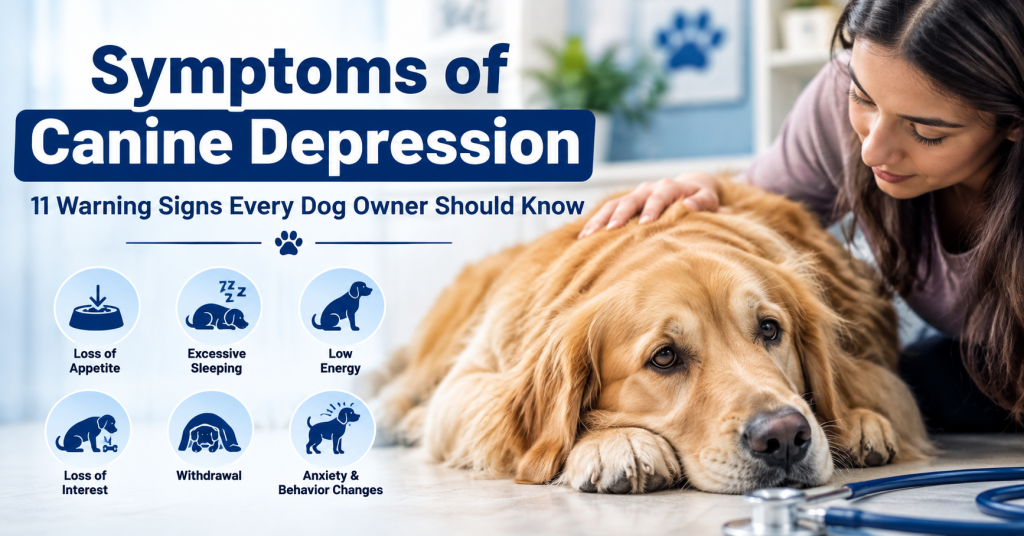
A depressed dog may lose interest in favorite toys, walks, or activities they once enjoyed. Some become unusually quiet and withdraw from family interaction, while others seek constant attention and reassurance.
Appetite changes are another common sign. Some dogs eat significantly less, while others may overeat due to stress. Weight changes often follow these eating habits.
Sleep patterns may also change. Dogs experiencing depression sometimes sleep much more than usual or appear tired even after resting.
Lower energy levels, slow movements, and reduced enthusiasm during playtime are frequently observed. Some dogs may also avoid eye contact, hide in quiet places, or show less excitement when owners return home.
Because these Symptoms of Canine Depression can also indicate physical illness, professional veterinary examination is important.
Behavioral Changes to Watch For

Behavioral changes often provide the earliest clues.
Normally friendly dogs may become withdrawn or unusually clingy. Some lose interest in training sessions or stop responding to familiar commands.
Others may become anxious, vocalize excessively, or display destructive behaviors such as chewing furniture or scratching doors.
Every behavioral change should be evaluated within the context of your dog’s normal personality and daily routine.
Physical Signs Associated With Depression
Depression may also produce physical symptoms.
Dogs may develop poor grooming habits, reduced activity, muscle weakness from inactivity, digestive upset, or changes in body weight.
Although these signs alone do not confirm depression, they strengthen the need for a veterinary examination, especially if they persist for more than a few days.
How Is Canine Depression Diagnosed?
Diagnosing canine depression requires a careful evaluation because many physical illnesses can produce symptoms similar to emotional distress. A veterinarian will begin by asking questions about your dog’s recent behavior, appetite, sleeping habits, exercise routine, and any major life changes that may have occurred. Events such as moving to a new home, losing a family member, the arrival of another pet, or changes in the household can all influence a dog’s emotional well-being.
The veterinarian will also perform a complete physical examination to rule out illnesses such as arthritis, thyroid disorders, infections, chronic pain, digestive diseases, or neurological conditions. In some cases, blood tests, urine tests, or imaging studies may be recommended to ensure that an underlying medical problem is not causing the Symptoms of Canine Depression. Once physical illnesses have been ruled out, the veterinarian can determine whether emotional stress is the most likely cause of your dog’s behavior.
Treatment for Symptoms of Canine Depression
Treatment depends on the underlying reason for your dog’s depression. If the depression is linked to a medical condition, treating the illness often improves the dog’s emotional health as well. However, if emotional stress is the primary cause, treatment usually focuses on improving the dog’s daily routine and environment.
Dogs benefit greatly from consistency. Feeding them at the same time every day, maintaining regular walks, and creating predictable routines help restore their sense of security. Owners should spend extra quality time playing, training, and interacting positively with their pets. Activities that stimulate both the mind and body encourage emotional recovery and reduce feelings of loneliness.
Some dogs respond well to puzzle toys, obedience training, scent games, and interactive play sessions. These activities challenge the brain while strengthening the bond between the dog and its owner.
In severe cases where depression continues despite lifestyle improvements, veterinarians may recommend consultation with a veterinary behaviorist. Behavioral therapy and, in rare situations, prescription medications may be considered for dogs experiencing prolonged emotional distress.
How Exercise Improves Mental Health in Dogs
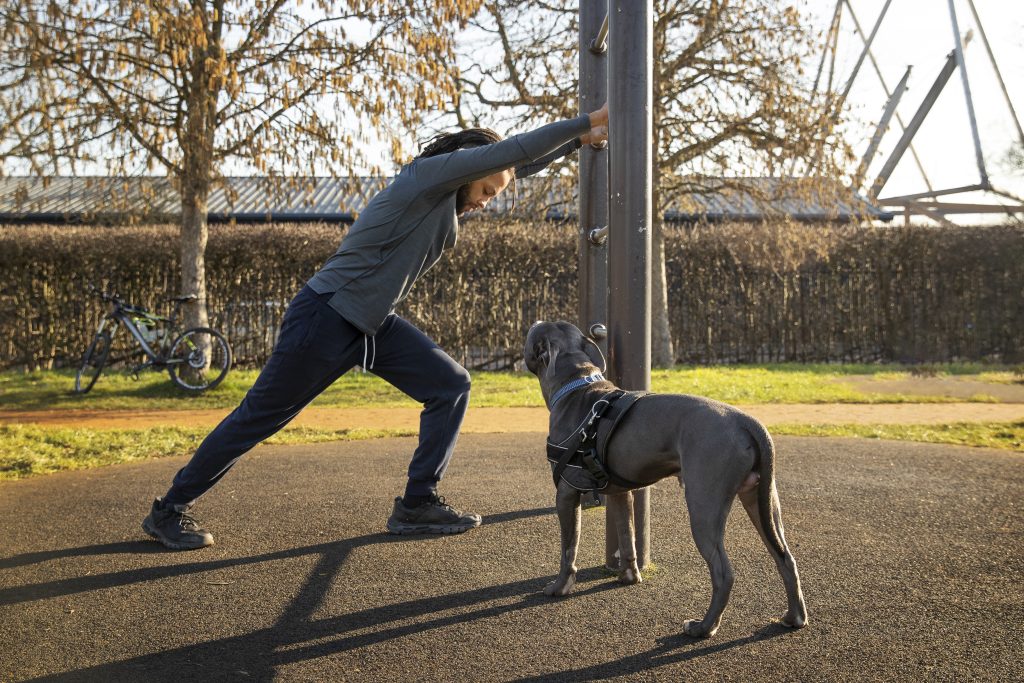
Regular physical activity is one of the most effective natural treatments for emotional well-being. Exercise releases chemicals that improve mood while reducing stress and anxiety. Daily walks expose dogs to new environments, smells, and social interactions that keep their minds active.
Dogs that receive adequate exercise generally display better behavior, improved sleep, healthier appetites, and greater enthusiasm for daily activities. Exercise also strengthens muscles, improves cardiovascular health, and reduces obesity, which contributes to overall wellness.
If your dog has been showing Symptoms of Canine Depression, gradually increasing daily activity may significantly improve emotional health. The amount of exercise should always match your dog’s age, breed, and physical condition.
Nutrition and Emotional Well-Being
A healthy diet plays an important role in supporting both physical and emotional health. Dogs require balanced nutrition containing high-quality protein, healthy fats, vitamins, minerals, and essential nutrients.
Poor nutrition may contribute to fatigue, weight changes, digestive issues, and lower energy levels that resemble depression. Providing fresh water, appropriate portion sizes, and veterinarian-recommended food helps maintain overall health.
Owners should avoid suddenly changing diets unless advised by a veterinarian, as abrupt dietary changes may cause digestive upset and additional stress.
Creating a Positive Home Environment
Dogs thrive in environments where they feel safe, loved, and included. Spending time together, speaking calmly, and rewarding positive behavior builds confidence and emotional security.
Dogs that spend long hours alone may benefit from interactive toys, dog walkers, or supervised daycare services when appropriate. Soft bedding, comfortable resting areas, and regular affection also contribute to emotional comfort.
Owners should avoid punishment when dogs appear withdrawn or anxious. Positive reinforcement is far more effective than negative discipline for rebuilding confidence.
Can Older Dogs Become Depressed?
Yes. Senior dogs are particularly vulnerable to depression because aging often brings physical discomfort, reduced mobility, hearing or vision loss, and cognitive decline. Older dogs may also lose longtime companions, leading to grief-related behavioral changes.
Because aging and medical conditions frequently overlap, senior dogs showing Symptoms of Canine Depression should always receive a thorough veterinary examination. Early diagnosis allows appropriate treatment and improves quality of life.
Preventing Canine Depression

Although depression cannot always be prevented, maintaining a stable lifestyle greatly reduces risk. Regular exercise, balanced nutrition, consistent routines, routine veterinary checkups, mental stimulation, and social interaction all contribute to emotional well-being.
Owners should gradually introduce major life changes whenever possible. Allowing dogs time to adjust to new environments, family members, or schedules reduces stress and supports emotional resilience.
Observing your dog’s normal behavior also helps identify subtle emotional changes before they become serious problems.
Conclusion
Recognizing the Symptoms of Canine Depression early gives your dog the best chance of a full recovery. While occasional sadness following stressful events is normal, prolonged changes in behavior, appetite, energy, or social interaction should never be ignored.
Most dogs improve with patience, love, regular exercise, mental stimulation, consistent routines, and appropriate veterinary care. Because emotional symptoms can sometimes indicate serious medical conditions, professional evaluation is always recommended when changes persist.
By understanding the Symptoms of Canine Depression, providing a supportive environment, and seeking veterinary guidance when needed, you can help your dog enjoy a healthier, happier, and more fulfilling life.
Frequently Asked Questions
Can dogs really become depressed?
Yes. Dogs can experience emotional distress following major life changes, illness, loss of a companion, or prolonged stress.
How long does canine depression last?
Recovery varies depending on the cause. Some dogs improve within a few weeks, while others may require longer periods and professional treatment.
What are the most common Symptoms of Canine Depression?
The most common Symptoms of Canine Depression include loss of appetite, sleeping more than usual, reduced energy, withdrawal from family members, loss of interest in play, anxiety, and behavioral changes.
Should I take my dog to the veterinarian?
Yes. If your dog shows persistent Symptoms of Canine Depression for more than one or two weeks, consult a veterinarian to rule out underlying medical conditions.
Can exercise help depressed dogs?
Regular exercise, mental stimulation, positive interaction, and a consistent daily routine are among the most effective natural ways to improve a dog’s emotional well-being and reduce the Symptoms of Canine Depression.