
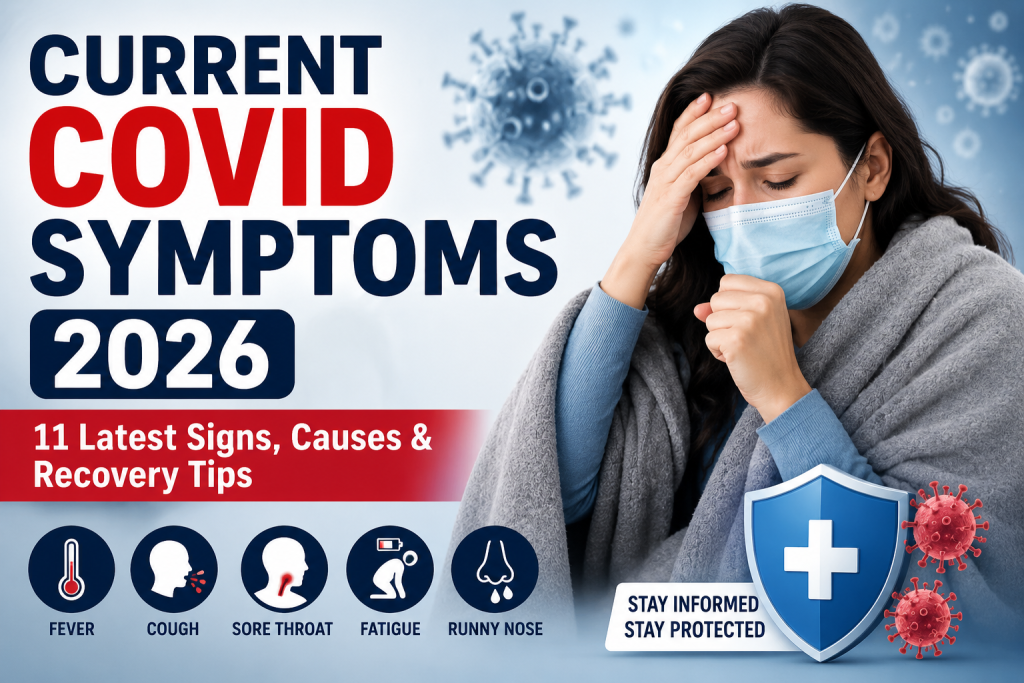
Current COVID Symptoms 2026: 11 Latest Signs, Causes & Recovery Tips
Introduction
The COVID-19 virus continues to evolve, and understanding Current COVID Symptoms 2026 is essential for protecting yourself and those around you. Although vaccines, improved treatments, and previous infections have reduced severe illness for many people, COVID-19 remains a contagious respiratory disease capable of causing mild to serious symptoms. New variants may lead to changes in symptom patterns, making it important to stay informed with reliable health information.
Knowing the Current COVID Symptoms helps individuals recognize illness early, seek testing when appropriate, and reduce the spread of infection. While some people experience only mild cold-like symptoms, others—especially older adults, pregnant women, and people with weakened immune systems—may develop more serious complications.
This guide explains the common symptoms of COVID-19 possible causes, risk factors, diagnosis, treatment options, home care, prevention strategies, and when medical attention is necessary.
What Are the Current COVID Symptoms in 2026?
COVID-19 symptoms can vary from person to person and may change as different SARS-CoV-2 variants circulate. In 2026, commonly reported symptoms can include fever or chills, cough, sore throat, congestion or runny nose, fatigue, headache, muscle or body aches, shortness of breath, nausea or vomiting, and diarrhea. Some people may also experience a new loss of taste or smell.
Not everyone with COVID-19 develops the same symptoms. Some people may have mild symptoms, while others can develop more serious illness. COVID-19 symptoms can also overlap with other respiratory infections, including influenza and RSV, so symptoms alone cannot always confirm whether someone has COVID-19.
Common COVID Symptoms to Watch For
The most common symptoms that may occur with COVID-19 include:
- Fever or chills
- Cough
- Sore throat
- Runny or stuffy nose
- Fatigue or unusual tiredness
- Headache
- Muscle or body aches
- Shortness of breath or difficulty breathing
- Nausea or vomiting
- Diarrhea
- Loss of taste or smell
The Centers for Disease Control and Prevention notes that this list does not include every possible symptom and that symptoms can vary depending on factors such as the circulating variant and vaccination status.
Are COVID Symptoms Different in 2026?
The basic range of COVID-19 symptoms remains broad, but the symptoms experienced by individuals can vary over time. Current CDC guidance emphasizes that symptoms may change with new variants and can range from no symptoms to severe illness.
For this reason, a person should not rely on one symptom alone to determine whether they have COVID-19. If symptoms develop after a known exposure or during increased respiratory-virus activity, testing and medical advice may help determine the appropriate next steps.
When Should You Seek Medical Care?
Most people with mild respiratory symptoms can recover without hospitalization, but some people have a higher risk of developing severe COVID-19. People with certain underlying medical conditions may be more vulnerable to serious illness.
Seek urgent medical attention if COVID-19 symptoms include significant difficulty breathing, persistent chest pain or pressure, new confusion, inability to wake or stay awake, or other severe or concerning symptoms.
Because COVID-19 can overlap with other respiratory illnesses, people with concerning symptoms should contact a healthcare professional rather than trying to diagnose the infection based only on symptoms.
What Is COVID-19?
COVID-19 is an infectious respiratory disease caused by the SARS-CoV-2 virus. Since it first appeared, the virus has continued to change through new variants. These changes can affect how easily the virus spreads and sometimes influence the symptoms people experience.
Despite these changes, COVID-19 mainly spreads through respiratory droplets and tiny airborne particles released when an infected person coughs, sneezes, talks, or breathes. Good hygiene, vaccination according to current public health recommendations, and staying home when sick remain important ways to reduce transmission.
Understanding COVID-19 symptoms allows people to recognize infection quickly and take appropriate action.
What Causes COVID-19 Infection?

COVID-19 occurs when the SARS-CoV-2 virus enters the body through the nose, mouth, or eyes. The virus multiplies inside the respiratory tract and triggers an immune response.
Exposure commonly occurs through close contact with infected individuals, crowded indoor environments with poor ventilation, or direct contact with contaminated hands followed by touching the face.
Although previous infection and vaccination provide some protection, reinfections are still possible. This is why recognizing COVID-19 symptoms remains important for everyone.
Current COVID Symptoms 2026
The Current COVID Symptoms 2026 can vary depending on the individual, their immune system, vaccination status, age, and the circulating variant. Most infections begin gradually within a few days after exposure.
Common symptoms include fever, chills, sore throat, cough, runny nose, nasal congestion, headache, fatigue, muscle aches, and general weakness. Many people also report loss or changes in taste and smell, although this symptom may be less common than in earlier stages of the pandemic.
Some individuals develop nausea, vomiting, diarrhea, or stomach discomfort. Others experience shortness of breath, chest tightness, or persistent coughing that requires medical evaluation.
Because Current COVID Symptoms 2026 may resemble influenza, RSV, seasonal allergies, or the common cold, testing is often necessary to confirm the diagnosis.
How Current Symptoms Compare With Earlier Variants
Earlier COVID-19 variants frequently caused sudden loss of taste and smell, severe fever, and breathing difficulties. More recent variants often produce symptoms similar to upper respiratory infections, including sore throat, congestion, fatigue, and cough.
Even though symptoms may appear milder in many people, complications can still occur, particularly among high-risk individuals. Therefore, never assume mild symptoms cannot be COVID-19.
Recognizing Current COVID Symptoms 2026 helps reduce delayed diagnosis and unnecessary transmission.
Who Is at Higher Risk?

Although anyone can become infected, some people have a greater chance of developing severe illness.
Older adults remain at increased risk because immune function naturally declines with age. Individuals with chronic heart disease, diabetes, obesity, kidney disease, chronic lung disease, weakened immune systems, or cancer also face higher risks of complications.
Pregnant women and people living in long-term care facilities should also remain cautious.
Knowing the Current COVID Symptoms 2026 allows high-risk individuals to seek medical care promptly if symptoms develop.
When Should You Get Tested?
Testing is recommended whenever symptoms suggest COVID-19 or after close exposure to someone with a confirmed infection.
Home rapid antigen tests provide quick results, while laboratory PCR testing remains highly accurate in many settings. A negative rapid test does not always rule out infection, especially early in the illness. Following current public health guidance on repeat testing may be appropriate if symptoms continue.
People with Current COVID Symptoms 2026 should consider limiting contact with others until infection has been ruled out.
How Doctors Diagnose COVID-19
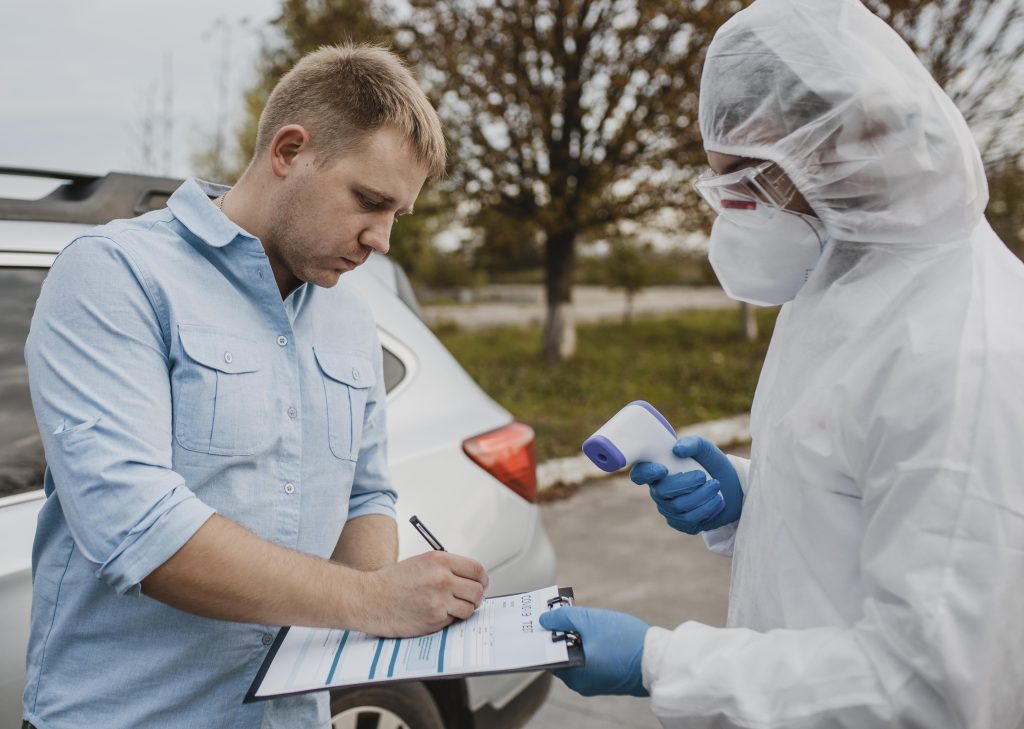
Healthcare providers diagnose COVID-19 using a combination of symptoms, exposure history, physical examination, and laboratory testing.
Rapid antigen tests can identify many infections quickly, while PCR tests detect viral genetic material with high sensitivity. In severe cases, chest imaging or additional blood tests may be performed to evaluate complications.
Because several respiratory viruses circulate at the same time, accurate testing remains an important part of diagnosing Current COVID Symptoms 2026.
Treatment for Current COVID Symptoms 2026
Treatment for Current COVID Symptoms 2026 depends on the severity of the illness, the person’s age, underlying medical conditions, and overall health. Most people with mild illness recover at home with rest, adequate hydration, nutritious food, and over-the-counter medicines to reduce fever, sore throat, or body aches. It is important to follow the instructions provided on medication labels and consult a healthcare professional if symptoms worsen.
People at higher risk of severe disease may be eligible for antiviral medications if started early after symptoms begin. These treatments should only be taken under medical supervision. Antibiotics are not effective against COVID-19 unless there is a confirmed bacterial infection.
Individuals experiencing Current COVID Symptoms 2026 should monitor their condition closely, especially during the first week of illness, when symptoms may change.
Home Recovery Tips

Recovering at home requires patience and supportive care. Drinking plenty of fluids helps prevent dehydration, while balanced meals provide the nutrients needed for recovery. Getting enough sleep allows the immune system to work more effectively.
People with Current COVID Symptoms 2026 should avoid strenuous physical activity until they feel better. Keeping rooms well ventilated and limiting close contact with other household members can also reduce transmission. Wearing a well-fitting mask around others during the contagious period may provide additional protection.
Most mild infections gradually improve within several days to two weeks, although recovery times vary from person to person.
When to Seek Emergency Medical Care

While many people recover without complications, some symptoms require immediate medical attention.
Emergency warning signs include severe difficulty breathing, persistent chest pain, confusion, inability to stay awake, bluish lips or face, or worsening shortness of breath. These symptoms may indicate serious complications and require urgent evaluation.
Older adults, pregnant women, young children, and people with weakened immune systems should contact a healthcare provider promptly if Current COVID Symptoms 2026 become more severe or fail to improve.
Possible Complications
Although many infections are mild, COVID-19 can sometimes lead to pneumonia, blood clots, heart inflammation, kidney injury, or worsening of existing medical conditions. Some individuals also experience lingering symptoms after the initial infection, often referred to as Long COVID.
Persistent fatigue, shortness of breath, difficulty concentrating, sleep problems, headaches, muscle pain, and reduced exercise tolerance have been reported in some people for weeks or months after recovery.
Recognizing Current COVID Symptoms 2026 early and seeking appropriate medical care may reduce the risk of complications.
How to Prevent COVID-19
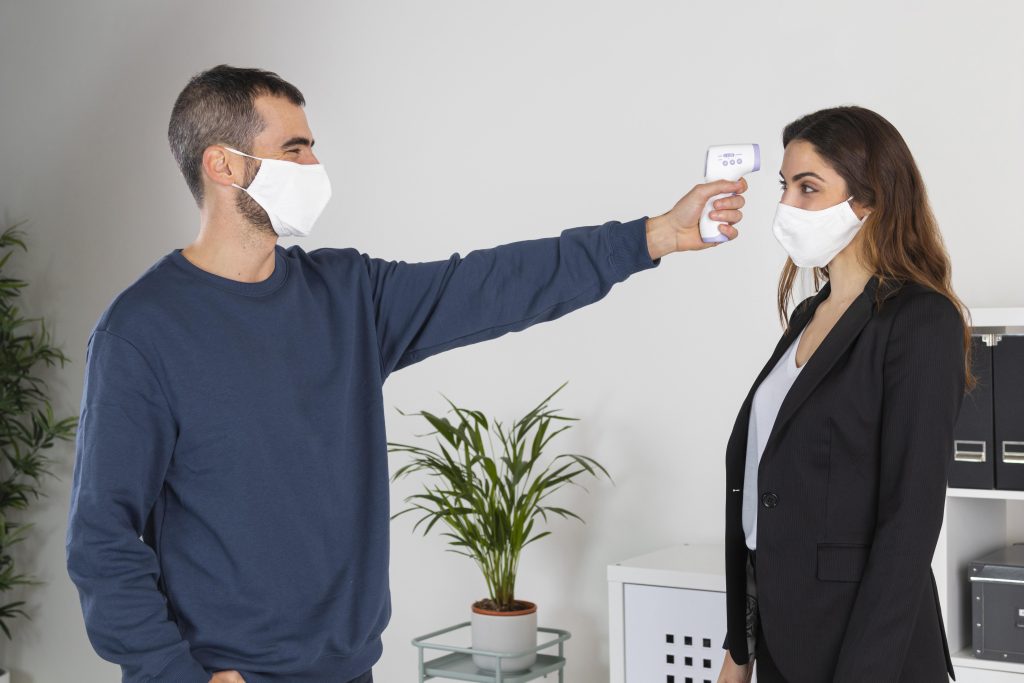
Prevention remains one of the most effective ways to protect yourself and others. Washing hands regularly with soap and water, covering coughs and sneezes, and avoiding close contact with people who are sick continue to be valuable habits.
Maintaining good indoor ventilation, staying home when feeling unwell, and following current public health recommendations regarding vaccination can also help lower the risk of infection and severe disease.
Understanding Current COVID Symptoms 2026 allows individuals to isolate appropriately when ill and reduce community spread.
Living With COVID-19
As COVID-19 becomes part of everyday life, many people continue work, school, and travel while taking sensible precautions. Staying informed through reliable health organizations helps individuals make appropriate decisions when symptoms appear.
People should avoid relying on misinformation shared through social media. Instead, healthcare professionals and trusted public health agencies provide the most accurate guidance regarding testing, isolation, treatment, and prevention.
Awareness of Current COVID Symptoms 2026 helps individuals respond quickly and responsibly whenever illness develops.
Conclusion
Understanding Current COVID Symptoms 2026 is essential for recognizing infection early, protecting vulnerable individuals, and reducing the spread of illness. Although many infections now resemble common respiratory illnesses, COVID-19 can still cause serious complications in certain people.
Most individuals recover with supportive care, rest, hydration, and appropriate medical guidance. However, anyone experiencing severe symptoms or belonging to a high-risk group should seek professional medical attention without delay.
By staying informed about Current COVID Symptoms 2026, following healthy hygiene practices, keeping vaccinations up to date according to current recommendations, and seeking timely medical advice when necessary, individuals can better protect themselves, their families, and their communities.
Frequently Asked Questions
Can Current COVID Symptoms 2026 look like a common cold?
Yes. Current COVID Symptoms 2026 often include sore throat, cough, congestion, fatigue, headache, and fever, making them similar to colds or influenza. Testing helps confirm the diagnosis.
How long do Current COVID Symptoms 2026 usually last?
Most mild cases improve within one to two weeks, although recovery time varies depending on age, overall health, and the severity of infection.
Should I isolate if I have Current COVID Symptoms 2026?
If you develop Current COVID Symptoms 2026, it is advisable to limit close contact with others and follow the latest guidance from your local public health authority while seeking testing or medical advice.
Can vaccinated people still get COVID-19?
Yes. Vaccinated individuals can still become infected, but vaccination generally lowers the risk of severe illness, hospitalization, and death.
When should I see a doctor?
Seek medical advice if symptoms worsen, persist, or if you experience breathing difficulty, chest pain, confusion, or other emergency warning signs. Early medical evaluation is especially important for people at higher risk of severe disease.