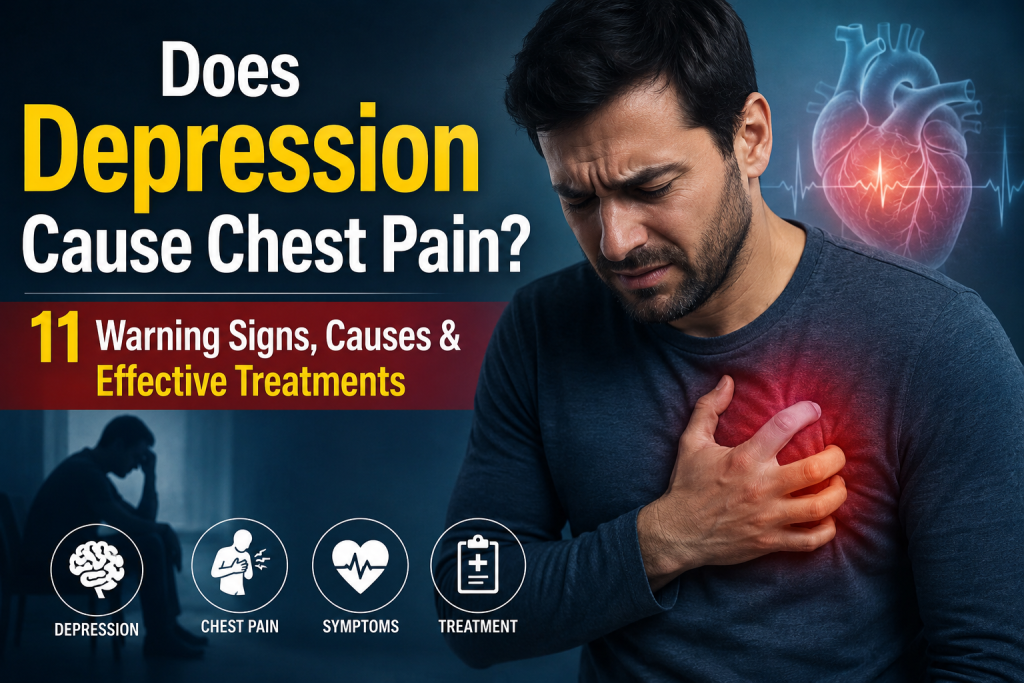
Does Depression Cause Chest Pain? 11 Warning Signs, Causes & Effective Treatments
Introduction
Chest pain is often associated with heart disease, but it is not always caused by a physical problem with the heart or lungs. Emotional health can also affect the body in powerful ways. Many people living with depression experience physical symptoms, including headaches, muscle tension, digestive problems, fatigue, and chest discomfort. This leads many individuals to ask, Does Depression Cause Chest Pain?
The answer is yes. Depression can contribute to chest pain through several physical and psychological mechanisms. Stress hormones, muscle tension, changes in breathing, poor sleep, and anxiety that often occurs alongside depression can all trigger discomfort in the chest. However, chest pain should never be ignored because it can also be a sign of a serious medical condition, including heart disease. Anyone experiencing severe, sudden, or persistent chest pain should seek immediate medical attention.
Understanding Does Depression Cause Chest Pain helps people recognize the connection between mental and physical health while knowing when professional medical evaluation is necessary.
What Is Depression?

Depression is a common mental health condition that affects how a person feels, thinks, and behaves. It is much more than temporary sadness. Depression can last for weeks or months and may interfere with work, relationships, sleep, appetite, and overall quality of life.
People with depression often experience emotional symptoms such as persistent sadness, hopelessness, loss of interest in activities, difficulty concentrating, and feelings of worthlessness. At the same time, depression frequently causes physical symptoms throughout the body.
When asking Does Depression Cause Chest Pain, it is important to understand that depression affects both the brain and the body’s nervous system, which can influence pain perception and muscle tension.
Does Depression Cause Chest Pain?
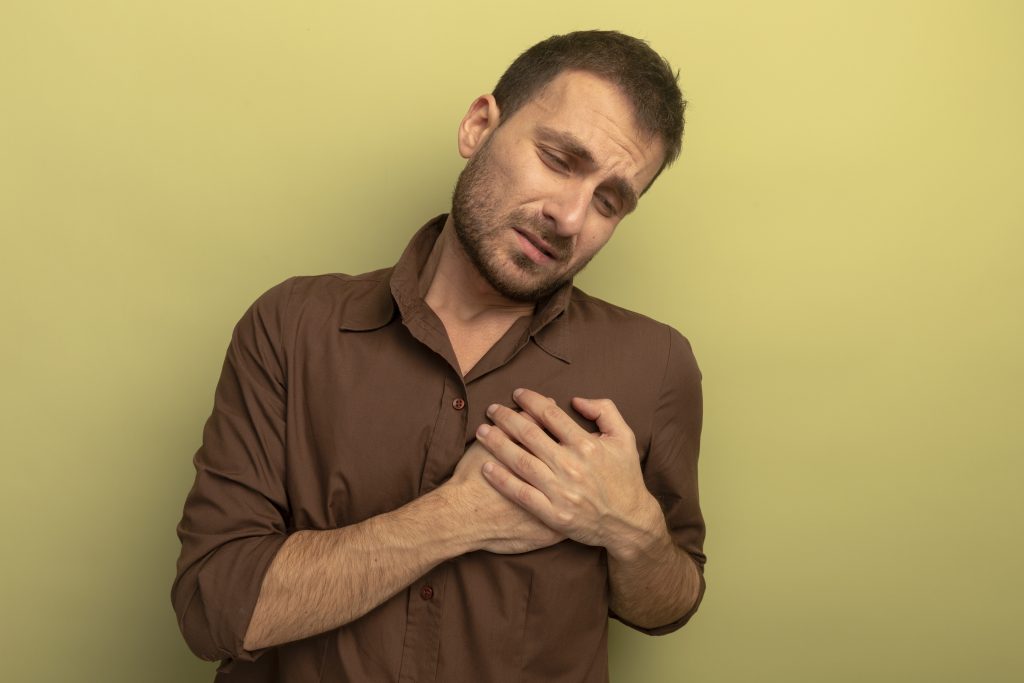
Yes, Does Depression Cause Chest Pain is a question supported by medical research. Depression can contribute to chest pain without directly damaging the heart. Emotional stress activates the body’s stress response, increasing the release of hormones such as cortisol and adrenaline. These hormones may tighten chest muscles, alter breathing patterns, increase heart rate, and make people more sensitive to pain.
Many individuals with depression experience chest tightness, pressure, burning sensations, or sharp pain even when heart tests appear normal. In some cases, depression occurs alongside anxiety or panic attacks, which may intensify chest discomfort.
Although depression can cause chest pain, healthcare providers must first rule out serious medical conditions before concluding that emotional factors are responsible.
How Depression Affects the Body

Depression influences several body systems. The nervous system becomes more sensitive to pain, making minor discomfort feel much stronger. Muscle tension may develop in the chest, shoulders, neck, and upper back, producing aching or pressure.
Poor sleep caused by depression also reduces the body’s ability to recover from everyday physical stress. Fatigue and reduced physical activity can contribute to stiffness and discomfort throughout the chest and upper body.
This explains why many people asking Does Depression Cause Chest Pain report other symptoms such as body aches, headaches, and chronic fatigue.
Common Symptoms That May Occur Together
People experiencing depression-related chest pain often notice additional symptoms. Persistent sadness, loss of motivation, changes in appetite, sleep disturbances, difficulty concentrating, and low energy commonly occur alongside physical discomfort.
Some individuals describe chest tightness that worsens during emotional stress or periods of sadness. Others notice rapid breathing, increased heart rate, dizziness, or feelings of panic.
Because these symptoms overlap with heart disease, proper medical evaluation remains essential whenever chest pain occurs.
Depression vs Heart-Related Chest Pain
Understanding the difference between depression-related chest pain and heart-related chest pain is extremely important.
Chest pain caused by depression may appear during emotional stress, anxiety, or prolonged sadness. It may improve with relaxation, counseling, or treatment for depression.
Heart-related chest pain often develops during physical activity and may spread to the jaw, neck, shoulder, or left arm. It can also be accompanied by sweating, nausea, shortness of breath, or dizziness.
Since symptoms may overlap, no one should assume that chest pain is only caused by depression. Medical evaluation is necessary to exclude potentially life-threatening conditions.
Risk Factors
Several factors increase the likelihood that depression may contribute to chest discomfort. Chronic stress, anxiety disorders, lack of sleep, physical inactivity, social isolation, previous traumatic experiences, and ongoing emotional pressure all increase the risk.
People living with chronic illnesses or persistent pain may also develop depression, creating a cycle where emotional and physical symptoms worsen each other.
Understanding these risk factors helps explain why Does Depression Cause Chest Pain is such a common question among patients.
When Should You See a Doctor?

Anyone experiencing chest pain for the first time should seek medical evaluation. Emergency medical attention is especially important if chest pain is severe, sudden, associated with shortness of breath, fainting, heavy sweating, nausea, or pain spreading to the arm, shoulder, jaw, or back.
After serious heart and lung conditions have been ruled out, healthcare professionals can determine whether depression or another mental health condition may be contributing to symptoms.
How Is Depression-Related Chest Pain Diagnosed?
When someone experiences chest pain, doctors first focus on ruling out life-threatening conditions such as a heart attack, angina, pulmonary embolism, or other cardiovascular diseases. Even if a person has a history of depression, medical professionals never assume that depression is the only cause of chest pain.
The evaluation usually begins with a detailed medical history, physical examination, blood pressure measurement, and questions about symptoms. Depending on the situation, the doctor may recommend an electrocardiogram (ECG), blood tests, chest X-rays, echocardiography, stress testing, or other investigations.
If these tests show no significant heart or lung disease, the healthcare provider may explore mental health conditions. Understanding emotional stress, anxiety, and depression helps answer the question, Does Depression Cause Chest Pain, while ensuring dangerous conditions are not overlooked.
Treatment for Depression-Related Chest Pain

Treatment focuses on both emotional and physical health. If depression is responsible for the chest discomfort, addressing the underlying mental health condition often reduces the pain significantly.
Psychotherapy is one of the most effective treatments. Cognitive Behavioral Therapy (CBT) helps individuals recognize negative thinking patterns and develop healthier coping strategies. Many patients notice improvement in both emotional symptoms and physical discomfort after consistent therapy.
Some people may also benefit from antidepressant medications prescribed by a qualified healthcare provider. These medications help balance brain chemicals involved in mood regulation and may gradually reduce depression-related physical symptoms.
Lifestyle improvements also play an important role. Regular physical activity, healthy nutrition, quality sleep, and stress management techniques can improve mood while reducing muscle tension and chronic pain.
Understanding Does Depression Cause Chest Pain encourages people to seek treatment for depression rather than suffering silently.
Lifestyle Changes That Help
Simple daily habits can greatly improve emotional well-being and reduce physical symptoms.
Regular exercise increases the release of endorphins, which naturally improve mood and reduce pain sensitivity. Walking, swimming, cycling, or gentle stretching can all be beneficial.
Eating a balanced diet rich in fruits, vegetables, lean protein, whole grains, and healthy fats supports both brain and heart health.
Adequate sleep is equally important because poor sleep worsens depression, anxiety, and muscle tension.
Relaxation techniques such as meditation, mindfulness, breathing exercises, and yoga may help reduce stress-related chest tightness.
These healthy habits provide long-term support for individuals asking Does Depression Cause Chest Pain.
Can Anxiety Make Chest Pain Worse?
Yes. Anxiety frequently occurs alongside depression, making chest discomfort more noticeable.
During anxiety or panic attacks, breathing becomes rapid, muscles tighten, and adrenaline levels rise. These changes may create chest pressure, sharp pain, dizziness, and a racing heartbeat.
Because anxiety and depression often occur together, many individuals experience both emotional distress and physical symptoms simultaneously.
This combination explains why the question Does Depression Cause Chest Pain is often closely connected with anxiety disorders.
Preventing Depression-Related Chest Pain
Preventing depression-related chest pain begins with caring for mental health before symptoms become severe.
Maintaining strong social relationships, exercising regularly, eating nutritious foods, managing stress effectively, and seeking professional help early all reduce the likelihood of developing severe depression.
People who notice persistent sadness, loss of motivation, or emotional distress should not hesitate to speak with a healthcare provider or licensed mental health professional.
Early treatment often prevents emotional symptoms from progressing into chronic physical complaints.
When to Seek Emergency Care
Although depression can contribute to chest discomfort, emergency symptoms should never be ignored.
Call emergency medical services immediately if chest pain is sudden, severe, crushing, or accompanied by shortness of breath, heavy sweating, fainting, nausea, confusion, or pain spreading to the jaw, shoulder, neck, or left arm.
It is always safer to rule out a heart emergency before assuming emotional stress is the cause.
Remember that understanding Does Depression Cause Chest Pain does not replace professional medical evaluation.
Conclusion
The answer to Does Depression Cause Chest Pain is yes. Depression can contribute to chest discomfort through muscle tension, increased stress hormones, changes in breathing, and greater sensitivity to pain. However, chest pain should never be ignored because it may also indicate serious heart or lung conditions.
A proper medical evaluation is essential whenever chest pain develops, especially if it is severe, persistent, or accompanied by emergency warning signs.
With early diagnosis, appropriate treatment, psychotherapy, healthy lifestyle habits, and medical support, most people can successfully manage both depression and its physical symptoms. Recognizing the connection between mental and physical health allows individuals to seek timely care and improve their overall quality of life.
Frequently Asked Questions
Can depression really cause chest pain?
Yes. Does Depression Cause Chest Pain is a common medical question because depression can cause muscle tension, stress hormone changes, and increased pain sensitivity that lead to chest discomfort.
How can I tell if chest pain is from depression?
Only a healthcare professional can determine the cause. Medical evaluation is necessary to rule out heart disease before diagnosing depression-related chest pain.
Is depression-related chest pain dangerous?
The pain itself may not be life-threatening, but chest pain should always be evaluated because serious heart conditions can produce similar symptoms.
Can treating depression reduce chest pain?
Yes. Many people notice improvement after psychotherapy, medication when appropriate, stress reduction, exercise, and healthy lifestyle changes.
When should I go to the emergency room?
Seek emergency medical care immediately if chest pain is severe, sudden, associated with shortness of breath, heavy sweating, fainting, or pain spreading to the jaw, shoulder, neck, or arm.