9 Important Coronavirus and Heart Health Facts Cardiac Patients Should Know
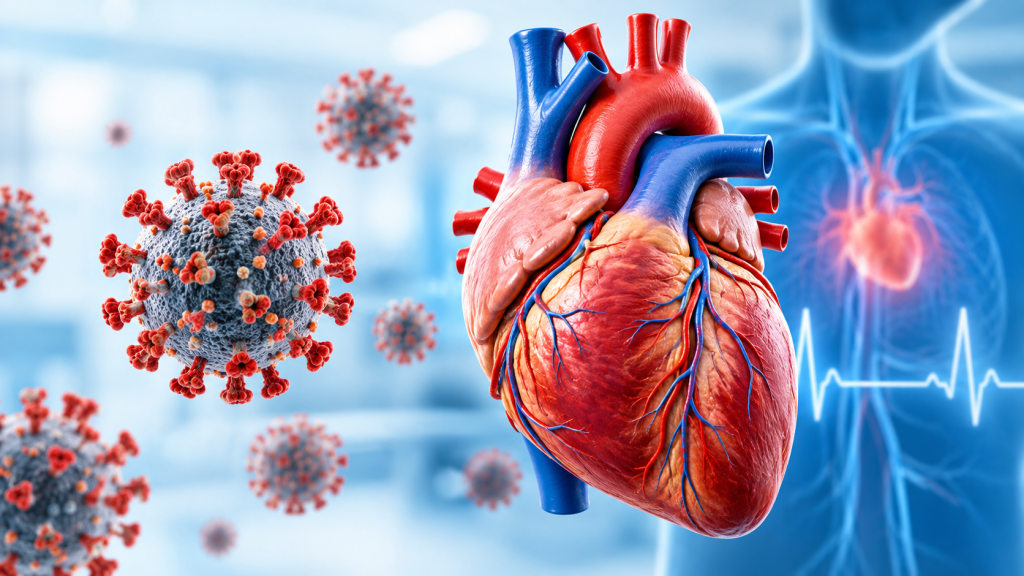
Coronavirus and heart health are closely connected, especially for people who already have cardiovascular conditions. Although COVID-19 is primarily known as a respiratory infection, the illness can also affect the cardiovascular system. People with certain heart conditions may have a greater risk of becoming seriously ill when they develop a COVID-19 infection.
Understanding the connection between coronavirus and heart health can help people recognize warning signs, protect their cardiovascular health, and know when professional medical attention may be necessary.
This article explains nine important facts about coronavirus and heart health, including how COVID-19 can affect the heart, why cardiac patients may need additional precautions, and what symptoms should not be ignored.
Medical note: This article provides general health information and is not a substitute for diagnosis or treatment from a qualified healthcare professional.
1. Coronavirus Can Affect More Than the Lungs
COVID-19 primarily affects the respiratory system, but the infection can involve several organs and body systems. The cardiovascular system can also be affected during or after infection.
Inflammation, fever, changes in blood oxygen levels, dehydration, and the body’s immune response may place additional stress on the cardiovascular system. This can be particularly important for people who already have heart disease or other cardiovascular risk factors.
The effects are not identical for everyone. Some people experience mild illness, while others may develop complications that require medical care.
That is why understanding coronavirus and heart health is particularly important for people with existing cardiovascular conditions.
2. People With Existing Heart Conditions May Need Extra Care
People with cardiovascular disease may have a higher risk of severe illness from COVID-19.
Conditions such as coronary artery disease, heart failure, and some other cardiovascular disorders can reduce the body’s ability to cope with the additional stress caused by an infection.
However, having a heart condition does not mean that a person will definitely develop a severe case of COVID-19.
Risk varies according to factors such as age, overall health, vaccination status, other medical conditions, and the severity of the infection.
People with heart disease should therefore follow advice from their healthcare professionals and continue appropriate management of their existing condition.
3. COVID-19 Can Cause Increased Stress on the Cardiovascular System
When the body fights an infection, the heart may need to work harder.
Fever and increased metabolic demands can raise heart rate. Breathing difficulties may also reduce the amount of oxygen available to the body’s tissues.
For someone with a healthy cardiovascular system, the body may compensate effectively. But people with certain heart conditions may have less reserve.
This is one reason doctors pay attention to cardiovascular symptoms when evaluating people with COVID-19.
Maintaining regular medical care and following prescribed treatment plans can be especially important during an infection.
4. Chest Pain Should Never Be Ignored
One of the most important connections between coronavirus and heart health involves recognizing potentially serious cardiovascular symptoms.
Chest discomfort can occur for many reasons, including respiratory infections, muscle strain, acid reflux, anxiety, and cardiovascular problems. Because the cause cannot always be determined from symptoms alone, significant or unexplained chest pain deserves medical attention.
Seek urgent medical care if chest discomfort is severe, persistent, or accompanied by symptoms such as:
- Difficulty breathing
- Fainting or near-fainting
- Severe weakness
- Cold sweating
- New confusion
- Pain spreading to the arm, shoulder, back, neck, or jaw
Do not assume that serious symptoms are simply part of a viral infection.
If symptoms suggest a possible heart attack or another emergency, contact your local emergency medical service immediately.
5. Some Heart Symptoms Can Appear During or After COVID-19
Cardiovascular symptoms may occur during an infection or, in some people, during recovery.
Possible symptoms can include unusual fatigue, shortness of breath, rapid or irregular heartbeat, chest discomfort, or reduced exercise tolerance.
These symptoms have many possible causes, so experiencing one does not automatically mean that COVID-19 has damaged the heart.
However, new, persistent, or worsening cardiovascular symptoms should be discussed with a healthcare professional.
A clinician can determine whether further evaluation is appropriate based on the person’s symptoms and medical history.
6. Continue Taking Prescribed Heart Medications
People with cardiovascular conditions should generally continue their prescribed medications unless their healthcare professional advises otherwise.
Stopping medicines without medical guidance can create unnecessary risks.
For example, people taking medication for blood pressure, heart rhythm, cholesterol, or other cardiovascular conditions should discuss any concerns with their doctor or pharmacist rather than stopping treatment independently.
If COVID-19 symptoms develop, tell the healthcare professional about all medications and supplements being taken.
This is especially important because some medicines may interact with other treatments.
7. Protecting Heart Health Still Matters During an Infection
During illness, it can be easy to focus entirely on the infection and forget about cardiovascular health.
Basic supportive measures can still matter.
Depending on medical advice and individual circumstances, these may include adequate rest, appropriate fluid intake, maintaining prescribed medications, eating nutritious foods when possible, and monitoring symptoms.
People with heart failure or other conditions involving fluid restrictions should follow their clinician’s specific instructions rather than increasing fluid intake on their own.
Likewise, people with diabetes, kidney disease, or other chronic conditions may have individual dietary and medication requirements.
There is no single recovery plan that works for everyone.
8. Prevention Remains Important for Cardiac Patients
Reducing the chance of infection is an important part of protecting vulnerable people.
Current public-health recommendations can change as COVID-19 evolves, so people should follow guidance from reliable health authorities and their healthcare professionals.
Depending on individual circumstances, preventive measures may include staying up to date with recommended vaccinations, improving ventilation, avoiding close contact with people who are acutely ill, and practicing appropriate hygiene.
People with significant cardiovascular disease may want to discuss their individual COVID-19 risk and prevention options with their doctor.
9. Know When Professional Medical Care Is Needed
Knowing when to seek medical help is one of the most useful aspects of understanding coronavirus and heart health.
Mild symptoms may often be managed with appropriate home care, depending on the person’s circumstances and medical advice.
However, urgent evaluation may be necessary when symptoms are severe, rapidly worsening, or involve the cardiovascular or respiratory systems.
Seek emergency medical help for symptoms such as severe difficulty breathing, persistent chest pressure or pain, fainting, severe confusion, or other signs of a medical emergency.
People with known heart disease should also contact their healthcare professional if they develop new or unusual symptoms that concern them.
Coronavirus and Heart Health During Recovery
Recovery from COVID-19 can vary considerably between individuals.
Some people return to their normal activities relatively quickly, while others experience lingering fatigue, shortness of breath, reduced exercise tolerance, or other symptoms.
If cardiovascular symptoms continue after the acute infection, medical evaluation may be appropriate.
Returning to strenuous exercise too quickly may not be appropriate for everyone, particularly if someone experienced significant illness or has a known heart condition.
A healthcare professional can help determine when and how activity should be increased.
How Can Cardiac Patients Support Their Overall Heart Health?
COVID-19 is only one part of cardiovascular health. Everyday habits remain important.
A heart-healthy lifestyle can include regular physical activity appropriate for your health status, nutritious eating, adequate sleep, avoiding tobacco, maintaining a healthy weight, and keeping conditions such as high blood pressure and diabetes under appropriate medical management.
Stress management can also support overall well-being.
People with established cardiovascular disease should follow an individualized plan provided by their healthcare team.
Common Questions About Coronavirus and Heart Health
Can COVID-19 affect the heart?
COVID-19 can affect the cardiovascular system in some people. The effects can vary depending on the severity of infection and a person’s existing health conditions.
Are people with heart disease at higher risk from COVID-19?
People with certain cardiovascular conditions may have a higher risk of severe COVID-19 illness. Individual risk varies, so patients should discuss their specific circumstances with their healthcare professional.
Should I stop my heart medication if I get COVID-19?
Do not stop prescribed medication without speaking with your doctor or pharmacist. Treatment decisions should be based on your individual medical situation.
Can chest pain during COVID-19 be serious?
Yes. Although chest discomfort can have several causes, severe or persistent chest pain can be a sign of a medical emergency. Urgent medical evaluation may be necessary.
Can I exercise after COVID-19?
The appropriate timing and intensity of exercise depend on the severity of the illness and the individual’s health. People with cardiovascular symptoms or significant heart disease should discuss returning to exercise with a healthcare professional.
Final Thoughts
Understanding coronavirus and heart health is particularly important for people living with cardiovascular disease. COVID-19 can place additional stress on the body, and some people may experience cardiovascular symptoms during or after infection.
The most important steps are to continue appropriate medical care, follow current prevention guidance, take prescribed medications as directed, and pay attention to new or worsening symptoms.
Chest pain, severe breathing difficulty, fainting, and other emergency symptoms should never be dismissed as simply part of a viral infection.
If you have an existing heart condition or develop concerning symptoms during or after COVID-19, speak with a qualified healthcare professional for personalized advice.