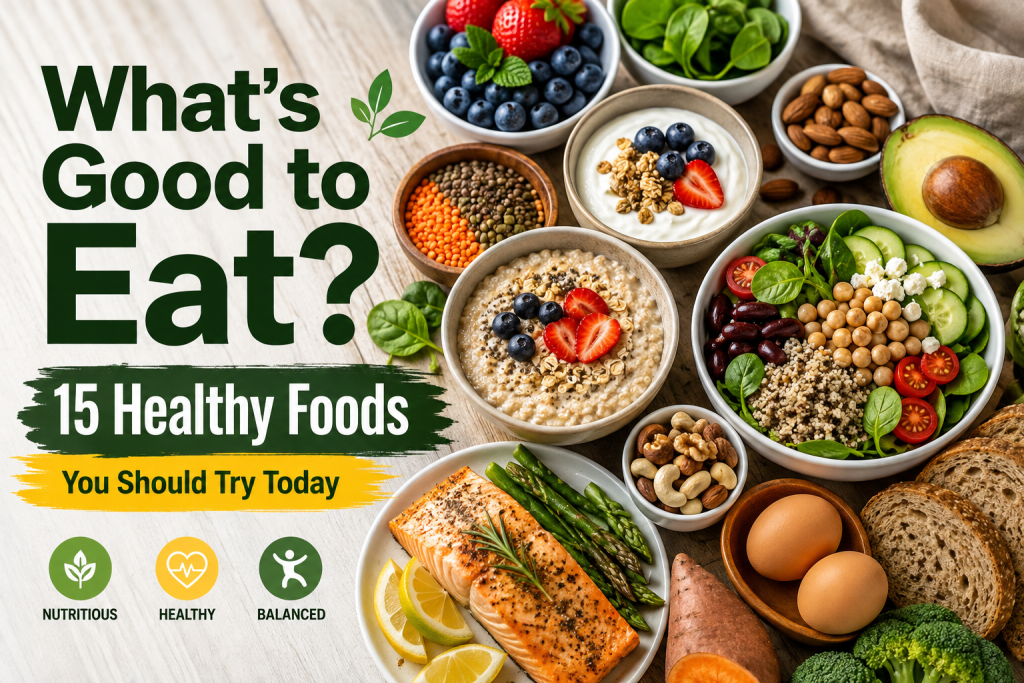
What’s Good to Eat? 15 Healthy Foods You Should Try Today
Choosing nutritious food does not have to be complicated. With so many diets, food trends, and conflicting nutrition advice online, it can be difficult to know which foods genuinely support your health. The good news is that healthy eating can be simple when you focus on whole, nutrient-rich foods and create balanced meals.
If you are wondering Whats Good to Eat, the answer depends partly on your individual needs, activity level, age, and overall health. However, many foods provide important nutrients such as protein, fiber, vitamins, minerals, healthy fats, and antioxidants.
This guide explores 15 nutritious foods that can fit into a balanced eating pattern. It also explains how to combine them into practical meals and how small food choices can contribute to overall wellness.
1. Eggs
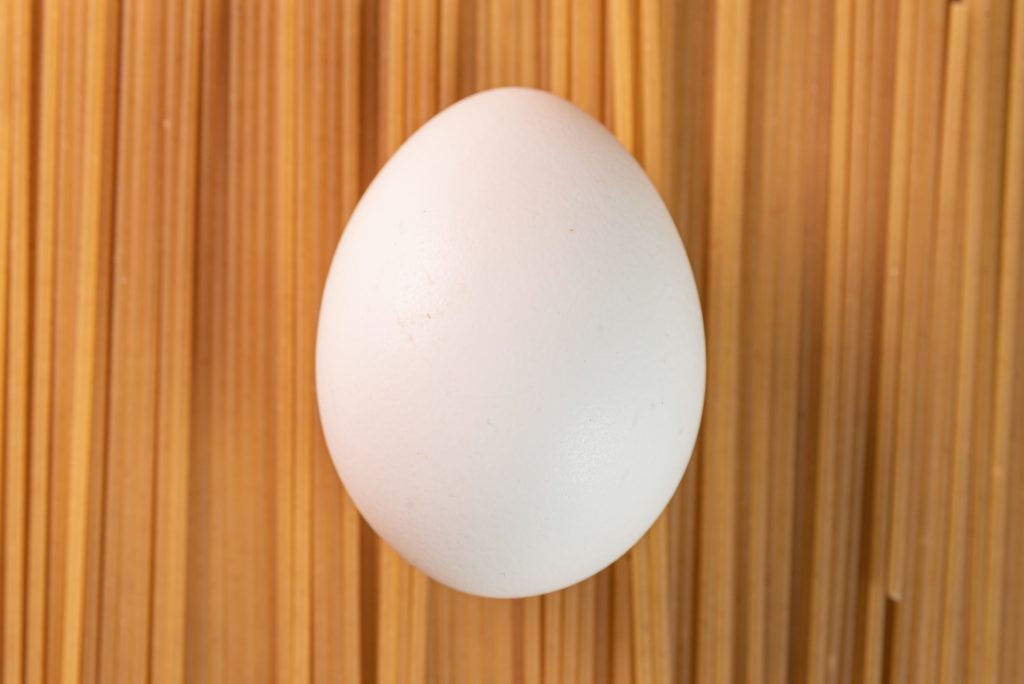
Eggs are one of the most convenient sources of high-quality protein. They also provide nutrients such as vitamin B12, selenium, choline, and several other vitamins and minerals.
Eggs can be prepared in many ways, including boiled, scrambled, poached, or added to vegetables. Pairing eggs with whole-grain toast and vegetables can create a balanced breakfast containing protein, carbohydrates, fiber, and micronutrients.
For people asking Whats Good to Eat in the morning, eggs can be a practical option because they are filling and easy to prepare.
2. Oatmeal
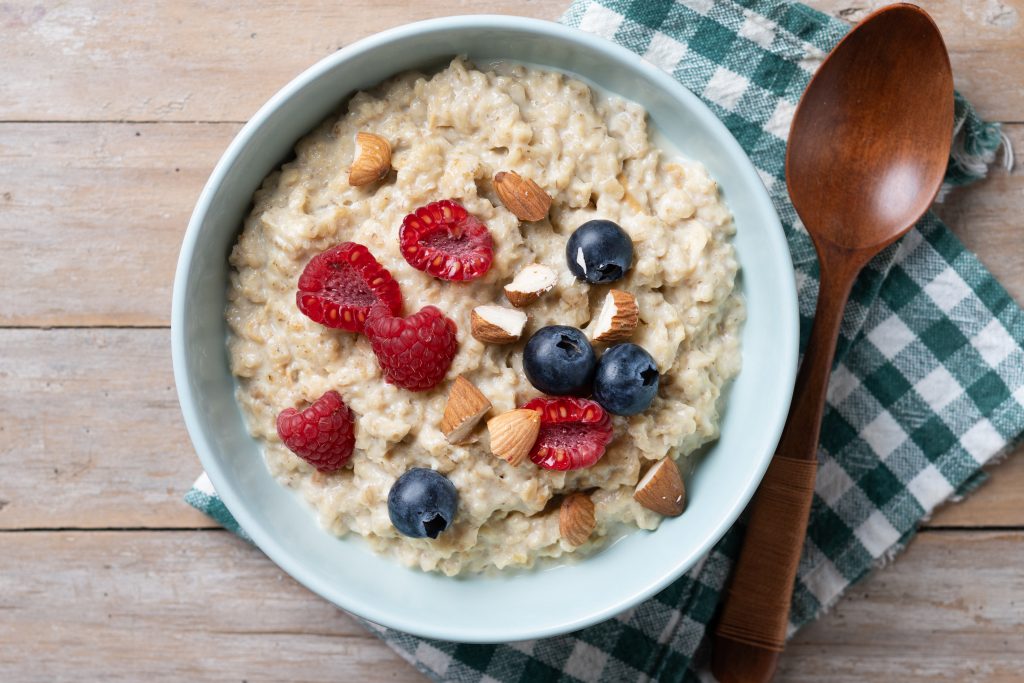
Oatmeal is a versatile whole grain that can provide carbohydrates and dietary fiber. Oats contain a type of soluble fiber called beta-glucan, which is associated with heart-health benefits when included as part of a balanced diet.
Instead of loading oatmeal with large amounts of added sugar, try adding berries, banana slices, nuts, seeds, or plain yogurt.
A bowl of oatmeal can be especially useful when you want a quick breakfast that can be customized according to your preferences.
3. Greek Yogurt
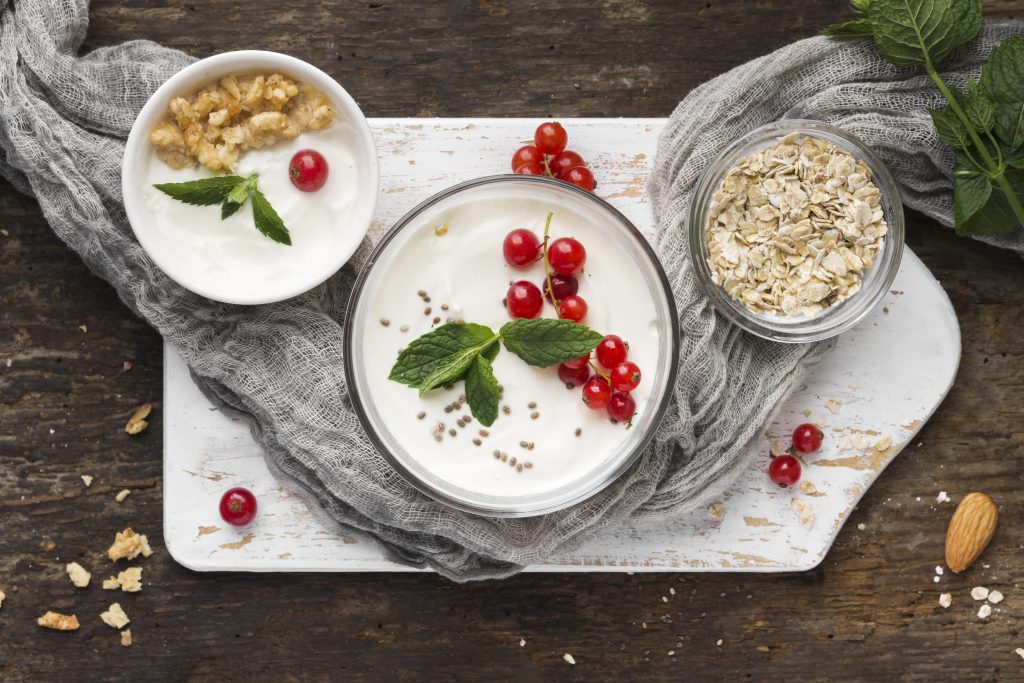
Greek yogurt is a convenient source of protein and calcium. Depending on the product, it may also contain live cultures that support a healthy digestive system.
Choose plain or low-added-sugar varieties when possible. You can improve the taste naturally by adding fresh fruit, cinnamon, nuts, or seeds.
For anyone asking Whats Good to Eat as a snack, Greek yogurt with fruit can be a simple and nutritious choice.
4. Berries
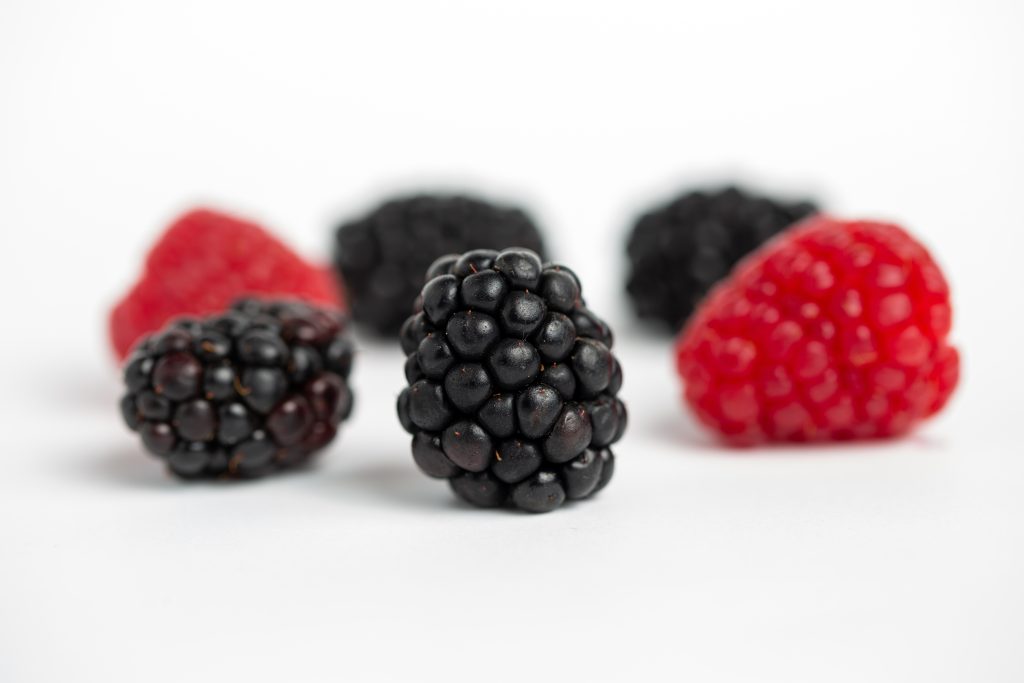
Strawberries, blueberries, raspberries, and blackberries contain fiber, vitamins, minerals, and naturally occurring plant compounds.
Berries can be added to oatmeal, yogurt, smoothies, or salads. They can also be eaten on their own as a convenient snack.
Fresh and frozen berries can both be useful. Frozen fruit is particularly convenient because it can be stored for longer periods without requiring frequent shopping.
5. Leafy Green Vegetables
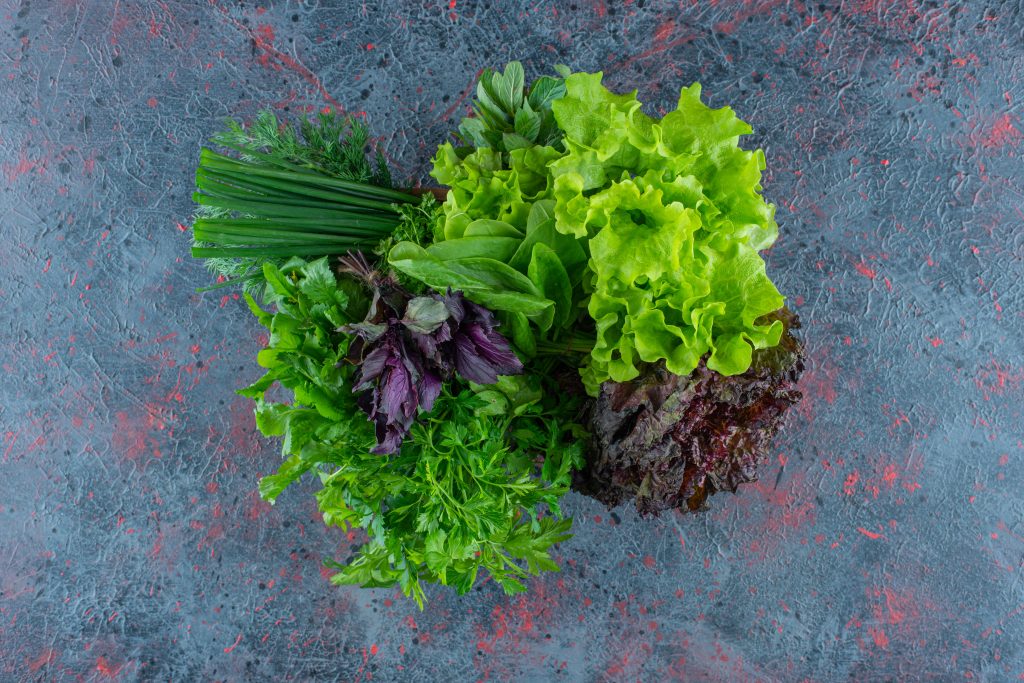
Spinach, kale, lettuce, collard greens, and other leafy vegetables can contribute vitamins, minerals, fiber, and plant compounds to your diet.
Adding vegetables to meals is one of the easiest ways to increase the nutritional variety of your plate. You can include leafy greens in salads, soups, sandwiches, omelets, or cooked dishes.
If you are thinking about Whats Good to Eat for better everyday nutrition, increasing the variety of vegetables you eat is a useful strategy.
6. Fatty Fish
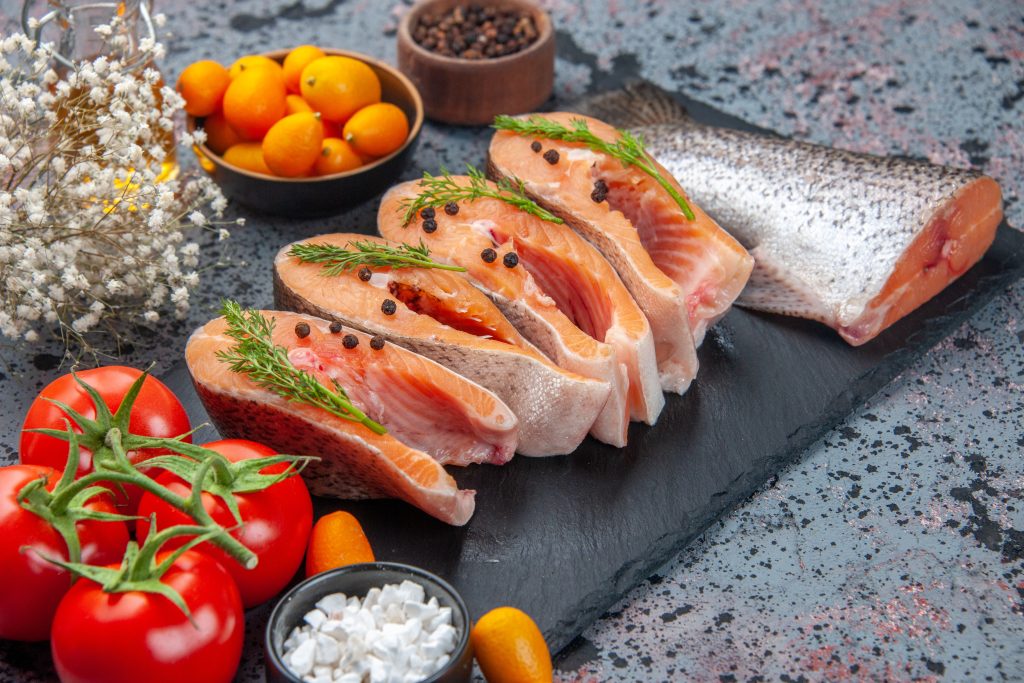
Salmon, sardines, trout, and similar fish provide protein and omega-3 fatty acids. Fish can be part of a balanced diet and may be especially useful for people looking for nutrient-dense sources of protein.
Try baking, grilling, or steaming fish rather than regularly deep-frying it. Pair it with vegetables and a whole grain such as brown rice for a balanced meal.
People searching Whats Good to Eat for a healthy dinner can consider fish with vegetables as one practical option.
7. Nuts
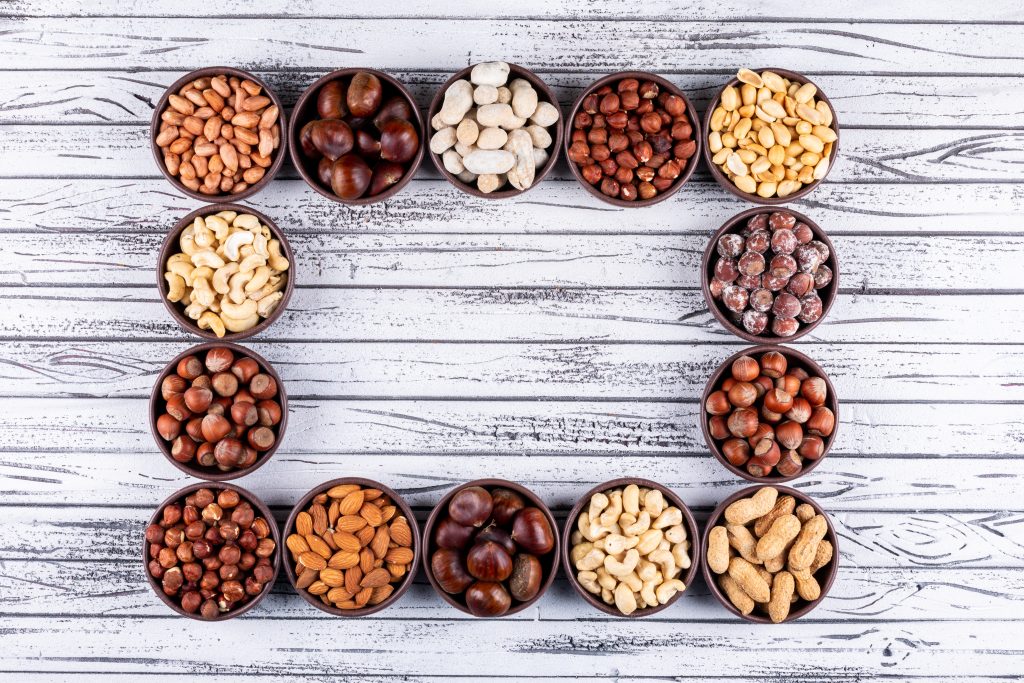
Almonds, walnuts, pistachios, and other nuts contain healthy unsaturated fats, protein, fiber, vitamins, and minerals.
Because nuts are energy-dense, portion size matters. A small handful can make a satisfying snack without requiring much preparation.
You can also sprinkle chopped nuts over oatmeal, yogurt, salads, or cooked vegetables.
8. Avocado
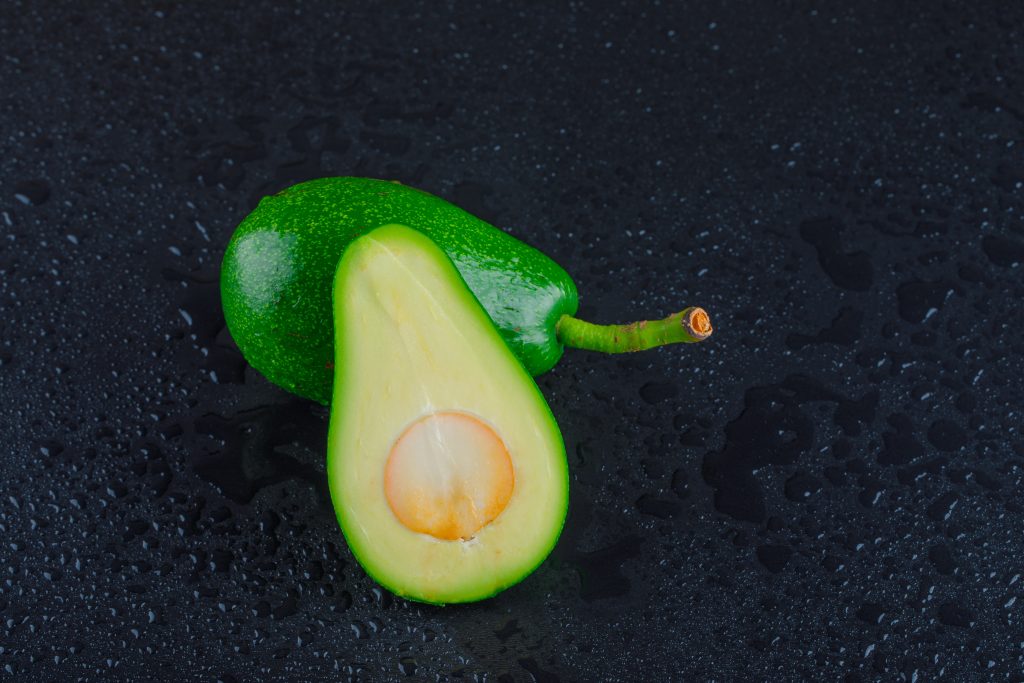
Avocado contains monounsaturated fat, fiber, potassium, and other nutrients. Its creamy texture makes it useful in many meals.
You can add avocado to whole-grain toast, salads, sandwiches, or grain bowls. It can also be combined with tomatoes, onions, and herbs to make a simple dip.
Rather than focusing on one “perfect” food, consider how foods such as avocado can contribute to variety and balance.
9. Beans and Lentils
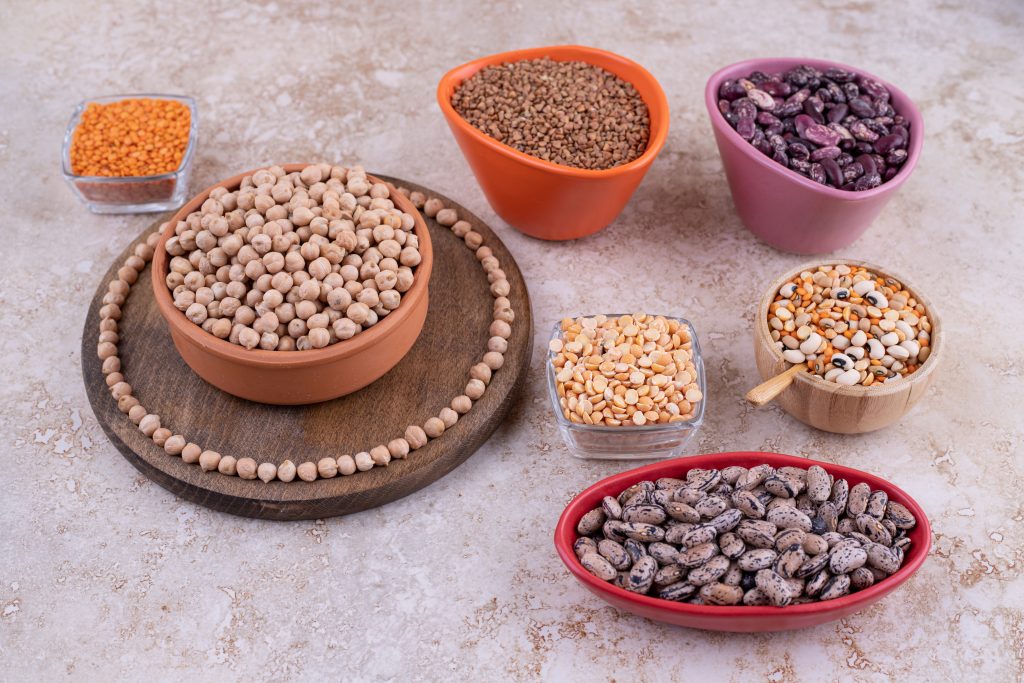
Beans and lentils are affordable sources of plant-based protein and fiber. Options include chickpeas, kidney beans, black beans, green lentils, and red lentils.
They can be added to soups, salads, curries, wraps, and rice dishes. For people who eat less meat, legumes can be a valuable part of a balanced eating pattern.
If you are still wondering Whats Good to Eat when you want an affordable nutritious option, beans and lentils deserve consideration.
10. Sweet Potatoes
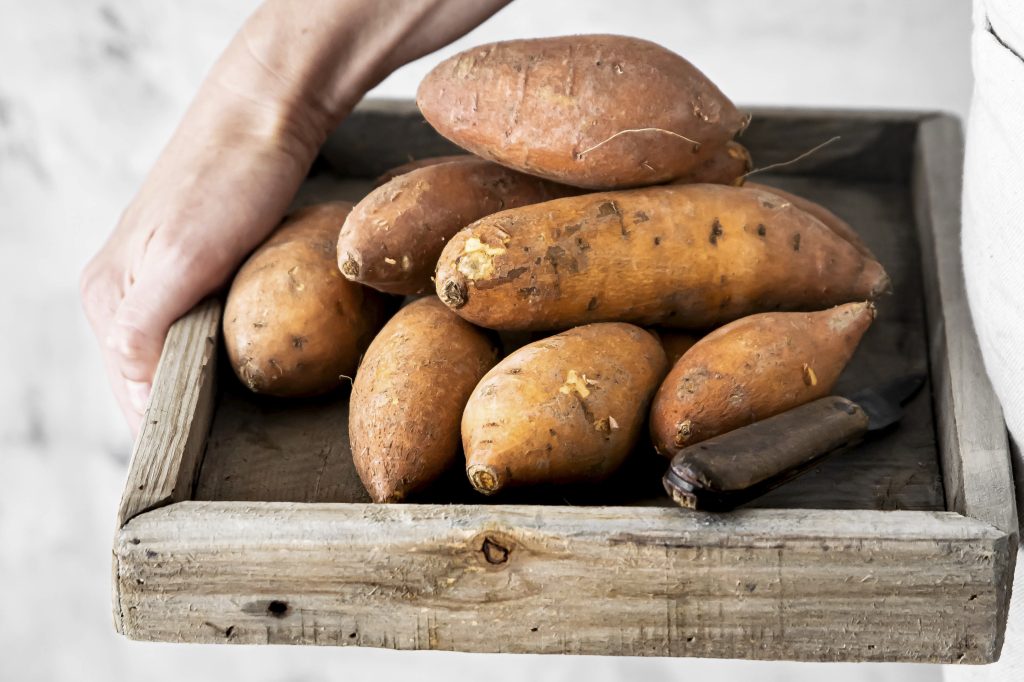
Sweet potatoes provide carbohydrates, fiber, potassium, and beta-carotene. Their naturally sweet flavor makes them easy to include in both simple and more creative meals.
They can be baked, roasted, steamed, or mashed. Combining sweet potatoes with a protein source and vegetables can create a satisfying meal.
The goal is not to eliminate carbohydrates but to choose nutrient-rich carbohydrate sources and balance them with other foods.
11. Whole Grains
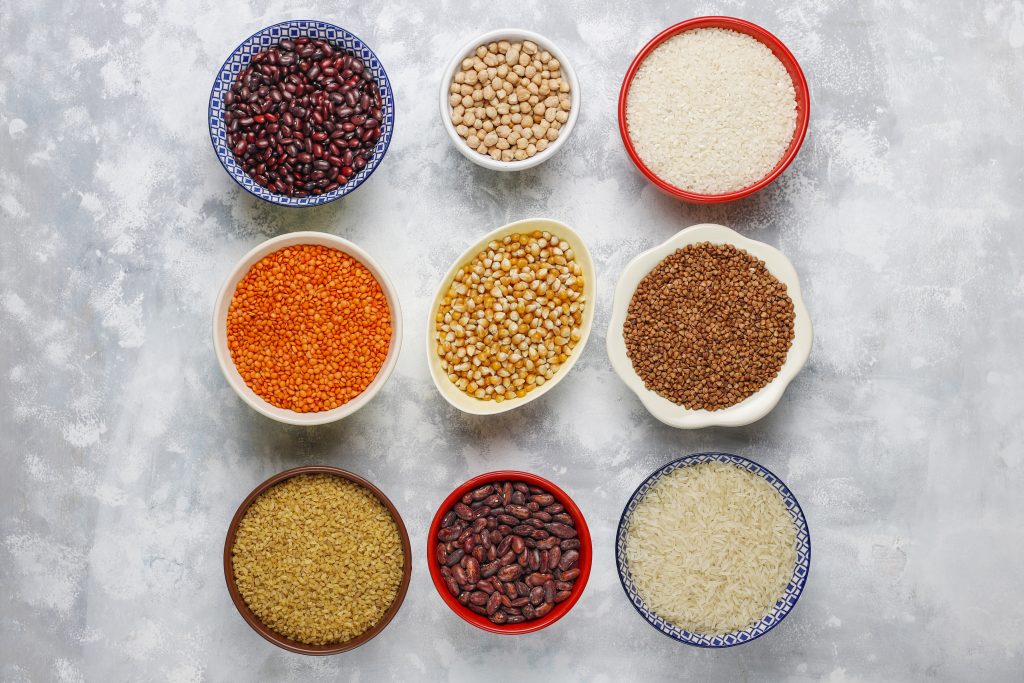
Brown rice, oats, whole-wheat bread, barley, and quinoa are examples of whole-grain foods.
Whole grains generally contain more fiber and nutrients than refined grains because the grain remains more intact during processing.
When deciding Whats Good to Eat for sustained everyday nutrition, replacing some refined grain products with whole-grain alternatives can be a useful change.
For example, brown rice can replace white rice in some meals, while whole-grain bread can be used for sandwiches.
12. Bananas
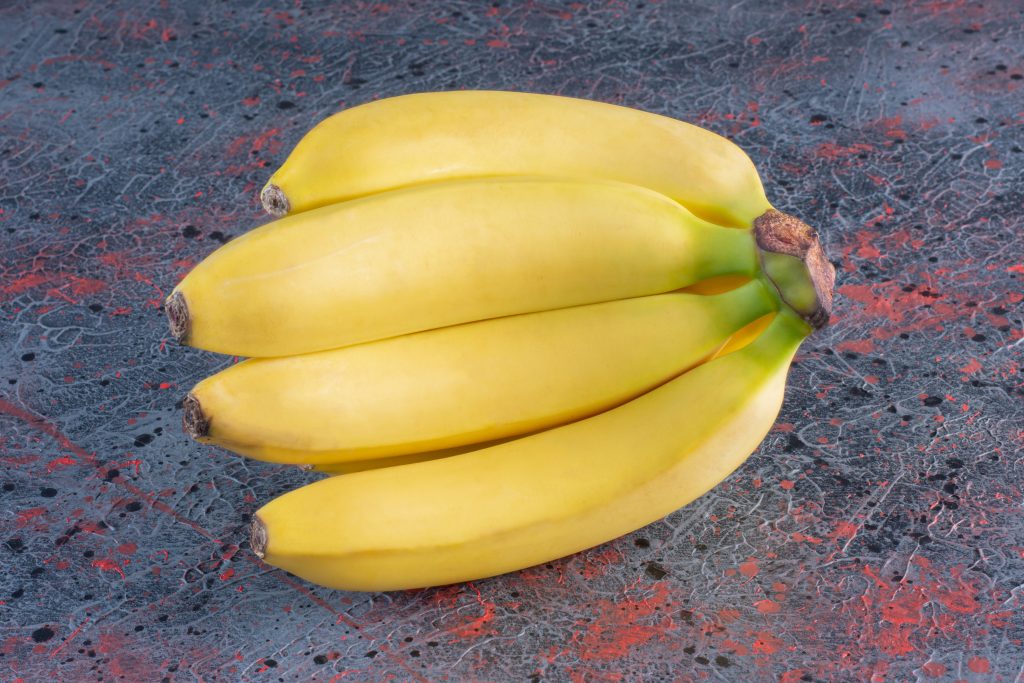
Bananas are convenient, inexpensive, and easy to carry. They provide carbohydrates, fiber, and potassium.
They can be eaten alone, blended into smoothies, sliced over oatmeal, or combined with yogurt and nuts.
A banana can also be useful before physical activity when you want a convenient source of carbohydrates.
13. Chicken

Chicken is a popular protein source and can be included in many different meals. Skinless chicken prepared through baking, grilling, roasting, or steaming can fit into a balanced diet.
Instead of relying on heavily fried chicken dishes, try combining chicken with vegetables and whole grains.
If someone asks Whats Good to Eat for a simple protein-rich lunch, a chicken-and-vegetable bowl can be an easy option.
14. Olive Oil

Olive oil is a source of monounsaturated fat and can be used in cooking, dressings, and marinades.
A small amount can add flavor to vegetables, salads, fish, and whole grains. However, because oils are calorie-dense, moderation is still important.
Healthy eating is not only about adding individual foods. It is also about considering portions and the overall balance of the diet.
15. Water-Rich Foods
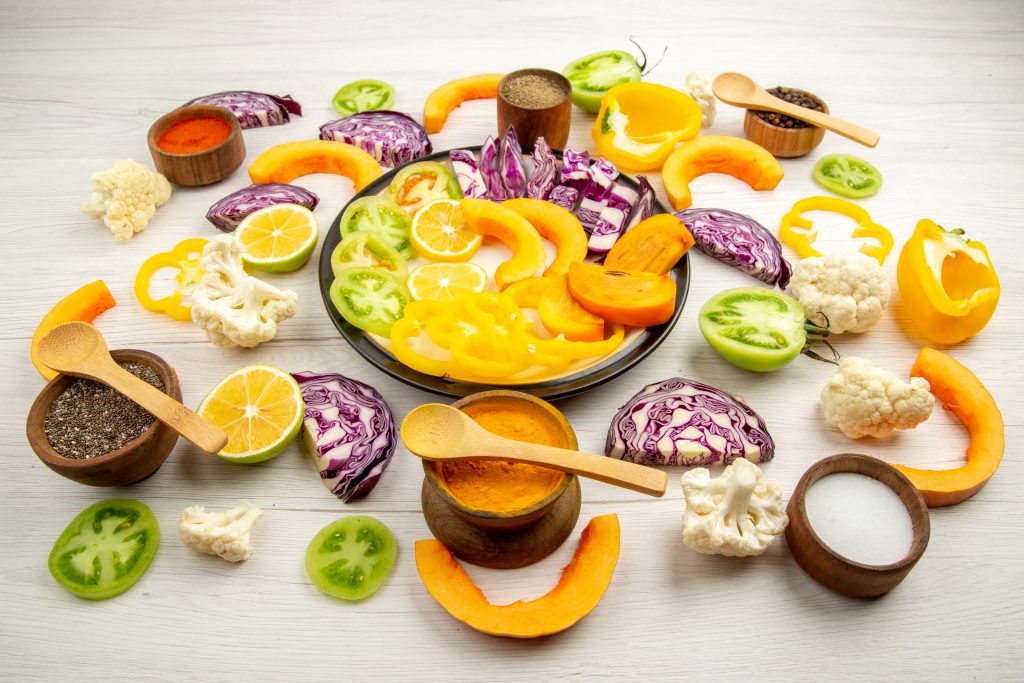
Foods such as cucumbers, watermelon, oranges, tomatoes, and many other fruits and vegetables contain substantial amounts of water.
They can contribute to overall fluid intake while also providing vitamins, minerals, and other nutrients.
Water should remain the main beverage for most people, while water-rich foods can complement regular hydration.
How to Build a Balanced Plate
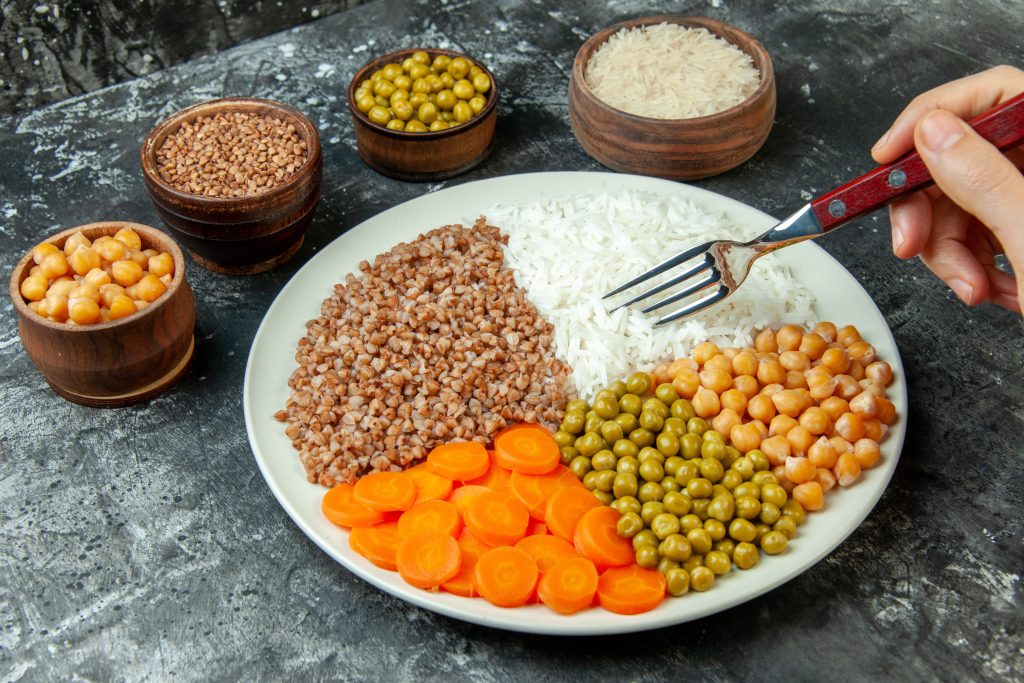
Knowing Whats Good to Eat is useful, but knowing how to combine foods may be even more important.
A simple approach is to divide your meal into several components. Include vegetables or fruit, a protein source, and a carbohydrate source. Add a moderate amount of healthy fat when appropriate.
For example, a balanced lunch could contain grilled chicken, brown rice, mixed vegetables, and a small amount of avocado. Another option could be lentils with vegetables and whole-grain bread.
This approach gives you flexibility instead of forcing you to follow a rigid diet.
Healthy Snacks to Consider
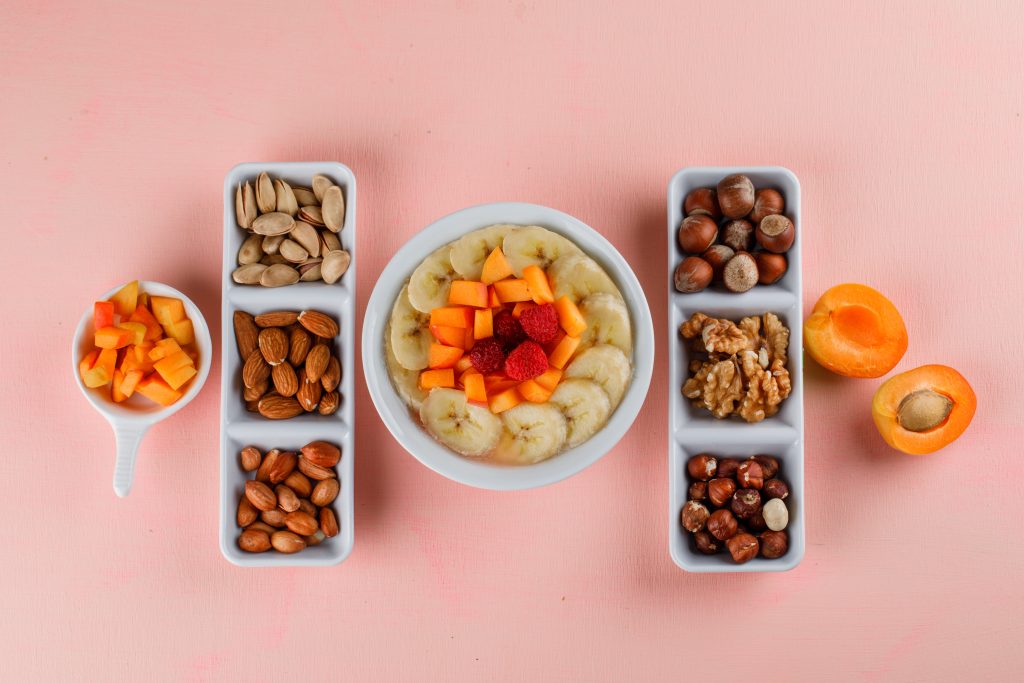
Snacking can be part of a balanced eating pattern when you choose portions that fit your needs.
Some simple combinations include:
- Greek yogurt with berries
- Apple with a small amount of nut butter
- Carrots with hummus
- A banana with a few nuts
- Boiled eggs with vegetables
- Fresh fruit with plain yogurt
When deciding Whats Good to Eat between meals, combining protein or healthy fats with fiber-rich foods can help make snacks more satisfying.
Foods to Limit
Healthy eating does not mean that you can never enjoy your favorite foods. Instead, foods high in added sugars, excessive sodium, and unhealthy fats are generally better consumed less frequently or in smaller amounts.
Highly processed foods can sometimes be convenient, but relying heavily on them may make it harder to obtain a wide variety of nutrients.
Sugary drinks, frequent deep-fried foods, highly processed snacks, and oversized portions are examples of choices worth limiting.
The key is balance rather than perfection.
What’s Good to Eat Before Exercise?
Your best food choice before exercise depends on the type and duration of activity and your individual tolerance.
A small meal or snack containing carbohydrates may provide useful energy before physical activity. Bananas, oatmeal, whole-grain toast, or fruit with yogurt are examples of options some people tolerate well.
Avoid experimenting with unfamiliar foods immediately before demanding exercise. Foods that are very high in fat or fiber may cause digestive discomfort for some people when eaten shortly before activity.
What’s Good to Eat After Exercise?
After physical activity, your body needs nutrients to support normal recovery. A meal containing protein and carbohydrates can be a practical choice.
Examples include chicken with rice and vegetables, eggs with whole-grain toast, Greek yogurt with fruit, or lentils with whole grains.
If you are asking Whats Good to Eat after exercise, focus on a balanced meal rather than searching for one special “recovery food.”
How Much Should You Eat?
There is no single portion size that works for everyone. Energy requirements vary according to body size, age, activity level, goals, and other individual factors.
Instead of obsessively measuring every food, start by paying attention to hunger and fullness cues while maintaining a varied diet.
If you have a medical condition, food allergy, eating disorder, or specific nutritional requirement, a registered dietitian or qualified healthcare professional can provide individualized guidance.
Simple Healthy Meal Ideas
Healthy meals do not need to be complicated or expensive.
For breakfast, try oatmeal topped with berries, banana, and a small portion of nuts. For lunch, prepare a chicken and vegetable whole-grain wrap. For dinner, try baked fish with brown rice and roasted vegetables.
Vegetarian options can include lentil curry with vegetables and brown rice or a chickpea salad with whole-grain bread.
These meals demonstrate that Whats Good to Eat can be answered with ordinary foods rather than expensive specialty products.
Tips for Making Better Food Choices
Start by making one or two realistic changes instead of completely changing your diet overnight.
Keep fruit available for quick snacks. Add vegetables to at least one additional meal each day. Choose whole grains more often. Include a protein source with meals. Drink water regularly and reduce sugary beverages.
Reading food labels can also help you compare products. Pay attention to serving sizes, added sugars, sodium, fiber, and protein.
Most importantly, choose foods you actually enjoy. A healthy eating pattern is easier to maintain when it fits your lifestyle and preferences.
Final Thoughts
So, Whats Good to Eat? In general, a varied combination of vegetables, fruits, whole grains, lean proteins, legumes, nuts, seeds, and healthy fats can provide a strong nutritional foundation.
The 15 foods discussed in this guide are not the only healthy choices. There are many nutritious foods available, and the best diet is one that provides variety while fitting your individual needs, culture, budget, and lifestyle.
You do not need to eat perfectly every day. Instead, focus on consistent habits, sensible portions, and a wide variety of nutrient-rich foods.
If you have a specific medical condition or dietary concern, speak with a qualified healthcare professional before making major changes to your diet.