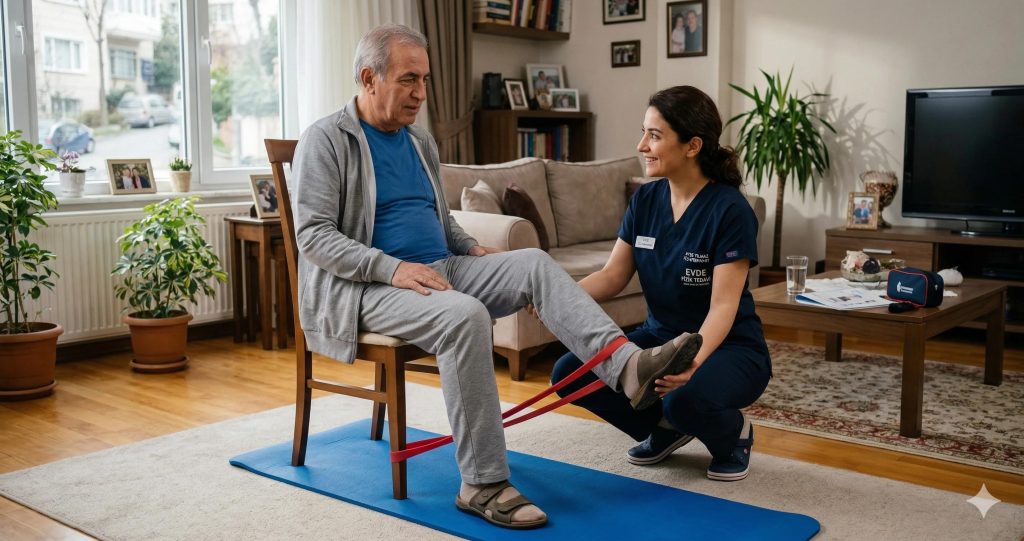
Ankle Pain Without Injury: 9 Causes, Treatment & Exercises That Can Help
Ankle pain can be frustrating, especially when you cannot remember twisting, falling, or otherwise injuring your ankle. Many people experience discomfort that develops gradually or appears suddenly without an obvious cause. Understanding what may be behind the symptoms can help you choose appropriate self-care and know when professional assessment is necessary.
This guide explains common reasons for ankle pain without injury, practical treatment approaches, helpful exercises, and warning signs that should not be ignored.
What Does Ankle Pain Without Injury Mean?

The phrase ankle pain without injury describes discomfort around the ankle that occurs without a clear traumatic event such as a sprain, fracture, or direct blow.
Pain may be felt around the front, back, inside, or outside of the ankle. Some people notice swelling, stiffness, warmth, tenderness, or reduced movement. Others experience pain mainly when walking, climbing stairs, standing for long periods, or moving the ankle in a particular direction.
The cause is not always serious. Overuse, unsuitable footwear, reduced mobility, and muscle weakness can contribute to ankle symptoms. However, persistent or severe pain may sometimes be associated with an underlying joint, tendon, nerve, or inflammatory condition.
9 Common Causes of Ankle Pain Without Injury
1. Overuse and Repetitive Stress

One of the most common explanations for ankle pain without injury is simply doing more activity than the tissues are accustomed to handling.
Increasing walking, running, hiking, sports, or standing time too quickly can place additional stress on the muscles, tendons, ligaments, and joints around the ankle.
The pain may develop gradually rather than immediately. It can become more noticeable after exercise or toward the end of the day.
Reducing high-impact activity temporarily and gradually returning to normal activity can often help. Comfortable footwear and appropriate strengthening exercises may also reduce recurring stress.
2. Tendon Problems
Several tendons help control ankle movement and stability. Repetitive loading can irritate these structures, causing pain and tenderness.
For example, the Achilles tendon connects the calf muscles to the heel and can become painful when repeatedly overloaded. Tendons on the inside or outside of the ankle can also become irritated.
Tendon-related symptoms often worsen with walking, running, jumping, or climbing stairs. Stiffness may be particularly noticeable after periods of rest.
A physiotherapist can assess movement, strength, flexibility, and activity patterns to determine whether tendon loading may be contributing to the symptoms.
3. Arthritis

Joint inflammation or degeneration can sometimes cause ankle pain without injury. Osteoarthritis may develop gradually and can cause aching, stiffness, swelling, and reduced joint movement.
Inflammatory forms of arthritis can also affect the ankle. Symptoms may include prolonged morning stiffness, swelling, warmth, and pain in more than one joint.
If ankle discomfort continues for weeks or is accompanied by significant swelling and stiffness, a healthcare professional can help determine whether arthritis or another joint condition should be considered.
4. Gout
Gout is another possible cause of sudden ankle pain. It occurs when urate crystals accumulate within a joint, leading to inflammation.
A gout attack can cause intense pain, swelling, warmth, and tenderness. Although the big toe is commonly affected, gout can also involve the ankle.
If pain develops suddenly and the joint becomes extremely tender, swollen, or warm, medical assessment is important. Treatment for gout is different from ordinary muscle or tendon pain, so identifying the cause matters.
5. Flat Feet or Changes in Foot Mechanics

The way your feet contact the ground can influence the position and movement of your ankles.
People with flat feet or altered foot mechanics may place different amounts of stress on the ankle and surrounding tissues. Over time, this may contribute to discomfort during walking or prolonged standing.
Poor foot mechanics do not necessarily mean that someone needs special footwear or inserts. A professional assessment can help determine whether foot position, mobility, strength, or walking mechanics are contributing to symptoms.
6. Muscle Weakness or Limited Flexibility
Weak calf, foot, or lower-leg muscles may reduce the ankle’s ability to handle everyday loads.
Likewise, limited calf flexibility can affect ankle movement during walking, squatting, and climbing stairs.
When surrounding muscles are not strong or mobile enough, other tissues may have to compensate. This can contribute to ankle pain without injury, particularly after increased activity.
A gradual strengthening program can improve the ability of the ankle and lower leg to tolerate daily activities.
7. Nerve Irritation
Not all ankle pain originates directly from the ankle joint.
Nerves traveling through the lower leg and foot can become irritated or compressed, sometimes producing pain, burning, tingling, numbness, or unusual sensations.
Nerve-related symptoms may travel from the lower leg toward the foot rather than remaining in one small area. Some people also notice weakness or changes in sensation.
If ankle symptoms are accompanied by persistent numbness, tingling, or weakness, it is sensible to seek professional evaluation rather than assuming the problem is simply muscular.
8. Unsuitable Footwear
Shoes influence how forces are distributed through the feet and ankles.
Shoes that are worn out, uncomfortable, too tight, or inappropriate for a particular activity may increase stress on certain parts of the foot and ankle.
For example, suddenly changing from supportive everyday shoes to minimal footwear can alter how the lower leg and foot work.
Choose comfortable shoes appropriate for your activity and replace footwear when it becomes excessively worn. If changing footwear does not improve persistent symptoms, further assessment may be needed.
9. Bursitis or Other Inflammatory Conditions
Small fluid-filled sacs called bursae help reduce friction around certain joints and tendons. Irritation of these structures can cause localized pain and tenderness.
Other inflammatory conditions can also produce ankle discomfort even when there has been no obvious injury.
Because several conditions can cause similar symptoms, the location, duration, severity, swelling, and activities associated with the pain are all important when identifying the likely cause.
Symptoms That May Occur With Ankle Pain
The symptoms accompanying ankle pain without injury can provide useful clues about what may be happening.
You might notice:
- Aching or sharp pain
- Stiffness after sitting or sleeping
- Swelling around the ankle
- Tenderness when touching a particular area
- Pain while walking
- Reduced ankle movement
- Burning or tingling sensations
- Pain after exercise
- Difficulty standing for long periods
- Weakness around the ankle or foot
Keeping track of when symptoms occur can be helpful. For example, note whether pain is worse in the morning, after exercise, during walking, or at night.
How Is Ankle Pain Without Injury Treated?
Treatment depends on the underlying cause. There is no single approach that works for every person.
For mild symptoms related to overuse, temporarily reducing aggravating activities may be helpful. You can continue comfortable, low-impact movement if it does not significantly increase pain.
Ice may provide temporary relief for some people when swelling or irritation is present. Elevating the leg can also be useful when swelling occurs.
Supportive footwear may help during everyday activities. However, persistent symptoms should not simply be masked with home treatments.
A physiotherapist may evaluate ankle mobility, muscle strength, balance, walking mechanics, and movement patterns. Based on the assessment, they may recommend mobility exercises, strengthening, balance training, activity modification, and a gradual return to exercise.
Exercises That May Help
If your symptoms are mild and exercises do not cause significant pain, gentle movements may help maintain ankle mobility and strength.
Ankle Circles
Sit comfortably and slowly move your ankle in a circular motion.
Perform several circles in each direction while keeping the movement controlled. Avoid forcing the ankle into a painful range.
Calf Stretch
Stand facing a wall and place one foot behind the other. Keep the back heel gently grounded while bending the front knee.
You should feel a mild stretch in the calf of the back leg. Hold the position for approximately 20 to 30 seconds and repeat several times.
Heel Raises
Stand near a wall or sturdy surface for support. Slowly raise your heels so you are standing on your toes, then lower them with control.
Begin with a small number of repetitions and gradually increase as your strength improves.
Heel raises can strengthen the calf muscles, which play an important role in walking and ankle function.
Towel Scrunches
Place a small towel on the floor and gently pull it toward you using your toes.
This exercise works small muscles in the foot. It should feel like controlled strengthening rather than painful gripping.
Single-Leg Balance
Stand near a stable surface and gently lift one foot from the floor.
Maintain your balance for several seconds before returning the foot to the ground. As your balance improves, gradually increase the duration.
Balance exercises can help improve coordination and lower-leg control.
When Should You See a Physiotherapist?
If ankle pain without injury continues despite reducing aggravating activities, a physiotherapist can help identify possible contributing factors.
Professional assessment may be especially useful if you have repeated ankle symptoms, difficulty walking, reduced movement, weakness, or pain that interferes with exercise and daily activities.
A physiotherapist can examine how your ankle, foot, knee, and hip work together. They can also create an exercise program based on your individual strength, mobility, and activity requirements.
Do not assume that persistent ankle pain is something you simply have to live with. Finding the underlying contributors can make rehabilitation more targeted.
When Is Ankle Pain an Emergency?
Some causes of ankle pain without injury require prompt medical attention.
Seek urgent medical advice if the ankle becomes severely swollen, red, hot, or extremely painful, particularly if you also have a fever or feel generally unwell.
You should also seek prompt assessment if you suddenly cannot put weight on the leg, develop significant weakness or numbness, or notice unusual color or temperature changes in the foot.
Although a lack of obvious injury can be reassuring, serious medical conditions can occasionally cause unexplained pain. Severe or rapidly worsening symptoms should therefore not be ignored.
How Can You Prevent Future Ankle Problems?
Preventing ankle pain without injury often involves managing activity levels and maintaining strength and mobility.
Increase exercise gradually rather than making sudden changes in distance, intensity, or frequency. If you start running, for example, avoid dramatically increasing your mileage within a short period.
Strengthen the calves, feet, and lower legs regularly. Balance training can also be useful, particularly for people who participate in sports or activities that require quick changes of direction.
Wear comfortable footwear appropriate for your activities and pay attention to early symptoms. Mild soreness after a major change in activity may be a signal to adjust your training rather than push through worsening discomfort.
Adequate recovery is also important. Rest does not necessarily mean complete inactivity; gentle movement that does not aggravate symptoms may help maintain mobility.
Final Thoughts
Ankle pain without injury can have many possible causes, ranging from overuse and tendon irritation to arthritis, gout, altered foot mechanics, or nerve-related problems.
The best approach depends on why the pain is occurring. Mild symptoms may improve with activity modification, comfortable footwear, and appropriate exercises. Persistent, severe, or unusual symptoms deserve professional evaluation.
If ankle pain is affecting your walking, exercise, sleep, or everyday activities, consider speaking with a qualified healthcare professional or physiotherapist. A proper assessment can help identify contributing factors and create a safe, personalized plan for recovery.
Remember that exercises should be comfortable and appropriate for your condition. If an exercise significantly increases pain, stop and seek professional guidance rather than continuing through worsening symptoms.