.
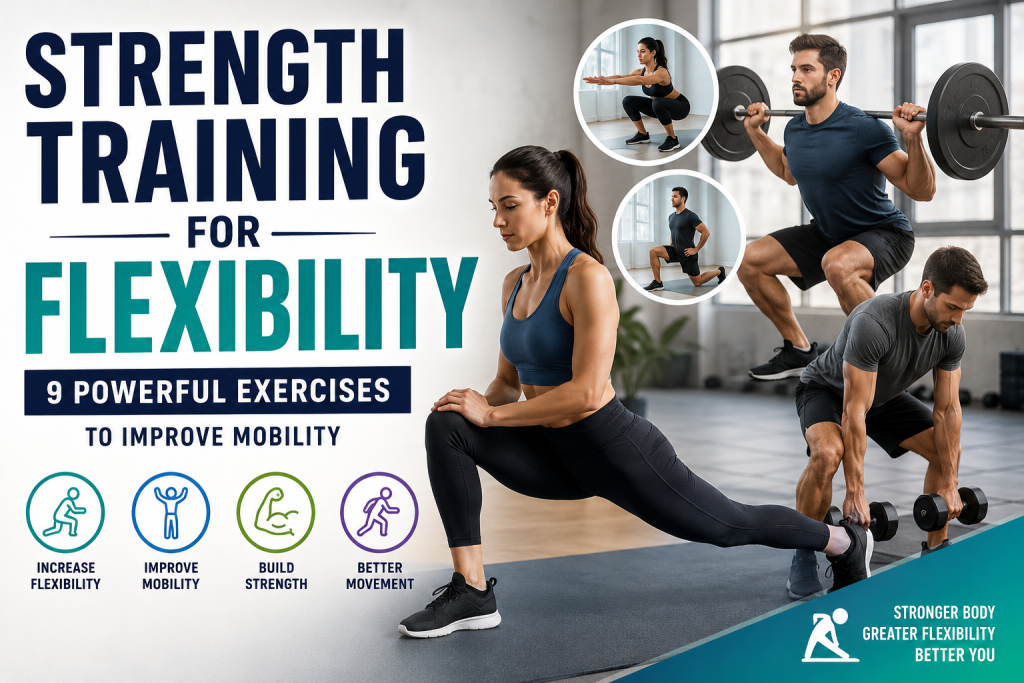
Strength Training for Flexibility: 9 Powerful Exercises to Improve Mobility
Flexibility is often associated with stretching, yoga, and mobility drills. However, resistance exercise can also play an important role in improving how comfortably and confidently your body moves. A well-designed strength routine can help you build muscle, improve joint control, and develop the ability to produce force through a useful range of motion.
Strength training for flexibility is not about forcing a joint into an extreme position. Instead, it involves gradually becoming stronger and more controlled in positions that may previously have felt difficult. This approach can be useful for people who want better mobility for exercise, sports, work, or everyday activities.
Research has found that resistance training can improve range of motion. A systematic review and meta-analysis published in the journal Sports Medicine found that resistance training improved range of motion and could produce flexibility gains comparable to stretching in some circumstances. Individual results can vary, so exercise selection and technique still matter.
In this guide, you will learn how strength work can support flexibility, nine useful exercises to try, how to structure your workouts, common mistakes to avoid, and when professional guidance may be appropriate.
What Is Strength Training for Flexibility?
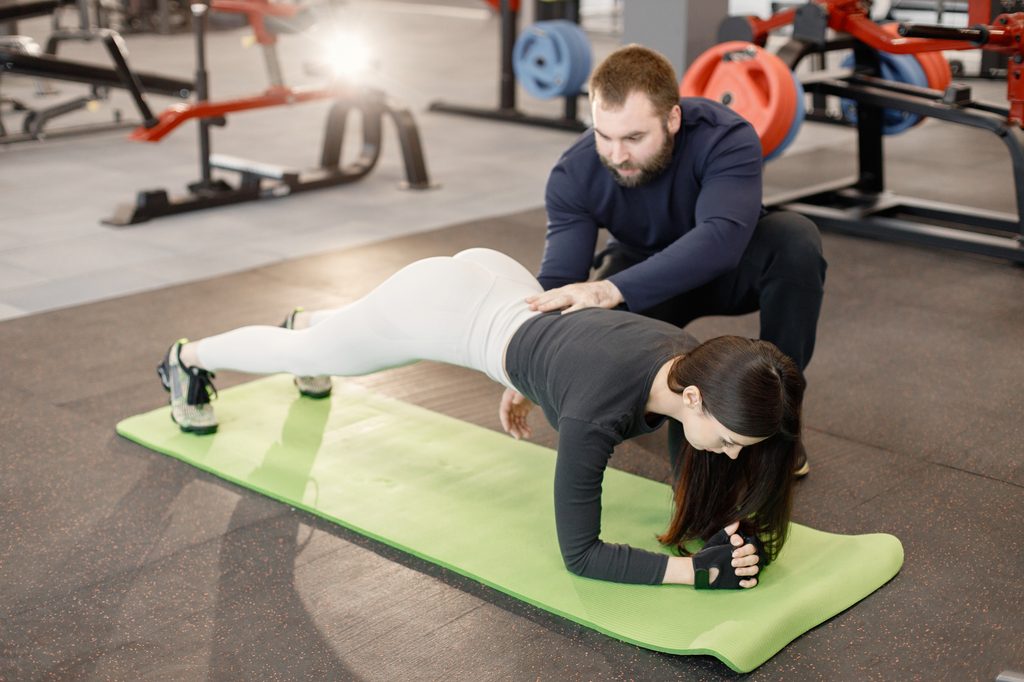
Strength training for flexibility combines resistance exercises with controlled movement through a comfortable range of motion. Rather than only trying to lengthen a muscle with a passive stretch, you develop strength and control while moving your joints.
For example, a squat can strengthen the quadriceps and glutes while challenging the hips, knees, and ankles to move through a substantial range. A Romanian deadlift can strengthen the hamstrings and glutes while teaching controlled hip movement.
The goal of strength training for flexibility is not to reach the deepest possible position immediately. The goal is to gradually improve your usable range while maintaining good technique. This makes the approach especially relevant for people who want mobility that transfers into real movement.
Can Strength Training Improve Flexibility?
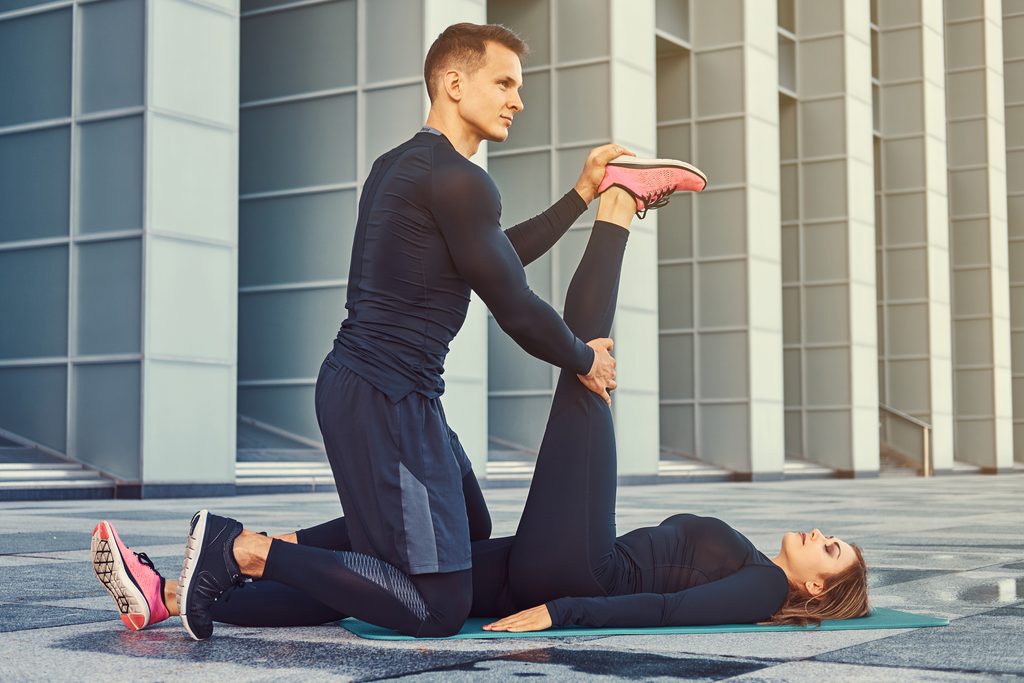
Yes. Evidence suggests that resistance exercise can increase joint range of motion. A 2023 systematic review and meta-analysis examined numerous studies and reported improvements in range of motion following resistance training. The researchers found that resistance training was not significantly different from stretching for range-of-motion improvements in the studies they analyzed.
A newer systematic review also reported positive effects of resistance training on joint flexibility, although the authors noted differences in study designs and evidence quality.
These findings show why strength training for flexibility can complement stretching rather than compete with it. They do not mean that stretching is unnecessary. Instead, they show that strength training can be another useful tool for improving mobility.
Strength training for flexibility may be particularly valuable because it develops strength at the same time that you work on movement.
How Does Strength Training Support Flexibility?
There are several possible reasons resistance exercise can improve movement.
1. It Builds Strength in Longer Positions

When you perform an exercise through a controlled range of motion, a muscle may have to produce force while it is relatively lengthened. Over time, becoming stronger in these positions can make them feel more manageable.
2. It Improves Neuromuscular Control
Flexibility is not only about tissue length. Your nervous system also controls how far and how confidently you move. Resistance exercises require coordination, balance, and control, which can help you become more comfortable using available range.
3. It Encourages Full-Range Movement
Many daily activities happen through a limited range of motion. Training through a suitable, controlled range can expose your joints and muscles to positions that are less frequently used.
4. It Supports Active Flexibility
Passive flexibility describes how far a body part can be moved with outside assistance. Active flexibility involves controlling the position using your own muscles. Strength work can be especially useful for active flexibility because you learn to produce force while maintaining control.
9 Powerful Exercises for Better Flexibility and Mobility
The following movements can be adapted to different fitness levels. Start with bodyweight or light resistance and increase difficulty gradually.
1. Deep Bodyweight Squat
Stand with your feet around shoulder-width apart. Keep your feet stable and lower your hips slowly while allowing your knees to track in the same general direction as your toes. Descend only as far as you can maintain control.
Pause briefly if comfortable, then stand up smoothly.
Squats can strengthen the legs and hips while challenging ankle, knee, and hip movement. If a deep squat is uncomfortable, use a chair or box as a target and gradually work toward greater depth.
2. Romanian Deadlift
Hold light dumbbells or another manageable resistance. Keep a soft bend in your knees and move your hips backward while keeping your spine in a comfortable position.
Lower the weights until you feel a moderate stretch in the back of your thighs. Then drive your hips forward to return to standing.
The Romanian deadlift is useful for strengthening the hamstrings and glutes while practicing controlled hip hinging. Do not force the weights toward the floor.
3. Reverse Lunge
Start standing tall. Step one foot backward and lower your body under control. Keep the front foot stable and avoid letting the front knee collapse inward.
Push through the front foot to return to standing, then switch sides.
Reverse lunges strengthen the legs while challenging balance, hip movement, and coordination. Beginners can reduce the depth or hold a stable surface for support.
4. Split Squat
Take a staggered stance with one foot forward and the other behind you. Lower your body slowly while keeping your balance. Stop at a depth that allows good technique and then push through the front foot to rise.
Split squats can help improve lower-body strength and control while allowing each side to work independently. Over time, a gradual increase in range can make the movement more challenging.
5. Step-Up
Place one foot on a stable, low platform. Push through that foot and lift your body onto the platform. Slowly lower yourself back down.
Step-ups train the glutes and legs while challenging balance and coordination. Begin with a low step and make sure the platform cannot slide.
6. Cossack Squat
Stand with your feet wider than shoulder-width apart. Shift your weight toward one side while bending that knee and keeping the other leg relatively straight.
Move slowly and stay within your comfortable range. Use a support if necessary.
Cossack squats challenge the hips, inner thighs, knees, and ankles. They are more advanced than a standard squat, so do not force the depth.
7. Glute Bridge
Lie on your back with your knees bent and your feet flat. Tighten your abdominal muscles gently and lift your hips from the floor. Pause briefly at the top and lower slowly.
Glute bridges are beginner-friendly and can help strengthen the muscles around the hips and pelvis. Once the basic version becomes easy, you can add resistance or progress to a single-leg variation.
8. Controlled Calf Raise
Stand near a wall or stable surface if you need balance. Slowly raise your heels, pause at the top, and lower them with control.
Calf raises strengthen the lower leg and can help you practice controlled ankle movement. If you use a step, only work through a range that you can safely control.
9. Dumbbell Overhead Press
Shoulder mobility is an important part of overall movement. A light dumbbell overhead press can strengthen the shoulders while requiring controlled movement through the upper-body range.
Use a resistance level that allows smooth repetitions. Do not force the shoulders overhead if the position causes pain or pinching.
How to Perform Strength Training for Flexibility Safely
When using strength training for flexibility, the quality of your movement matters more than how heavy the resistance is. Begin with a load that lets you complete each repetition without losing control.
Move slowly enough to understand what your body is doing. A controlled lowering phase can be particularly useful because it teaches your muscles to handle resistance while lengthening.
Do not chase an extreme range. A slightly smaller range performed with excellent technique is generally more useful than a deeper range that causes pain or makes your form break down.
As your mobility and strength improve, increase the range gradually. You can also add resistance in small increments.
Should You Stretch as Well?
Yes. Strength training and stretching can work together.
Research indicates that resistance exercise can improve range of motion, but stretching remains a practical method for people who want to work on specific flexibility limitations. A balanced program can include dynamic movements during a warm-up, resistance training during the main workout, and gentle stretching when appropriate.
For someone with tight hamstrings, for example, strengthening the hamstrings through a controlled range can be combined with gentle hamstring mobility work. The best combination depends on the person’s goals and movement limitations.
How Often Should You Train?
For many beginners, two or three resistance sessions per week can be a practical starting point for strength training for flexibility. You do not need to train every muscle every day.
A simple session could include:
- Squats: 2–3 sets of 8–12 repetitions
- Romanian deadlifts: 2–3 sets of 8–12 repetitions
- Reverse lunges: 2 sets of 8–10 repetitions per side
- Glute bridges: 2–3 sets of 10–15 repetitions
- Calf raises: 2–3 sets of 10–15 repetitions
- Overhead presses: 2 sets of 8–12 repetitions
Allow enough recovery between sessions. If you are new to exercise, start with fewer sets and increase the workload as your body adapts.
Consistency is more important than doing an exhausting workout once in a while.
Common Mistakes to Avoid
Using Too Much Weight
Heavy resistance can make it difficult to control the movement. If your goal is mobility and flexibility, choose a load that allows a smooth and stable range.
Forcing the End Range
Never assume that deeper automatically means better. A joint should not be forced into a painful position just to increase flexibility.
Rushing Repetitions
Fast repetitions reduce your ability to control the movement. Slow down and pay attention to alignment and breathing.
Ignoring Asymmetry
It is normal for one side to feel somewhat different from the other, but a large or worsening difference deserves attention. If one side is consistently painful or significantly weaker, consider professional assessment.
Skipping the Warm-Up
A short warm-up can prepare your body for exercise. Walking, cycling, or gentle dynamic movements for several minutes can be enough before a basic strength session.
Who Can Benefit From Strength Training for Flexibility?
Strength training for flexibility can be useful for many adults, including beginners, recreational exercisers, athletes, and people who want to move more comfortably.
Someone who spends much of the day sitting may want to improve hip and upper-body movement. An athlete may want better control during sport-specific positions. A beginner may simply want to build strength while becoming more comfortable with everyday movements.
However, exercise should be adjusted to the individual. A person recovering from an injury or dealing with persistent pain may need a personalized program rather than a general routine.
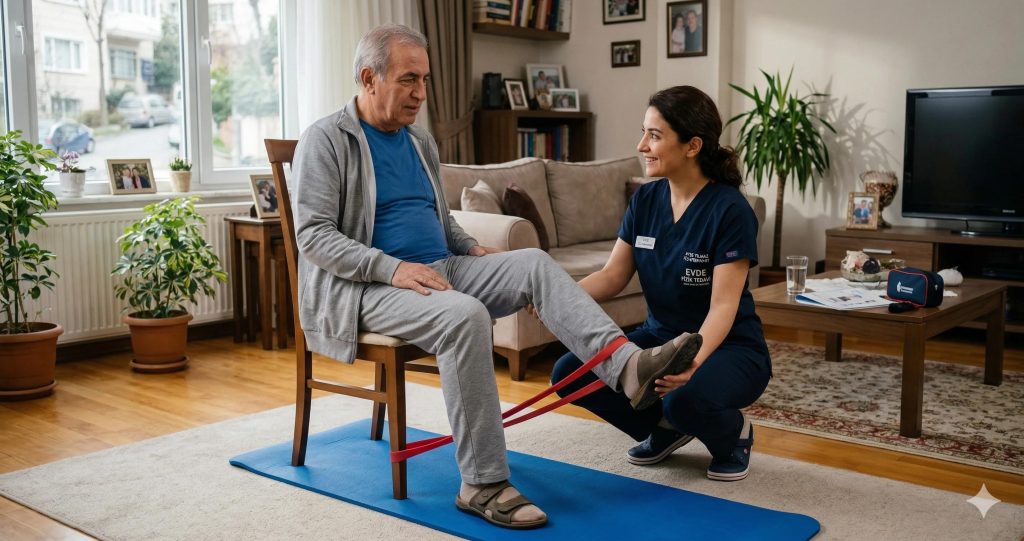
When Should You See a Physical Therapist?
Limited flexibility is not always a simple muscle-tightness problem. It can sometimes be related to joint restrictions, previous injury, weakness, poor movement coordination, or pain.
Consider speaking with a physical therapist if you have persistent pain, swelling, numbness or tingling, significant weakness, repeated injuries, or difficulty performing normal activities.
A physical therapist can assess your movement and determine whether your program should emphasize strength, mobility, stretching, motor control, or another approach.
Professional guidance is particularly important when an exercise consistently produces sharp or worsening pain.
Final Thoughts
Strength training for flexibility can help you build a stronger and more capable body while working toward better movement. Research suggests that appropriately performed resistance training can improve range of motion, making it a useful part of a broader mobility program.
You do not have to choose between strength and flexibility. Exercises such as squats, Romanian deadlifts, lunges, split squats, glute bridges, calf raises, and controlled overhead presses can train muscles while encouraging useful movement.
The most important principles are consistency, gradual progression, controlled technique, and respect for your body’s limits. Start with manageable resistance, work through a comfortable range, and increase the challenge slowly.
For many people, the most effective approach is not one single exercise method. A combination of resistance training, mobility work, stretching, cardiovascular activity, and adequate recovery can support overall physical function.
If you have pain or a significant movement restriction, do not try to force flexibility on your own. A qualified physical therapist or healthcare professional can help identify the cause and create an appropriate plan.
With patience and regular practice, strength work can become a valuable part of your flexibility and mobility routine.
Medical note: This article is for general educational purposes and does not replace individualized medical or physical-therapy advice. If you have an injury, persistent pain, or a medical condition affecting movement, consult a qualified healthcare professional before starting a new exercise program.
References
- PubMed: Systematic reviews on resistance training and joint flexibility/range of motion.
- U.S. Department of Health and Human Services: Physical Activity Guidelines for Americans.
- Sports Medicine research on resistance training and flexibility.