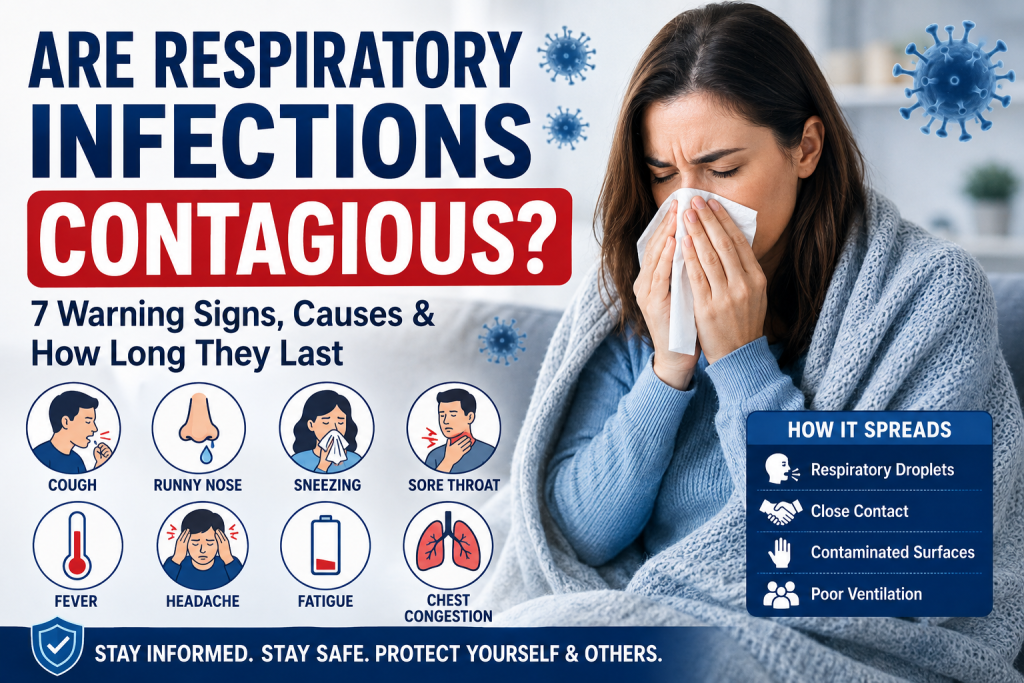
Are Respiratory Infections Contagious? 7 Warning Signs, Causes & How Long They Last
Respiratory infections are illnesses that affect the nose, throat, sinuses, airways, or lungs. They include common colds, influenza, COVID-19, respiratory syncytial virus (RSV), and several other viral and bacterial infections. One of the first questions people often ask when they become sick is, “are respiratory infections contagious?” The answer is usually yes for many common respiratory infections, but the level and duration of contagiousness depend on the specific infection, the stage of illness, and the individual.
Understanding how respiratory infections spread can help you protect yourself, your family, coworkers, and other people in your community. It can also help you recognize when staying home or taking extra precautions is sensible.
What Are Respiratory Infections?
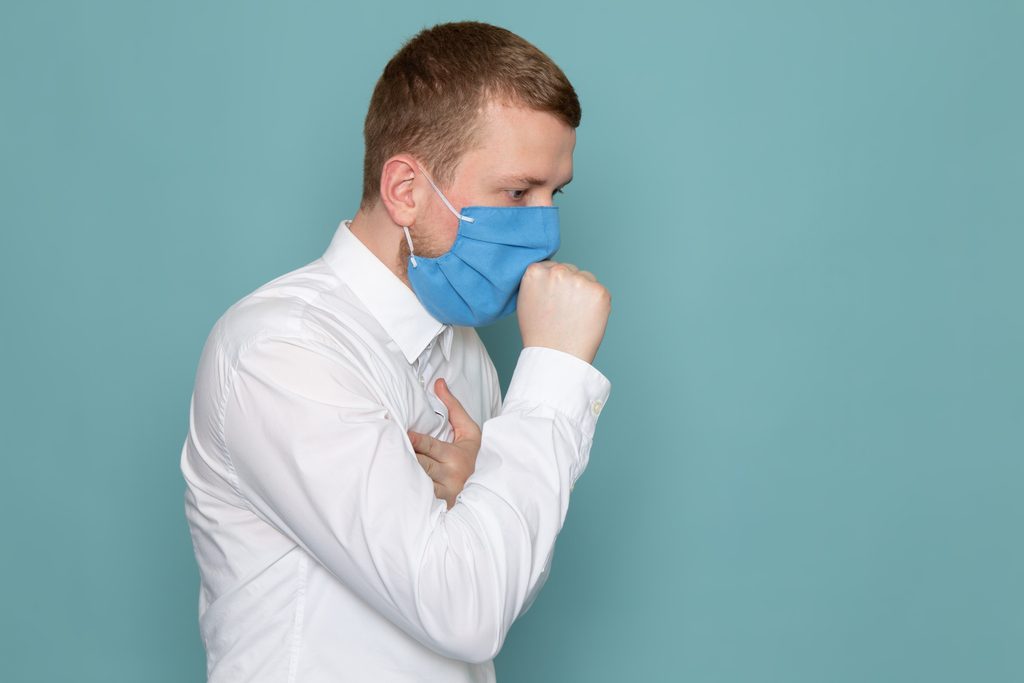
A respiratory infection occurs when a microorganism infects part of the respiratory system. The respiratory tract includes the nose, sinuses, throat, windpipe, and lungs.
Respiratory infections can be broadly divided into upper and lower respiratory infections. Upper respiratory infections commonly affect the nose and throat and include many ordinary colds. Lower respiratory infections can involve the larger airways or lungs and may include bronchitis and pneumonia.
Viruses cause many respiratory infections, but bacteria can also cause some illnesses. Because different infections behave differently, symptoms and contagious periods are not identical.
Are Respiratory Infections Contagious?
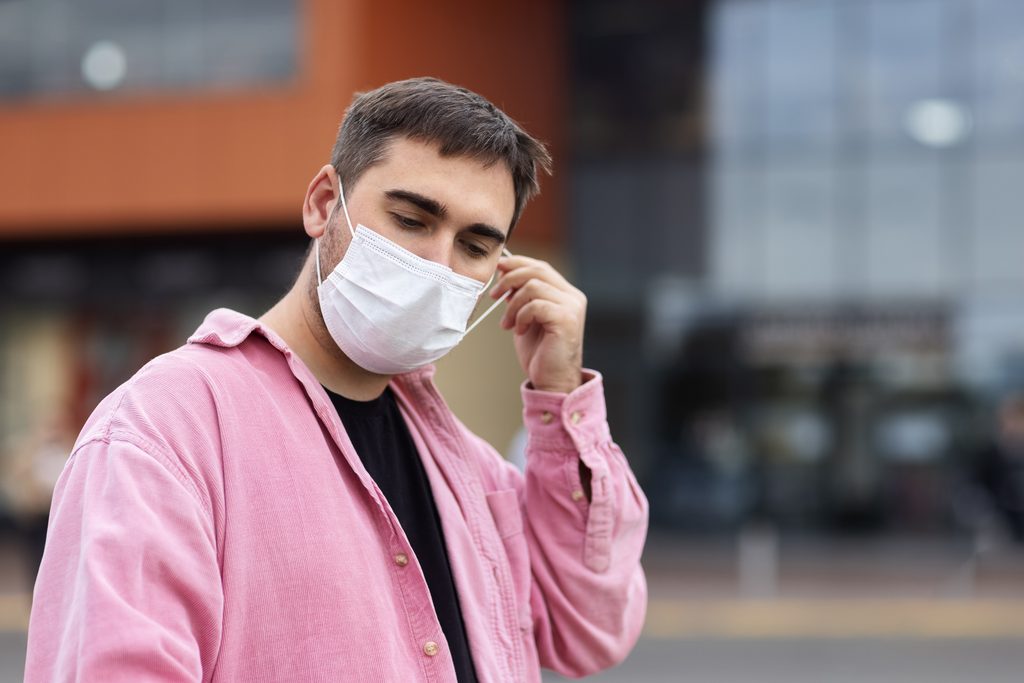
For many common respiratory infections, yes. They can spread from one person to another through respiratory particles, droplets, close contact, contaminated hands, or frequently touched surfaces, depending on the organism.
A person may spread an infection when they cough, sneeze, talk, breathe, or touch another person or a shared object after contaminating their hands. Crowded indoor spaces can make transmission easier because people are closer together and ventilation may be limited.
However, not every cough or respiratory symptom means that someone has a contagious infection. Allergies, asthma, environmental irritation, and some chronic conditions can cause similar symptoms without being infectious.
How Do Respiratory Infections Spread?

Respiratory infections can spread in several ways. The exact route depends on the pathogen.
Respiratory Particles
When an infected person coughs, sneezes, talks, or breathes, they can release particles containing infectious organisms. Another person may become infected after inhaling these particles or getting them into the eyes, nose, or mouth.
Close Contact
Spending time near an infected person can increase exposure. Household members may have particularly frequent contact, making transmission easier.
Hands and Surfaces
Some respiratory pathogens can reach surfaces through contaminated hands or respiratory secretions. Touching a contaminated object and then touching the face may contribute to transmission.
Poor Ventilation
Indoor spaces with limited airflow can increase exposure to infectious respiratory particles. Opening windows, improving ventilation, or using appropriate air-cleaning measures can sometimes reduce risk.
Common Contagious Respiratory Infections

Several respiratory infections are commonly spread between people.
The Common Cold
Many different viruses can cause the common cold, with rhinoviruses among the most frequent causes. Symptoms often include a runny nose, sneezing, congestion, sore throat, and cough.
Influenza
Flu can spread efficiently through respiratory particles and close contact. Symptoms may include fever, chills, cough, sore throat, body aches, headache, and significant fatigue.
COVID-19
COVID-19 is caused by the SARS-CoV-2 virus. Symptoms can vary widely and may include sore throat, congestion, cough, fever, fatigue, headache, and other respiratory or systemic symptoms.
RSV
Respiratory syncytial virus can cause cold-like symptoms in many adults but can be more serious for some infants, older adults, and people with certain health conditions.
Other Respiratory Infections
Adenoviruses, parainfluenza viruses, and certain bacterial infections can also spread between people. Because symptoms overlap, testing or professional evaluation may sometimes be needed to identify the cause.
7 Signs That a Respiratory Infection May Be Contagious
Recognizing common infection patterns can help you make safer decisions. These signs do not prove that an illness is contagious, but they can suggest an infectious cause.
1. Sudden Onset of Symptoms
A new combination of sore throat, congestion, cough, sneezing, or fatigue that develops over a short period may indicate an infection. Sudden symptoms can be especially suggestive when other people around you have recently become sick.
2. Runny Nose and Sneezing
These are common features of many viral upper respiratory infections. Frequent sneezing and nasal discharge can release respiratory secretions and make hygiene especially important.
3. Cough
Coughing can release respiratory particles and mucus. A new cough accompanied by other infection symptoms is a reason to be considerate around other people.
4. Sore Throat
A sore throat can occur with several contagious respiratory illnesses. It may appear early in an infection, although noninfectious conditions can also cause throat irritation.
5. Fever or Chills
Fever and chills can occur with infections such as influenza and some other viral illnesses. They are not present in every respiratory infection.
6. Fatigue and Body Aches
Feeling unusually tired or achy can accompany a viral infection. These symptoms are common with influenza and can occur with other respiratory illnesses as well.
7. Several People Becoming Sick
If multiple people in the same household, workplace, school, or social group develop similar symptoms within a short period, a contagious illness may be circulating.
How Long Are Respiratory Infections Contagious?
There is no single contagious period for every respiratory infection. The answer depends on the specific pathogen and the person’s immune response.
Some respiratory viruses can spread before symptoms are obvious, while contagiousness often changes as symptoms improve. Influenza, COVID-19, RSV, and common cold viruses each have different patterns of transmission.
A practical approach is to stay home when you are acutely ill, avoid close contact with people at higher risk of severe illness, and return to normal activities gradually as your symptoms improve and you are able to follow current public-health recommendations.
It is also important to remember that a lingering cough does not automatically mean a person remains highly contagious. Some coughs continue because the airways stay irritated after the main infection has improved.
When Are Respiratory Infections Most Contagious?
Many respiratory illnesses are particularly transmissible around the beginning of symptoms, but this varies by pathogen. Some infections can spread before symptoms develop.
Because it is difficult to determine exactly how contagious an individual is based only on symptoms, precautions are useful whenever you have a new respiratory illness.
Wearing a well-fitting mask in appropriate situations, improving ventilation, washing hands, covering coughs and sneezes, and avoiding close contact while sick can help lower transmission risk.
Are Respiratory Infections Contagious After Symptoms Improve?
They can be. Improvement in symptoms does not always mean that transmission risk immediately becomes zero. The amount of infectious virus or bacteria can change over time, and different pathogens have different patterns.
If you still have significant symptoms, especially frequent coughing or sneezing, continue practicing good respiratory hygiene. Follow specific medical or public-health instructions when you have a confirmed infection.
Are Respiratory Infections Contagious Through Touch?
Some respiratory infections can spread through contaminated hands or surfaces, although the importance of surface transmission differs between pathogens.
Regular handwashing remains a useful preventive measure. Wash your hands after coughing or sneezing, before preparing food, after using shared facilities, and after returning from crowded public places.
Avoid touching your eyes, nose, and mouth with unwashed hands. Clean frequently touched surfaces when someone in the household is ill.
Can You Prevent Respiratory Infections?
You cannot eliminate every risk, but several habits can reduce your chance of becoming infected or spreading an infection.
Wash your hands regularly with soap and water. When soap and water are not available, an appropriate alcohol-based hand sanitizer can be useful.
Improve indoor ventilation when practical. Fresh air and cleaner indoor air can reduce exposure to respiratory particles in some settings.
Cover coughs and sneezes with a tissue or your elbow rather than your bare hands. Dispose of used tissues promptly and wash your hands afterward.
Avoid sharing cups, utensils, towels, or other personal items with someone who is sick.
If you develop a respiratory illness, reduce close contact with others while you are feeling unwell. Extra care is especially important around older adults, infants, and people who may be more vulnerable to complications.
Vaccination can also reduce the risk of certain respiratory infections or severe disease from them. Which vaccines are appropriate depends on age, health status, location, and current recommendations.
Treatment for Respiratory Infections
Treatment depends on the cause and severity of the illness. Many uncomplicated viral respiratory infections improve with supportive care rather than antibiotics.
Rest, adequate fluids, and symptom relief can make a mild illness easier to manage. Saline nasal products may help with congestion, while warm fluids can soothe an irritated throat.
Over-the-counter medicines may help with fever, pain, congestion, or cough for some adults. Follow package directions and check with a pharmacist or healthcare professional if you take other medicines or have conditions that could affect medication safety.
Antibiotics do not treat viral infections. They should only be used when a healthcare professional determines that a bacterial infection requires them.
When Should You See a Doctor?
Most mild respiratory infections improve without urgent medical care. However, certain symptoms should not be ignored.
Seek prompt medical attention if you have trouble breathing, chest pain or pressure, blue or gray discoloration of the lips or face, confusion, severe weakness, signs of dehydration, or rapidly worsening symptoms.
You should also contact a healthcare professional if symptoms improve and then become significantly worse, if a fever is persistent or concerning, or if you have a medical condition that increases your risk of complications.
People at higher risk from respiratory infections may need earlier assessment or treatment. If you are unsure about the severity of your symptoms, contacting a healthcare professional is safer than relying on a general online description.
Are Respiratory Infections Contagious in Children and Adults?
Both children and adults can catch and spread contagious respiratory infections. Children may have frequent exposure in schools and childcare settings, while adults can spread infections at workplaces, public transportation, gatherings, and within households.
The risk of complications can differ by age and health status. Older adults, very young children, pregnant people, and people with certain chronic health conditions may require additional precautions depending on the infection.
Families can reduce transmission by improving ventilation, washing hands, cleaning high-touch surfaces, and limiting close contact with someone who is actively ill.
Are Respiratory Infections Contagious During the Early Stage?
The first few days of a new respiratory illness are an important time to practice extra hygiene and limit close contact.
Are Respiratory Infections Contagious Without a Fever?
Yes. Some contagious respiratory illnesses can occur without a noticeable fever, so fever alone is not a reliable way to judge transmission risk.
Are Respiratory Infections Contagious in the Workplace?
If you are sick, consider staying home when possible and following workplace and public-health guidance before returning to close-contact settings.
Are Respiratory Infections Contagious From a Mild Cold?
A mild cold can still spread from one person to another, particularly when people share close indoor spaces.
Are Respiratory Infections Contagious at Home?
When one household member is ill, ventilation, hand hygiene, and reducing close contact can help protect others.
Are Respiratory Infections Contagious During Recovery?
Transmission risk can change as symptoms improve, so continue sensible precautions and follow guidance for the specific infection.
Common Myths About Respiratory Infections
Myth: Every respiratory infection needs antibiotics.
Fact: Many respiratory infections are viral, and antibiotics do not work against viruses.
Myth: A person is contagious only when they have a fever.
Fact: Some respiratory infections can spread without fever, and transmission can occur before or after certain symptoms appear.
Myth: A cough always means someone is still contagious.
Fact: A cough can persist because of airway irritation after an infection has improved. The presence of a cough alone cannot determine contagiousness.
Myth: Cold weather itself causes viral infections.
Fact: Viruses cause infections. Seasonal conditions may influence how people interact indoors and how respiratory viruses circulate, but simply being cold does not create a viral infection.
Final Thoughts
The question “are respiratory infections contagious?” is important because many common respiratory illnesses can spread from person to person. Colds, influenza, COVID-19, RSV, and other infections can move through respiratory particles, close contact, and, for some pathogens, contaminated hands or surfaces.
The best response is not to assume that every cough is infectious, but to pay attention to new symptoms, exposure history, and how the illness develops. If you become sick, good hand hygiene, cough etiquette, ventilation, and temporarily reducing close contact can help protect other people.
Most mild respiratory infections improve with rest, fluids, and appropriate symptom care. However, serious breathing problems, chest pain, confusion, dehydration, or rapidly worsening symptoms require medical attention.
If you are uncertain about the cause of your illness or you are at increased risk of complications, speak with a qualified healthcare professional. Early advice can be especially important when certain respiratory infections have treatments that work best when started promptly.