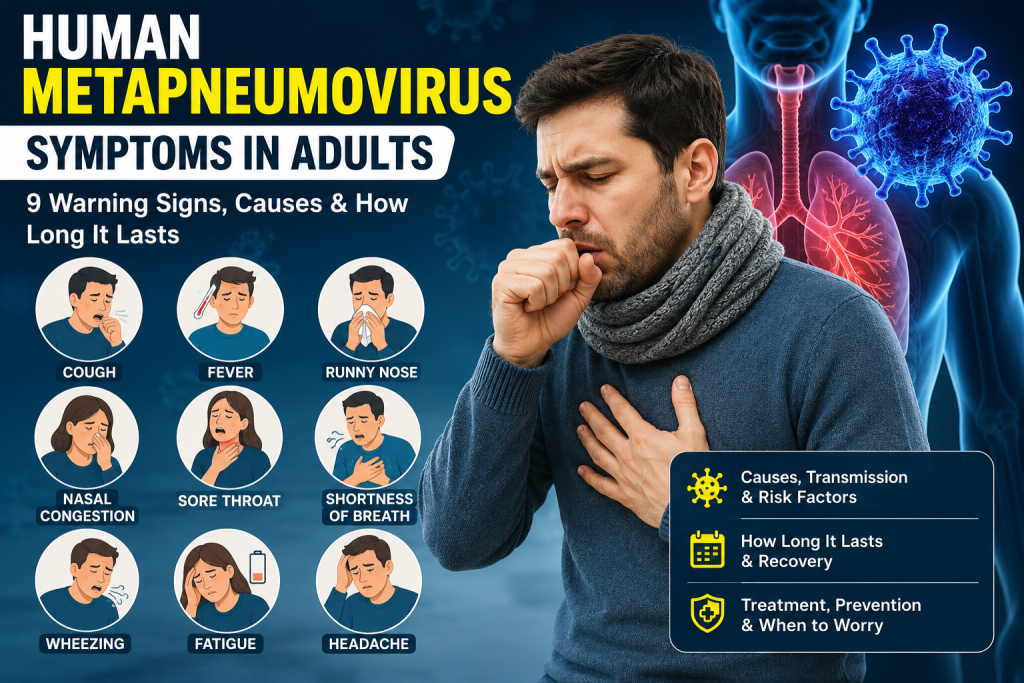
Human Metapneumovirus Symptoms in Adults: 9 Warning Signs, Causes & How Long It Lasts
Human metapneumovirus (HMPV) is a respiratory virus that can cause an illness ranging from mild cold-like symptoms to more serious respiratory disease. It can affect people of all ages, including adults, and reinfection can occur. For many healthy adults, the infection is mild and improves with supportive care, but older adults and people with certain underlying conditions can be at greater risk of complications. (MedlinePlus)
Understanding human metapneumovirus symptoms in adults can help you recognize the infection, distinguish it from other respiratory illnesses, and know when medical attention may be appropriate. HMPV symptoms can overlap with the common cold, influenza, RSV, and COVID-19, so symptoms alone cannot always identify the exact virus.
This guide explains the common symptoms, how HMPV spreads, how long it usually lasts, treatment options, prevention strategies, and warning signs that should not be ignored.
What Is Human Metapneumovirus?
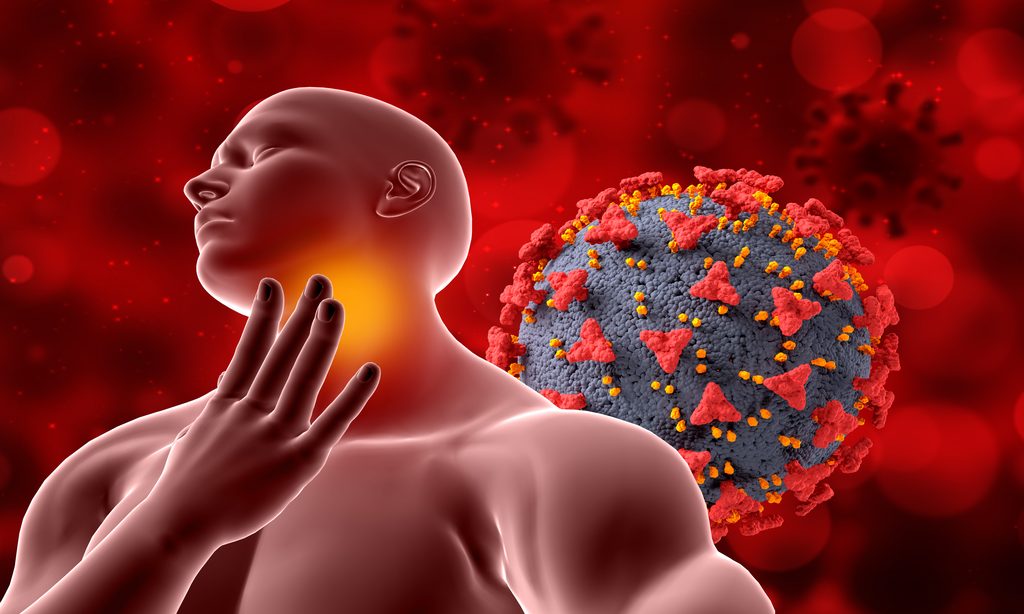
Human metapneumovirus, commonly abbreviated as HMPV, is a respiratory virus first identified in 2001. It belongs to the Pneumoviridae family, the same broader viral family that includes respiratory syncytial virus (RSV).
HMPV can infect the upper respiratory tract, including the nose and throat, and in some people it can progress to the lower respiratory tract. Most healthy adults experience a mild illness, but more serious infections can occur.
The virus is not new. Although it received scientific recognition relatively recently, evidence indicates that it had been circulating among humans for decades before its discovery.
9 Human Metapneumovirus Symptoms in Adults
The symptoms of HMPV can look similar to those of an ordinary cold. They may develop several days after exposure to the virus. MedlinePlus reports that symptoms commonly appear about 3 to 6 days after infection.
Here are nine symptoms adults may experience.
1. Cough
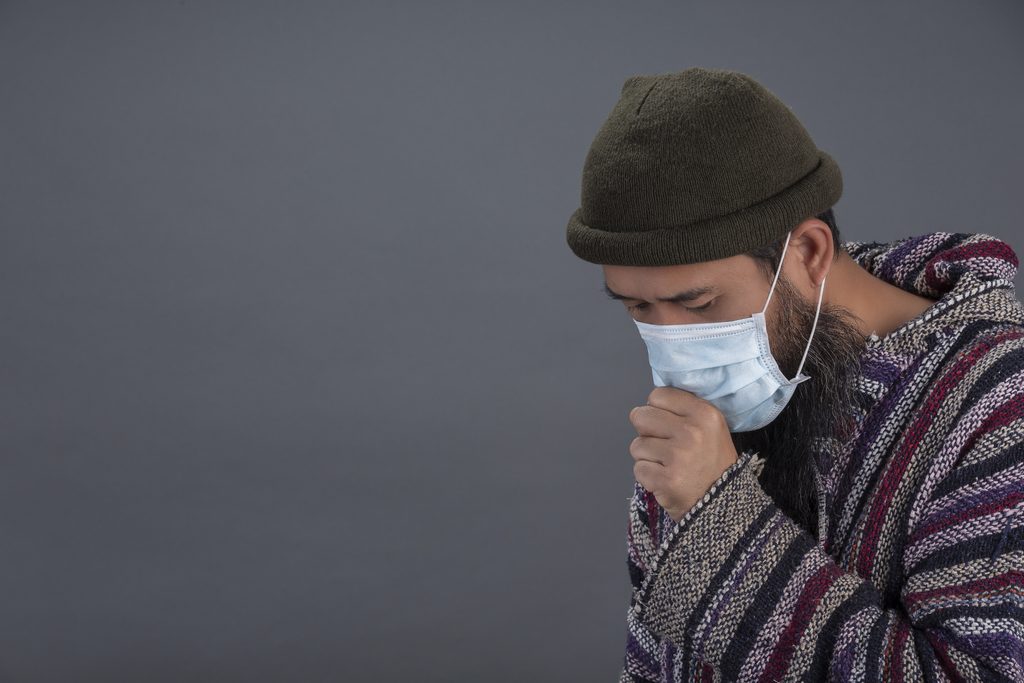
A cough is one of the most common symptoms associated with HMPV. It may begin as a mild irritation and become more noticeable as the respiratory infection progresses.
Some people develop a dry cough, while others may produce mucus. A cough can also continue for a while after other symptoms begin improving because the airways may remain irritated.
A persistent or worsening cough deserves attention, particularly when it occurs with breathing difficulty, chest pain, wheezing, or a high fever.
2. Fever
HMPV can cause fever as the immune system responds to the infection. Fever may occur alongside coughing, congestion, fatigue, or other respiratory symptoms.
Not every adult with HMPV will develop a fever. Therefore, the absence of fever does not automatically rule out a respiratory infection.
If a fever is high, lasts for several days, or returns after initially improving, contact a healthcare professional for advice.
3. Runny Nose
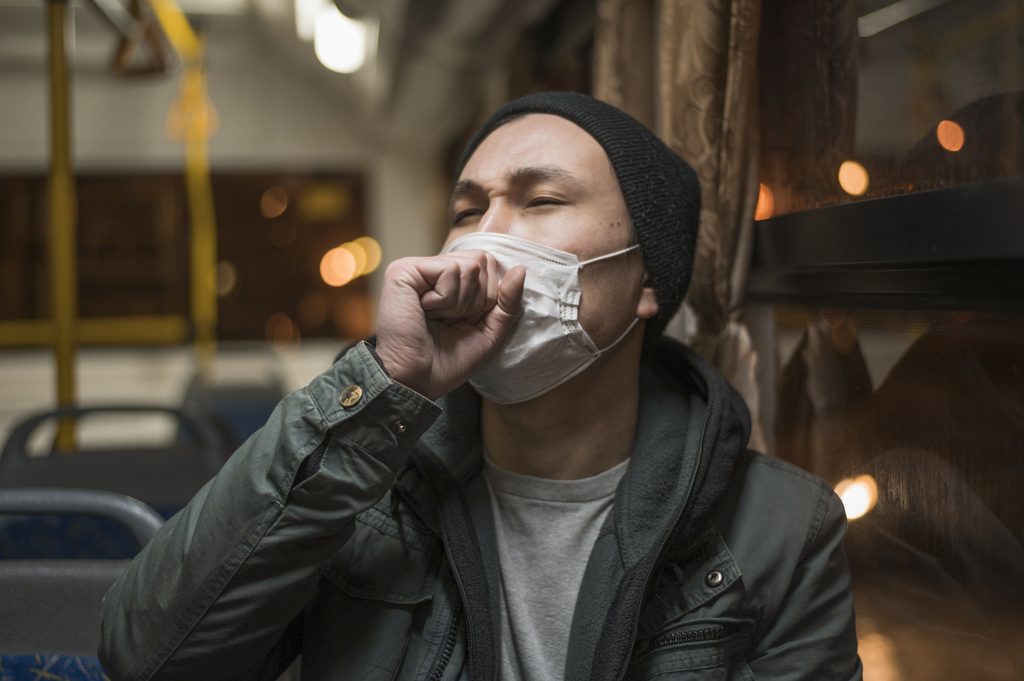
A runny nose is another common feature of an HMPV infection. Nasal discharge may be especially noticeable during the early phase of illness.
Because respiratory secretions can contain infectious virus, covering coughs and sneezes and washing hands regularly can help reduce the chance of spreading infection.
4. Nasal Congestion
Nasal congestion can make breathing through the nose uncomfortable. Swelling of the nasal tissues and increased mucus production may contribute to the blocked feeling.
Saline nasal sprays, adequate hydration, and humidified air may provide symptom relief for some people.
Severe congestion combined with significant breathing problems, however, should not simply be assumed to be a normal cold symptom.
5. Sore Throat
A sore or irritated throat can occur during HMPV infection. It may feel scratchy, dry, or painful when swallowing.
Warm fluids and adequate hydration can help keep the throat comfortable. Avoiding smoke and other airway irritants may also reduce irritation.
6. Shortness of Breath
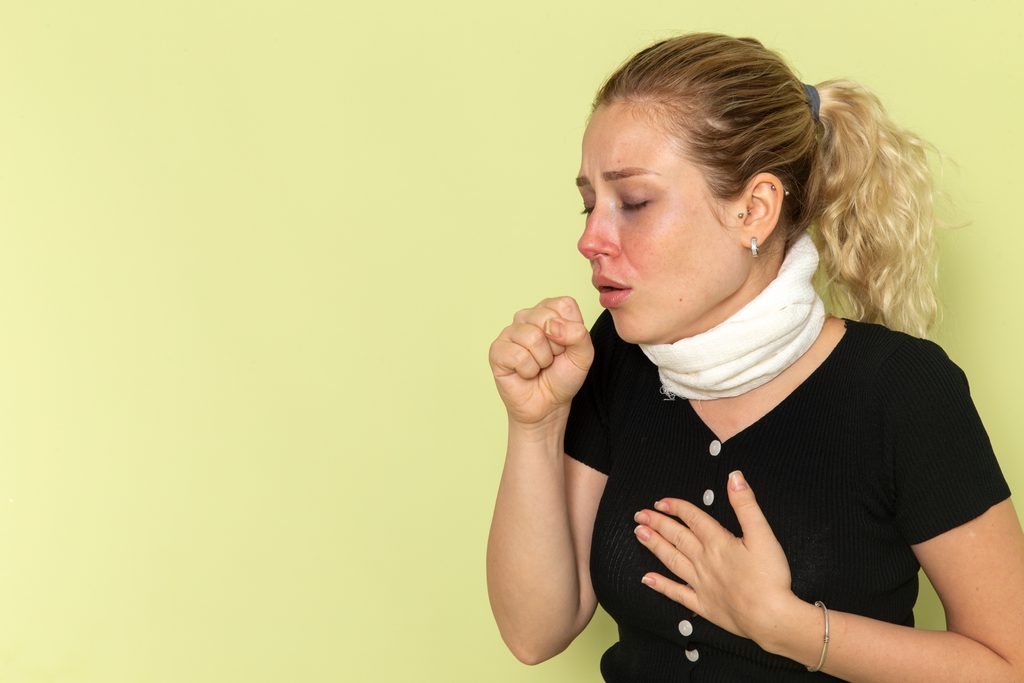
Shortness of breath is less typical of a simple mild cold and can indicate that the infection is affecting the lower respiratory tract.
HMPV can sometimes cause more serious respiratory problems, including bronchitis or pneumonia. People with existing lung conditions may also experience worsening respiratory symptoms.
If you have new or severe difficulty breathing, seek prompt medical attention.
7. Wheezing
Wheezing is a high-pitched or whistling sound that can occur when air moves through narrowed airways.
HMPV may trigger wheezing in some people and can contribute to flare-ups of conditions such as asthma or COPD. (MedlinePlus)
New wheezing should be discussed with a healthcare professional, especially if it is accompanied by breathlessness or chest tightness.
8. Fatigue
Fatigue is common during many viral infections. Your immune system uses significant resources while responding to an infection, and poor sleep from coughing or congestion can make tiredness worse.
Resting more than usual, drinking adequate fluids, and temporarily reducing strenuous activity can make recovery easier.
9. Headache or General Discomfort
Some adults may experience headache or a general feeling of being unwell during a respiratory infection.
Headache can sometimes be related to fever, congestion, dehydration, or disrupted sleep. If severe headache occurs with confusion, neck stiffness, neurological changes, or other unusual symptoms, medical evaluation is important.
These human metapneumovirus symptoms in adults can vary significantly from one person to another. Some people experience only mild cold-like symptoms, while others develop more substantial respiratory illness.
How Does HMPV Spread?
HMPV is a contagious respiratory virus. It can spread when an infected person releases respiratory particles while breathing, talking, coughing, sneezing, or blowing their nose. Close contact with an infected person can increase exposure. (MedlinePlus)
Transmission may also occur through contact with contaminated surfaces followed by touching the nose, mouth, or eyes.
Common situations where respiratory viruses can spread include:
- Close household contact
- Crowded indoor environments
- Workplaces
- Schools and childcare settings
- Public transportation
- Social gatherings
Good hand hygiene and respiratory etiquette are therefore important when someone has symptoms.
How Long Does HMPV Take to Cause Symptoms?
After exposure, HMPV symptoms generally appear within about 3 to 6 days, although the exact timing can vary. (MedlinePlus)
A person may initially notice mild throat irritation, congestion, or a runny nose before developing a more noticeable cough or fatigue.
Because symptoms overlap with other respiratory infections, the timing of symptoms alone cannot confirm HMPV.
How Long Does Human Metapneumovirus Last in Adults?
For many adults with mild HMPV illness, symptoms improve within about one to two weeks. MedlinePlus notes that mild symptoms commonly resolve on their own during this period. (MedlinePlus)
However, recovery can vary. A cough may last longer than congestion or fever, particularly if the airways remain irritated.
People with underlying health conditions may experience a more complicated or prolonged illness. Older adults and people with weakened immune systems are among those at increased risk for severe disease. (MedlinePlus)
The important thing is to watch the overall direction of your illness. Gradual improvement is reassuring, while worsening symptoms after several days deserve medical evaluation.
Is HMPV the Same as COVID-19?
No. HMPV and COVID-19 are caused by different viruses.
However, they can produce overlapping symptoms such as:
- Cough
- Fever
- Congestion
- Sore throat
- Fatigue
- Shortness of breath
Because symptoms overlap, you cannot reliably determine which virus is responsible based only on how you feel.
Testing may be appropriate depending on your symptoms, exposure, local circumstances, and medical risk factors.
HMPV vs. RSV
HMPV and RSV are closely related respiratory viruses and can produce similar symptoms. Both can cause upper respiratory infections and, in higher-risk individuals, more serious lower respiratory disease. (CDC)
For healthy adults, either infection may resemble an ordinary cold. However, older adults and people with chronic lung disease or weakened immune systems may be more vulnerable to complications.
A healthcare professional can determine whether testing is appropriate when the specific diagnosis matters.
Who Is at Higher Risk of Severe HMPV?
Although HMPV can affect healthy adults, certain groups have a greater risk of severe respiratory illness.
These include:
- Older adults
- People with weakened immune systems
- People with asthma
- People with COPD
- People with other chronic lung conditions
- People with certain serious underlying illnesses
Research involving adults with HMPV has found associations between severe disease and factors such as older age, smoking, and underlying medical conditions. (CDC)
This does not mean that every person in a higher-risk group will develop severe illness. It means they should be more cautious and seek professional advice when symptoms become concerning.
Can HMPV Cause Pneumonia?
Yes. Although many infections remain mild, HMPV can sometimes progress to lower respiratory disease, including bronchitis and pneumonia. (MedlinePlus)
Signs that may suggest a more serious respiratory infection include:
- Increasing shortness of breath
- Persistent or worsening cough
- Chest discomfort
- Significant weakness
- High or persistent fever
- Wheezing
- Difficulty performing normal activities because of breathing problems
Anyone experiencing serious breathing difficulty should seek urgent medical care.
How Is HMPV Diagnosed?
Mild respiratory infections often do not require specific viral testing. A healthcare professional may evaluate your symptoms, medical history, and physical examination findings.
When identifying the specific virus is useful, a sample from the nose, mouth, or throat may be tested. Additional testing, such as a chest X-ray, may be considered when a serious lower respiratory infection is suspected. (MedlinePlus)
Because HMPV symptoms overlap with several other respiratory illnesses, laboratory testing is the only reliable way to confirm a specific viral cause when testing is indicated.
Treatment for HMPV in Adults
There is currently no specific antiviral treatment routinely available for HMPV, and there is no licensed vaccine specifically designed to prevent HMPV infection. Treatment is generally supportive. (MedlinePlus)
For mild illness, supportive care may include:
Rest
Your body needs energy to respond to infection. Getting enough sleep and temporarily avoiding strenuous exercise can support recovery.
Drink Enough Fluids
Water and other suitable fluids can help prevent dehydration and may make mucus easier to clear.
Manage Fever and Pain
Some adults may use over-the-counter fever or pain medicines when appropriate. Always follow package directions and consider your existing health conditions and other medications.
Relieve Nasal Congestion
Saline nasal sprays or other appropriate measures may help reduce congestion and improve comfort.
Soothe a Cough
Warm fluids and other appropriate cough-relief measures may provide temporary comfort.
If symptoms are severe or you have a chronic medical condition, consult a healthcare professional rather than relying solely on home treatment.
Do Antibiotics Treat HMPV?
No. Antibiotics target bacteria, while HMPV is a virus. Therefore, antibiotics do not directly treat an HMPV infection. (MedlinePlus)
Taking antibiotics unnecessarily can expose you to side effects and contributes to antibiotic resistance.
A healthcare professional may prescribe antibiotics only if there is evidence of a bacterial infection that requires treatment.
How Can Adults Prevent HMPV?
There is currently no specific vaccine for HMPV, so prevention focuses on reducing exposure and limiting transmission. (MedlinePlus)
Useful measures include:
- Wash your hands frequently.
- Avoid touching your eyes, nose, and mouth with unwashed hands.
- Cover coughs and sneezes.
- Avoid close contact with people who are sick.
- Improve indoor ventilation when practical.
- Clean frequently touched surfaces.
- Avoid sharing personal items such as cups and utensils.
- Stay home when you are acutely ill when possible.
These habits can also help reduce transmission of other respiratory viruses.
When Should You See a Doctor?
Most mild cases can be managed at home, but certain symptoms require professional attention.
Seek medical care if you develop:
- Significant difficulty breathing
- Severe or persistent wheezing
- Chest pain
- Bluish or gray skin or lips
- Severe weakness
- Dehydration
- A persistent or worsening cough
- High or prolonged fever
- Symptoms that improve and then suddenly become worse
MedlinePlus specifically advises medical attention for breathing difficulty, severe chest pain, persistent cough or wheezing, and high fever that lasts more than three days. (MedlinePlus)
People with asthma, COPD, weakened immunity, or other serious health conditions may need medical advice earlier.
How Can You Tell If You’re Recovering?
Recovery generally means your symptoms are becoming less intense rather than more severe.
Signs of improvement may include:
- Less frequent coughing
- Easier breathing
- Reduced congestion
- Lower or resolved fever
- Better sleep
- Improved energy
- Greater ability to perform normal daily activities
Do not rush back into strenuous exercise simply because your fever has disappeared. Give your body time to recover, especially if you still have significant coughing or fatigue.
Frequently Asked Questions
Is HMPV dangerous for adults?
For most healthy adults, HMPV causes mild to moderate respiratory illness. However, severe disease can occur, particularly among older adults and people with weakened immune systems or chronic lung conditions. (MedlinePlus)
How long does HMPV usually last?
Mild HMPV illness commonly improves within one to two weeks, although individual recovery times vary. (MedlinePlus)
Can adults get HMPV more than once?
Yes. HMPV can affect people multiple times during their lives, so previous infection does not guarantee lifelong immunity. (MedlinePlus)
Is HMPV contagious?
Yes. HMPV can spread through respiratory particles and close contact, as well as through contaminated hands or surfaces. (MedlinePlus)
Does HMPV need antibiotics?
No. Antibiotics do not treat HMPV because it is a viral infection. (MedlinePlus)
Can HMPV cause shortness of breath?
Yes. Shortness of breath can occur, particularly when the infection affects the lower respiratory tract. Severe breathing difficulty requires prompt medical attention. (MedlinePlus)
Final Thoughts
Knowing the human metapneumovirus symptoms in adults can help you recognize a respiratory illness and understand when extra care may be necessary. Cough, fever, runny nose, nasal congestion, sore throat, fatigue, wheezing, and shortness of breath can occur with HMPV, although not everyone experiences the same combination of symptoms.
For many healthy adults, the illness is mild and improves within one to two weeks. Supportive care, including rest, fluids, and appropriate symptom relief, is usually the main approach. There is currently no specific antiviral treatment or vaccine for HMPV. (MedlinePlus)
However, HMPV should not be dismissed when symptoms become severe. Breathing difficulty, chest pain, persistent wheezing, significant dehydration, or worsening symptoms should be evaluated by a healthcare professional.
Because HMPV can look similar to COVID-19, influenza, RSV, and other respiratory infections, testing may be useful when a precise diagnosis is important.
The best approach is to monitor your symptoms, protect others while you are sick, practice good respiratory hygiene, and seek medical advice when warning signs appear.