

Back Pain Pulled Muscle Symptoms: 11 Warning Signs, Causes & Relief Tips
Back pain can develop suddenly after lifting something heavy, exercising, twisting awkwardly, or even making a simple movement. One common cause is a strained or pulled muscle in the back. Understanding Back Pain Pulled Muscle Symptoms can help you recognize what may be happening and decide when home care is reasonable and when professional evaluation is needed.
A pulled back muscle usually occurs when muscle fibers are overstretched or damaged. The discomfort can range from mild soreness to significant pain that makes normal movement difficult. Although many muscle strains improve with appropriate care and time, persistent or severe symptoms should not be ignored.
What Is a Pulled Back Muscle?

A pulled muscle, also called a muscle strain, occurs when a muscle or its surrounding tendon is stretched beyond its normal capacity. In the back, strains commonly affect muscles that help support the spine, maintain posture, and control movements such as bending and rotating.
A strain can happen during sports, household activities, work, or everyday movements. It may develop because of one sudden injury or repeated stress over time.
Recognizing Back Pain Pulled Muscle Symptoms is particularly useful because muscle-related pain can sometimes feel similar to other causes of back discomfort. The location, timing, movement pattern, and associated symptoms can provide helpful clues.
11 Common Symptoms of a Pulled Back Muscle
1. Sudden or Gradual Back Pain

One of the most noticeable signs is pain in a specific area of the back. Some people experience pain immediately after an injury, while others notice soreness several hours later.
The pain may be sharp during movement or feel like a persistent ache when resting. If the discomfort began shortly after lifting, twisting, reaching, or exercising, a muscle strain may be one possible explanation.
2. Muscle Tenderness
A strained muscle may become sensitive when touched or pressed. You might notice that one particular area feels more tender than the surrounding muscles.
Tenderness is especially common during the first few days following an injury. Avoid repeatedly pressing or aggressively massaging a painful area because this may increase irritation.
3. Pain That Gets Worse With Movement

Another common sign is discomfort when moving the affected part of your back. Bending forward, standing up, twisting, reaching, or changing positions may temporarily increase the pain.
This movement-related pattern is an important part of Back Pain Pulled Muscle Symptoms. Muscle pain often changes depending on how the affected muscles are being used.
4. Muscle Tightness or Stiffness
A strained muscle may feel unusually tight. You may notice stiffness after sitting for a while, getting out of bed, or remaining in one position.
The back can also feel less flexible than usual. Simple activities such as putting on shoes or turning around may become uncomfortable.
5. Muscle Spasms

Muscle spasms can occur when the body responds to irritation or injury. The affected muscle may suddenly tighten, causing a brief but intense increase in pain.
Some people describe spasms as cramping, gripping, or involuntary tightening. Resting from aggravating activities and avoiding sudden movements may help reduce irritation.
6. Reduced Range of Motion
A back strain can make normal movement more difficult. You may be able to bend or rotate your back, but doing so may feel painful or restricted.
Reduced movement can also occur because the body naturally tries to protect an injured area. Gradually returning to comfortable movement is generally preferable to forcing painful stretches.
7. Pain After Physical Activity

Pain may become noticeable after activities that place additional demand on the back muscles. Common triggers include lifting, gardening, cleaning, running, gym workouts, and prolonged physical work.
If symptoms repeatedly appear after a particular activity, consider modifying the movement and allowing adequate recovery time.
8. Localized Swelling
Some muscle injuries can cause localized inflammation and mild swelling. The area may feel tender or slightly different from the opposite side.
Significant swelling, extensive bruising, or severe pain after trauma deserves medical attention because these features can sometimes indicate a more substantial injury.
9. Bruising
Bruising can occasionally occur when muscle fibers or small blood vessels are damaged. The skin may become discolored over the following hours or days.
Bruising is not present with every muscle strain. If bruising is extensive or follows a major accident, medical assessment is appropriate.
10. Pain When Coughing or Sneezing

Some people with an irritated back muscle notice increased discomfort when coughing or sneezing because these actions temporarily increase pressure and activate muscles around the trunk.
However, pain with coughing or sneezing is not specific to muscle strain. If back pain is accompanied by significant leg symptoms, numbness, weakness, fever, or other concerning symptoms, it should be evaluated by a healthcare professional.
11. Difficulty With Everyday Activities
A pulled muscle can make ordinary tasks uncomfortable. Getting out of bed, climbing stairs, sitting for long periods, lifting groceries, or getting into a vehicle may become harder.
The severity of functional limitation is useful when considering Back Pain Pulled Muscle Symptoms. Mild strains may cause discomfort but still allow normal activity, while more significant injuries can substantially limit movement.
What Causes a Pulled Back Muscle?

A muscle strain can develop for several reasons. Sudden lifting is one of the most common triggers, especially when an object is heavy or awkward to handle.
Other potential causes include:
- Sudden twisting or turning
- Poor lifting technique
- Repetitive bending
- Intense exercise without adequate preparation
- Sudden increases in workout intensity
- Poor posture during prolonged activities
- Repetitive work
- Muscle fatigue
- Inadequate recovery after strenuous activity
Weak or deconditioned muscles may also have difficulty handling sudden increases in physical demand. Regular strengthening and appropriate movement habits can help support the muscles used for spinal stability.
How Can You Tell if Back Pain Is a Pulled Muscle?

It is not always possible to identify the exact cause of back pain without an examination. However, the pattern of symptoms can provide clues.
A muscle strain is more likely when pain began after a specific physical activity and is mainly localized to the back. Tenderness, stiffness, spasms, and pain that changes with movement are also commonly associated with muscular problems.
On the other hand, symptoms such as persistent numbness, tingling, significant weakness, or pain traveling down the leg may suggest nerve involvement or another condition rather than an isolated muscle strain.
Understanding the overall pattern of Back Pain Pulled Muscle Symptoms is more useful than relying on a single symptom.
Pulled Muscle vs. Pinched Nerve
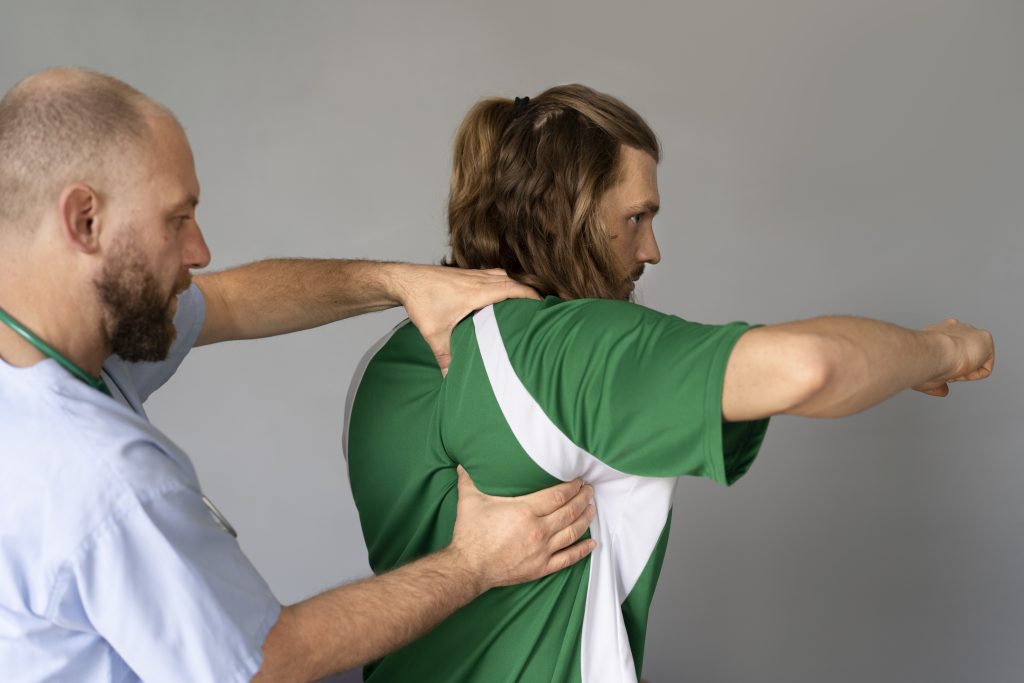
Back muscle strain and nerve-related pain can sometimes feel similar, but there are important differences.
Muscle strain commonly causes localized soreness, tightness, tenderness, and pain with movement. A pinched or irritated nerve may cause pain that travels from the back into the buttock or leg. It can also produce tingling, numbness, burning sensations, or weakness.
This distinction is not always straightforward. A healthcare professional can assess your symptoms, movement, strength, reflexes, and sensation when necessary.
How Long Does a Pulled Back Muscle Take to Heal?

Recovery time depends on the severity of the injury, your overall health, activity level, and how well the affected area is protected from repeated strain.
Many mild muscle strains gradually improve over days to a few weeks. More significant injuries may take longer.
Avoid judging recovery solely by how you feel on one particular day. Symptoms can fluctuate during healing. A gradual improvement in pain, mobility, and ability to perform normal activities is generally encouraging.
If your pain is not improving, repeatedly returns, or continues to interfere with daily activities, consider speaking with a healthcare professional.
Home Care for a Pulled Back Muscle
For a mild strain, conservative care may be appropriate. During the early period, avoid activities that clearly increase pain, but prolonged bed rest is generally not helpful for uncomplicated back pain.
Gentle movement can help prevent excessive stiffness. Short, comfortable walks may be useful if they do not significantly increase symptoms.
Some people find cold therapy helpful during the initial period after an injury, while others prefer heat for muscle stiffness. A cloth barrier should be placed between the skin and the cold or warm source, and prolonged exposure should be avoided.
Pain-relieving medication may also be considered by some adults, but medication is not appropriate for everyone. Follow product directions and speak with a healthcare professional or pharmacist if you have medical conditions, take other medications, or are unsure what is safe for you.
Gentle Movement and Exercise
Once severe pain begins to settle, gradual movement can help restore normal function. The right exercises depend on the location and severity of the injury.
Gentle walking is often a simple starting point. As symptoms improve, a physiotherapist may recommend mobility and strengthening exercises designed around your individual needs.
Avoid aggressively stretching an acutely painful muscle. Exercise should generally be introduced progressively rather than returning immediately to heavy lifting or intense workouts.
How to Prevent Future Back Muscle Strains
Preventing every back injury is impossible, but several habits may reduce the likelihood of repeated strain.
When lifting, keep the load close to your body and avoid sudden twisting while carrying it. Use controlled movements and ask for assistance when an object is too heavy or awkward.
Strengthening the muscles around your trunk, hips, and legs can also improve physical capacity. However, strengthening exercises should be progressed gradually.
If your work involves repetitive lifting or prolonged sitting, changing positions regularly and using appropriate movement techniques may also help.
Maintaining general fitness is another important part of back health. Walking, strength training, mobility exercises, and other suitable forms of physical activity can help your body tolerate everyday demands.
When Should You See a Doctor?
Most uncomplicated muscle strains can improve with time and appropriate self-care. However, certain symptoms require prompt medical evaluation.
Seek urgent medical attention if back pain occurs with new loss of bladder or bowel control, numbness around the groin or inner thighs, significant or progressive leg weakness, or other severe neurological symptoms.
You should also seek medical advice after a serious accident or injury, particularly if the pain is severe or you cannot move normally.
Persistent fever, unexplained weight loss, severe night pain, or a history of serious illness can also warrant professional evaluation.
These warning signs are important because not every case involving Back Pain Pulled Muscle Symptoms is caused by a simple muscle strain.
When Physiotherapy May Help
Physiotherapy can be useful when back pain affects movement, work, exercise, or everyday activities. A physiotherapist can assess movement patterns and develop an individualized rehabilitation program.
Treatment may include education, gentle mobility exercises, progressive strengthening, posture and movement advice, and a gradual return to normal activities.
A professional assessment can be especially useful when symptoms keep returning. Repeated strains may indicate that activity levels, technique, muscle capacity, or recovery habits need to be addressed.
Frequently Asked Questions
What does a pulled back muscle feel like?
A pulled back muscle often feels sore, tight, tender, or painful with movement. Some people also experience muscle spasms or reduced flexibility.
Can a pulled muscle cause severe back pain?
Yes. A muscle strain can sometimes cause significant pain, especially during the first few days. Severe or persistent pain should be assessed if it does not gradually improve.
Is walking good for a pulled back muscle?
Gentle walking may be helpful for many people with uncomplicated back pain because it keeps the body moving without placing the same demands on the back as heavy lifting. Stop or modify activity if walking substantially increases your symptoms.
Should I stretch a pulled back muscle?
Aggressive stretching is generally not advisable when the injury is acutely painful. Gentle movement may be more appropriate initially, followed by progressive mobility and strengthening as symptoms improve.
Can poor posture cause a pulled back muscle?
Poor posture alone does not necessarily mean a muscle will become strained, but prolonged or awkward positions can increase muscular fatigue and discomfort. Regular movement and appropriate ergonomic habits may help.
Final Thoughts
Recognizing Back Pain Pulled Muscle Symptoms can help you understand whether your discomfort may be related to a muscular strain. Common features include localized pain, tenderness, stiffness, muscle spasms, reduced range of motion, and discomfort that changes with movement.
Most mild strains improve gradually with appropriate activity modification, gentle movement, and a progressive return to normal activities. However, back pain can have many different causes, so symptoms that are severe, persistent, unusual, or accompanied by neurological warning signs should be evaluated by a qualified healthcare professional.
The key is to avoid both extremes: pushing through severe pain and remaining completely inactive for prolonged periods. A balanced, gradual approach can support recovery while helping you return safely to your normal routine.