Hip Flexor Pain: 9 Powerful Causes, Relief Tips & Exercises
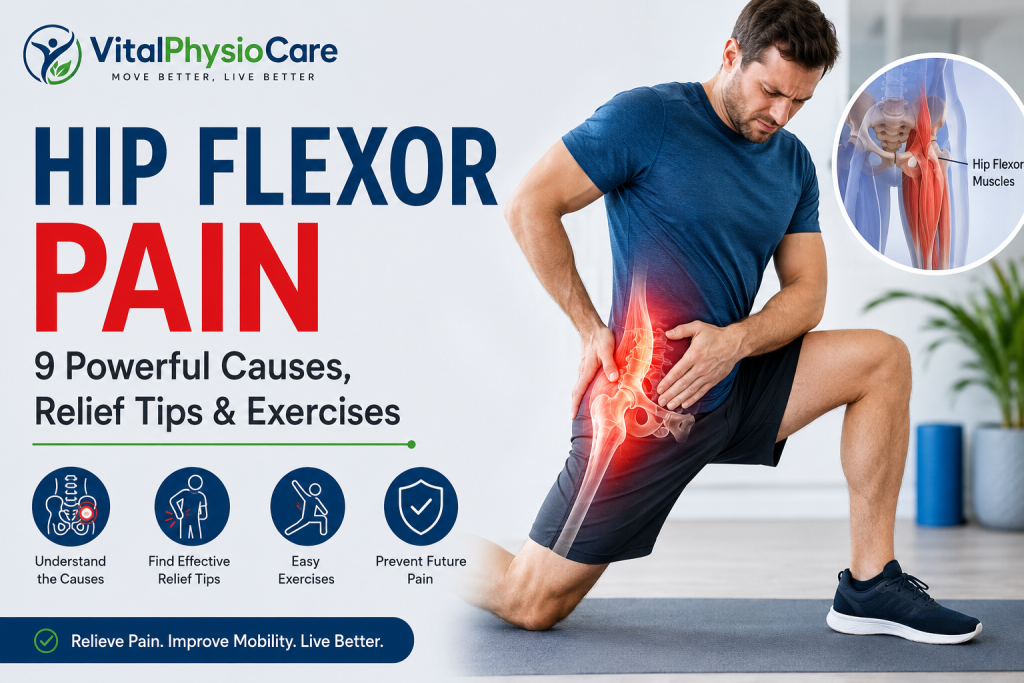
Hip flexors are a group of muscles at the front of your hip that help you lift your thigh, walk, climb stairs, run, and perform many everyday movements. When these muscles become irritated, tight, overworked, or injured, you may experience hip flexor pain that makes normal activities uncomfortable.
This type of discomfort is especially common among runners, athletes, people who suddenly increase their exercise intensity, and individuals who spend long periods sitting. However, you do not have to be an athlete to develop symptoms. A sudden movement, fall, poor flexibility, or repetitive activity can also affect the muscles around the front of the hip.
Understanding what causes the problem can help you choose appropriate recovery strategies and recognize when professional evaluation is necessary.
What Are the Hip Flexors?
The hip flexors are muscles that connect areas around your pelvis and lower back to your thigh. Their main job is to help bring your thigh toward your torso, a movement called hip flexion.
Important muscles involved in hip flexion include the iliopsoas, rectus femoris, sartorius, and other muscles that assist movement around the hip.
You use these muscles when you:
- Walk or run
- Climb stairs
- Get out of a chair
- Lift your knee
- Kick a ball
- Cycle
- Perform squats and lunges
- Get into or out of a car
Because these muscles are involved in so many movements, excessive workload can contribute to hip flexor pain.
9 Common Causes of Hip Flexor Pain
1. Hip Flexor Strain
One of the most common causes is a muscle strain. A strain happens when muscle fibers are overstretched or torn. This can occur during sprinting, jumping, kicking, or another sudden movement.
A mild strain may cause soreness and tightness, while a more serious injury can produce significant pain, weakness, swelling, bruising, or difficulty walking.
According to Cleveland Clinic, hip flexor strains are common sports injuries but can affect anyone who suddenly puts more stress on these muscles than they are accustomed to.
2. Overuse
Repeating the same movement again and again can place excessive stress on the hip flexors.
For example, runners who increase their mileage too quickly may develop irritation around the front of the hip. The same can happen with cycling, soccer, martial arts, dancing, or repetitive workouts.
If your symptoms gradually appeared instead of starting with one specific injury, overuse may be an important factor.
3. Tight Hip Flexors
Spending many hours sitting can keep the hips in a flexed position for extended periods. This may contribute to stiffness and reduced movement tolerance.
People who work at a desk, drive for long periods, or spend much of the day seated may notice discomfort when they finally stand and move.
Tightness does not automatically mean that a muscle is injured, but improving mobility and gradually strengthening the surrounding muscles may help some people.
4. Sudden Increase in Exercise
Starting a new workout program can be beneficial, but increasing activity too quickly can overload tissues.
For example, someone who has not exercised regularly might suddenly begin sprinting, doing high-intensity workouts, or performing many lunges. The muscles may not yet be prepared for that workload.
Gradually increasing intensity gives your body more time to adapt and may reduce the risk of muscle strains.
5. Poor Warm-Up
Starting intense exercise without preparing your body can increase the stress placed on muscles.
A warm-up does not guarantee that an injury will never happen, but it can gradually prepare your body for activity. Cleveland Clinic recommends warming up before exercise as part of preventing hip flexor strains.
A warm-up could include several minutes of easy walking or another comfortable low-intensity activity followed by dynamic movements appropriate for your workout.
6. Weak Supporting Muscles
The hip does not work in isolation. Your glutes, abdominal muscles, thigh muscles, and other structures all contribute to movement and stability.
If some muscles are relatively weak or poorly conditioned, other muscles may have to work harder during certain activities.
A balanced rehabilitation program can therefore include strengthening exercises for the hip and surrounding muscles rather than focusing only on stretching.
7. Sudden Trauma
Falls, collisions, or other accidents can cause muscle injuries around the hip.
A traumatic injury may produce immediate pain and may sometimes be accompanied by swelling, bruising, weakness, or difficulty putting weight on the affected leg.
Significant trauma should be assessed by a healthcare professional, especially if you cannot walk normally or move your leg.
8. Problems That Mimic a Muscle Strain
Not every case of hip flexor pain comes from the hip flexor muscles themselves.
Other conditions can produce discomfort in the hip or nearby areas, including hip joint problems, nerve irritation, groin injuries, and certain lower-back conditions.
Cleveland Clinic notes that several injuries and conditions can cause symptoms similar to a hip flexor strain, including nerve problems, herniated disks, groin strains, and hip impingement.
That is why persistent or unexplained symptoms should not automatically be assumed to be a simple muscle strain.
9. Returning to Activity Too Quickly
Even when symptoms begin to improve, returning immediately to intense exercise can put excessive stress on healing tissue.
You may feel better before the muscle has completely recovered. Jumping straight back into sprinting, heavy leg workouts, or competitive sports can increase the chance of aggravating the injury.
A gradual return is generally safer than trying to resume your previous workload immediately.
Common Symptoms to Watch For
The symptoms depend on the underlying cause and severity of the problem.
Possible symptoms include:
- Pain at the front of the hip
- Tightness or pulling
- Tenderness around the upper thigh
- Difficulty walking comfortably
- Pain when lifting the knee
- Weakness around the hip
- Muscle spasms
- Swelling
- Bruising
- Reduced range of motion
A sudden injury may cause immediate discomfort, while an overuse problem can develop gradually.
If you experience severe hip flexor pain, significant weakness, major swelling, extensive bruising, or difficulty moving your leg, seek medical evaluation rather than attempting to treat the problem yourself.
How to Relieve Hip Flexor Pain at Home
For a mild muscle strain, reducing the activity that caused the symptoms is an important first step.
Rest From Aggravating Activities
You do not necessarily need complete bed rest. Instead, temporarily avoid activities that clearly increase your symptoms.
For example, if running causes discomfort, switch temporarily to comfortable activities that do not aggravate the area.
Use Cold Therapy After a Recent Injury
For a fresh muscle injury, a cold pack may help with discomfort and swelling.
Place a cloth between your skin and the cold pack. Avoid applying ice directly to the skin.
Cleveland Clinic describes rest, ice, compression, and elevation as commonly used approaches for hip flexor strains during the early recovery period.
Gradually Restore Movement
Once the acute symptoms begin settling, gentle movement can help you gradually return to normal activity.
Avoid forcing a painful stretch. Movement should be controlled and comfortable rather than aggressive.
Consider Professional Guidance
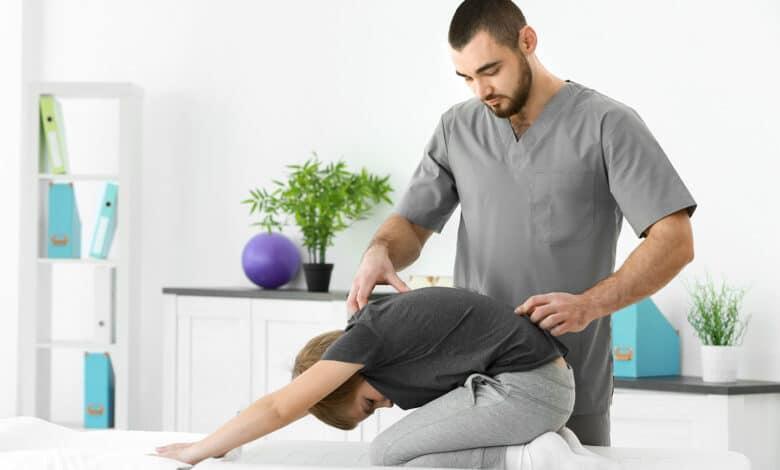
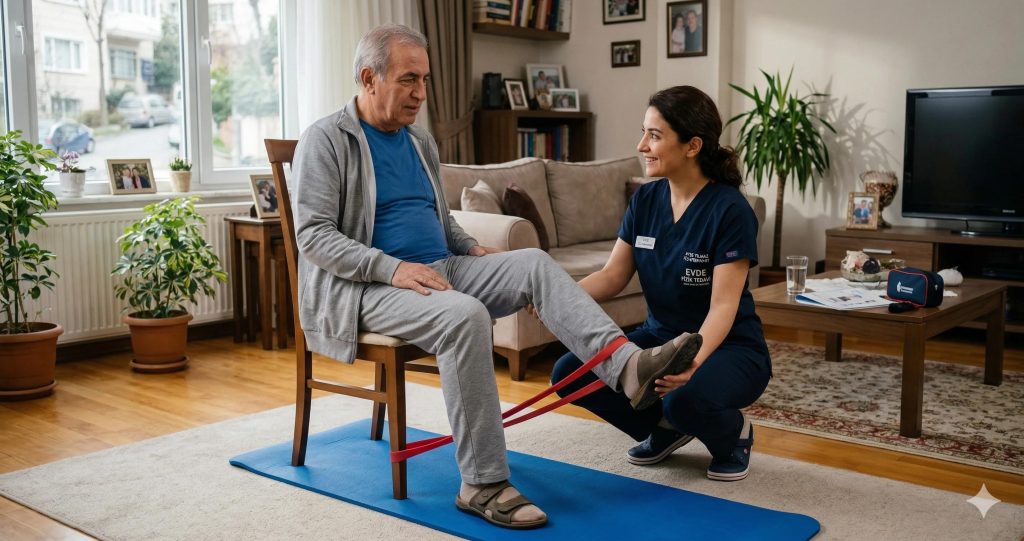
A physical therapist can evaluate your movement, strength, flexibility, and activity demands. They can then develop a rehabilitation program based on your specific condition.
This can be especially helpful if symptoms keep returning or if you are an athlete trying to safely return to sport.
Exercises That May Help
Exercises should match your current symptoms and stage of recovery. If an exercise causes sharp or increasing pain, stop and seek professional advice.
1. Gentle Hip Flexor Stretch
Start in a comfortable half-kneeling position with one knee on the floor.
Keep your torso upright and gently move your pelvis forward until you feel a mild stretch at the front of the hip.
Do not force the movement or arch your lower back excessively.
Hold for about 20–30 seconds if comfortable, then release slowly.
2. Glute Bridge
Lie on your back with your knees bent and feet comfortably positioned on the floor.
Tighten your abdominal muscles gently and squeeze your glutes. Lift your hips slowly, pause briefly, and lower them with control.
This exercise targets the gluteal muscles, which play an important role in hip movement and stability.
3. Bodyweight Squat
Stand with your feet approximately shoulder-width apart.
Slowly bend your hips and knees as if sitting into a chair. Keep your movement controlled and return to standing.
Only squat as deeply as you can without increasing symptoms.
4. Standing March
Stand upright while holding onto a stable surface if needed.
Slowly lift one knee, lower it, and then repeat with the other leg.
Start with a small range of motion and increase it gradually as your strength improves.
5. Gentle Hip Mobility
Controlled hip mobility movements can help restore comfortable movement after an injury.
The goal is not to push through pain. Instead, perform slow, controlled movements within a comfortable range.
The American Academy of Orthopaedic Surgeons emphasizes strengthening the muscles supporting the hip and restoring flexibility as important parts of hip conditioning and rehabilitation.
When Should You See a Doctor or Physical Therapist?
Some mild muscle injuries improve with conservative care, but persistent symptoms deserve attention.
You should consider professional evaluation if:
- Symptoms are severe
- You cannot walk normally
- You cannot move your leg
- There is significant swelling
- Severe bruising develops
- You felt or heard a pop during the injury
- Symptoms continue to worsen
- Symptoms do not improve after several days of appropriate care
- The problem repeatedly returns
- You have numbness, tingling, or sudden weakness
Severe muscle strains can involve substantial tissue damage and occasionally require more advanced treatment.
If your symptoms followed a major fall, collision, or other trauma, medical assessment is particularly important.
How Long Does Recovery Take?
Recovery time varies according to the severity and cause of the injury.
A mild strain may improve relatively quickly, while a more significant tear can take considerably longer.
Trying to predict an exact recovery date without an examination is difficult. Your return to activity should depend on symptoms, strength, movement, and the demands of your normal activities.
Cleveland Clinic reports that many hip flexor strains improve within a few weeks, although more severe injuries can require a longer recovery period.
The key is not simply waiting until the pain disappears. You should also gradually restore strength and function before returning to demanding exercise.
How to Prevent Future Problems
Preventing hip flexor pain starts with managing training load and taking care of the muscles around your hips.
Try these practical strategies:
Warm Up Before Exercise
Spend several minutes performing easy movement before intense activity.
Walking, gentle cycling, or sport-specific dynamic movements can help prepare your body for exercise.
Increase Workload Gradually
Avoid suddenly doubling your running distance or workout intensity.
Give your muscles time to adapt when starting a new activity.
Strengthen Your Hips
Include exercises that target your glutes, core, thighs, and other muscles around the hip.
A balanced strengthening routine can improve overall movement capacity.
Maintain Mobility
Regular, comfortable mobility work can help maintain your range of motion.
Avoid aggressive stretching that produces pain.
Take Recovery Seriously
Rest days are part of training. If your muscles remain unusually sore or fatigued, consider reducing your workload rather than continuously pushing through.
Final Thoughts
Hip flexor pain can develop from a muscle strain, overuse, sudden exercise changes, tightness, trauma, or other problems affecting the hip and surrounding structures. The right approach depends on the underlying cause and severity.
For mild symptoms, reducing aggravating activity, using appropriate early-care strategies, and gradually restoring movement may help. As recovery progresses, strengthening the hip and surrounding muscles can support a safe return to normal activity.
However, severe pain, major swelling, significant weakness, inability to move the leg, or symptoms following serious trauma should be evaluated by a healthcare professional.
If symptoms persist or repeatedly return, a physical therapist or other qualified healthcare professional can help identify the cause and create an individualized rehabilitation plan.
Remember that exercises are not one-size-fits-all. What works for one person may not be appropriate for another, particularly when the diagnosis is uncertain. Listen to your body, progress gradually, and seek professional guidance when needed.