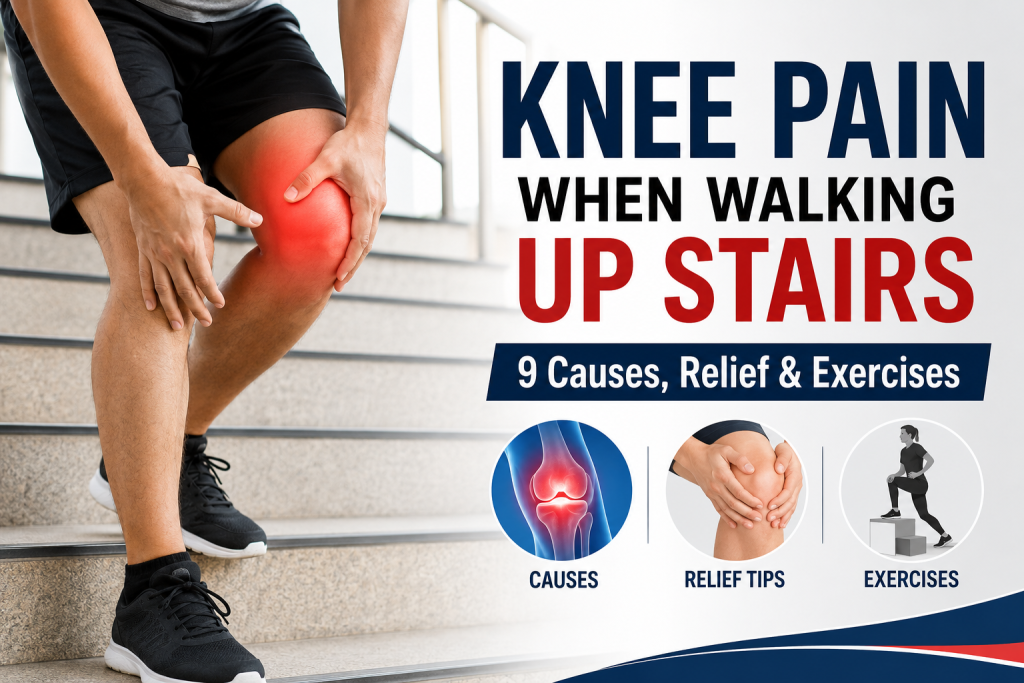
Knee Pain When Walking Up Stairs: 9 Causes, Relief & Exercises
Climbing stairs can feel like a simple daily activity, but it places a greater demand on the muscles and joints around the knee than ordinary walking. If you notice knee pain when walking up stairs, it can be frustrating because stairs are often unavoidable at home, work, school, or public places.
Knee pain when walking up stairs does not automatically mean that the knee is seriously damaged. Several factors can contribute, including irritation around the kneecap, muscle weakness, a sudden increase in activity, previous injury, or age-related joint changes. The exact cause matters because the best approach depends on your symptoms, medical history, and physical examination.
This guide explains common causes of knee pain when walking up stairs, practical ways to reduce irritation, exercises that may help, and signs that mean you should seek professional assessment.
Why Does Stair Climbing Hurt the Knee?
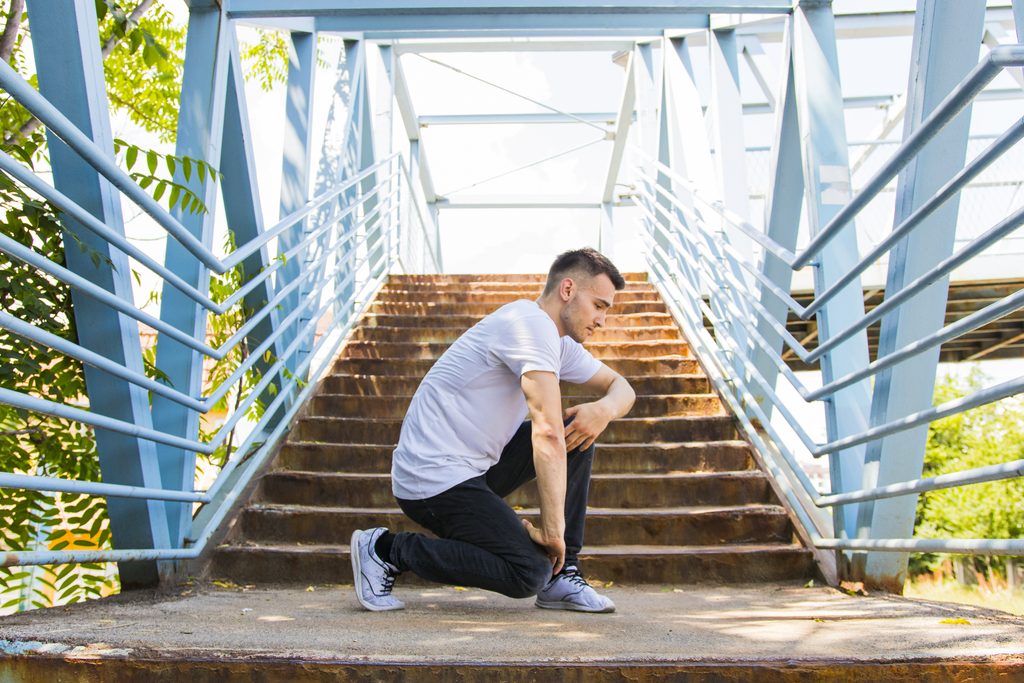
Anterior or patellofemoral knee pain is one common pattern. It can cause discomfort around or behind the kneecap and may become noticeable during stairs, squats, kneeling, running, or prolonged sitting. NHS musculoskeletal guidance notes that weakness, changes in activity, body weight, biomechanics, and muscle tension can contribute to this type of pain.
For some people, knee pain when walking up stairs is the first noticeable symptom because stair climbing requires more strength and control than walking across a flat surface.
9 Common Causes of Knee Pain When Walking Up Stairs
1. Patellofemoral Pain
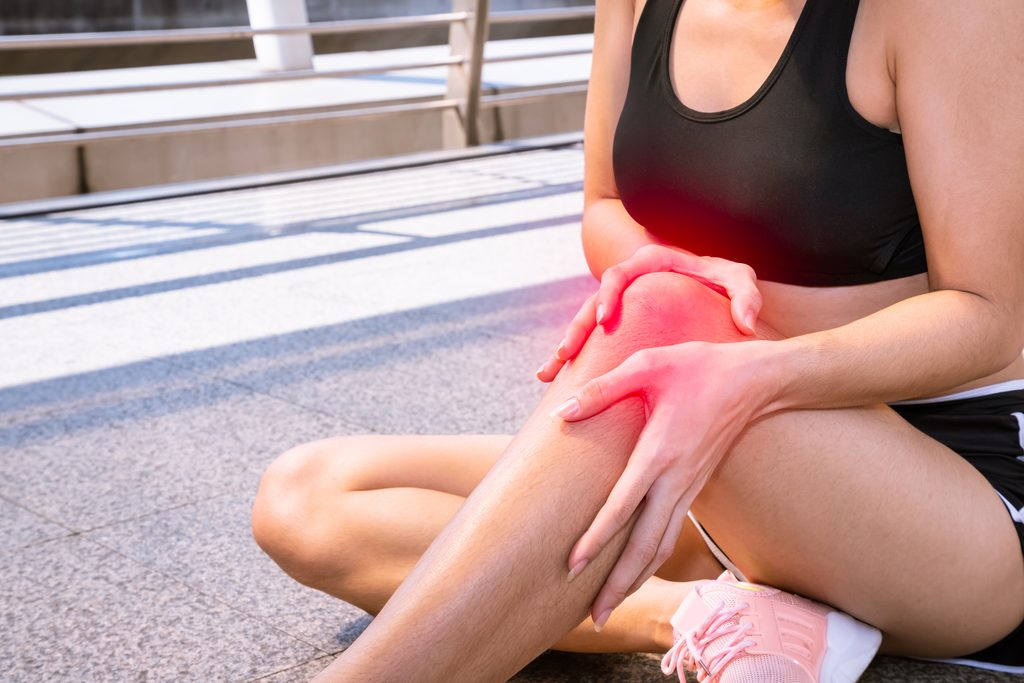
Patellofemoral pain involves the area where the kneecap moves against the thigh bone. It is often felt at the front of the knee and may be worse during activities that repeatedly load the bent knee.
People with this pattern may also notice discomfort while squatting, kneeling, running, or standing after sitting for a long time. Clicking can occur as well and does not necessarily mean that the joint is being damaged.
If knee pain when walking up stairs is mainly felt around or behind the kneecap, patellofemoral pain may be one possible explanation.
2. Quadriceps or Hip Muscle Weakness
The muscles around the thigh and hip help control movement of the leg. If they are weak or have become deconditioned, everyday tasks can become more demanding.
A period of inactivity followed by a sudden return to exercise, long walks, or frequent stair climbing may overload tissues that are not prepared for the new workload. Gradual strengthening is often an important part of rehabilitation.
3. Osteoarthritis
Osteoarthritis is not the only explanation for stair pain, however. A proper assessment is useful when symptoms persist, especially if stiffness or swelling is also present. NHS guidance lists osteoarthritis among common causes of knee pain.
People with osteoarthritis may experience knee pain when walking up stairs, especially when the joint is stiff after periods of inactivity.
4. Previous Knee Injury
A previous sprain, cartilage injury, ligament problem, or other knee injury can sometimes leave the joint sensitive during demanding activities. Even when the original injury is improving, stairs may still provoke symptoms because they require controlled bending and pushing through the leg.
If pain began after a fall, twist, collision, or sports injury, do not assume that it is simply ordinary soreness.
5. Sudden Increase in Activity

Your muscles and soft tissues have a certain tolerance for activity. If the workload rises faster than your body can adapt, pain may appear during the activity or later. This does not automatically indicate structural damage.
A sudden increase in stair use can therefore trigger knee pain when walking up stairs, even if you have never experienced knee problems before.
6. Tight Muscles
Tightness in the thighs or calves can affect how comfortably the knee moves. Some people develop stiffness after long periods of sitting, reduced activity, or repetitive exercise.
Tightness alone is not necessarily the cause, but it can be one factor contributing to an uncomfortable movement pattern.
7. Poor Movement Mechanics
How your hip, knee, ankle, and foot move together can influence the load placed on the knee. For example, reduced hip control or poor alignment during a step may make a movement feel less comfortable.
A physiotherapist can assess your walking, stair technique, strength, flexibility, and balance to identify factors that may be contributing to your symptoms.
8. Tendon Irritation
Tendons around the knee can become irritated after repeated loading. This may happen with running, jumping, squatting, or a sudden increase in exercise.
Pain from tendon problems may be more localized and can change depending on how much activity you perform. Persistent tendon pain should be assessed rather than repeatedly pushed through.
9. Other Knee Conditions
Bursitis, meniscus problems, ligament injuries, inflammatory conditions, and other disorders can also produce knee pain. Symptoms such as significant swelling, locking, giving way, redness, heat, or inability to bear weight deserve medical attention.
How to Reduce Knee Pain on Stairs
If stairs aggravate your symptoms, you do not always need to stop all movement. In many uncomplicated knee problems, gradual activity and exercise can support recovery. The key is to modify the activity so that symptoms remain manageable.
Use a handrail when available. When going upstairs, leading with the less painful leg can reduce the demand on the painful side. When going downstairs, leading with the painful leg may reduce strain. NHS physiotherapy resources recommend these strategies for people experiencing knee pain.
If knee pain when walking up stairs is making you hesitant to use stairs, slow down and avoid rushing. Take one step at a time if needed. If repeated stair climbing causes a flare-up, reduce the number of trips temporarily and increase activity gradually as symptoms settle.
Wear comfortable, supportive footwear and avoid suddenly combining high-impact exercise with large increases in daily stair use.
Exercises That May Help Knee Pain When Walking Up Stairs
Exercise selection should match the cause and severity of your symptoms. If an exercise causes sharp pain, significant swelling, or symptoms that remain much worse afterward, stop and seek professional advice.
1. Straight Leg Raise
Lie on your back with one knee bent and the other leg straight. Tighten the thigh of the straight leg and slowly raise it a short distance. Lower it with control.
This exercise can help you practice quadriceps activation without repeatedly bending the knee.
2. Sit-to-Stand
Sit on a stable chair with your feet about hip-width apart. Lean forward slightly and stand up using controlled movement. Sit down slowly.
Start with a comfortable number of repetitions and increase gradually. If this produces significant pain, reduce the depth or use a higher chair.
3. Glute Bridge
Lie on your back with both knees bent and feet on the floor. Tighten your abdominal and buttock muscles and gently lift your hips. Pause briefly, then lower with control.
Stronger hip and gluteal muscles can contribute to better control of lower-limb movement.
4. Step-Up Practice
Once everyday walking is comfortable, a low step can be used for gradual strengthening. Place one foot on the step and slowly bring the other foot up. Keep the movement controlled and use a handrail or stable support if necessary.
Start with a low step and a small number of repetitions. Increase the height or volume only when the exercise feels manageable.
5. Calf Raises
Stand near a stable support. Slowly raise your heels, pause, and lower them. This strengthens the calf muscles, which contribute to lower-leg control during walking and stair use.
A gradual strengthening program is generally more useful than doing a large number of repetitions suddenly.
When Should You Stop Exercising?
Mild, temporary discomfort can occur during rehabilitation, but severe or escalating pain is a reason to stop and reassess. You should also be cautious if the knee becomes increasingly swollen or your ability to walk decreases.
If your symptoms repeatedly worsen after exercise, the program may be too difficult or the underlying problem may need assessment. A physiotherapist can help adjust the exercise level and identify whether the pain is coming from the knee itself or another part of the lower limb.
When to See a Doctor or Physiotherapist
You should seek professional advice if knee pain when walking up stairs is persistent, getting worse, or interfering with normal activities. A clinical assessment can help determine whether you need physiotherapy, medication advice, imaging, or another form of treatment.
Urgent assessment is especially important if you cannot put weight on the leg, the knee is badly swollen or has changed shape, the knee locks or repeatedly gives way, or the knee becomes hot and red with fever or chills. These symptoms can indicate a more significant problem and should not be ignored.
You should also seek assessment after a significant twist, fall, or direct injury, particularly if swelling develops quickly or movement becomes substantially restricted.
Can Weight Affect Stair-Related Knee Pain?
Body weight can influence the load placed on the knee during movement. If you are carrying extra weight, gradually improving physical activity and following a balanced eating pattern may support overall joint health.
However, weight is only one factor. Knee pain can occur in people of many body sizes, and blaming symptoms entirely on weight can overlook strength, mobility, injury, activity levels, and other causes.
How Physiotherapy Can Help
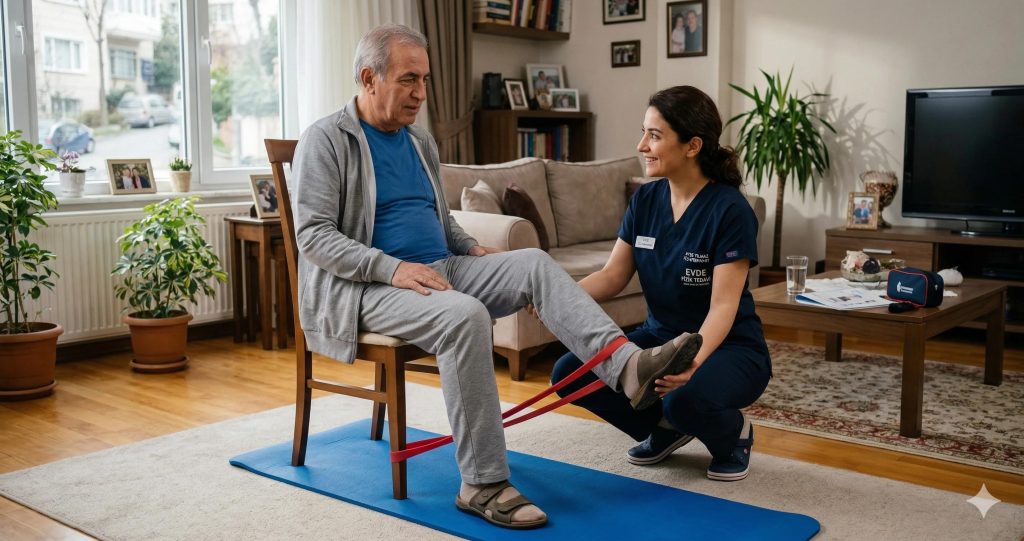
Physiotherapy can be useful when stair-related knee pain keeps returning or limits your daily activities. A physiotherapist can assess strength, range of motion, balance, movement patterns, and activity tolerance.
Treatment may include education, progressive strengthening, mobility work, activity modification, and a gradual return to activities that have been difficult. The goal is not simply to avoid stairs forever. It is to help you build enough capacity and confidence to manage normal activities safely.
A personalized plan is particularly useful when knee pain when walking up stairs is persistent because the same symptom can have different causes in different people.
Frequently Asked Questions
Is knee pain when walking up stairs always a sign of arthritis?
No. Stair pain can have many causes, including patellofemoral pain, muscle weakness, activity overload, tendon irritation, previous injury, and osteoarthritis. Symptoms alone cannot establish the diagnosis.
Why does my knee hurt more going upstairs than on flat ground?
Stair climbing requires more effort from the muscles around the knee and hip. If the knee is sensitive or the supporting muscles are weak or fatigued, the increased workload may make symptoms more noticeable.
Should I stop using stairs if my knee hurts?
Not necessarily. For many non-serious knee problems, staying active within tolerable limits is encouraged. You can reduce the number of trips, slow down, use a handrail, and gradually build activity. If stairs cause severe pain or significant swelling, get professional advice.
Are squats good for knee pain?
Squats can be useful for strengthening when they are appropriate for the individual and performed with suitable technique and progression. However, they are not suitable for every knee problem at every stage. Start with a comfortable range and seek professional guidance if symptoms are significant.
Can physiotherapy improve stair climbing?
Physiotherapy may help by addressing strength, movement control, flexibility, balance, and activity tolerance. The specific program should be based on your symptoms and assessment.
Final Thoughts
Knee pain when walking up stairs is common, and it does not automatically mean that your joint is seriously damaged. Common contributors include patellofemoral pain, muscle weakness, activity changes, previous injury, tendon irritation, and osteoarthritis.
If you experience knee pain when walking up stairs, start by paying attention to when the symptoms appear, what activities make them worse, and whether swelling, stiffness, locking, or instability occurs. Use a handrail, reduce excessive stair repetitions temporarily, and return to activity gradually.
Strengthening the muscles around the knee and hip can be an important part of recovery, but exercises should be chosen according to your condition and progressed gradually. If symptoms persist, worsen, or interfere with daily life, a physiotherapist or doctor can help identify the cause and create an appropriate treatment plan.
This article is for general educational purposes and does not replace an individual medical assessment.