Lower Back Pain When Getting Out of Bed: 9 Causes & Proven Relief Tips
Waking up with lower back pain when getting out of bed can make the start of your day uncomfortable. You may feel stiffness when you first sit up, pain while standing, or a pulling sensation across your lower back. In many cases, this discomfort improves after you move around for a few minutes. However, recurring morning back pain may indicate that your sleeping position, mattress, muscles, joints, or daily habits need attention.
Lower back pain is extremely common, and morning stiffness does not always mean that something serious is wrong. Simple changes such as improving your sleeping position, performing gentle stretches, staying active, and strengthening the muscles around your spine can often help.
This guide explains the common causes of lower back pain when getting out of bed, practical relief strategies, exercises that may help, and situations when you should consider professional medical advice.
What Causes Lower Back Pain When Getting Out of Bed?

There are several possible reasons for experiencing lower back pain when getting out of bed. Your symptoms may result from overnight stiffness, poor sleeping posture, muscle tension, or an underlying condition affecting the spine.
Here are nine common causes.
1. Morning Muscle Stiffness
Your body remains relatively still while you sleep. During several hours of inactivity, the muscles and joints around your lower back may become stiff.
When you suddenly move from lying down to sitting and standing, these tissues have to work again. This can create temporary discomfort.
Morning stiffness is more likely if you:
- Sleep in one position for many hours
- Have tight hip or back muscles
- Have been less physically active recently
- Spend long periods sitting during the day
- Sleep in an awkward position
Gentle movement before standing can help your lower back gradually adjust.
2. Poor Sleeping Position
Your sleeping posture can have a major effect on how your back feels in the morning. Sleeping with your spine twisted or unsupported may place additional stress on the lower-back muscles.
Stomach sleeping can sometimes increase strain because your lower back may remain in an extended position. Sleeping on your side without adequate support between your knees may also allow your hips and spine to rotate.
If you frequently experience lower back pain when getting out of bed, experiment with a position that keeps your spine comfortable and relatively neutral.
Side sleepers may benefit from placing a pillow between their knees. Back sleepers can sometimes feel more comfortable with a pillow underneath their knees.
3. An Unsuitable Mattress
Your mattress may also contribute to morning back discomfort. A mattress that is extremely soft may allow your body to sink excessively, while one that is too firm may create uncomfortable pressure points.
There is no single mattress that is perfect for everyone. Comfort, sleeping position, body structure, and personal preference all matter.
If your back feels significantly worse after sleeping but improves after you get moving, consider whether your mattress or pillow provides adequate support.
You do not necessarily need to buy a new mattress immediately. First, evaluate your sleeping position and whether your current bed allows you to maintain a comfortable posture.
4. Tight Hip Flexors
The hip flexor muscles connect the front of your hips and thighs to your pelvis and lower spine. Spending many hours sitting can cause these muscles to feel tight.
Tight hip flexors may affect how your pelvis moves and can contribute to tension around the lower back.
People who work at a desk, drive frequently, or spend much of the day sitting may be particularly prone to tightness.
Gentle hip-flexor stretching and regular movement breaks can help improve flexibility over time.
5. Weak Core Muscles
Your abdominal, back, hip, and pelvic muscles work together to support your spine. If these muscles are weak or poorly conditioned, everyday movements may place more stress on the lower back.
Weakness does not necessarily cause pain by itself, but poor strength and endurance can make certain activities more difficult.
Once acute pain has settled, exercises such as bridges, bird dogs, and controlled core exercises may help improve support around the lower back.
Exercise should be gradual. If a movement causes sharp or worsening pain, stop and seek professional guidance.
6. Muscle Strain
A previous workout, lifting activity, housework, gardening, or sudden movement may strain the muscles around your lower back.
Sometimes the discomfort does not become obvious until later. You may therefore notice lower back pain when getting out of bed the morning after a physically demanding day.
Muscle-related pain often improves gradually with appropriate activity, gentle movement, and time.
Avoid suddenly returning to heavy lifting while the area is painful.
7. Prolonged Sitting During the Day
Morning back pain is not always caused by something that happens during sleep.
If you spend hours sitting at a desk, working on a laptop, driving, or watching television, your lower back may become stiff and your hip muscles may tighten.
Long periods of sitting can also reduce movement throughout the day.
Try standing up regularly, walking for a few minutes, changing positions, and adjusting your workstation so that your back and neck remain comfortable.
8. Age-Related Spinal Changes
As people get older, normal changes can occur in the discs, joints, and other structures of the spine. Some people develop osteoarthritis or degenerative changes that may contribute to stiffness.
Morning discomfort may be more noticeable after long periods of inactivity.
However, imaging findings do not always match symptoms. Many spinal changes are common in people who have little or no pain.
A healthcare professional can help determine whether your symptoms are likely related to normal changes, mechanical back pain, or another condition.
9. An Underlying Back Condition
Persistent morning pain can occasionally be associated with a medical condition affecting the spine.
For example, disc problems, nerve irritation, arthritis, or inflammatory conditions can cause back pain and stiffness.
If your pain is severe, persistent, progressively worsening, or accompanied by other unusual symptoms, do not rely only on home treatment. A healthcare professional should evaluate the cause.
How to Get Out of Bed Without Straining Your Lower Back
The way you leave your bed can make a difference if you regularly experience lower back pain when getting out of bed.
Instead of quickly sitting straight up, try this sequence:
Step 1: Bend Your Knees
While lying on your back, gently bend both knees.
Step 2: Roll Onto Your Side
Turn your whole body toward one side rather than twisting your spine.
Step 3: Move Your Legs Over the Edge
Let your legs move toward the edge of the bed.
Step 4: Push Up With Your Arms
Use your arms to help push your upper body into a sitting position.
Step 5: Stand Slowly
Pause for a moment before standing. Place your feet firmly on the floor and rise gradually.
This method reduces the amount of sudden bending and twisting required when getting out of bed.
Gentle Exercises for Morning Lower Back Pain
If your pain is mild and movement feels comfortable, gentle exercises may help reduce stiffness.
1. Knee-to-Chest Stretch
Lie on your back with your knees bent.
Bring one knee slowly toward your chest while keeping the other leg comfortable. Hold for several seconds, then switch sides.
Do not force the movement. You should feel a gentle stretch rather than sharp pain.
2. Pelvic Tilts
Lie on your back with your knees bent and feet resting on the bed or floor.
Gently tighten your abdominal muscles and flatten your lower back slightly against the surface. Relax and repeat slowly.
Pelvic tilts can help you become more comfortable with controlled movement of your lower back.
3. Cat-Cow Movement
Start on your hands and knees.
Slowly round your back, then gently move in the opposite direction while keeping the movement controlled.
This exercise encourages gentle spinal movement and may help reduce stiffness.
4. Glute Bridges
Lie on your back with your knees bent.
Tighten your abdominal and buttock muscles and slowly lift your hips. Pause briefly, then lower your body.
Glute bridges can strengthen the muscles around your hips and pelvis.
If this exercise increases your back pain, stop and consult a physiotherapist.
How to Prevent Morning Lower Back Pain
Preventing lower back pain when getting out of bed often involves more than changing your sleeping position.
Stay Physically Active
Regular walking, swimming, strength training, or other suitable physical activity can help maintain mobility and muscle strength.
You do not need intense workouts to stay active. Consistency is usually more important than intensity.
Avoid Long Periods of Sitting
If you have a desk-based routine, take regular movement breaks.
Stand up, walk around, stretch gently, or change your position throughout the day.
Improve Your Sleep Position
Choose a position that feels comfortable and keeps your spine supported.
If you sleep on your side, a pillow between your knees may provide additional comfort. If you sleep on your back, placing a pillow beneath your knees may reduce tension for some people.
Strengthen Your Core and Hips
A balanced strengthening program can improve muscle endurance and make everyday movements easier.
Focus on controlled exercises rather than trying to lift heavy weights immediately.
Warm Up Before Physical Activity
If you exercise, gradually prepare your body before intense activity. A short walk and gentle mobility exercises can help you transition into exercise.
Maintain a Healthy Body Weight
Carrying excess body weight may increase the mechanical demands placed on your spine. A balanced diet and regular physical activity can support overall musculoskeletal health.
When Should You See a Physiotherapist?
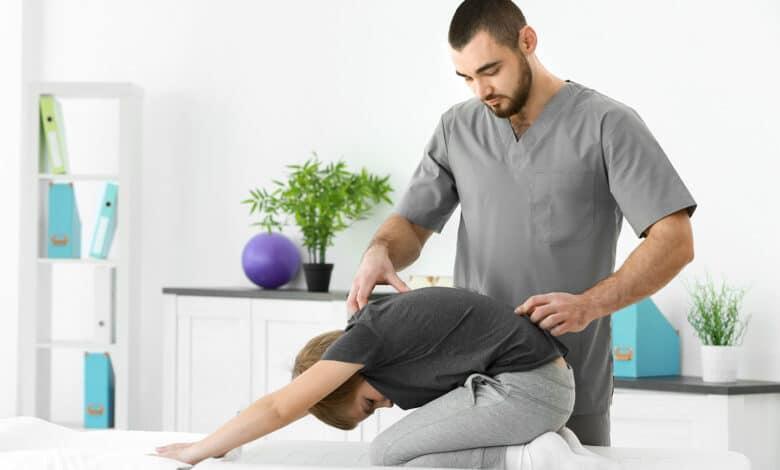
If lower back pain when getting out of bed happens frequently or interferes with your normal activities, a physiotherapist can assess your movement and identify contributing factors.
A physiotherapist may examine:
- Spinal movement
- Hip mobility
- Muscle strength
- Flexibility
- Posture
- Walking and movement patterns
- Daily activities that may aggravate your symptoms
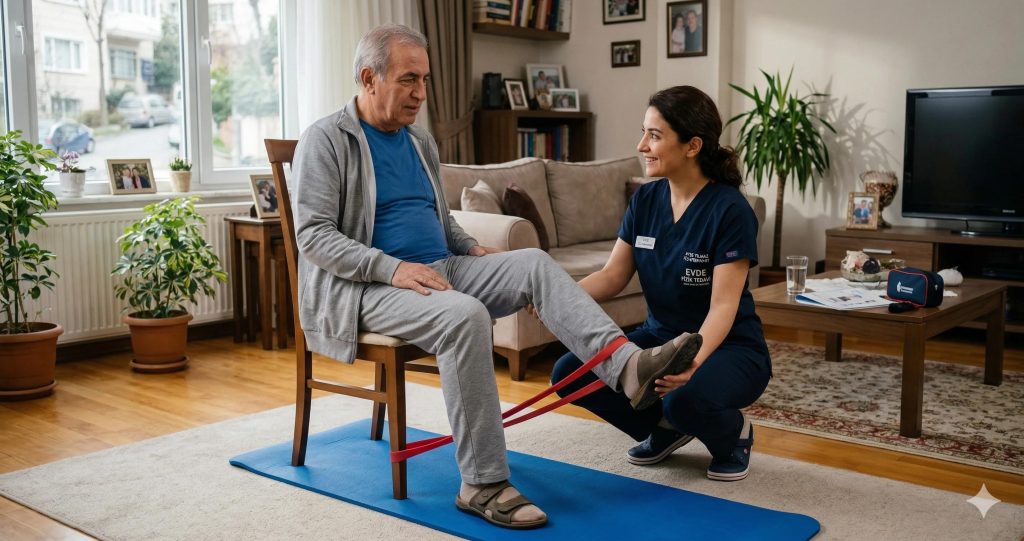
Treatment may include exercise therapy, education, mobility work, strengthening, and strategies for safely returning to normal activities.
The goal is not simply to reduce pain temporarily. A good rehabilitation program also helps you improve movement, strength, confidence, and function.
When Is Morning Back Pain an Emergency?
Most lower back pain is not an emergency. However, certain symptoms require urgent medical assessment.
Seek urgent medical attention if back pain occurs with:
- New loss of bladder or bowel control
- Numbness around the groin or inner thighs
- Significant weakness in one or both legs
- Severe pain following a major accident
- Fever with severe back pain
- Unexplained significant weight loss
- Severe or rapidly worsening symptoms
- New neurological problems
These symptoms can sometimes indicate a more serious condition that requires prompt evaluation.
Frequently Asked Questions
Why does my lower back hurt when I get out of bed?
Lower back pain when getting out of bed can occur because your muscles and joints become stiff during sleep. Sleeping position, muscle tightness, prolonged sitting, physical activity, and certain spinal conditions may also contribute.
Is morning lower back pain normal?
Mild stiffness that improves after moving around can be common. However, persistent, severe, or worsening pain should be evaluated by a healthcare professional.
Should I stretch when I wake up with back pain?
Gentle stretching may help if the movement feels comfortable. Avoid aggressive stretching or exercises that increase sharp pain.
Is my mattress causing my back pain?
It is possible. An unsuitable mattress can contribute to discomfort for some people. However, mattress firmness is only one potential factor, so consider your sleeping position and daily activity as well.
Should I sleep on my back or side for lower back pain?
Both positions can be comfortable. The best position is generally the one that allows you to sleep comfortably while keeping your spine well supported. A pillow between the knees when side sleeping or under the knees when back sleeping may help some people.
Final Thoughts
Experiencing lower back pain when getting out of bed can be frustrating, particularly when it happens every morning. In many cases, the discomfort is related to stiffness, sleeping position, muscle tightness, prolonged sitting, or reduced strength.
Small changes can make a meaningful difference. Try getting out of bed slowly, staying active during the day, improving your sleeping position, and incorporating gentle mobility and strengthening exercises.
If your pain continues, becomes severe, or is accompanied by numbness, weakness, bladder or bowel changes, fever, or other concerning symptoms, seek medical evaluation rather than relying on home treatment alone.
Your lower back does not have to remain stiff every morning. With the right combination of movement, strengthening, sleep habits, and professional guidance when necessary, you can work toward more comfortable mornings and better everyday mobility.