

Pain in Elbow When Straightening Arm: 11 Powerful Causes, Symptoms & Proven Treatments
Introduction
Experiencing Pain in Elbow When Straightening Arm can make even the simplest daily activities difficult. Whether you are lifting a grocery bag, reaching for an object on a shelf, typing on a computer, or playing sports, elbow pain can interfere with normal movement and reduce your quality of life. Many people ignore mild elbow discomfort at first, assuming it will disappear on its own. However, persistent or worsening pain may indicate an underlying condition that requires proper diagnosis and treatment.
The elbow is a complex joint made up of bones, muscles, tendons, ligaments, cartilage, and nerves. All of these structures work together to allow smooth bending and straightening of the arm. When one of these tissues becomes injured, inflamed, or damaged, extending the arm may become painful and difficult.
There are many possible reasons for elbow pain. Some cases result from overuse injuries caused by repetitive movements, while others develop after falls, sports injuries, arthritis, or nerve compression. Identifying the exact cause is the first step toward choosing the right treatment.
Understanding Pain in Elbow When Straightening Arm helps people recognize early warning signs before the condition becomes more serious. Early diagnosis and appropriate treatment often lead to faster recovery and reduce the risk of long-term complications.
This guide explains the most common causes, symptoms, diagnosis, treatment options, prevention strategies, and recovery tips to help you regain pain-free elbow movement.
What Is Pain in Elbow When Straightening Arm?

Pain in Elbow When Straightening Arm refers to discomfort that occurs while fully extending the elbow joint. The pain may be sharp, dull, aching, burning, or throbbing depending on the underlying cause. Some people notice mild discomfort only after heavy activity, while others experience severe pain even during simple daily tasks.
The pain may develop suddenly after an injury or gradually over weeks or months due to repetitive strain. It may affect the inside, outside, back, or front of the elbow and sometimes radiate into the forearm or upper arm.
Because multiple structures surround the elbow joint, determining the exact source of pain often requires a thorough physical examination.
How the Elbow Joint Works
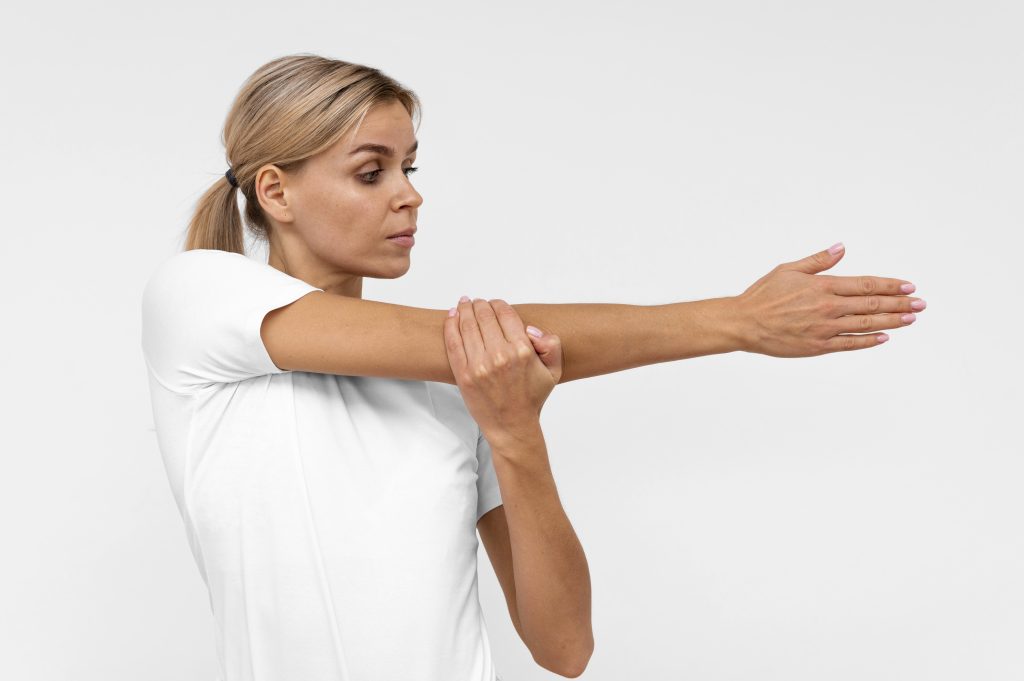
The elbow is formed where three bones meet: the humerus in the upper arm and the radius and ulna in the forearm. These bones are connected by strong ligaments that provide stability while muscles and tendons allow movement.
Every time you bend or straighten your arm, these structures work together to produce smooth motion. Tendons connect muscles to bones, allowing force to move the joint. Cartilage reduces friction between bones, while bursae provide cushioning during movement.
If any of these tissues become inflamed, injured, or worn down, normal elbow movement becomes painful.
Common Causes of Pain in Elbow When Straightening Arm
Tennis Elbow

One of the most common causes of Pain in Elbow When Straightening Arm is tennis elbow, medically known as lateral epicondylitis. Despite its name, this condition affects many people who have never played tennis.
Tennis elbow develops when repetitive gripping, lifting, typing, or tool use causes tiny tears in the tendons attached to the outer part of the elbow. Over time, these small injuries trigger inflammation and pain.
Individuals often notice discomfort while lifting objects, shaking hands, or extending the arm completely.
Without proper treatment, symptoms may persist for several months.
Golfer’s Elbow
Golfer’s elbow, or medial epicondylitis, affects the tendons on the inner side of the elbow. It results from repetitive wrist flexion, gripping, throwing, or lifting activities.
Although commonly associated with golf, many manual laborers, office workers, mechanics, and athletes develop this condition.
Pain usually increases while gripping objects or fully straightening the elbow.
Elbow Tendinitis

Tendinitis occurs when tendons become irritated and inflamed after repeated stress or overuse.
Athletes who participate in weightlifting, baseball, swimming, or racquet sports frequently develop elbow tendinitis. Office workers performing repetitive computer tasks may also experience tendon irritation.
Rest, activity modification, and appropriate rehabilitation usually improve symptoms.
Elbow Bursitis
A small fluid-filled sac called the olecranon bursa cushions the back of the elbow.
Repeated pressure, trauma, infection, or prolonged leaning on hard surfaces may cause this bursa to become inflamed.
The elbow may appear swollen, warm, and tender. Straightening the arm often increases discomfort because pressure builds inside the inflamed bursa.
Arthritis
Arthritis is another important cause of Pain in Elbow When Straightening Arm.
Osteoarthritis develops gradually as joint cartilage wears down with age or previous injuries.
Rheumatoid arthritis is an autoimmune disease that attacks the joints, causing inflammation, stiffness, swelling, and pain.
Individuals with arthritis often experience morning stiffness that improves gradually with movement.
Muscle Strain
Heavy lifting, sudden pulling motions, or excessive exercise may strain the muscles surrounding the elbow.
Small muscle tears lead to inflammation and pain during movement.
Most muscle strains heal with rest, ice therapy, and gradual return to activity.
Ligament Injury
Ligaments stabilize the elbow joint during movement.
Falls, sports injuries, or accidents may stretch or tear these ligaments, causing instability and pain while straightening the arm.
More severe ligament injuries sometimes require surgical repair.
Nerve Compression

The ulnar nerve passes through a narrow space near the elbow known as the cubital tunnel.
Compression of this nerve may cause numbness, tingling, weakness, and Pain in Elbow When Straightening Arm.
Symptoms often extend into the ring finger and little finger.
Early treatment usually prevents permanent nerve damage.
Symptoms That May Accompany Elbow Pain

The symptoms vary depending on the underlying cause.
Many individuals experience localized pain around the elbow joint that worsens while extending the arm. Others notice stiffness, swelling, tenderness, redness, reduced grip strength, clicking sensations, or limited range of motion.
Some conditions also produce numbness, tingling, muscle weakness, or pain that spreads into the forearm or wrist.
Recognizing these associated symptoms helps healthcare providers identify the exact cause more accurately.
Risk Factors
Several factors increase the likelihood of developing Pain in Elbow When Straightening Arm.
Repetitive work activities, poor lifting techniques, prolonged computer use, sports involving repeated arm movements, advancing age, obesity, previous elbow injuries, diabetes, and inflammatory joint diseases all contribute to increased risk.
Individuals working as carpenters, mechanics, painters, plumbers, athletes, and office workers frequently place repeated stress on the elbow joint.
Proper workplace ergonomics and regular stretching reduce the risk of overuse injuries.
When Should You See a Doctor?
Although mild elbow discomfort often improves within a few days, persistent pain should never be ignored.
Seek medical attention if pain lasts longer than one week, swelling continues to increase, movement becomes severely restricted, numbness develops, or the elbow appears deformed after an injury.
Immediate medical evaluation is necessary if severe pain follows trauma or if infection is suspected because of fever, redness, warmth, or drainage.
Early diagnosis greatly improves recovery outcomes.
Diagnosis of Pain in Elbow When Straightening Arm

Diagnosing Pain in Elbow When Straightening Arm begins with a detailed medical history and physical examination. Your healthcare provider will ask when the pain started, whether it developed suddenly or gradually, what activities make it worse, and whether there is any history of injury, repetitive work, or sports participation.
During the examination, the doctor will check the elbow for swelling, tenderness, bruising, warmth, instability, and range of motion. Different movement tests help determine whether the pain originates from muscles, tendons, ligaments, joints, or nerves.
If a more serious condition is suspected, imaging studies may be recommended. X-rays help identify fractures, arthritis, and bone abnormalities, while MRI scans provide detailed images of tendons, ligaments, cartilage, and muscles. Ultrasound is useful for evaluating tendon injuries, bursitis, and fluid accumulation. In cases involving numbness or tingling, nerve conduction studies may be performed to detect nerve compression.
An accurate diagnosis is essential because each cause requires a different treatment approach.
Medical Treatment Options
The treatment for Pain in Elbow When Straightening Arm depends entirely on the underlying cause. Most mild to moderate cases improve with conservative treatment, while severe injuries may require more advanced medical care.
Doctors often recommend reducing activities that aggravate the pain while allowing the injured tissues time to heal. Temporary activity modification does not mean complete inactivity but rather avoiding movements that repeatedly strain the elbow.
Pain-relieving medications such as acetaminophen or nonsteroidal anti-inflammatory drugs (NSAIDs) may help reduce pain and inflammation when used according to medical advice. In some cases, topical anti-inflammatory gels also provide relief.
If inflammation remains severe despite conservative treatment, corticosteroid injections may be considered. However, repeated injections are generally avoided because they can weaken tendons over time.
Physiotherapy for Elbow Pain
Physiotherapy is one of the most effective treatments for Pain in Elbow When Straightening Arm, particularly when the problem is caused by tendon injuries, muscle weakness, or joint stiffness.
A physiotherapist evaluates your elbow movement, muscle strength, posture, and flexibility before creating an individualized rehabilitation program. Treatment focuses on reducing pain, restoring mobility, improving muscle strength, and preventing future injuries.
Gentle stretching exercises gradually improve flexibility while strengthening exercises help stabilize the elbow joint. Manual therapy techniques may also improve joint mobility and reduce stiffness.
Patients who complete their rehabilitation program consistently often recover faster and experience fewer recurrences.
Home Care and Recovery
Many mild cases of elbow pain improve with proper home care. Applying an ice pack for fifteen to twenty minutes several times a day during the first forty-eight hours helps reduce inflammation and swelling. After the initial inflammation decreases, heat therapy may improve blood circulation and relax tight muscles.
Wearing an elbow brace or compression sleeve during activities may provide additional support and reduce strain on injured tendons. Maintaining proper posture while working at a desk also helps decrease unnecessary stress on the elbow.
Allowing adequate rest between repetitive activities gives the tissues enough time to recover naturally.
Learning how to manage Pain in Elbow When Straightening Arm at home often shortens recovery time and reduces the risk of chronic pain.
Exercises That May Help Recovery
Once the acute pain begins to improve, gentle rehabilitation exercises become an important part of recovery. Controlled movements restore flexibility while gradually strengthening the muscles surrounding the elbow.
Wrist extension and flexion exercises, forearm stretches, grip strengthening, and light resistance exercises improve stability and reduce future injury risk. These exercises should always be performed slowly and without causing severe pain.
Patients recovering from tendon injuries often benefit from eccentric strengthening exercises under the supervision of a physiotherapist.
Returning to heavy lifting or sports too early may delay healing and increase the likelihood of reinjury.
Lifestyle Changes That Prevent Elbow Pain
Making simple lifestyle changes significantly reduces the chance of developing Pain in Elbow When Straightening Arm again.
Maintaining good posture while using computers, taking regular breaks from repetitive work, warming up before exercise, and using proper lifting techniques all help protect the elbow joint.
Athletes should gradually increase training intensity rather than making sudden changes to workout routines. Using appropriate sports equipment and maintaining proper technique also reduce stress on the elbow.
A balanced diet rich in protein, calcium, vitamin D, and omega-3 fatty acids supports healthy muscles, bones, and connective tissues.
Possible Complications
Ignoring persistent elbow pain may lead to chronic inflammation, reduced joint mobility, muscle weakness, and long-term functional limitations. Tendon injuries that remain untreated may gradually worsen, making recovery slower and more difficult.
Nerve compression can eventually result in permanent numbness or muscle weakness if left untreated for an extended period. Arthritis may also progress over time, causing increasing pain and stiffness.
Early diagnosis and treatment greatly reduce the risk of these complications while improving long-term joint function.
Recovery Time
Recovery varies depending on the cause and severity of the injury. Mild muscle strains often improve within a few weeks with proper rest and rehabilitation. Tendinitis and tennis elbow may require several weeks to several months before symptoms completely resolve.
Ligament injuries, severe arthritis, or surgical recovery generally take longer. Following medical advice, attending physiotherapy sessions, and performing home exercises consistently all contribute to faster healing.
Understanding the expected recovery process helps patients remain patient and committed to treatment.
When Surgery May Be Needed
Although most patients recover without surgery, some cases require surgical intervention. Persistent tendon tears, unstable ligament injuries, severe fractures, advanced arthritis, or nerve compression that fails to respond to conservative treatment may require an operation.
Modern surgical techniques often use minimally invasive procedures, allowing faster recovery and smaller incisions. After surgery, physiotherapy remains essential for restoring strength and normal elbow function.
Fortunately, only a small percentage of patients with Pain in Elbow When Straightening Arm require surgical treatment.
Conclusion
Pain in Elbow When Straightening Arm is a common problem that can affect people of all ages. It may result from overuse injuries, tendon inflammation, arthritis, bursitis, ligament damage, nerve compression, or traumatic injuries. Although mild cases often improve with rest and conservative treatment, persistent pain should never be ignored.
Early diagnosis allows healthcare professionals to identify the exact cause and begin appropriate treatment before complications develop. Physiotherapy, activity modification, proper ergonomics, home care, and healthy lifestyle habits play an important role in recovery.
If you experience ongoing Pain in Elbow When Straightening Arm, difficulty moving the joint, increasing swelling, or numbness, consult a qualified healthcare provider as soon as possible. Prompt treatment can relieve pain, restore normal movement, and help you return safely to your daily activities.
Frequently Asked Questions
Why does my elbow hurt when I straighten my arm?
The pain may result from tennis elbow, golfer’s elbow, tendinitis, arthritis, bursitis, muscle strain, ligament injury, or nerve compression. A medical evaluation helps determine the exact cause.
Can elbow pain heal without surgery?
Yes. Most cases improve with rest, physiotherapy, activity modification, anti-inflammatory treatment, and rehabilitation exercises. Surgery is only required for severe injuries or conditions that fail to improve with conservative treatment.
How long does elbow pain take to heal?
Recovery depends on the cause. Mild strains may heal within a few weeks, while tendon injuries or chronic conditions can require several months of treatment and rehabilitation.
When should I see a doctor?
You should seek medical attention if pain lasts longer than a week, swelling worsens, movement becomes difficult, numbness develops, or the pain follows a significant injury. Early treatment improves recovery and helps prevent long-term complications.