
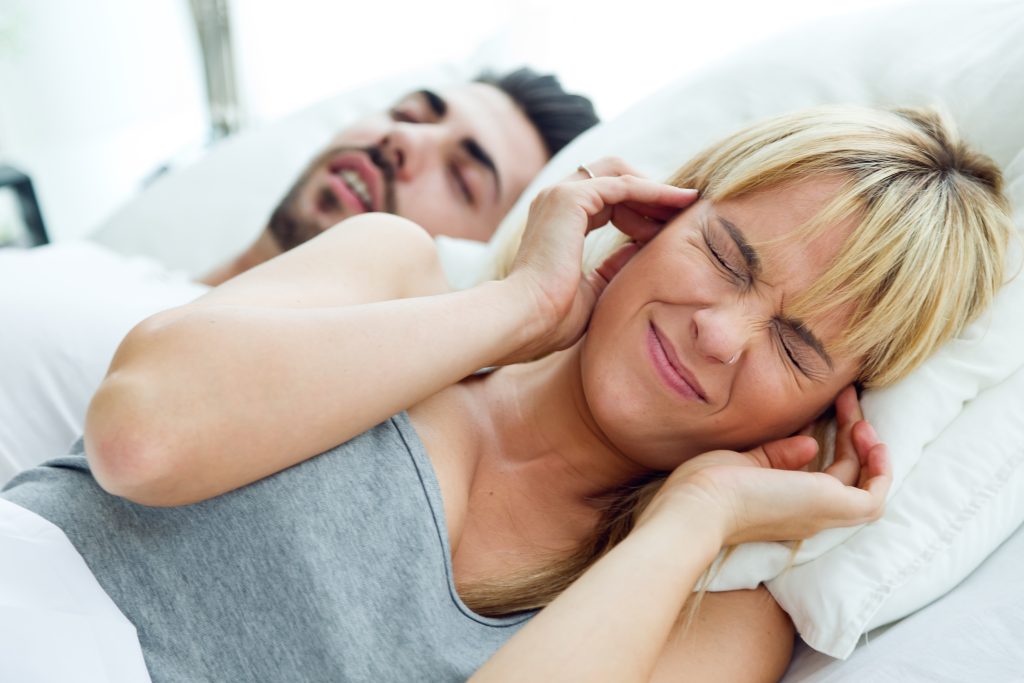
How to Help Sleep Apnea: 11 Proven Ways to Sleep Better and Breathe Easier
Introduction
Sleep is one of the most important parts of maintaining good physical and mental health. It allows the body to recover, supports brain function, strengthens the immune system, and improves overall well-being. However, millions of people struggle to get quality sleep because of sleep apnea, a common but serious sleep disorder that interrupts normal breathing throughout the night. Understanding How to Help Sleep Apnea is essential because untreated sleep apnea can increase the risk of heart disease, stroke, high blood pressure, diabetes, and daytime fatigue.
Sleep apnea occurs when breathing repeatedly stops and starts during sleep. These breathing interruptions reduce oxygen levels and force the brain to wake the body briefly to restore normal breathing. Most people are unaware these interruptions occur because they happen while sleeping, but they often wake feeling tired despite spending enough time in bed.
There are different types of sleep apnea, but obstructive sleep apnea is the most common. It develops when the muscles in the throat relax too much during sleep, causing the airway to become partially or completely blocked. Central sleep apnea is less common and occurs when the brain temporarily fails to send the proper signals to the breathing muscles.
Learning How to Help Sleep Apnea can improve sleep quality, reduce health risks, increase daytime energy, and enhance overall quality of life. This guide explains the causes, symptoms, diagnosis, treatment options, and healthy lifestyle changes that help manage sleep apnea effectively.
What Is Sleep Apnea?
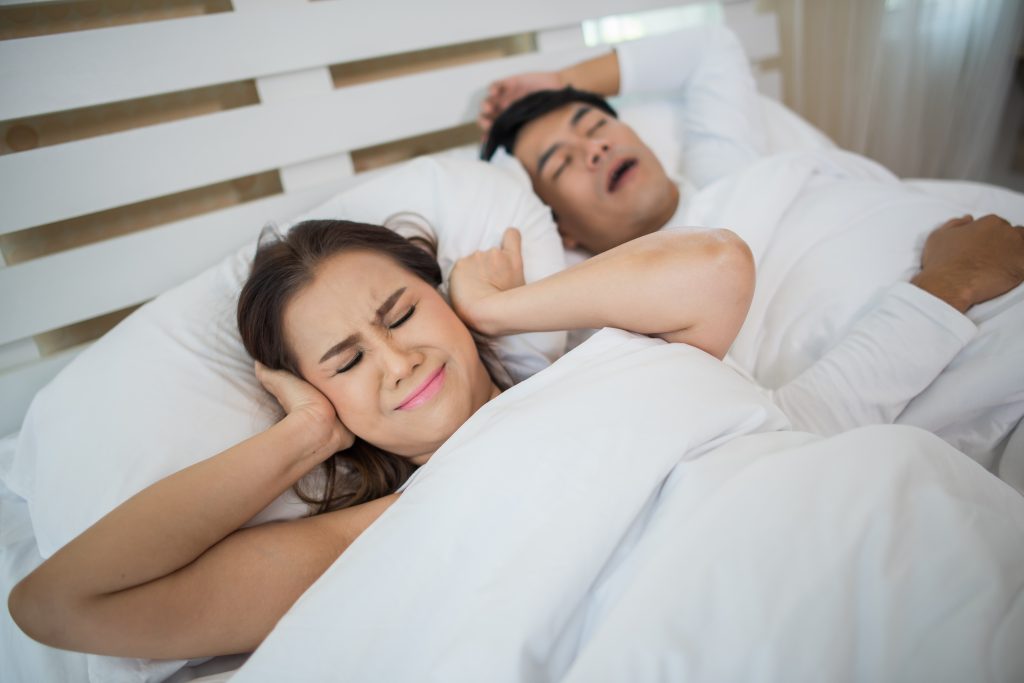
Sleep apnea is a chronic sleep disorder characterized by repeated pauses in breathing while sleeping. These pauses may last from a few seconds to more than a minute and can occur dozens or even hundreds of times during a single night.
Every breathing interruption lowers oxygen levels and places stress on the cardiovascular system. As oxygen decreases, the brain briefly wakes the individual to reopen the airway. Although these awakenings usually last only a few seconds and are rarely remembered, they interrupt deep sleep and prevent proper rest.
Understanding the condition is the first step in learning How to Help Sleep Apnea and reducing its long-term health effects.
Types of Sleep Apnea

Obstructive sleep apnea is the most common form and develops when the muscles supporting the tongue and soft tissues of the throat relax excessively during sleep. This relaxation narrows or completely blocks the airway.
Central sleep apnea occurs when the brain temporarily fails to send normal signals to the muscles responsible for breathing. Unlike obstructive sleep apnea, the airway remains open, but breathing stops because the respiratory muscles are not activated.
Some individuals experience complex sleep apnea syndrome, which combines features of both obstructive and central sleep apnea.
Identifying the specific type of sleep apnea is important because treatment approaches may differ.
Common Causes of Sleep Apnea
Several factors contribute to the development of sleep apnea. Excess body weight is one of the strongest risk factors because fatty tissue around the neck narrows the airway during sleep.
A naturally narrow airway, enlarged tonsils, hormonal disorders, smoking, alcohol consumption, and certain medications that relax the muscles also increase the likelihood of airway obstruction.
Age is another important factor. As people grow older, muscle tone decreases, making airway collapse more likely during sleep.
Family history also plays a role because inherited anatomical features may increase susceptibility to sleep apnea.
Understanding these causes helps individuals recognize How to Help Sleep Apnea through appropriate lifestyle modifications.
Who Is at Risk?
Sleep apnea can affect anyone, but some individuals face a higher risk than others.
People who are overweight, over the age of forty, male, smokers, or those with high blood pressure have a greater chance of developing obstructive sleep apnea.
Women may experience increased risk after menopause because hormonal changes affect airway muscle tone.
Individuals with chronic nasal congestion, enlarged tonsils, or certain facial structures are also more likely to develop breathing difficulties during sleep.
Recognizing personal risk factors encourages earlier medical evaluation and treatment.
Early Symptoms of Sleep Apnea
Many symptoms develop gradually, making sleep apnea difficult to recognize during its early stages.
Loud snoring is one of the most common signs, although not everyone who snores has sleep apnea. Breathing pauses observed by a partner are another important warning sign.
People often wake suddenly, gasping or choking for air because the brain is attempting to restore normal breathing.
Morning headaches frequently occur because repeated breathing interruptions reduce oxygen supply throughout the night.
Persistent dry mouth or sore throat upon waking also suggests nighttime breathing problems.
Understanding these early warning signs is an important part of learning How to Help Sleep Apnea before complications develop.
Daytime Symptoms
Sleep apnea affects much more than nighttime breathing. Interrupted sleep often causes excessive daytime sleepiness, making it difficult to concentrate at work, school, or while driving.
Many people experience poor memory, slower thinking, irritability, mood changes, anxiety, and reduced productivity.
Some individuals unknowingly fall asleep while reading, watching television, or sitting quietly because their nighttime sleep is fragmented.
Daytime fatigue significantly increases the risk of workplace accidents and motor vehicle collisions.
Treating sleep apnea usually leads to noticeable improvements in energy, concentration, and emotional well-being.
Why Sleep Apnea Is Dangerous

Untreated sleep apnea places repeated stress on nearly every organ system in the body. Frequent drops in oxygen force the heart to work harder, increasing blood pressure and cardiovascular strain.
Over time, untreated sleep apnea increases the risk of heart attacks, irregular heart rhythms, strokes, type 2 diabetes, metabolic disorders, and chronic fatigue.
Poor sleep quality also weakens the immune system and contributes to depression, anxiety, and reduced quality of life.
Learning How to Help Sleep Apnea early reduces these long-term health risks and improves overall wellness.
How Doctors Diagnose Sleep Apnea
A healthcare provider begins by discussing symptoms, sleeping habits, medical history, and family history. Because patients are often unaware of nighttime breathing interruptions, information from a sleep partner is frequently valuable.
The most accurate diagnostic test is a sleep study, also called polysomnography. During this overnight examination, breathing patterns, oxygen levels, heart rate, brain activity, eye movements, and muscle activity are monitored while the individual sleeps.
Some patients may qualify for home sleep apnea testing using portable monitoring equipment.
After diagnosis, healthcare providers determine the severity of the condition and recommend the most appropriate treatment plan.
Why Early Treatment Matters

Early diagnosis allows treatment before serious complications develop. Many people notice significant improvements in sleep quality, energy levels, concentration, mood, and overall health within weeks of beginning therapy.
Because untreated sleep apnea affects multiple body systems, delaying treatment increases the likelihood of cardiovascular disease and other chronic health problems.
Seeking professional medical advice as soon as symptoms appear is one of the most effective ways to protect long-term health.
How to Help Sleep Apnea with Medical Treatment
Understanding How to Help Sleep Apnea begins with choosing the right treatment based on the severity and type of the condition. Most patients benefit from a combination of medical therapy and healthy lifestyle changes. The primary goal of treatment is to keep the airway open during sleep, improve oxygen levels, reduce breathing interruptions, and restore restful sleep.
Doctors develop individualized treatment plans after reviewing the results of a sleep study. Mild cases may improve through lifestyle modifications alone, while moderate to severe cases often require specialized medical devices or surgical treatment.
Following the recommended treatment plan consistently helps reduce complications and greatly improves overall quality of life.
CPAP Therapy
Continuous Positive Airway Pressure, commonly known as CPAP therapy, is considered the most effective treatment for obstructive sleep apnea. A CPAP machine delivers a gentle stream of pressurized air through a mask worn during sleep. This steady airflow keeps the airway open and prevents repeated breathing interruptions.
Although some people need time to adjust to wearing the mask, regular use usually leads to dramatic improvements in sleep quality, daytime alertness, and overall health. Many patients notice reduced snoring, better concentration, and increased energy within a few weeks.
Healthcare providers may recommend different mask styles to improve comfort and encourage long-term use.
Oral Appliances
Some individuals with mild or moderate sleep apnea may benefit from custom-made oral appliances. These devices are designed by dental professionals and work by gently moving the lower jaw or tongue forward to keep the airway open during sleep.
Oral appliances are often recommended for patients who cannot tolerate CPAP therapy. Regular follow-up appointments help ensure that the device fits properly and continues to provide effective symptom control.
When used correctly, oral appliances can be an important part of How to Help Sleep Apnea while improving sleep comfort.
Lifestyle Changes That Improve Sleep Apnea
Healthy lifestyle habits play a major role in reducing sleep apnea symptoms. Weight management is one of the most effective strategies because excess fat around the neck increases pressure on the airway during sleep. Even modest weight loss may significantly improve breathing and reduce the severity of obstructive sleep apnea.
Regular physical activity strengthens the respiratory muscles, improves cardiovascular health, and supports healthy body weight. Exercise also promotes deeper, more restful sleep.
Avoiding alcohol before bedtime is equally important because alcohol relaxes the throat muscles and increases the likelihood of airway collapse. Smoking cessation is strongly recommended since tobacco smoke irritates the airways and worsens inflammation.
Maintaining consistent sleep schedules also supports better sleep quality and helps regulate normal breathing patterns.
Best Sleeping Positions
Changing sleeping position is another simple but effective method for managing sleep apnea. Sleeping on the back often allows the tongue and soft tissues to fall backward, partially blocking the airway.
Many healthcare providers recommend sleeping on the side because this position helps keep the airway open and reduces breathing interruptions. Some people use specialized pillows or positional therapy devices to remain on their side throughout the night.
Learning How to Help Sleep Apnea often includes making small adjustments to sleeping habits that produce meaningful improvements.
Can Natural Remedies Help?
Natural remedies cannot replace professional medical treatment, but they may help reduce symptoms when combined with appropriate therapy. Maintaining a healthy weight, exercising regularly, practicing good sleep hygiene, and treating nasal congestion all contribute to better nighttime breathing.
Keeping the bedroom free of dust, maintaining comfortable humidity levels, and avoiding exposure to allergens may also improve sleep quality for individuals whose symptoms are triggered by allergies.
Breathing exercises and relaxation techniques may improve respiratory muscle function and reduce stress, although they should be considered supportive measures rather than primary treatments.
Surgical Treatment
Surgery may be considered for patients who do not respond to conservative treatment or have structural abnormalities that block the airway. Procedures vary depending on the underlying cause and may involve removing excess tissue, correcting nasal obstruction, or repositioning jaw structures.
Surgery is usually recommended only after careful evaluation by sleep specialists and ear, nose, and throat surgeons. Recovery and outcomes vary depending on the procedure performed and the patient’s overall health.
Can Sleep Apnea Be Prevented?
Although not every case can be prevented, healthy habits significantly reduce the likelihood of developing obstructive sleep apnea. Maintaining a healthy body weight, exercising regularly, avoiding smoking, limiting alcohol intake, and treating nasal allergies all support better airway function.
People with a family history of sleep apnea should pay close attention to early symptoms such as loud snoring, daytime fatigue, and observed breathing pauses during sleep.
Recognizing How to Help Sleep Apnea early allows individuals to seek medical evaluation before complications develop.
When Should You See a Doctor?
Many people ignore snoring or daytime tiredness because they assume these symptoms are harmless. However, persistent loud snoring, repeated choking during sleep, excessive daytime sleepiness, morning headaches, poor concentration, and witnessed breathing pauses should always be evaluated by a healthcare professional.
Early diagnosis allows effective treatment before serious complications affect the heart, brain, or overall health.
Individuals whose symptoms interfere with work, driving, or daily activities should seek medical attention without delay.
Long-Term Outlook
The long-term outlook for people with sleep apnea is generally excellent when the condition is properly managed. Consistent treatment reduces breathing interruptions, improves oxygen levels, enhances sleep quality, and lowers the risk of cardiovascular disease.
Many patients experience significant improvements in energy, mood, memory, and overall well-being after beginning treatment. Continuing healthy lifestyle habits alongside medical therapy provides the best chance of long-term symptom control.
Understanding How to Help Sleep Apnea empowers individuals to take an active role in protecting their health and enjoying more restful sleep.
Conclusion
Learning How to Help Sleep Apnea is one of the most important steps toward improving sleep quality and protecting long-term health. Sleep apnea is far more than simple snoring. It is a serious medical condition that can increase the risk of heart disease, stroke, diabetes, high blood pressure, and chronic fatigue if left untreated.
Fortunately, effective treatments such as CPAP therapy, oral appliances, weight management, regular exercise, healthy sleeping positions, and positive lifestyle changes allow most people to control their symptoms successfully. Early diagnosis and consistent treatment greatly improve quality of life while reducing long-term health risks.
If you or someone close to you experiences loud snoring, repeated breathing pauses, choking during sleep, or excessive daytime tiredness, consult a qualified healthcare professional. Prompt evaluation and proper treatment offer the best opportunity for healthier breathing and restful sleep.
Frequently Asked Questions
What is the best treatment for sleep apnea?
CPAP therapy is considered the most effective treatment for moderate to severe obstructive sleep apnea. Mild cases may improve with lifestyle changes and oral appliances.
Can losing weight help sleep apnea?
Yes. Weight loss often reduces pressure on the airway and can significantly improve symptoms in overweight individuals.
Is sleep apnea dangerous?
Yes. Untreated sleep apnea increases the risk of heart disease, stroke, high blood pressure, diabetes, and daytime accidents caused by excessive sleepiness.
Can sleep apnea be cured?
Some mild cases improve significantly with weight loss and lifestyle changes, while many people successfully manage the condition long-term with CPAP therapy, oral appliances, or other medical treatments.