Physical Therapy for Osteoarthritis: 7 Powerful Benefits & Exercises
Osteoarthritis is one of the most common causes of joint pain, stiffness, and reduced movement. It often affects the knees, hips, hands, and spine, and symptoms can make everyday activities such as walking, climbing stairs, standing, or getting out of a chair more difficult. Although osteoarthritis involves changes to the joint, staying active and strengthening the muscles around the affected area can help many people manage symptoms and maintain function.
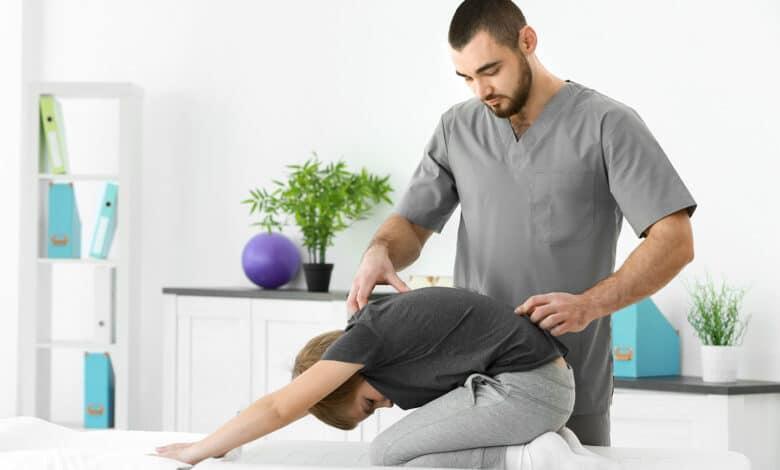
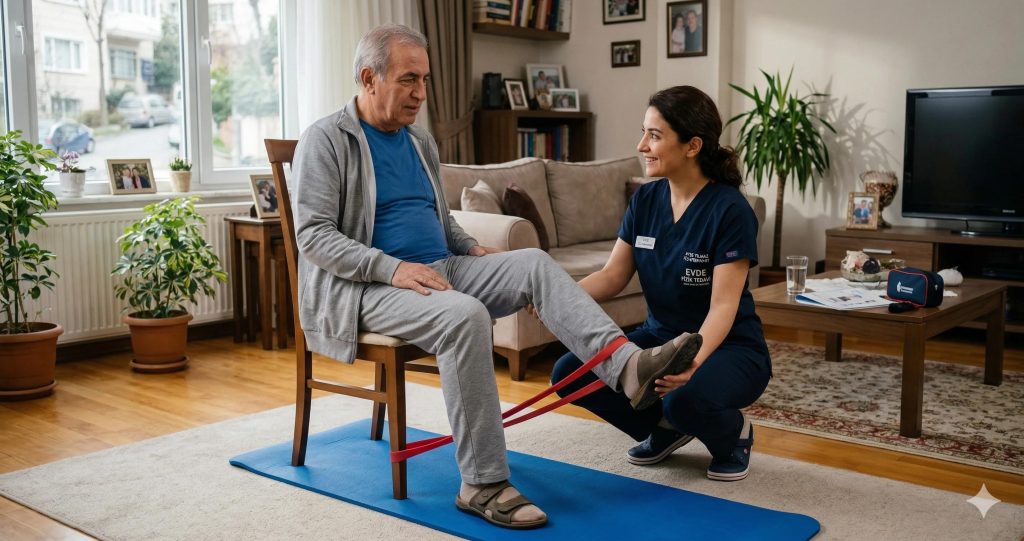
Physical Therapy for Osteoarthritis can be an important part of a conservative treatment plan. A physical therapist can assess movement, muscle strength, flexibility, balance, and daily activities before creating an exercise program suited to the individual. The goal is not simply to exercise more, but to use appropriate movements, progress gradually, and make activities easier and safer.
This guide explains seven potential benefits of physical therapy for osteoarthritis and describes practical exercises that may be included in a rehabilitation program. Exercise selection should be individualized, particularly if pain is severe, the joint is unstable, or other medical conditions are present.
What Is Osteoarthritis?

Osteoarthritis is a degenerative joint condition involving changes to cartilage and other tissues within and around a joint. It can lead to pain, stiffness, swelling, reduced range of motion, and difficulty performing normal activities. Symptoms can vary considerably from one person to another.
Osteoarthritis does not affect everyone in the same way. Some people have structural changes with relatively few symptoms, while others experience substantial pain and functional limitations. Factors such as age, previous joint injury, body weight, genetics, occupational demands, and activity levels can influence risk and symptoms.
Physical Therapy for Osteoarthritis focuses on improving the way a person moves and functions rather than promising to reverse joint changes. A personalized program may combine exercise, education, activity modification, and other techniques.
7 Powerful Benefits of Physical Therapy for Osteoarthritis
1. Helps Improve Muscle Strength

Muscles surrounding a painful joint can become weaker when a person reduces activity. For example, knee osteoarthritis may make someone avoid walking, squatting, or stairs, which can gradually reduce leg strength.
Targeted strengthening exercises can help build or maintain muscle capacity. Stronger muscles may improve support around the joint and make everyday movements easier.
A therapist can choose an appropriate starting level and gradually increase resistance or repetitions as strength improves. This gradual approach can be more useful than suddenly beginning a demanding workout.
2. Supports Better Joint Movement
Stiffness is a common osteoarthritis symptom. Limited movement can make simple tasks feel difficult and may encourage compensatory movement patterns.
Physical Therapy for Osteoarthritis can include gentle range-of-motion exercises designed to keep the joint moving within a comfortable and appropriate range. Depending on the affected joint, this may involve controlled bending and straightening, gentle hip movements, or mobility exercises for the spine.
The objective is to improve functional movement without repeatedly forcing a painful joint through an aggressive range.
3. Can Help Manage Pain
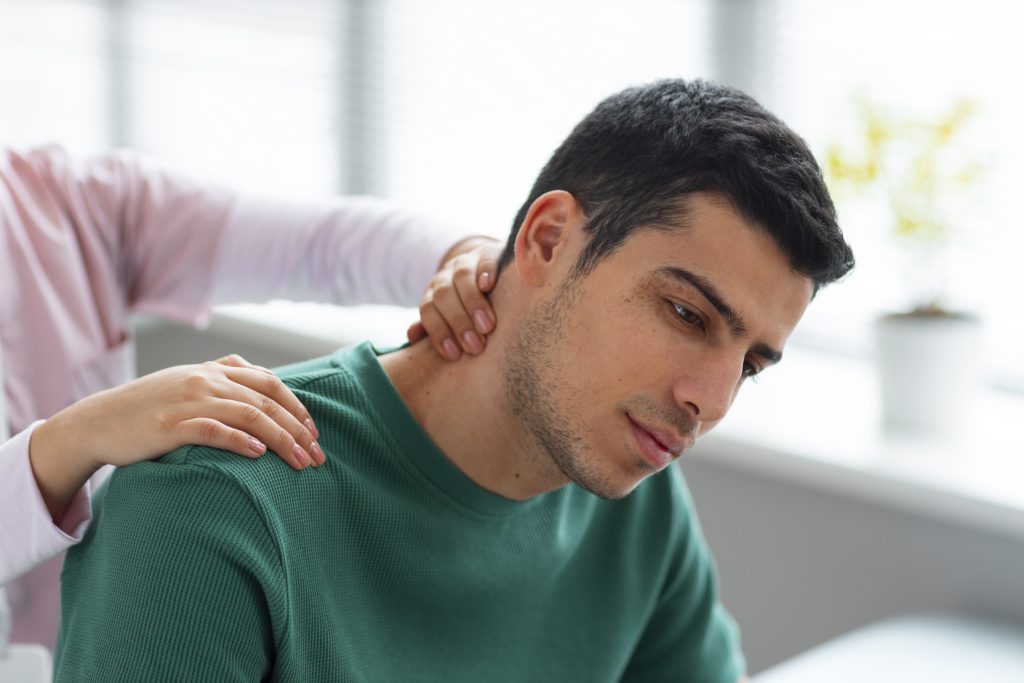
Exercise does not eliminate osteoarthritis, but appropriately selected physical activity can help many people manage pain and improve physical function.
A rehabilitation plan may combine strengthening, mobility work, aerobic activity, and education about pacing. The therapist can also help identify movements or activities that consistently aggravate symptoms and suggest practical modifications.
Pain responses vary. A little temporary muscle soreness after new exercise can be different from sharp or escalating joint pain. If symptoms repeatedly worsen after an exercise, the activity, intensity, or volume may need adjustment.
4. Improves Balance and Stability
Joint pain and muscle weakness can affect balance. This may be particularly important for people with knee or hip osteoarthritis who feel less confident when walking, turning, or using stairs.
Balance exercises can train coordination and control. Examples include supported single-leg standing, weight shifting, heel-to-toe walking, and controlled stepping exercises.
Physical Therapy for Osteoarthritis may incorporate balance training when it is appropriate for the person’s abilities and safety needs. Beginners should use a stable support surface and avoid challenging balance exercises alone if there is a significant fall risk.
5. Makes Daily Activities Easier
A successful rehabilitation program should connect exercise with real-life goals. Someone may want to walk farther, climb stairs more comfortably, return to gardening, or stand for longer periods.
A physical therapist can break these goals into manageable steps. Exercises may be selected to resemble the demands of daily activities while gradually improving strength, mobility, endurance, or balance.
This practical focus can make rehabilitation more meaningful because progress is measured not only by exercise repetitions but also by improvements in activities that matter to the person.
6. Encourages Safe Physical Activity
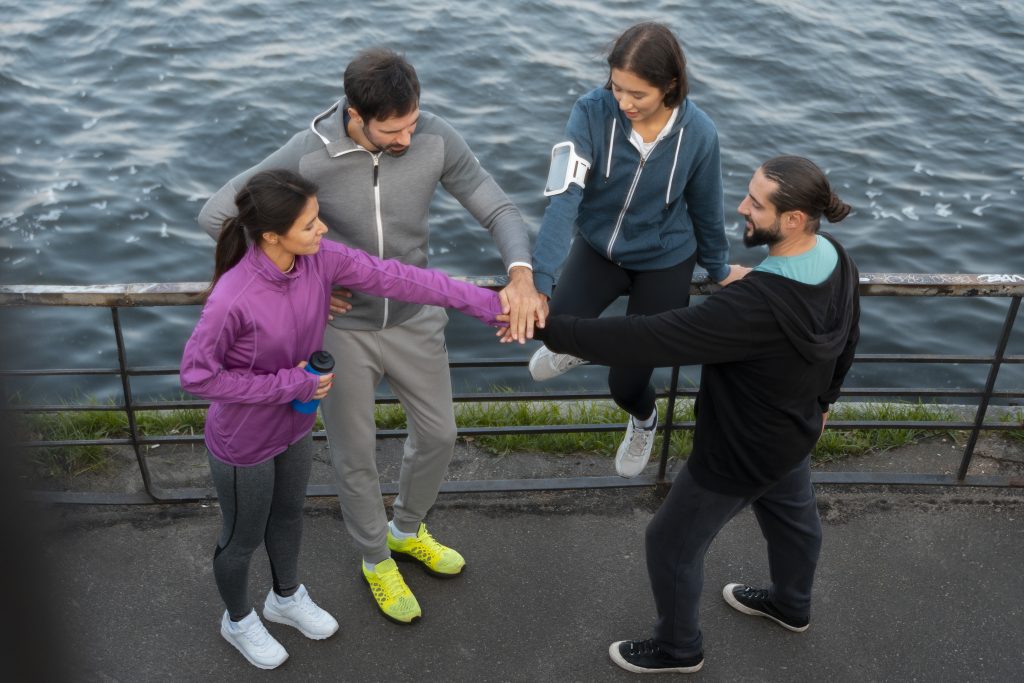
People with joint pain sometimes avoid exercise because they worry that movement will damage the joint. Avoiding activity completely, however, can contribute to weakness and reduced fitness.
Physical Therapy for Osteoarthritis can teach people how to stay active while respecting their symptoms and limitations. A therapist may recommend low-impact activities such as walking, cycling, swimming, or water-based exercise depending on the individual’s condition and preferences.
Learning how to warm up, pace activity, recover between sessions, and progress gradually can make exercise easier to maintain.
7. Provides a Personalized Treatment Plan

There is no single exercise routine that works for everyone with osteoarthritis. The affected joint, severity of symptoms, strength, mobility, balance, fitness, previous injuries, and personal goals all influence the appropriate program.
Physical Therapy for Osteoarthritis allows treatment to be adjusted according to an individual’s response. A therapist can modify repetitions, resistance, range of motion, rest periods, and exercise selection as the person progresses.
Personalization is especially useful when someone has multiple joint problems or finds that certain exercises consistently increase symptoms.
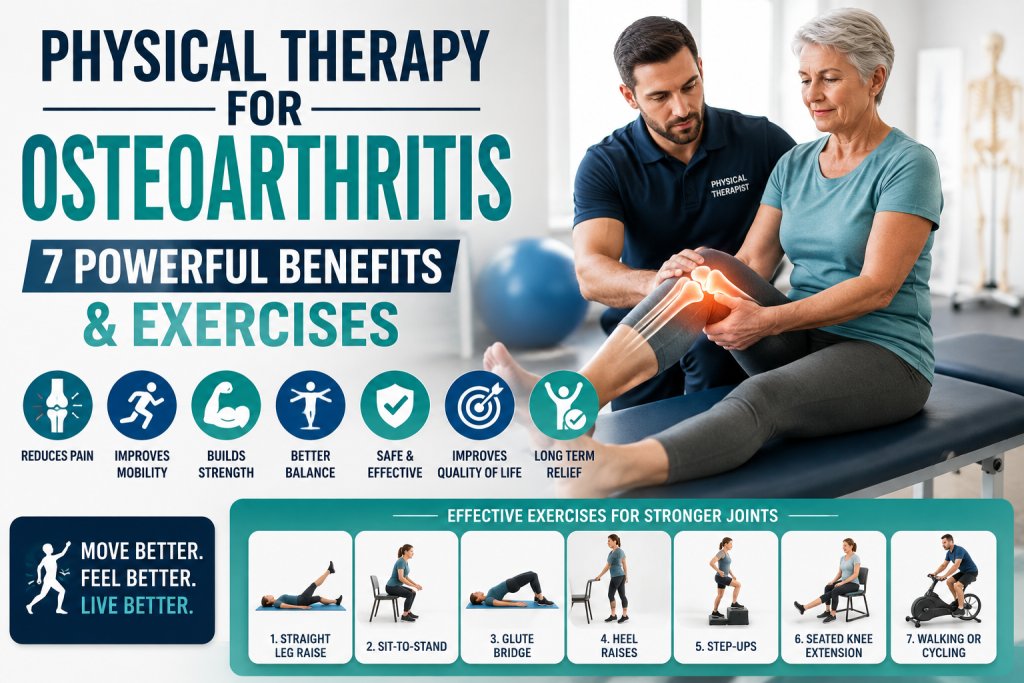
7 Exercises Commonly Used in Osteoarthritis Rehabilitation
The following exercises are examples that may be included in a rehabilitation program. They are not a substitute for an individual assessment. Stop an exercise and seek professional advice if it causes severe pain, significant swelling, dizziness, chest pain, or another concerning symptom.
1. Straight Leg Raise
Straight leg raises are commonly used to strengthen the muscles at the front of the thigh, particularly when knee function is a concern.
Lie on your back with one knee bent and the other leg straight. Tighten the thigh of the straight leg, then slowly raise it until it is roughly level with the opposite knee. Pause briefly and lower it with control.
Start with a small number of repetitions and focus on smooth movement. Avoid swinging the leg or rushing through the exercise.
2. Sit-to-Stand
Sit-to-stand exercises can strengthen the legs and practice a movement used frequently in daily life.
Sit near the front of a sturdy chair with your feet positioned comfortably beneath you. Lean forward slightly and stand up using your legs. Then slowly lower yourself back to the chair.
If the movement is difficult, use a higher chair or supportive armrests as appropriate. As strength improves, the exercise can be progressed gradually.
3. Glute Bridge
Glute bridges strengthen the muscles around the hips and buttocks, which can support functional lower-body movement.
Lie on your back with your knees bent and feet resting on the floor. Tighten your abdominal and buttock muscles, then gently lift your hips. Hold briefly before lowering slowly.
Keep the movement controlled and avoid excessive arching of the lower back.
4. Heel Raises
Heel raises can strengthen the calf muscles and help support walking and standing activities.
Stand behind a sturdy chair or near a stable counter for support. Slowly rise onto the balls of your feet, pause, and lower your heels with control.
Begin with both feet if needed. Balance and strength can be progressed gradually under professional guidance.
5. Step-Ups
Step-ups can help build leg strength and functional control for activities such as climbing stairs.
Use a low, stable step and hold a secure support if necessary. Place one foot on the step, push through the leg to rise, and then step down carefully.
The height of the step should match your current ability. Quality of movement is more important than using a high step.
6. Seated Knee Extension
This exercise can target the quadriceps without requiring a full standing position.
Sit upright in a sturdy chair. Slowly straighten one knee until the leg is comfortably extended, pause, and then lower it.
Keep the movement controlled. Do not force the knee into a painful range.
7. Gentle Walking or Cycling
Low-impact aerobic exercise can support cardiovascular fitness and general mobility. Walking may be suitable for some people, while stationary cycling or water-based exercise may be more comfortable for others.
Start with a manageable duration and increase activity gradually. If symptoms consistently become worse after a particular activity, discuss the response with a physical therapist or healthcare professional.
How Often Should You Exercise?
The right frequency depends on your condition, current fitness, exercise selection, and recovery. A therapist may recommend a combination of strengthening exercises several times per week and regular low-impact activity.
Consistency is generally more useful than doing an extremely hard session occasionally. Begin with a realistic routine that fits your schedule. As your body adapts, exercise duration, repetitions, resistance, or activity frequency can be increased gradually.
Keep track of how your joint responds during and after exercise. This can help you identify an appropriate level of activity.
How to Exercise Safely With Osteoarthritis
Safe exercise starts with choosing movements that match your current abilities. Warm up with several minutes of gentle movement before more demanding exercises. Use stable equipment and good technique.
Avoid suddenly increasing exercise volume. If you have been inactive for a long time, starting with short sessions may be more appropriate than attempting a long workout.
Swelling, significant pain, or a substantial decline in function should not simply be pushed through. Contact a qualified healthcare professional if symptoms are severe, persistent, or unusual.
Physical Therapy for Osteoarthritis may also include education about pacing. Instead of completing all demanding activities on one day, spreading them across the week can help some people manage symptoms more effectively.
Can Physical Therapy Prevent Osteoarthritis From Getting Worse?
Physical therapy cannot guarantee that osteoarthritis will stop progressing or that structural joint changes will reverse. However, improving strength, mobility, physical activity, and functional capacity may help a person manage symptoms and remain active.
The most useful goal is often improving quality of life and maintaining independence. Treatment should be based on the individual’s symptoms, goals, and overall health rather than on imaging findings alone.
When Should You See a Physical Therapist?
Consider speaking with a physical therapist if joint pain or stiffness is interfering with walking, work, exercise, sleep, or everyday activities. A therapist can assess movement and develop an appropriate exercise program.
Professional assessment can be particularly valuable if you are unsure which exercises are safe, have experienced a recent injury, have significant weakness, or have difficulty maintaining balance.
Physical Therapy for Osteoarthritis can also be useful when a person needs help returning to an activity after a period of reduced movement.
Lifestyle Habits That Can Support Joint Health
Exercise is only one part of managing osteoarthritis. Other habits may support overall health and function.
Maintaining a healthy body weight, when appropriate, can reduce the load placed on weight-bearing joints. Eating a balanced diet can provide nutrients needed for general health. Adequate sleep and stress management may also influence how a person experiences pain and fatigue.
Choosing enjoyable activities can improve consistency. Some people prefer walking, while others enjoy cycling, swimming, water exercise, or strength training.
The best long-term plan is one that is realistic, sustainable, and appropriate for the person’s health and goals.
Final Thoughts
Physical Therapy for Osteoarthritis can help people improve strength, mobility, balance, physical function, and confidence with movement. A well-designed program does not need to be complicated. Simple exercises such as sit-to-stands, bridges, heel raises, step-ups, knee extensions, and appropriate low-impact aerobic activities can form part of a broader rehabilitation plan.
The key is individualization and gradual progression. Osteoarthritis symptoms differ from person to person, so exercises should be adjusted according to pain, mobility, strength, and functional goals.
If joint pain is affecting your daily life, consider speaking with a qualified physical therapist or healthcare professional. With the right approach, many people can remain active and work toward better movement and quality of life.