
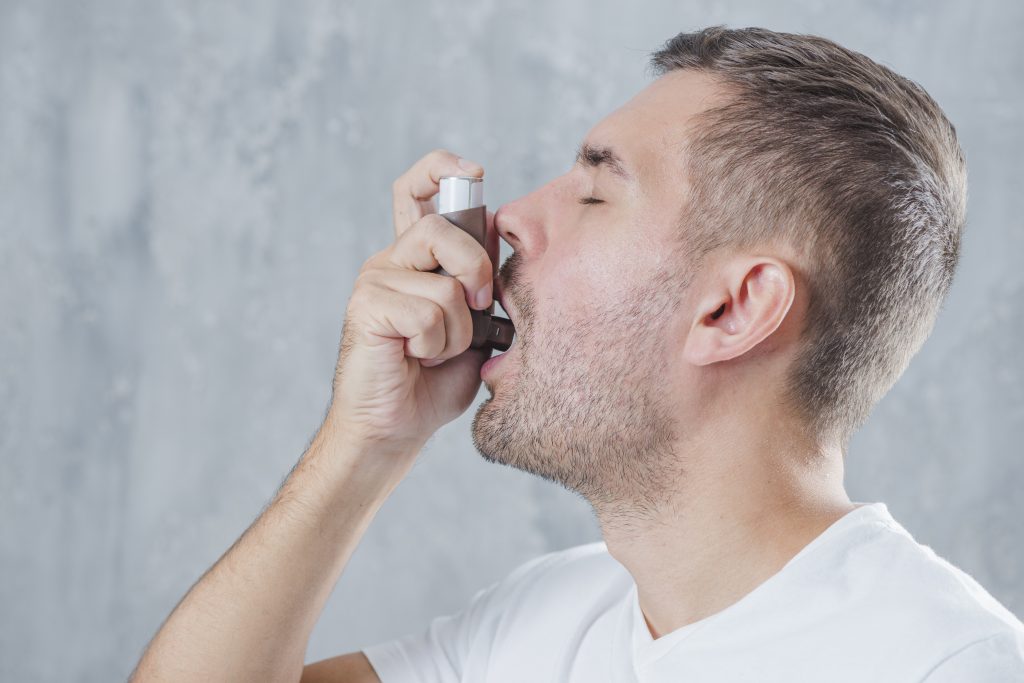
Signs and Symptoms of Asthma in Adults: 11 Powerful Warning Signs You Should Never Ignore
Introduction
Asthma is one of the most common chronic respiratory conditions affecting millions of adults around the world. Although many people develop asthma during childhood, it can also appear for the first time in adulthood. Adult-onset asthma is often overlooked because its symptoms may resemble allergies, respiratory infections, or even heart conditions. Understanding the Signs and Symptoms of Asthma in Adults is essential for early diagnosis, effective treatment, and preventing serious complications.
Asthma occurs when the airways become inflamed, swollen, and overly sensitive to certain triggers. These inflamed airways narrow, making it difficult for air to move in and out of the lungs. As a result, breathing becomes harder, and individuals may experience coughing, wheezing, chest tightness, and shortness of breath.
The severity of asthma varies from person to person. Some adults experience mild symptoms only during exercise or seasonal allergies, while others may have frequent attacks that interfere with work, sleep, and daily activities. Without proper management, asthma can significantly reduce quality of life and, in severe cases, become life-threatening.
Learning the Signs and Symptoms of Asthma in Adults helps people recognize early warning signs and seek medical care before symptoms become severe. This guide explains the causes, symptoms, risk factors, diagnosis, and treatment options for adult asthma while providing practical advice for managing the condition effectively.
What Is Asthma?

Asthma is a long-term inflammatory disease that affects the airways inside the lungs. In healthy lungs, air flows freely through open air passages. In people with asthma, these airways become inflamed and overly sensitive. Exposure to certain triggers causes the muscles around the airways to tighten while the lining swells and produces excess mucus.
These changes reduce airflow and make breathing more difficult. The symptoms may come and go or become persistent depending on the severity of the condition.
Understanding how asthma affects the lungs makes it easier to recognize the Signs and Symptoms of Asthma in Adults before the condition progresses.
Why Adults Develop Asthma

Many people assume asthma only affects children, but adult-onset asthma is becoming increasingly common. Several factors increase the risk of developing asthma later in life.
Environmental pollution, cigarette smoke, occupational exposure to chemicals or dust, allergies, obesity, respiratory infections, and family history all contribute to the development of adult asthma.
Hormonal changes, particularly in women, may also increase asthma risk during adulthood. Some adults develop symptoms after repeated exposure to workplace irritants, while others notice symptoms following a severe viral infection.
Recognizing these risk factors allows individuals to seek early evaluation if breathing problems develop.
Common Causes of Adult Asthma
Allergic Triggers
Many adults experience asthma symptoms after exposure to allergens. Dust mites, pollen, mold spores, pet dander, and cockroach allergens are among the most common triggers.
When sensitive individuals inhale these substances, the immune system overreacts, causing airway inflammation and narrowing.
Repeated exposure often increases the frequency and severity of asthma symptoms over time.
Respiratory Infections
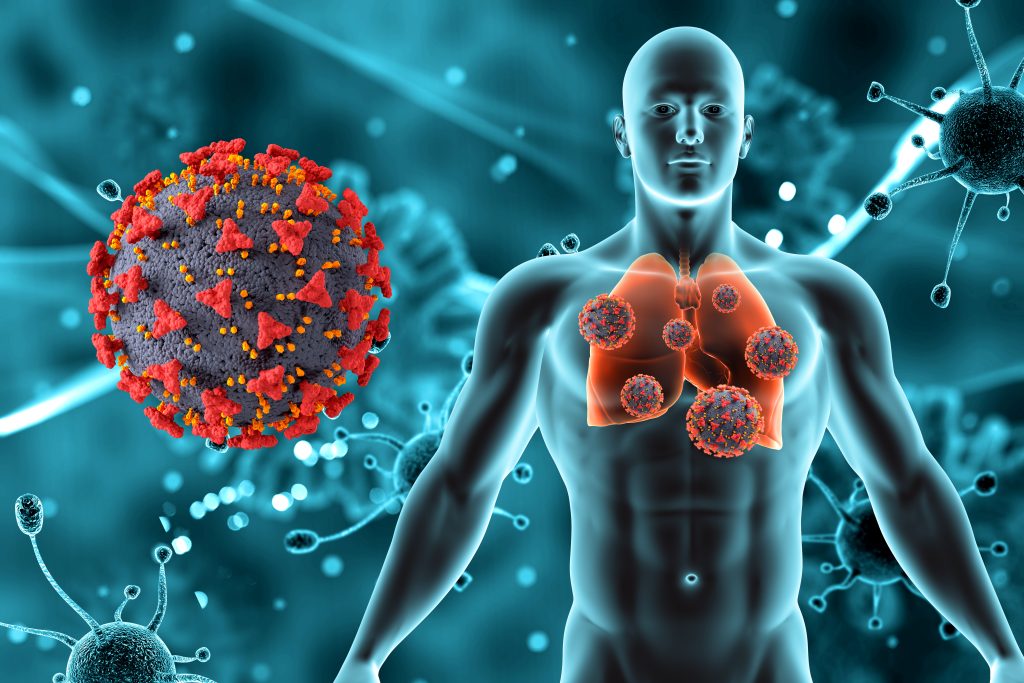
Viral infections such as influenza, the common cold, and COVID-19 may trigger asthma symptoms or worsen existing asthma.
Inflammation caused by these infections increases airway sensitivity, making breathing more difficult even after the infection has resolved.
Adults who experience persistent coughing after respiratory infections should consider medical evaluation.
Smoking and Air Pollution
Smoking remains one of the leading causes of chronic respiratory disease. Cigarette smoke irritates the airways, increases inflammation, and damages lung tissue.
Long-term exposure to polluted air, industrial chemicals, vehicle exhaust, or workplace dust also increases the likelihood of developing asthma.
Avoiding tobacco smoke significantly improves respiratory health and reduces asthma symptoms.
Exercise-Induced Asthma

Some adults experience asthma symptoms only during or after physical activity. Exercise increases breathing rate, allowing cooler and drier air to enter the lungs, which may trigger airway narrowing.
Exercise-induced asthma should not discourage physical activity. Proper treatment allows most individuals to remain active safely.
Early Signs and Symptoms of Asthma in Adults
The earliest Signs and Symptoms of Asthma in Adults are often mild and easily mistaken for other illnesses. Recognizing these warning signs allows treatment to begin before symptoms become severe.
Many adults notice occasional coughing, mild wheezing, or slight breathlessness during physical activity. Others experience symptoms only at night or during allergy season.
Early diagnosis often prevents worsening airway inflammation and improves long-term asthma control.
Persistent Cough
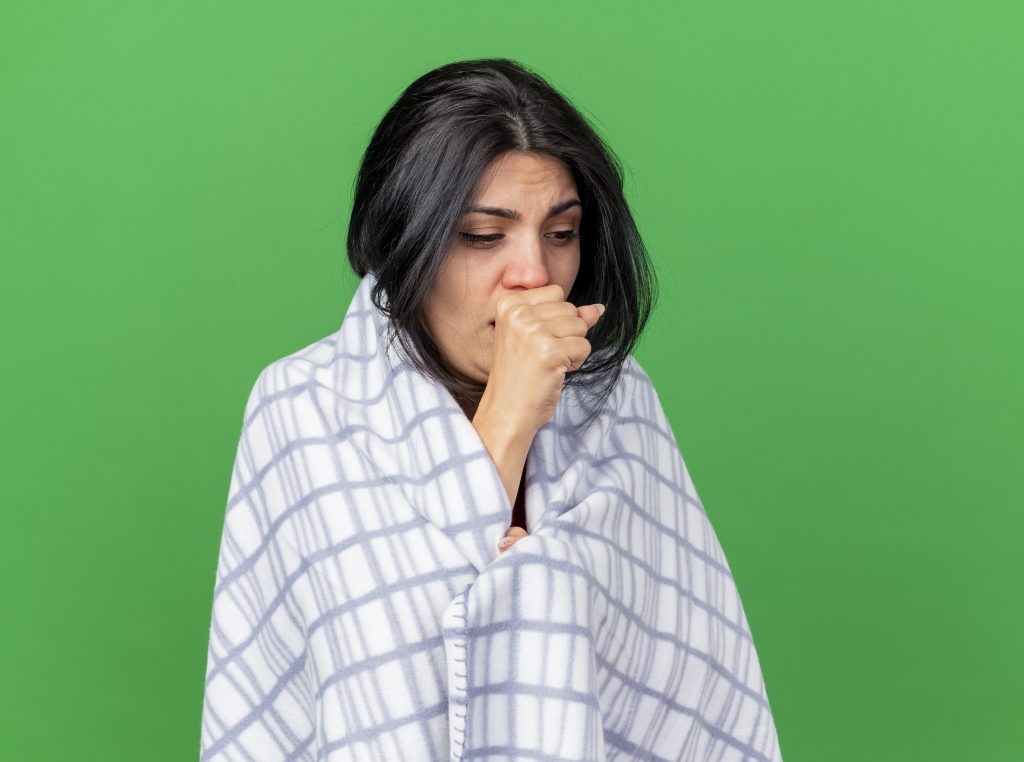
A persistent cough lasting several weeks is one of the most common asthma symptoms in adults. Unlike a temporary cough caused by infection, asthma-related coughing often becomes worse at night, early in the morning, or after exercise.
Some individuals experience coughing without wheezing, making diagnosis more challenging.
Healthcare providers often consider asthma when a chronic cough does not improve with routine treatment.
Wheezing
Wheezing is a high-pitched whistling sound heard while breathing, particularly during exhalation.
It develops because narrowed airways restrict airflow through the lungs.
Although wheezing commonly occurs during asthma attacks, some adults experience it only occasionally when exposed to triggers.
Recognizing wheezing is an important step in identifying the Signs and Symptoms of Asthma in Adults.
Shortness of Breath
Shortness of breath is another hallmark symptom of asthma. Many adults feel unable to take a full breath or notice difficulty breathing during physical activity.
As airway narrowing becomes more severe, even climbing stairs or walking short distances may become challenging.
Shortness of breath that occurs repeatedly should always be evaluated by a healthcare professional.
Chest Tightness

Many people with asthma describe a feeling of pressure or tightness across the chest.
This sensation develops because the muscles surrounding the airways contract during asthma flare-ups.
Chest tightness may occur before wheezing becomes noticeable, making it one of the earliest warning signs.
Difficulty Sleeping Due to Breathing Problems
Nighttime symptoms are common in adults with asthma.
Many individuals wake repeatedly because of coughing, wheezing, chest tightness, or breathlessness.
Poor sleep quality often leads to daytime fatigue, reduced concentration, and lower productivity.
Frequent nighttime symptoms usually indicate poorly controlled asthma requiring medical attention.
Why Asthma Symptoms Are Often Worse at Night
Nighttime worsening of the Signs and Symptoms of Asthma in Adults occurs because the body’s natural hormone levels change during sleep.
Airways become slightly narrower during the night, while lying flat may allow mucus to accumulate more easily.
Exposure to bedroom allergens such as dust mites or pet dander can further increase inflammation and trigger symptoms.
Improving bedroom air quality and following prescribed asthma treatment often reduces nighttime attacks.
Risk Factors That Increase Asthma Severity
Several factors make asthma symptoms more severe or difficult to control.
Smoking remains one of the strongest risk factors. Obesity places additional stress on the respiratory system, making breathing more difficult. Chronic sinus infections, untreated allergies, acid reflux disease, and exposure to workplace irritants also worsen asthma symptoms.
Poor medication adherence and delayed medical care further increase the likelihood of severe asthma attacks.
Understanding these risk factors allows adults to make lifestyle changes that improve long-term respiratory health.
Diagnosis of Asthma in Adults
Recognizing the Signs and Symptoms of Asthma in Adults is only the first step. A proper medical diagnosis is necessary to confirm the condition and rule out other diseases that may cause similar breathing problems. Conditions such as chronic obstructive pulmonary disease (COPD), pneumonia, heart disease, and anxiety disorders can sometimes mimic asthma symptoms.
A healthcare provider will begin by discussing your medical history, family history of asthma or allergies, lifestyle, and the situations that trigger your symptoms. A physical examination will include listening to your lungs for wheezing or other abnormal breathing sounds.
One of the most common diagnostic tests is spirometry. This breathing test measures how much air you can inhale and exhale and how quickly you can empty your lungs. Reduced airflow that improves after using a bronchodilator strongly suggests asthma.
Peak flow monitoring may also be recommended to measure how well your lungs function over time. In some cases, allergy testing, chest X-rays, blood tests, or bronchial challenge tests are performed to identify triggers or exclude other respiratory conditions.
An early diagnosis allows treatment to begin before airway inflammation becomes more severe.
Treatment Options for Adult Asthma
Treatment focuses on controlling symptoms, reducing airway inflammation, preventing asthma attacks, and improving overall lung function. The appropriate treatment plan depends on the severity of the disease, symptom frequency, and individual health needs.
The primary goal is to allow adults to live active, healthy lives without frequent breathing difficulties. Most patients achieve excellent symptom control when medications are combined with healthy lifestyle changes and trigger avoidance.
Understanding the Signs and Symptoms of Asthma in Adults also helps patients recognize when treatment adjustments are needed.
Quick-Relief Medications
Quick-relief inhalers, often called rescue inhalers, work by relaxing the muscles surrounding the airways. These medications provide rapid relief during asthma attacks by opening narrowed air passages and improving airflow within minutes.
Although rescue inhalers are highly effective for immediate symptom relief, frequent use may indicate poorly controlled asthma. Individuals who rely on their rescue inhaler several times each week should consult their healthcare provider.
Long-Term Controller Medications
Long-term controller medications reduce inflammation inside the airways and help prevent future asthma attacks. Inhaled corticosteroids remain one of the most effective long-term treatments because they decrease airway swelling and reduce sensitivity to triggers.
Some adults may also require combination inhalers containing both corticosteroids and long-acting bronchodilators. These medications provide better symptom control for moderate to severe asthma.
Taking controller medications exactly as prescribed is essential, even when symptoms improve.
Lifestyle Changes That Improve Asthma Control
Healthy lifestyle habits play a major role in managing asthma successfully. Avoiding cigarette smoke is one of the most important steps because smoking worsens airway inflammation and reduces the effectiveness of asthma medications.
Maintaining a healthy body weight also improves breathing by reducing pressure on the lungs. Regular physical activity strengthens the respiratory muscles and improves overall fitness, although exercise programs should be discussed with a healthcare provider if exercise triggers symptoms.
Eating a balanced diet rich in fruits, vegetables, whole grains, and lean protein supports the immune system and reduces inflammation. Drinking enough water helps keep mucus thin and easier to clear from the airways.
Adequate sleep, stress management, and regular medical checkups further contribute to long-term asthma control.
Avoiding Common Asthma Triggers
Learning to avoid triggers is an important part of controlling the Signs and Symptoms of Asthma in Adults. While triggers vary between individuals, some are particularly common.
House dust mites, pollen, pet dander, mold, cigarette smoke, strong perfumes, air pollution, cold air, respiratory infections, and workplace chemicals frequently provoke asthma symptoms.
Keeping the home clean, using air filters when appropriate, washing bedding regularly, and avoiding tobacco smoke help reduce exposure to these irritants. People with allergies should work with their healthcare provider to identify and manage their specific triggers.
Can Asthma Be Prevented?
Although asthma cannot always be prevented, several healthy habits may reduce the risk of developing severe symptoms. Avoiding smoking and secondhand smoke, maintaining a healthy weight, treating allergies promptly, exercising regularly, and reducing exposure to environmental pollutants all support better lung health.
Early recognition of the Signs and Symptoms of Asthma in Adults also helps prevent serious complications because treatment can begin before airway damage becomes more severe.
People with a family history of asthma should pay particular attention to persistent respiratory symptoms and seek medical evaluation when necessary.
When Should You Seek Emergency Medical Care?
Some asthma attacks become medical emergencies and require immediate treatment. Adults should seek emergency medical care if breathing becomes extremely difficult, speaking complete sentences becomes impossible, the lips or fingernails develop a bluish color, or rescue inhalers fail to provide relief.
Rapid breathing, severe chest tightness, confusion, or extreme fatigue are also warning signs of a serious asthma attack. Delaying treatment during a severe attack may lead to life-threatening complications.
Understanding emergency warning signs can save lives.
Possible Complications of Untreated Asthma
Untreated asthma can lead to significant health problems over time. Persistent airway inflammation may gradually reduce lung function and increase the frequency of severe asthma attacks.
Poorly controlled asthma often interferes with work, physical activity, sleep quality, and emotional well-being. Frequent hospital visits, repeated respiratory infections, and permanent airway remodeling may occur in severe cases.
Recognizing the Signs and Symptoms of Asthma in Adults early and following an appropriate treatment plan greatly reduces the risk of these complications.
Living Well with Adult Asthma
Most adults with asthma can enjoy a normal, active lifestyle when the condition is managed properly. Following prescribed medications, attending regular medical appointments, exercising safely, and avoiding known triggers all contribute to long-term symptom control.
Monitoring symptoms regularly also helps detect changes before they become serious. Many healthcare providers recommend keeping an asthma action plan that explains how to respond when symptoms worsen.
Education plays an important role in asthma management. Patients who understand their condition are more likely to follow treatment recommendations and recognize warning signs early.
Conclusion
The Signs and Symptoms of Asthma in Adults should never be ignored because early diagnosis and proper treatment can prevent serious complications and significantly improve quality of life. Symptoms such as persistent coughing, wheezing, shortness of breath, chest tightness, and nighttime breathing difficulties often indicate airway inflammation that requires medical evaluation.
Although asthma is a chronic condition, it can usually be controlled successfully with appropriate medications, healthy lifestyle habits, and avoidance of known triggers. Regular medical follow-up and adherence to prescribed treatment allow most adults to continue working, exercising, and participating in daily activities without major limitations.
If you notice recurring breathing problems or any of the Signs and Symptoms of Asthma in Adults, consult a qualified healthcare professional as soon as possible. Early intervention provides the best opportunity for long-term asthma control and healthier lungs.
Frequently Asked Questions
Can adults develop asthma later in life?
Yes. Adult-onset asthma is common and may develop due to allergies, respiratory infections, environmental exposure, hormonal changes, or genetic factors.
What is the most common symptom of adult asthma?
Persistent coughing, wheezing, shortness of breath, and chest tightness are among the most common symptoms experienced by adults with asthma.
Is asthma curable?
There is currently no permanent cure for asthma, but most people successfully control the condition through medications, trigger avoidance, and healthy lifestyle habits.
When should I see a doctor?
You should seek medical advice if you experience recurring coughing, wheezing, shortness of breath, chest tightness, or nighttime breathing problems, especially if these symptoms interfere with your daily activities or continue to worsen.