Heel Pain After Running: 9 Powerful Relief Tips
Running is one of the best ways to improve cardiovascular fitness, strength, and overall health. However, repeated impact on the feet can sometimes lead to discomfort, especially around the heel. Heel pain after running may develop gradually from overuse, changes in training, unsuitable footwear, tight calf muscles, or an underlying foot problem.
The exact cause matters because heel pain can come from several conditions, including plantar fasciitis, Achilles tendon problems, bursitis, heel-pad irritation, or a stress injury. Most cases improve with appropriate activity modification, stretching, strengthening, supportive footwear, and gradual return to running.
What Causes Heel Pain After Running?
Heel pain after running is often associated with repeated stress placed on the muscles, tendons, ligaments, and bones of the foot. A sudden increase in mileage or running intensity can overload tissues that are not prepared for the additional demand.
Some runners develop pain after changing from a treadmill to outdoor running, increasing hill training, running on hard surfaces, or returning to exercise after a long break. Poor recovery, worn-out shoes, reduced flexibility, and weakness can also contribute to running-related foot problems.
Here are nine common causes.
1. Plantar Fasciitis
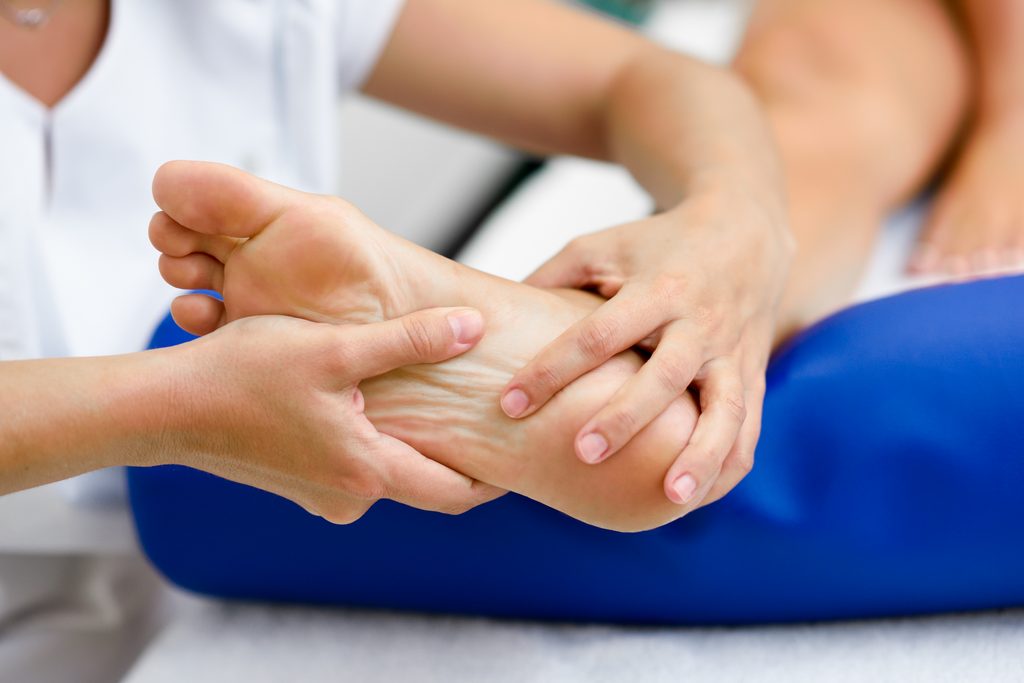
Plantar fasciitis is one of the most common causes of pain underneath the heel. The plantar fascia is a strong band of connective tissue that supports the bottom of the foot.
Running, jumping, tight calf muscles, changes in training, and repetitive loading can increase stress on this tissue. Pain may be particularly noticeable when taking the first steps after rest.
2. Achilles Tendon Problems
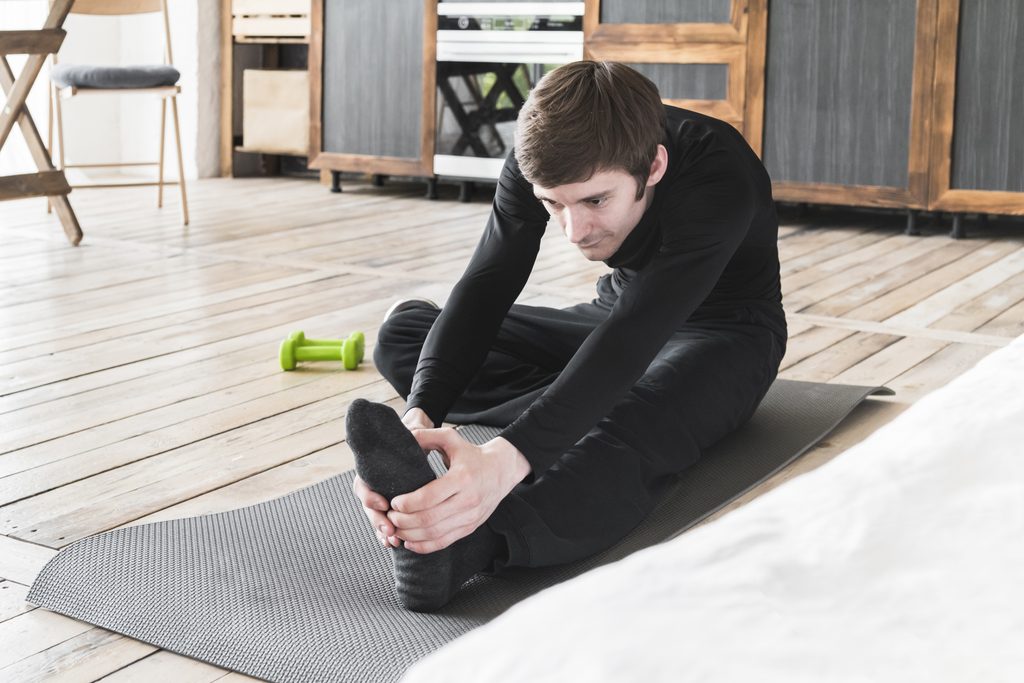
The Achilles tendon connects the calf muscles to the heel bone. Repetitive running can place substantial stress on this tendon, particularly when mileage or intensity increases too quickly.
Achilles-related discomfort is usually felt at the back of the heel and may be accompanied by stiffness, tenderness, swelling, or weakness. Runners are particularly susceptible because the tendon repeatedly absorbs and transfers force during running.
3. Heel Bursitis
Bursae are small fluid-filled structures that help reduce friction around joints and tendons. Excessive running, jumping, or pressure from footwear can irritate a bursa around the heel.
Symptoms may include tenderness, swelling, warmth, and discomfort when standing on your toes. Rapidly increasing exercise intensity can increase the risk.
4. Heel Fat Pad Irritation
The heel contains a natural fat pad that helps absorb impact. Repetitive high-impact activities such as running can place stress on this cushioning structure.
Pain from heel-pad irritation may feel deep or bruise-like and can become worse when running, standing for long periods, or walking barefoot on hard surfaces.
5. Stress Injury
Repeated impact can occasionally cause a stress injury to the heel bone. This is more concerning than ordinary muscle soreness.
Pain may initially appear during running but can become more persistent as the problem progresses. If discomfort continues even after reducing activity, professional assessment is important.
6. Worn-Out Running Shoes
Running shoes gradually lose cushioning and support. Although there is no single replacement schedule that works for everyone, heavily worn shoes may contribute to discomfort when combined with high training loads.
Shoes should fit comfortably and provide appropriate support for your individual needs.
7. Sudden Training Changes
Increasing your mileage, speed, hills, or frequency too quickly can overload the tissues of your feet and ankles.
A gradual training progression gives the body time to adapt. If you suddenly double your running distance or add intense hill sessions, your heels may receive much more stress than they can currently tolerate.
8. Tight Calf Muscles
Limited calf flexibility can affect ankle movement and increase stress through the foot during walking and running.
Regular mobility work may help improve movement, although exercises should be selected according to the underlying cause of pain rather than simply performed because the heel hurts.
9. Poor Recovery
Training hard every day without enough recovery can increase the risk of overuse problems.
Rest days, adequate sleep, sensible training progression, and cross-training can help reduce repetitive stress. Running injuries are often influenced by training volume, recovery, strength, flexibility, running technique, and footwear.
How to Relieve Heel Pain After Running
If you develop heel pain after running, the first step is to reduce or temporarily stop activities that clearly make your symptoms worse. Continuing to push through significant pain can delay recovery.

1. Reduce Running Load
You do not necessarily have to stop all physical activity. Instead, reduce the activity that provokes your symptoms.
Depending on your condition, low-impact activities such as swimming or cycling may allow you to maintain fitness while reducing repetitive impact on the heel.
2. Use Cold Therapy
A cold pack wrapped in a towel can be used for short periods after activity to help manage discomfort. Avoid placing ice directly against your skin.
If your pain is severe, persistent, or associated with significant swelling, cold therapy should not replace professional assessment.
3. Stretch the Calves
Gentle calf stretching may be useful when calf tightness contributes to foot stress.
A simple wall stretch can be performed by placing your hands against a wall, stepping one leg behind you, keeping the heel down, and gently shifting your body forward.
Do not force the stretch or continue if it causes sharp pain.
4. Strengthen the Foot and Calf
Strengthening exercises can help improve the ability of the lower leg and foot to tolerate running demands.
Depending on your condition, a physiotherapist may recommend calf raises, foot-strengthening exercises, balance work, or progressive resistance exercises.
5. Check Your Running Shoes
Look at your shoes for excessive wear, poor fit, or inadequate comfort. A supportive and appropriately fitted shoe can reduce unnecessary irritation.
If you frequently experience heel pain after running, consider whether your footwear changed around the same time your symptoms appeared.
6. Return to Running Gradually
Once symptoms improve, avoid immediately returning to your previous mileage.
Start with shorter, easier sessions and gradually increase distance and intensity. If pain returns or becomes progressively worse, reduce the training load and seek professional advice.
Helpful Exercises for Heel Recovery
Exercises should depend on the underlying cause, but several movements are commonly used in rehabilitation.
Calf Stretch
Stand facing a wall with one leg behind you. Keep the rear heel on the floor and gently bend the front knee. Hold the stretch for around 20 to 30 seconds and repeat several times if comfortable.
Bent-Knee Calf Stretch
Use a similar position but slightly bend the back knee while keeping the heel down. This changes the emphasis within the calf complex.
Controlled Calf Raises
Stand near a stable surface for support. Slowly rise onto your toes and then lower your heels under control.
Begin with a comfortable number of repetitions and progress gradually as tolerated.
Foot Mobility
Gentle foot and ankle movements can help maintain mobility. Move the ankle slowly through a comfortable range without forcing painful positions.
If an exercise increases your symptoms significantly, stop and ask a physiotherapist for individualized guidance.
When Should You Stop Running?
Mild muscle fatigue is different from pain that signals an injury. If running produces sharp, increasing, or persistent heel pain, continuing the session may not be the best choice.
You should consider professional assessment if your heel pain after running makes walking difficult, continues despite reducing activity, or keeps returning whenever you resume running.
You should seek prompt medical evaluation if you have severe pain, significant swelling, an inability to bear weight, a sudden injury, or symptoms suggesting a fracture or tendon injury. Persistent pain can sometimes indicate a condition that requires more specific treatment.
How to Prevent Future Heel Pain
Preventing heel pain after running starts with managing training stress rather than simply stretching more.
Increase mileage gradually and allow your body enough recovery between demanding workouts. Avoid suddenly adding large amounts of speed work, hills, or long-distance sessions.
Wear comfortable running shoes that fit correctly, warm up before harder workouts, and maintain strength and flexibility throughout the lower body.
Running on softer surfaces may also reduce repetitive impact for some runners. However, changing surfaces should also be done gradually rather than suddenly.
Can Physiotherapy Help?
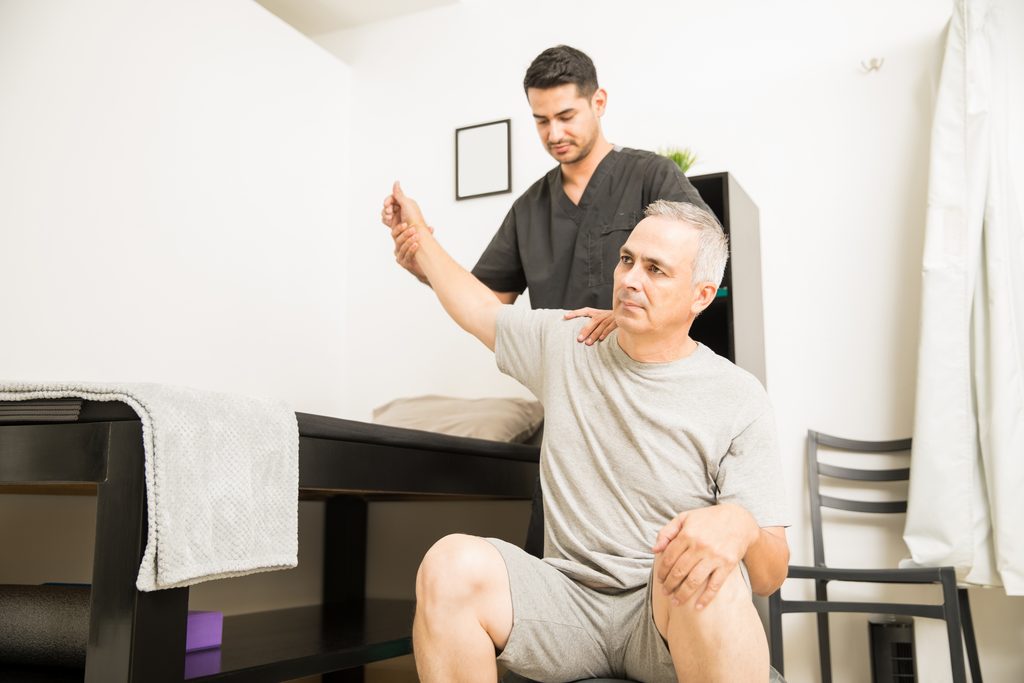
Yes. Physiotherapy can be particularly helpful when heel pain after running repeatedly interferes with your training.
A physiotherapist can assess your foot and ankle movement, calf flexibility, strength, running-related loading, and other factors that may contribute to symptoms. Treatment may include exercise therapy, manual techniques, education, activity modification, and a gradual return-to-running program.
The goal is not simply to reduce pain temporarily. A good rehabilitation program should also improve the capacity of the tissues involved so that you can return to your normal activities more confidently.
Final Thoughts
Heel pain after running is common, but it should not automatically be considered something you have to tolerate as a runner. The cause may range from plantar fasciitis and Achilles tendon irritation to bursitis, heel-pad problems, training errors, or a stress injury.
The most effective approach is to identify what is causing the symptoms, reduce excessive loading, use appropriate exercises, check footwear, and return to running gradually. If your pain is severe, persistent, or repeatedly returns, getting assessed by a qualified healthcare professional or physiotherapist is the safest option.
With the right approach, many runners can manage heel problems successfully and gradually return to comfortable running.