How to Relieve Sciatica Pain Fast at Home: 9 Proven Tips
Sciatica can cause sharp, burning, or electric-like pain that travels from the lower back or buttock down the leg. It may also cause tingling, numbness, or weakness. Because the discomfort can make sitting, walking, sleeping, and everyday activities difficult, many people search for ways to get relief at home.
If you are wondering how to relieve sciatica pain fast at home, the first step is understanding that there is no single remedy that works for everyone. Sciatica has different causes, and the most appropriate approach depends on your symptoms and overall health.
For many people, gentle movement, changing positions, using heat or cold, avoiding aggravating activities, and gradually returning to normal activity can help manage symptoms. Most people improve over time, although recovery can vary.
This guide explains practical strategies you can try at home while also covering when professional or urgent medical care is necessary.
What Is Sciatica?
Sciatica describes pain that follows the path of the sciatic nerve, which travels from the lower back through the buttocks and into the leg. It commonly affects one side of the body.
A herniated disc is one common cause, but bone spurs and other conditions that irritate or compress nerve roots in the lower spine can also produce sciatica symptoms.
Symptoms may include:
- Sharp or burning pain
- Pain traveling into the buttock or leg
- Tingling or pins and needles
- Numbness
- Weakness in the leg or foot
- Symptoms that become worse with prolonged sitting, coughing, or sneezing
If you are trying to understand how to relieve sciatica pain fast at home, it is important to recognize that severe or unusual symptoms should not simply be treated with home remedies.
How to Relieve Sciatica Pain Fast at Home
1. Keep Moving Gently
One of the most important things you can do is avoid prolonged inactivity.
When pain is severe, you may naturally want to stay in bed or sit for long periods. Short periods of rest can be comfortable, but prolonged inactivity may make you stiffer and can make returning to normal activity harder.
Instead, try gentle movement that does not significantly increase your symptoms. A short walk around your home or outside may be a reasonable starting point.
You can begin with just a few minutes and gradually increase your walking time as tolerated.
The goal is not to push through severe pain. If an activity clearly makes your leg symptoms worse, stop and choose a gentler option.
NHS guidance recommends staying active and gradually returning to normal activities rather than remaining inactive for long periods.
2. Try Cold Therapy During the Early Stage
Cold therapy may help reduce discomfort during the early stage of a painful flare-up.
Place a cold pack wrapped in a towel over the painful area for a short period. Never place ice directly against your skin because it can cause skin damage.
Mayo Clinic notes that a cold pack can be used for up to about 20 minutes at a time, several times a day.
If you have reduced sensation in the area, be particularly careful with cold therapy because you may not notice excessive cold or skin irritation.
If cold makes your symptoms worse, discontinue it.
3. Use Heat if It Feels More Comfortable
Heat is another option when dealing with sciatica symptoms. Some people find warmth relaxing, particularly when surrounding muscles feel tight or uncomfortable.
A heating pad on a low setting, warm shower, or hot-water bottle wrapped appropriately can be used for short periods.
Mayo Clinic notes that heat can be used after the first couple of days and that some people may benefit from alternating heat and cold.
Do not fall asleep while using a heating pad, and protect your skin from burns.
When considering how to relieve sciatica pain fast at home, remember that heat and cold are comfort measures. They may reduce symptoms temporarily but do not necessarily address the underlying cause.
4. Change Your Sitting Position Frequently
Long periods of sitting can aggravate symptoms for some people with sciatica.
If sitting makes your leg pain worse, avoid staying in the same position for a long time. Stand up, walk around briefly, or change your position regularly.
Try to sit with your back supported and both feet comfortably positioned. A small rolled towel or lumbar support may help some people maintain a comfortable lower-back position.
Avoid slouching for extended periods if it increases your symptoms.
If your job requires sitting at a desk, consider taking short movement breaks throughout the day.
5. Find a Comfortable Sleeping Position
Pain can become especially frustrating at night. There is no single sleeping position that works for everyone with sciatica.
Some people find it more comfortable to sleep on their side with a pillow between the knees. Others prefer lying on their back with a pillow under the knees.
The purpose is to find a position that reduces pressure and allows you to sleep comfortably.
Avoid forcing yourself into a position simply because someone else recommends it. If a position increases your leg pain, try another.
Good-quality sleep is also important for recovery and general well-being. NHS guidance recommends paying attention to sleep as part of managing sciatica symptoms.
6. Try Gentle Exercises
Gentle exercise can be helpful for some people with sciatica, but the correct exercise depends on the individual and the cause of symptoms.
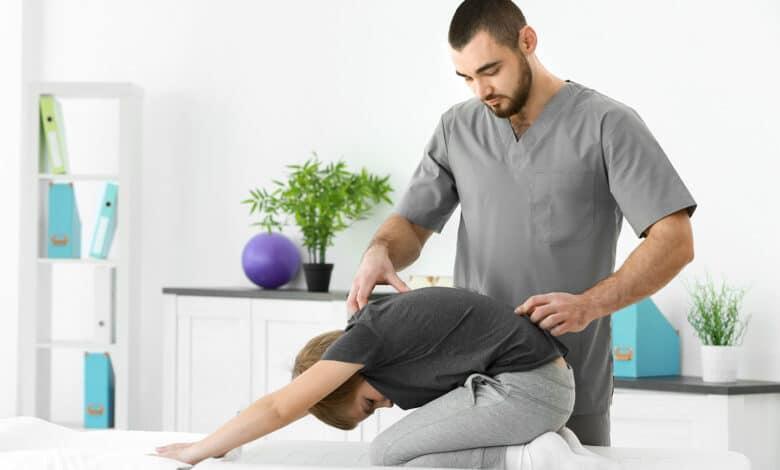
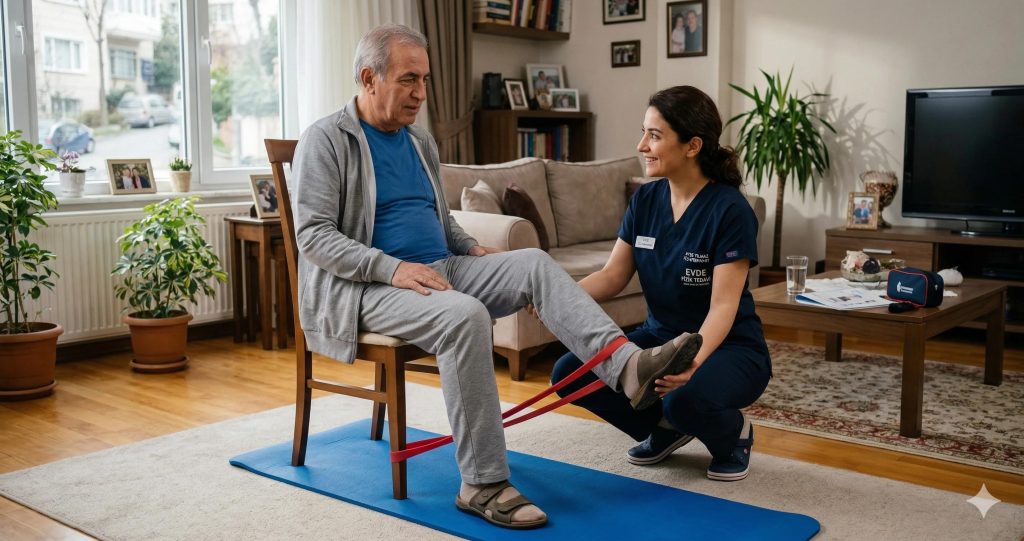
Simple walking is often a practical starting point. Some people may also benefit from gentle mobility exercises recommended by a physical therapist.
NHS provides general sciatica exercise guidance but emphasizes that people with symptoms or health concerns should seek professional advice when they are unsure whether an exercise is suitable.
Avoid aggressive stretching, bouncing, or forcing your spine into uncomfortable positions.
If an exercise causes increased pain that travels farther down your leg, stop it rather than trying to push through.
7. Avoid Activities That Trigger Your Symptoms
Learning how to relieve sciatica pain fast at home is not only about adding helpful activities. It is also about temporarily reducing movements that aggravate your symptoms.
Depending on your condition, these may include:
- Heavy lifting
- Repeated bending
- Twisting while lifting
- Long periods of sitting
- High-impact exercise
- Sudden increases in workout intensity
- Movements that clearly increase leg pain
This does not mean you should avoid movement completely.
Instead, modify activities until your symptoms settle. As you improve, gradually return to normal activities.
Mayo Clinic recommends using the body correctly when lifting, keeping heavy loads close, using the legs, and avoiding lifting and twisting at the same time.
8. Consider Over-the-Counter Pain Relief Carefully
Some people use over-the-counter pain medicines during a sciatica flare-up. Anti-inflammatory medicines such as ibuprofen or naproxen may help some people, but they are not suitable for everyone.
For example, certain medical conditions, medications, allergies, pregnancy, kidney problems, stomach ulcers, or other factors can affect whether an anti-inflammatory medicine is appropriate.
Do not assume that a medicine is safe simply because it is available without a prescription.
Mayo Clinic lists anti-inflammatory medicines among treatments that may be used for sciatica, while NHS advises people to check with a pharmacist or healthcare professional if they are unsure which painkiller is appropriate.
If you take other medicines or have an underlying health condition, ask a pharmacist or doctor before using an over-the-counter painkiller.
9. Gradually Return to Normal Activities
Once your symptoms begin improving, try not to stay overly cautious forever.
Gradually increasing normal activity can help you rebuild strength, confidence, and mobility.
For example, if you normally walk for 30 minutes but can currently tolerate only 10 minutes, start with a shorter duration and gradually increase it.
You can also slowly return to household tasks, work activities, and exercise.
Physical therapy can be particularly useful when symptoms persist or return. A physical therapist can assess movement, identify contributing factors, and develop exercises to improve strength, flexibility, and function. Mayo Clinic notes that physical therapy programs may include exercises for posture, core strength, and range of motion.
What Should You Avoid When You Have Sciatica?
If you are learning how to relieve sciatica pain fast at home, avoid assuming that complete bed rest is the answer.
Staying in bed for prolonged periods may contribute to stiffness and reduced activity. Instead, use short periods of rest when necessary and continue gentle movement as tolerated.
You should also avoid exercises that clearly worsen your symptoms.
For example, if repeated forward bending increases your leg pain, temporarily reduce activities involving frequent bending and seek professional guidance about alternative movements.
Do not force stretches because a particular exercise is advertised online as a “sciatica cure.”
There is no universal exercise that instantly fixes every case of sciatica.
Can Sciatica Go Away on Its Own?
Yes, many people with sciatica improve with time and conservative management.
Mayo Clinic states that sciatica caused by a herniated disc can clear up over several weeks to months, while Cambridge University Hospitals notes that many people improve within three months.
However, recovery varies.
If your pain is severe, worsening, persistent, or accompanied by neurological symptoms, you should seek medical advice rather than relying entirely on home treatment.
When Should You See a Doctor?
Home care may be reasonable for mild symptoms, but professional evaluation is appropriate if the pain is severe, getting worse, or not improving.
Mayo Clinic recommends contacting a healthcare professional if self-care does not ease symptoms, if pain is severe or worsening, or if symptoms persist.
You should also seek medical assessment if you develop:
- Increasing leg weakness
- Persistent numbness
- Significant difficulty walking
- Severe or worsening pain
- Symptoms after a serious injury
- Fever or other concerning symptoms
- Unexplained weight loss
- Persistent symptoms that interfere with daily life
A healthcare professional can determine whether your symptoms are actually caused by sciatica and whether additional testing or treatment is needed.
🚨 Sciatica Red Flags: When to Get Emergency Help
Knowing how to relieve sciatica pain fast at home is useful, but knowing when not to treat it at home is even more important.
Seek urgent medical attention if you develop new problems controlling your bladder or bowel, numbness around the genitals, anus, or buttocks, or significant weakness or numbness affecting both legs.
These symptoms can indicate serious compression of nerves in the lower spine and require urgent assessment.
Do not wait for home remedies to work if these warning signs occur.
A Simple At-Home Sciatica Routine
If your symptoms are mild and movement is comfortable, you could structure your day around gentle activity.
Morning
Start with a few minutes of gentle walking around your home. Avoid immediately lifting heavy objects after getting out of bed.
During the Day
Change positions regularly. If sitting for work, take short movement breaks. Walk around for a few minutes rather than remaining seated continuously.
Afternoon
Try another short walk if it feels comfortable. You can gradually increase the duration as symptoms improve.
Evening
Use heat or cold if it provides relief. Choose a comfortable sleeping position and avoid activities that aggravate your symptoms.
Remember that this is a general approach, not an individualized treatment plan.
Frequently Asked Questions
What is the fastest way to relieve sciatica pain at home?
There is no guaranteed instant cure. Gentle movement, changing positions, heat or cold therapy, comfortable sleep positioning, and temporarily modifying aggravating activities may help reduce symptoms.
Is walking good for sciatica?
Walking can be a useful low-impact activity for many people. Start with a comfortable duration and stop or modify the activity if it significantly increases your symptoms.
Should I stay in bed with sciatica?
Usually, prolonged bed rest is not recommended. Short periods of rest may be helpful during severe pain, but gradually staying active is generally encouraged.
Is heat or ice better for sciatica?
It depends on the individual. Some people prefer cold during an acute flare, while others find heat more comfortable. Both can be used safely for short periods when appropriate.
Can stretching make sciatica worse?
Yes. A stretch that increases your leg pain or neurological symptoms may not be appropriate for you. Avoid forcing movements and seek professional advice if you are unsure which exercises are suitable.
Final Thoughts
Learning how to relieve sciatica pain fast at home starts with simple, sensible strategies rather than searching for a single miracle treatment.
Gentle movement, regular position changes, appropriate heat or cold, comfortable sleep positioning, avoiding aggravating activities, and gradually returning to normal activity may help many people manage symptoms.
However, sciatica can have different causes, so treatment should be individualized when symptoms are severe, persistent, or recurrent.
Most importantly, do not ignore warning signs. New bladder or bowel problems, numbness around the genital or buttock area, or significant weakness in both legs require urgent medical assessment.
If symptoms continue to interfere with your daily life, a doctor or physical therapist can help identify the cause and create an appropriate recovery plan.