Seromas: 9 Powerful Causes, Symptoms, Treatment & Recovery Tips
A fluid-filled swelling can sometimes appear beneath the skin after surgery, an injury, or another medical procedure. One common reason for this type of swelling is a seroma, which develops when clear fluid collects in tissue that has been disturbed or separated. Although many cases are mild and gradually improve, understanding the causes, symptoms, treatment options, and recovery process can help people recognize when medical advice is appropriate.
This guide explains seromas in simple language, including why they develop, what they may feel like, how healthcare professionals evaluate them, and what recovery may involve.
What Are Seromas?

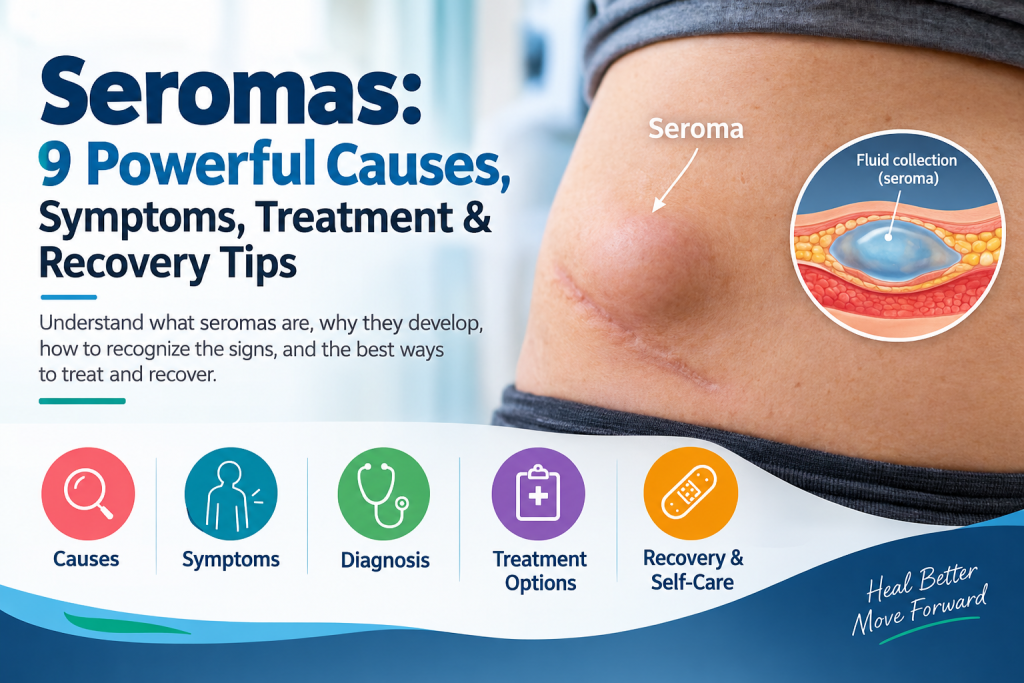
A seroma is a collection of clear or pale-yellow fluid that develops in an area where tissue has been damaged or surgically separated. The fluid usually comes from the body’s normal healing response. During healing, small blood vessels and lymphatic vessels can release fluid into the surrounding tissue.
The body often reabsorbs this fluid naturally. However, when more fluid accumulates than the body can remove, a noticeable pocket may form under the skin.
Seromas are particularly associated with operations that involve significant movement or separation of tissue. They may appear several days after a procedure rather than immediately.
The size can range from a small, barely noticeable collection to a larger swelling that causes discomfort or pressure.
What Causes a Seroma?
Several situations can increase the likelihood of developing a fluid collection. Common causes include:
1. Surgery
Surgery is one of the most common situations associated with fluid accumulation. When tissue is moved or separated during an operation, small lymphatic channels may be disrupted. The resulting fluid can collect in the surgical area.
2. Extensive Tissue Dissection
Procedures involving a large area of tissue movement can create more space where fluid can accumulate. This is one reason some operations carry a greater risk than others.
3. Trauma or Injury
A significant injury can damage soft tissue and small vessels. Following trauma, the body may produce inflammatory fluid as part of the healing response.
4. Lymphatic Disruption
The lymphatic system helps move excess fluid away from tissues. If lymphatic vessels are damaged, fluid drainage may temporarily become less efficient.
5. Dead Space
After tissue has been separated, an empty space can remain between tissue layers. This is sometimes called dead space. Fluid may collect in this space during healing.
6. Excessive Early Activity
Returning to strenuous activity too quickly after an operation may place additional stress on healing tissues. Depending on the procedure, this may contribute to swelling or delayed recovery.
7. Poor Tissue Compression
In some procedures, healthcare professionals use dressings or compression to help reduce the space in which fluid can collect. When appropriate compression is not maintained, fluid may have more room to accumulate.
8. Individual Healing Differences
People heal differently. Factors such as the type of operation, tissue condition, general health, and the body’s natural healing response can influence whether a fluid collection develops.
9. Repeated Tissue Irritation
Continued pressure, friction, or excessive movement around a healing area may interfere with comfortable recovery and contribute to persistent swelling.
Common Symptoms
The symptoms can vary depending on the location and size of the fluid collection. A person may notice a soft or firm swelling beneath the skin.
Possible signs include:
- A visible lump or swelling
- A feeling of fullness or pressure
- Mild tenderness
- Tightness around the affected area
- Fluctuation in the size of the swelling
- Discomfort when moving the nearby body part
- A fluid-like or soft sensation when the area is gently examined by a healthcare professional
Small collections may cause little or no discomfort. Larger ones can become more noticeable and may interfere with movement or clothing.
It is important to remember that not every postoperative lump is a seroma. A hematoma, infection, abscess, or another condition can sometimes produce similar symptoms.
How Are Seromas Diagnosed?
A healthcare professional usually begins with a physical examination and a review of the patient’s recent medical or surgical history.
During the examination, the clinician may assess:
- The size of the swelling
- Its location
- Whether it feels soft or firm
- Whether there is tenderness
- The condition of the surrounding skin
- Whether movement affects the discomfort
When the diagnosis is uncertain, imaging may be recommended. Ultrasound is commonly useful because it can help distinguish a fluid-filled collection from solid tissue or other types of swelling.
The diagnosis should be based on the overall clinical picture rather than on swelling alone.
Are Seromas Dangerous?
Most uncomplicated fluid collections are not considered life-threatening and may gradually resolve as the body reabsorbs the fluid.
However, a new or worsening swelling should not automatically be assumed to be harmless. Infection, bleeding, or another postoperative complication can sometimes produce similar symptoms.
Seek medical assessment if the swelling becomes increasingly painful, red, hot, rapidly larger, or is accompanied by fever, chills, pus-like drainage, or feeling significantly unwell.
People who have recently undergone surgery should follow the specific postoperative instructions provided by their healthcare team.
Treatment Options
Treatment depends on the size of the collection, its symptoms, its location, and whether complications are present.
Observation
Small, comfortable fluid collections may simply be monitored. The body can gradually reabsorb the fluid without invasive treatment.
A healthcare professional may recommend observation when there are no signs of infection or significant complications.
Compression
In selected situations, compression garments or dressings may be recommended. Compression can help support healing tissues and reduce the space available for fluid accumulation.
Compression should only be used according to professional advice, particularly after surgery, because inappropriate pressure may cause problems.
Needle Aspiration
If a collection becomes large, uncomfortable, or persistent, a healthcare professional may remove fluid using a needle. This procedure is called aspiration.
Aspiration should be performed by a qualified medical professional using appropriate sterile technique. Removing fluid can provide relief, but some collections may refill and require additional monitoring or treatment.
Drainage
For persistent or larger collections, a clinician may consider placing a drain to allow fluid to leave the area over a period of time.
The decision depends on the individual circumstances and the underlying cause.
Treatment of Complications
If the swelling is associated with infection, the treatment approach will be different. Medical assessment is important because an infected collection may require specific treatment.
Recovery and Self-Care
Recovery varies from person to person. Following medical instructions is generally the most important step.
After an operation, patients should gradually return to normal activities according to their surgeon’s or healthcare professional’s recommendations.
Helpful recovery principles may include:
- Keep the affected area clean according to postoperative instructions.
- Avoid strenuous activity until cleared by your healthcare provider.
- Do not repeatedly press, squeeze, or massage a swelling without professional advice.
- Wear recommended support garments correctly if they have been prescribed.
- Monitor changes in size, pain, redness, or drainage.
- Attend follow-up appointments when scheduled.
- Report new or worsening symptoms promptly.
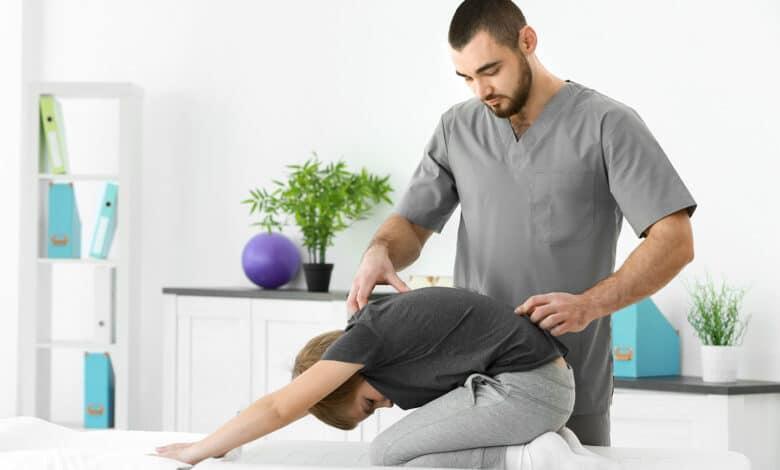
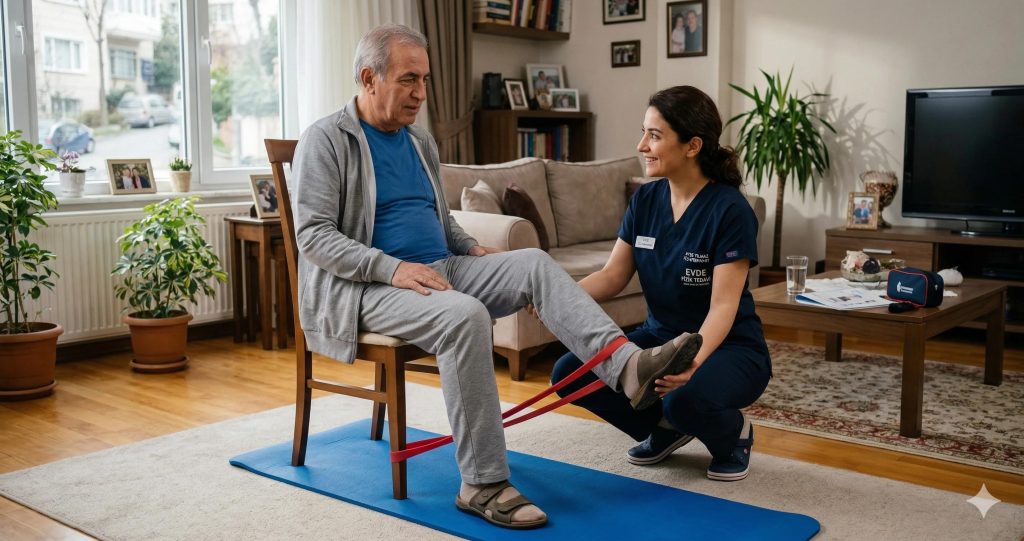
Physiotherapy may sometimes become relevant during recovery, particularly when surgery or injury has resulted in stiffness, reduced mobility, weakness, or difficulty returning to normal movement. However, exercises should be appropriate for the stage of healing and the underlying procedure.
When Should You Contact a Healthcare Professional?
Medical advice is especially important when swelling is new, persistent, or changing.
Contact your healthcare provider if you notice:
- Rapidly increasing swelling
- Significant or worsening pain
- Red or hot skin
- Fever or chills
- Pus-like or foul-smelling drainage
- Bleeding
- A wound that appears to be opening
- Increasing difficulty moving the affected area
- Symptoms that are not improving as expected
These symptoms do not necessarily mean that a serious complication is present, but they deserve appropriate evaluation.
Can Seromas Be Prevented?
It is not always possible to prevent a fluid collection. The risk depends partly on the type and extent of tissue disruption involved in a procedure.
Surgeons may use different techniques to reduce the likelihood of fluid accumulation, depending on the operation. Following postoperative instructions can also support normal healing.
Patients should avoid changing dressings, compression, activity levels, or exercise routines without guidance from their healthcare team.
Seromas and Physical Rehabilitation
Once a healthcare professional confirms that healing is progressing normally, rehabilitation may help restore movement and function after an operation or injury.
Depending on the person’s condition, a physiotherapist may work on:
- Gentle mobility
- Gradual strengthening
- Posture and movement patterns
- Functional activities
- Flexibility
- Safe progression back to daily activities
The timing of rehabilitation is important. Exercises should not be used to treat an unexplained swelling before the underlying cause has been assessed.
A personalized rehabilitation program can help people return to normal activities while respecting tissue-healing limitations.
Frequently Asked Questions
How long does a seroma last?
The duration varies. Small collections may resolve naturally over time, while larger or persistent collections may require medical management.
Can a seroma come back after drainage?
Yes. Fluid can sometimes accumulate again after aspiration, particularly if the underlying space has not completely healed.
Should you massage a swollen area?
Do not massage a new or unexplained swelling unless a qualified healthcare professional has advised you to do so. Massage may not be appropriate during certain stages of healing.
Is every postoperative lump a seroma?
No. Other conditions, including hematoma, infection, or normal postoperative swelling, can produce a lump. A healthcare professional can help determine the likely cause.
Can exercise make swelling worse?
Strenuous activity too soon after surgery may interfere with recovery. Follow the activity restrictions and exercise progression provided by your medical or rehabilitation team.
Final Thoughts
Seromas are fluid collections that can develop after surgery, trauma, or tissue disruption. Many are mild and resolve as the body naturally absorbs the fluid, while larger or persistent collections may require professional treatment.
The most important step is to avoid assuming that every postoperative swelling is harmless. Changes such as increasing pain, redness, warmth, fever, drainage, or rapidly growing swelling should be assessed by a healthcare professional.
With appropriate medical evaluation, sensible activity progression, and individualized rehabilitation when needed, many people can recover comfortably and return gradually to their normal activities.